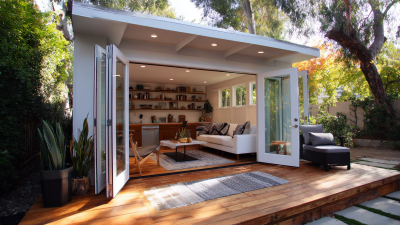
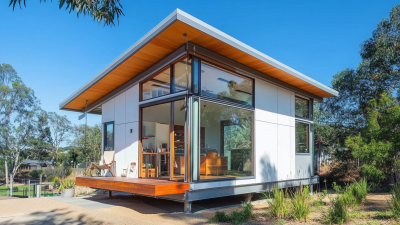
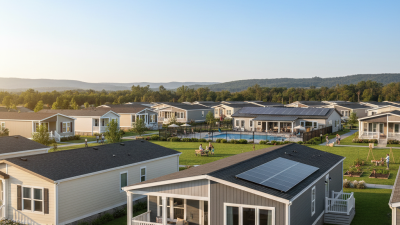
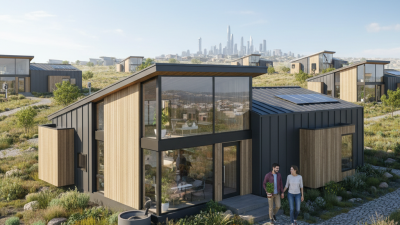
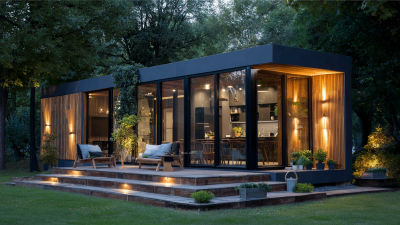
Lately, you'll notice that Fabricated Homes have really started to catch on with folks looking for modern places to live. These innovative homes offer some pretty cool benefits that seem to fit right into our busy lives today. Thanks to their unique design and the clever ways they’re put together, they definitely stand out in the housing market.
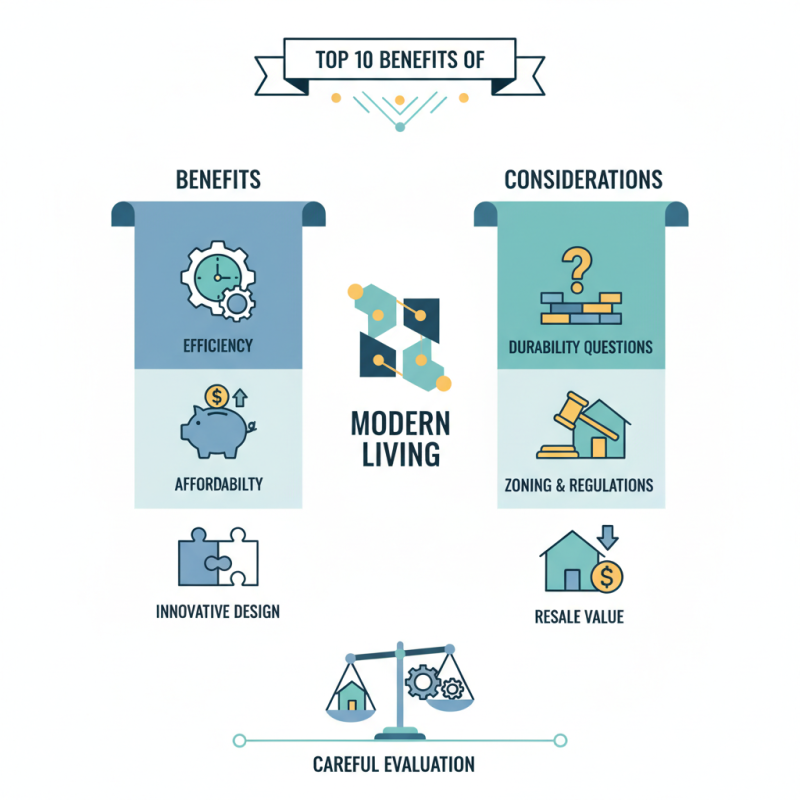
One major perk is how efficient they are. Since Fabricated Homes are built in controlled environments—think less waste, less delays—they come together much faster than traditional builds. But, of course, some people worry if they’re just as durable as old-school homes. It’s definitely worth taking a balanced look at both sides.
And let’s not forget about cost—these homes are often more budget-friendly, which makes owning a home more within reach for many. Still, it's good to keep in mind potential hurdles like zoning rules or how much they might sell for down the line. All in all, Fabricated Homes are a pretty modern way to live, but it’s smart to weigh the pros and cons carefully to make sure they’re the right fit for you.
Advantages of Constructing Fabricated Homes in Today’s Society
In today’s society, Pre Fabricated Homes offer a range of advantages. These homes can be built in less time than traditional ones, often in a matter of weeks. According to a report by the National Association of Home Builders, fabricated homes can reduce construction costs by up to 20%. This efficiency allows more families to afford home ownership. Additionally, the controlled factory environment enhances quality and minimizes waste.
One of the key benefits is energy efficiency. Pre Fabricated Homes are designed with sustainable materials and technologies. Statistics show that these homes can reduce energy consumption by30% compared to conventional houses. This not only lowers utility bills but also contributes to a greener planet. However, it's important to choose the right materials and technology carefully. Not all prefab models guarantee long-lasting efficiency.
Tips: Consider local climate when selecting designs. Not all pre-fabricated homes suit every environment. Engage with the community to understand local preferences. With ongoing advancements, many options may still lack durability in harsh conditions. It's essential to weigh long-term advantages against potential shortcomings. Discerning choices lead to better living experiences.
Cost Efficiency: How Fabricated Homes Save Money Over Traditional Options
Fabricated homes have surged in popularity in recent years, largely due to their cost efficiency. Building these homes can be significantly cheaper than traditional construction. Each module is created in a controlled environment, reducing waste and labor expenses. For example, the streamlined assembly process often cuts down on construction delays. This efficiency can save homeowners a substantial amount of money.
Furthermore, maintenance costs are generally lower for fabricated homes. These structures are often built with durable materials that withstand harsh conditions. Many homeowners find that they spend less on upkeep. Additionally, energy-efficient designs contribute to lower utility bills. However, one must keep in mind that proper installation is critical. Poor workmanship can lead to costly repairs later on.
While the cost savings are compelling, some challenges may arise. The initial high investment in OEM Fabricated Homes can deter some buyers. Not all designs fit every individual’s style. There might be limitations in customization. Yet, with thoughtful planning, these homes can meet diverse needs. The key is striking a balance between affordability and personal preference.
Top 10 Benefits of Fabricated Homes for Modern Living
Reduced Construction Time: Speed Benefits of Fabricated Housing
Fabricated housing has become increasingly popular due to its reduced construction time. Traditional building methods often take months or even years to complete. In contrast, fabricated homes can be assembled in days or weeks. This speed allows families to move in quickly, reducing the stress of prolonged construction. The efficiency of the process comes from pre-manufactured components, which are built off-site.
Many find this approach appealing, especially in urban areas where housing demand is high. The rapid turnaround can sometimes lead to concerns about quality. Are these homes built to last? This is a critical question that potential homeowners must consider. While the speed is a significant advantage, it shouldn't overshadow the importance of solid construction practices.
Additionally, saved time means lower labor costs, which can be a benefit for budget-conscious consumers. However, rush decisions in the building process can lead to overlooked details. Buyers should be diligent in their inspections to ensure the quality meets their expectations. As the market for fabricated homes grows, so does the responsibility to balance speed with sustainability and quality.
Sustainability: Eco-Friendly Aspects of Fabricated Home Design
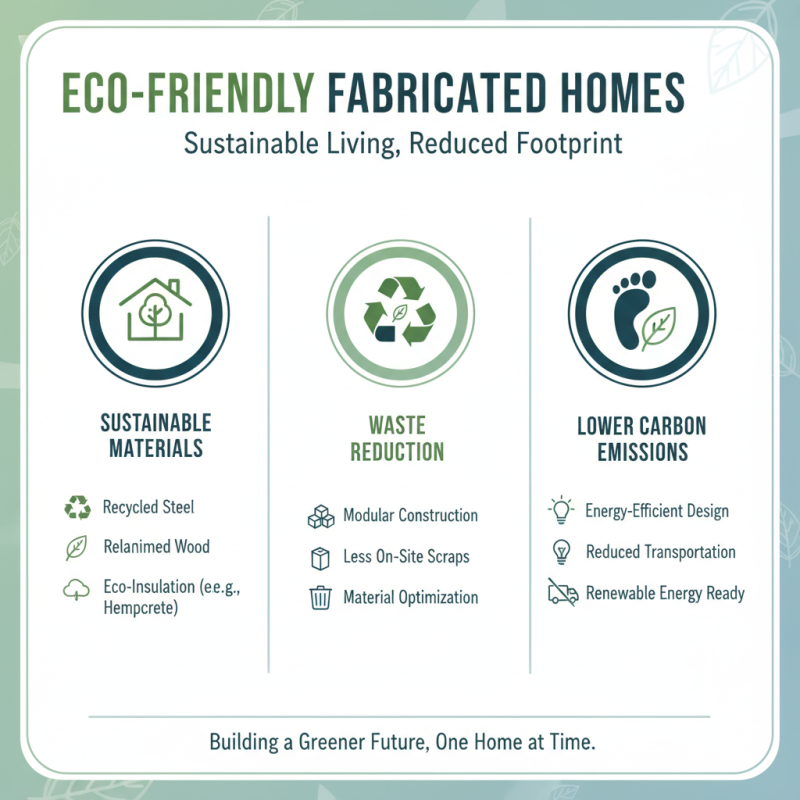
The rise of fabricated homes is notably linked to their eco-friendly benefits. These homes are often built using sustainable materials. Wood, recycled steel, and eco-friendly insulation are popular options. This not only reduces waste but also minimizes carbon footprints.
Energy efficiency is another crucial aspect. Many fabricated homes come with advanced energy systems. Solar panels and efficient heating help reduce utility costs. However, their upfront costs can be high. Homeowners need to evaluate their long-term savings versus initial investment.
Moreover, the design flexibility of fabricated homes allows for creative uses of space. This innovation often leads to less land consumption. Smaller homes generally have a positive environmental impact. Yet, one must consider the personal lifestyle needs. Not everyone may find a smaller space comfortable.
Customizability: Tailoring Fabricated Homes to Individual Needs
Fabricated homes offer a unique level of customizability that appeals to modern living. With ODM Fabricated Homes, individuals can design spaces that reflect their personal style. Imagine choosing the layout, color scheme, and materials. It’s empowering to create a home that feels uniquely yours. But this freedom can also be overwhelming. Decisions about every detail can lead to indecision. It's easy to get lost in options.
Beyond aesthetics, functionality is a crucial aspect of customizability. You can prioritize elements like energy efficiency or advanced technology features. This means tailoring your home to fit your lifestyle. For instance, an open-concept kitchen might suit a busy family, while a cozy nook could be perfect for quiet reading. However, it’s important to balance personal needs with future resale value. What feels good now may not appeal to future buyers.
When designing, it’s beneficial to reflect on your long-term needs. Will the space adapt as your family grows? Can it accommodate changes in lifestyle? Customizing your home is an exciting journey, but it’s essential to think critically about the choices you make. ODM Fabricated Homes encourage this thoughtful approach, merging personal expression with practical considerations. Engaging with the design process allows for a home that truly supports your modern living needs.
Durability and Quality: Longevity of Fabricated Housing Materials
Fabricated homes stand out for their durability and quality. The materials used are designed to withstand various environmental challenges. Unlike traditional homes, these structures are often built with advanced technology. This results in better resilience against harsh weather conditions. They can resist rot, pests, and extreme temperatures. Homeowners appreciate longevity, as it can mean less frequent repairs.
However, it’s crucial to consider the quality of materials chosen. Not all fabricated homes use the same standards. Some may skimp on quality for cost savings. This can impact durability over time. Homeowners should research and ensure they invest in long-lasting options. Energy efficiency is also a factor. Better materials can reduce energy costs and enhance comfort.
Visualizing a well-built fabricated home reveals smooth finishes and solid frames. The aesthetics can vary, but the strength remains. This choice can lead to fewer issues in the long run. Yet, potential buyers must remember: not every option is equal. Careful consideration can lead to a satisfying investment in modern living.
Community and Modern Living: Integrating Fabricated Homes in Urban Areas
Integrating High-Quality Fabricated Homes into urban environments offers exciting possibilities for modern living. Urban areas are increasingly crowded, leading to housing shortages. A report by the National Association of Home Builders indicates that nearly 50% of the population now lives in urban regions. Fabricated homes can alleviate part of this housing crisis by providing affordable, efficient solutions.
These homes are designed for quick assembly and reduced waste. The efficiency can lower construction costs up to 20%. Many urban planners are now looking at fabricated houses as viable options. They can be fitted into smaller lots, promoting a denser yet livable community. However, challenges remain. Zoning laws often lag behind innovative housing solutions. Communities need to adapt those regulations to embrace new concepts.
Beyond affordability, fabricated homes enhance community connectivity. They encourage shared spaces, like parks or communal gardens. According to a study from the Urban Land Institute, these features can increase community interaction by up to 30%. Yet, integrating these homes must be approached thoughtfully. Some residents may resist this change. Balancing innovation with local culture is vital for acceptance. High-Quality Fabricated Homes can reshape urban living, but inclusivity should guide their implementation.
Top 10 Benefits of Fabricated Homes for Modern Living
| Benefit | Description | Impact on Modern Living |
| Cost Efficiency | Lower construction costs due to streamlined manufacturing processes. | Increased affordability for homebuyers in urban areas. |
| Sustainability | Use of eco-friendly materials and reduced waste during construction. | Promotes greener living environments in cities. |
| Speed of Construction | Quick assembly allows for faster move-in times. | Addresses urgent housing needs in urban areas. |
| Customizability | Flexibility in design options to suit buyer preferences. | Fosters a sense of community identity and personal expression. |
| Energy Efficiency | Incorporation of energy-saving technologies and appliances. | Reduces utility costs and environmental impact. |
| Quality Control | Strict quality checks during manufacturing minimize defects. | Ensures durable and reliable homes for residents. |
| Reduced Environmental Impact | Less land disruption and lower carbon footprints. | Supports sustainable urban development. |
| Resilience | Built to withstand various environmental conditions. | Enhances safety and longevity for homeowners. |
| Community Integration | Designed to blend into existing neighborhoods. | Encourages social interaction and community building. |
| Aesthetic Appeal | Modern designs that enhance visual interest in urban environments. | Attracts diverse groups to urban living. |
Exploring Modern Living: The Benefits of 20ft 2-Bedroom Prefab Container Homes in China
Exploring the modern living landscape in China, the rise of 20ft 2-bedroom prefab container homes presents a compelling option for those seeking convenience and efficiency. These compact homes offer a remarkable solution for families or individuals desiring a comfortable living space without the extensive commitment of traditional housing. The unique design allows for versatility in size and layout, making it an ideal choice for various plots of land.
For homeowners who require more space, a 40ft integrated cabin can serve as an extraordinary alternative. With double the area of the 20ft model, this prefabricated option significantly reduces the amount of on-site construction work required, ensuring that the building process is quick and efficient. The length of the cabin can also be customized to fit specific land dimensions, enabling potential buyers to optimize their living environment according to their needs and preferences.
These innovative homes are not just about size; they embody a modern lifestyle that prioritizes sustainable living and minimalism. With a range of options available, including different layouts and designs, prospective homeowners can find a solution that aligns perfectly with their vision of modern living. Embracing prefab container homes opens the door to an accessible, stylish, and functional way of life in contemporary China.
FAQS
: The article discusses key topics in depth. It aims to inform readers.
The content targets individuals interested in various subjects. It appeals to a wide range.
Readers can gain knowledge. They can also find practical tips for better decision-making.
Yes, the article corrects several myths. It reveals surprising facts and offers clarity.
The content includes references to studies. However, some claims might need more evidence.
The article discusses difficulties in implementing ideas. It reflects on common obstacles.
The article offers a few strategies. Readers are encouraged to adapt solutions to their context.
Yes, some advice may not apply universally. Each situation can be unique and requires adjustments.
The article hints at potential developments. It provokes thought about what might come next.
The tone is informative but approachable. It balances expertise with relatable language.
Conclusion
Fabricated homes offer a multitude of advantages that cater to the needs of modern living. One of the most significant benefits is their cost efficiency; these homes can significantly reduce expenses compared to traditional construction methods. Additionally, fabricated homes can be constructed in a fraction of the time, allowing homeowners to move in sooner. Their design often emphasizes sustainability, as many fabricated homes utilize eco-friendly materials and practices. Customizability is another key feature, enabling individuals to tailor their spaces according to personal preferences and lifestyles.
Moreover, the durability and quality of the materials used in fabricated homes ensure longevity, making them a wise investment for the future. As urban areas continue to evolve, integrating fabricated homes into communities can enhance modern living experiences, creating vibrant neighborhoods that reflect contemporary values. Overall, fabricated homes represent a forward-thinking solution for housing that meshes efficiency, sustainability, and personalization.