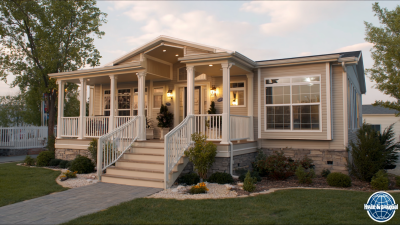
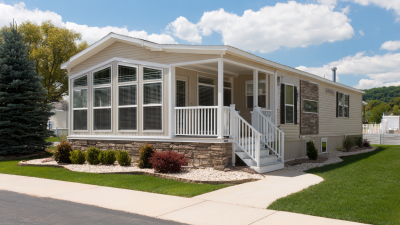
Lately, there's been a real spike in interest around creative housing solutions, mainly because cities are getting more crowded, and more people mean we’ve got to rethink how we live. I mean, according to a report from the UN, by 2050, over 68% of folks worldwide are gonna be living in urban areas. That’s a lot of folks crammed into a limited space, so we’ve gotta get a little inventive to make the best use of what’s available. One idea that’s been gaining quite a bit of attention is the Folding House — it’s a clever way to maximize small plots of land without sacrificing comfort or style.
Nantong Huasha Movable House Co., Ltd., started back in 2005, and we’ve been focused on building all sorts of Movable Homes, likeContainer Houses and expandable options, all designed to meet the needs of city dwellers today. We’re really about offering a full package — from helping you pick the perfect site, to designing, building, installing, and even guiding you through the technical stuff — so folks can enjoy modern living without feeling cramped or limited by space.
Understanding the Concept of Folding Houses in Modern Architecture
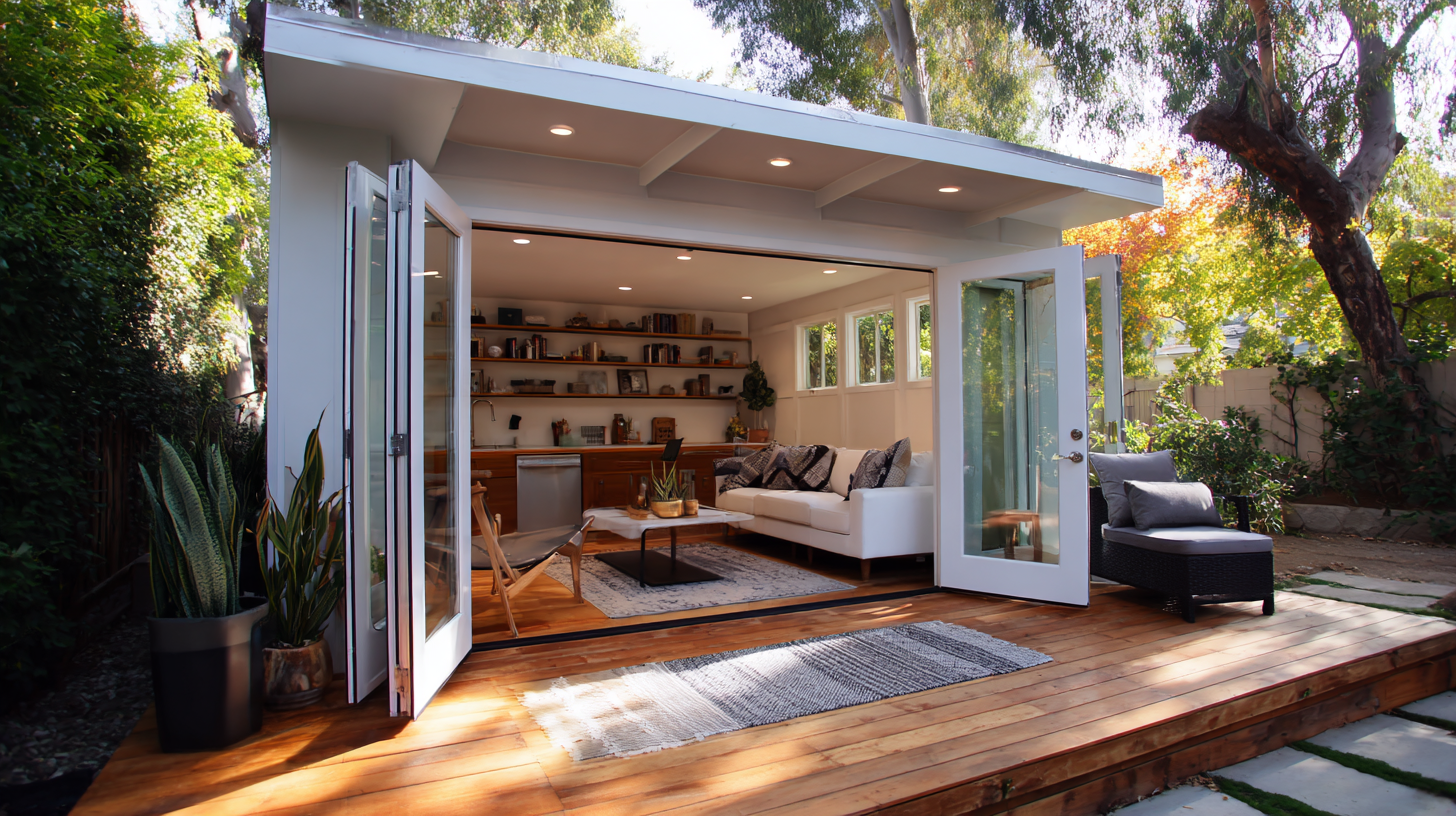
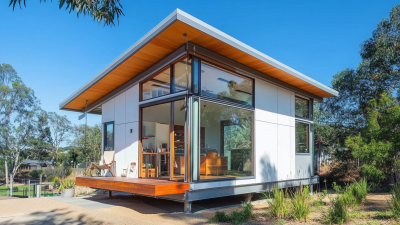
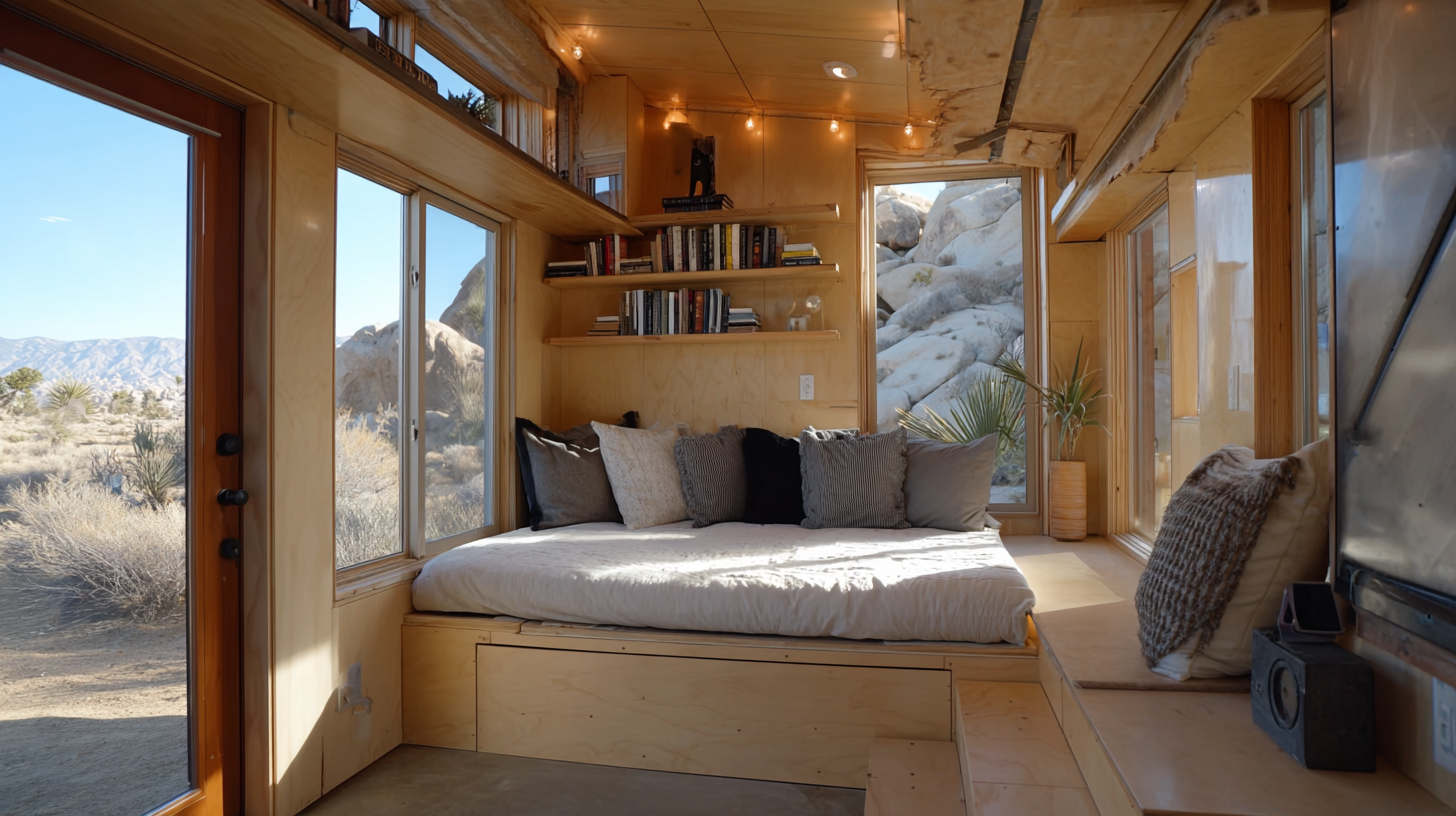 Foldable houses are honestly pretty fascinating and represent a breakthrough in modern architecture. They’re all about making the most of limited space, but still looking great and working well. The idea is that these structures can expand or shrink depending on what the people living there need and what the environment demands. By using lightweight metals and foldable frameworks, these homes can go from small, cozy units to roomy living spaces in no time—kind of like a magic trick, but with real design smarts. They mix practicality with innovative style, which is pretty cool, right?
In busy city areas where space is always tight, foldable houses really offer a fresh solution for housing issues. Not only can they change in size, but they’re also super versatile—they can serve as a home office during the day, a fun hangout spot, or even add an extra bedroom when you’ve got guests. And I love that they’re leaning into sustainability too, with eco-friendly features like energy-efficient systems and rainwater collection setups. All in all, this whole foldable house idea really shows how architecture can adapt to our ever-changing lives while making the most of the space around us. It’s a pretty impressive way to rethink what homes can be, don’t you think?
Benefits of Folding Houses for Space Efficiency and Flexibility
Folding Houses are really changing how we think about modern living. They offer such great space efficiency and flexibility that it’s hard not to be impressed. One of the coolest things about these innovative homes is how easily they can adapt to different needs—without losing any functionality. If you’re living in the city and your space feels a bit tight, a folding house can quickly switch from a cozy little place to a more open one, perfect for hosting friends or even setting up a home office. It’s all about making the most of every square foot and tailoring your space to fit your life as it changes.
And it’s not just about flexibility; folding houses are also pretty eco-friendly. They help cut down on waste and require a smaller footprint, which is kind of awesome if you’re into minimalism. Plus, since these homes can be easily put together or taken apart, they’re a fantastic option for anyone who values mobility—imagine being able to move your home without the headache of huge logistics. All in all, the smart design and adaptability of folding houses really match what a lot of us are looking for in today’s world—making them a super appealing choice for future living.
Key Features to Look for in a Folding House Design
So, if you're thinking about a folding house design, there are a few key features that really stand out—especially when it comes to modern living. First off, space is a big deal. I read somewhere (thanks, American Institute of Architects!) that the average new home has shrunk by about 20% over the last decade, which just shows how important smart, compact living spaces have become. That’s where a good folding house comes in — using clever, transformable furniture and built-in storage to make every inch count without feeling cramped. Think Murphy beds that fold into the wall or extendable tables that can go from dinner for two to a space for friends — small spaces don’t have to feel small with these tricks.
Another thing that’s super important these days is sustainability. There’s a real buzz around eco-friendly building styles, and research from the World Green Building Council actually shows that energy-efficient homes can cut energy use by up to 30%. Folding houses can totally tap into this vibe — by installing solar panels, rainwater harvesting setups, and using sustainable materials, they can be kind to the planet while still being super modern and convenient. Plus, features like passive solar design (you know, making the most of sunlight to heat your home naturally) only boost the energy savings. Bottom line? If you focus on these key aspects, folding houses really could be a game-changer — offering lots of style and space in a world where every square foot counts.
Maximizing Space with Folding House Designs
Creative Ways to Utilize Convertible Spaces for Daily Living
In today’s busy city life, making the most out of limited space has become a big deal for lots of homeowners. That’s where a folding house really shines — it offers some clever solutions that not only save room but also make your living areas way more versatile. With features like convertible spaces, you can easily tweak your home to suit whatever you’re doing—whether you're entertaining guests or just relaxing with family.
Here are a few tips: Think about using multifunctional furniture like foldable tables or Murphy beds. These can switch up your space in no time—turning a comfy living room into a guest bedroom or a cozy sleep spot without a hassle. Also, wall-mounted shelves are a lifesaver—they keep your stuff organized without cluttering up the floor. That leaves your place feeling more open and airy, which is always a plus.
Another cool trick is adding movable partitions. Imagine having a sliding panel that can split your room into a workspace during the day, then slide back for a fun get-together in the evening. This kind of setup isn’t just practical; it also gives your place a modern, stylish vibe and makes every inch count. So, with a little planning, your home can be both functional and super stylish—perfect for that fast-paced urban lifestyle.
Sustainable Materials and Techniques for Modern Folding Houses
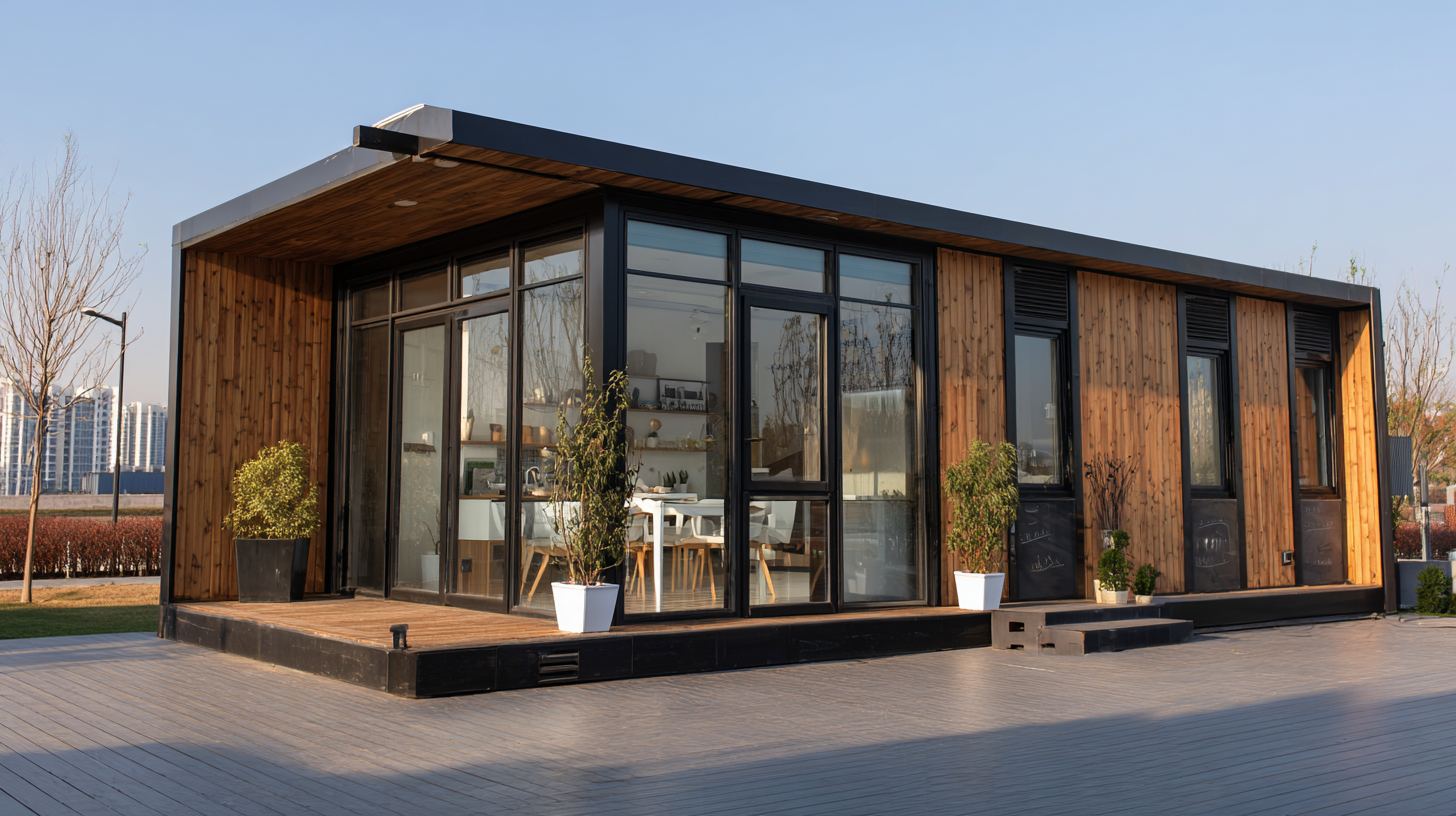
Have you noticed how the whole folding house trend is gaining some serious traction? It’s this pretty cool idea for making the most of limited space, especially in modern living setups. What’s even better is that a lot of these designs are built with eco-friendly stuff like bamboo and recycled wood. Not only does that help cut down on environmental impact, but it also gives the homes a sleek, contemporary vibe. The best part? These foldable homes are super flexible—they can adapt to different needs or lifestyles, kinda like those traditional climate-resistant buildings in Kashmir that have been around forever.
As we move more toward sustainable building practices, folks are also checking out natural fiber composites because they’re strong, durable, and eco-friendly too. These materials make foldable houses not just practical but actually durable and efficient. Plus, the whole design scene seems to favor simplicity and minimalism lately. You see a lot of origami-inspired elements in modern architecture—that clever mix of function and style. Overall, the idea of homes that can fold and unfold isn’t just about cool design; it’s part of a bigger shift toward living more adaptable and environmentally responsible. It feels like this is just the beginning of some pretty exciting architectural innovations down the line.
How to Maximize Space with a Folding House for Modern Living - Sustainable Materials and Techniques for Modern Folding Houses
| Feature | Description | Sustainable Material | Space Utilization |
| Folding Walls | Walls that can be opened up to create open spaces or closed for privacy. | Reclaimed Wood | Provides flexibility in room layout and enhances natural light. |
| Modular Furniture | Furniture that can be rearranged or reconfigured to suit different needs. | Bamboo | Allows for multitasking spaces that can serve various functions. |
| Foldable Loft Beds | Loft beds that can be folded away when not in use to free up space. | Plywood | Maximizes vertical space and creates room for work/study areas. |
| Expandable Kitchen Units | Kitchens that expand for use and retract when not in use. | Recycled Aluminum | Optimizes kitchen functionality while saving space. |
| Sliding Doors | Doors that slide instead of swinging to save space. | Glass and Wood | Enhances flow between rooms while conserving necessary space. |
Tips for Maintaining and Adapting Your Folding Home Over Time
Keeping your foldable home in good shape and adapting it as you go along isn’t something you can just set and forget. It’s all about staying proactive—regular check-ups on those folding mechanisms and making sure everything’s structurally sound are definitely a good idea. It helps if you get familiar with how everything works inside your place, so you know that all the parts are moving smoothly and safely. A little lubrication now and then on moving parts can really save you from wear and tear and help your folding features last longer. Oh, and don’t forget to keep an eye on the weather seals—making sure they’re in good shape keeps your home energy-efficient and prevents drafts or moisture from sneaking in and causing trouble inside.
As your lifestyle changes, so should your foldable home’s design and features. Being flexible is a big deal—think about modular furniture that you can easily move around or reconfigure for different uses. Building a space that can do double duty—like turning into a home office, guest bedroom, or a chill-out zone—makes your place super functional. When you add new pieces or elements, just make sure they match the compact vibe of your home and boost both the look and practicality. This kind of adaptability not only makes the most of what you’ve got but also keeps things sustainable and tailored just to your lifestyle’s needs.
Designing the Perfect Getaway: The Glamorous 72m2 Modular House in the Bahamas
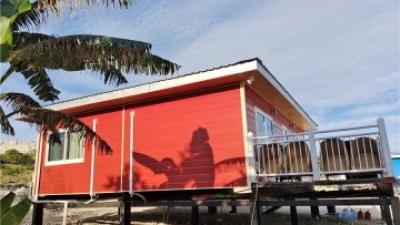
Designing a getaway that seamlessly blends luxury with functionality has become increasingly feasible with modular home designs. The 72m2 Modular House in the Bahamas exemplifies this trend, showcasing how modern engineering can cater to local lifestyle preferences while providing a glamorous escape. Since 2009, our team has dedicated itself to developing residences that not only meet aesthetic standards but also resonate with the cultural nuances of their surroundings. This project particularly stands out due to the collaboration with local professionals, which allows us to ensure the design celebrates both modern living and the distinct Bahamian environment.
Market data indicates a substantial shift in consumer preference toward sustainable and efficient living spaces. According to the Modular Home Builders Association, the modular construction market is projected to grow significantly, driven by the increasing interest in eco-friendly alternatives and custom designs. The ability of modular homes to minimize construction waste and energy use is crucial as homeowners become more environmentally conscious. The 72m2 design incorporates sustainable materials and energy-efficient systems, making it an ideal choice for those looking to enjoy the Bahamas while being mindful of their ecological footprint.
By integrating innovative features and local insights, this modular house not only serves its purpose as a luxurious getaway but also reflects the community's needs. With the rise of modular homes, especially in idyllic locations like the Bahamas, we anticipate a growing trend in custom, prefabricated housing that emphasizes both elegance and sustainability. The future of vacation homes is not merely about meeting individual desires; it is about creating spaces that resonate with the heart of the locale they inhabit.
FAQS
: The main benefit of a folding house design is its space efficiency, allowing for compact yet functional living environments that maximize usable space without compromising comfort.
Folding houses can incorporate eco-friendly elements such as solar panels, rainwater harvesting systems, and sustainable materials, which help reduce energy consumption and ensure an environmentally-friendly footprint.
Multifunctional furniture such as foldable tables and Murphy beds are recommended, as they can transform spaces quickly and serve dual purposes, saving room while maintaining comfort.
Movable partitions, like sliding panels, can create flexible spaces that allow homeowners to separate areas for work or social gatherings, adding versatility and design appeal while making efficient use of space.
Regular inspections of folding mechanisms, lubrication of moving parts, and monitoring weather sealing are suggested to ensure smooth operation, safety, and energy efficiency.
Homeowners can adapt their folding homes by using modular furniture that can be rearranged and creating multi-functional areas that serve different purposes to meet evolving needs.
Flexibility is important because it allows the home to adapt to different functions—such as a home office or guest room—ensuring that the space remains practical and meets the changing demands of daily life.
Passive solar design enhances energy efficiency in folding houses, aligning with eco-conscious lifestyles by utilizing natural light and heat for improved energy conservation.
Conclusion
Folding houses are really changing the game in modern architecture. They offer some pretty clever solutions when it comes to making the most of limited space and giving you more flexibility—especially useful in busy city setups. One of the coolest parts? They can be customized to fit different environments and adapt to our ever-changing lifestyles. So, whether you're a single person or a family wanting versatile living options, these homes have got you covered. When you're looking at folding house designs, keep an eye out for features like modular parts that can be rearranged, convertible spaces that serve multiple functions, and the use of eco-friendly materials. Not only do these things make the homes more practical, but they’re also better for the planet.
At Nantong Huasha Movable House Co., Ltd., we’re all about creating different kinds of movable homes, including folding houses that incorporate these smart, modern ideas. From helping you choose the perfect site and designing your home to manufacturing and installing it, we aim to make the whole process smooth and hassle-free. Embracing the concept of folding houses lets people make the most of their living space while also supporting sustainability and flexibility for the future. It’s about making your home work for you—and being kind to the environment at the same time.