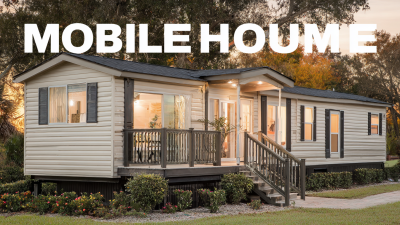
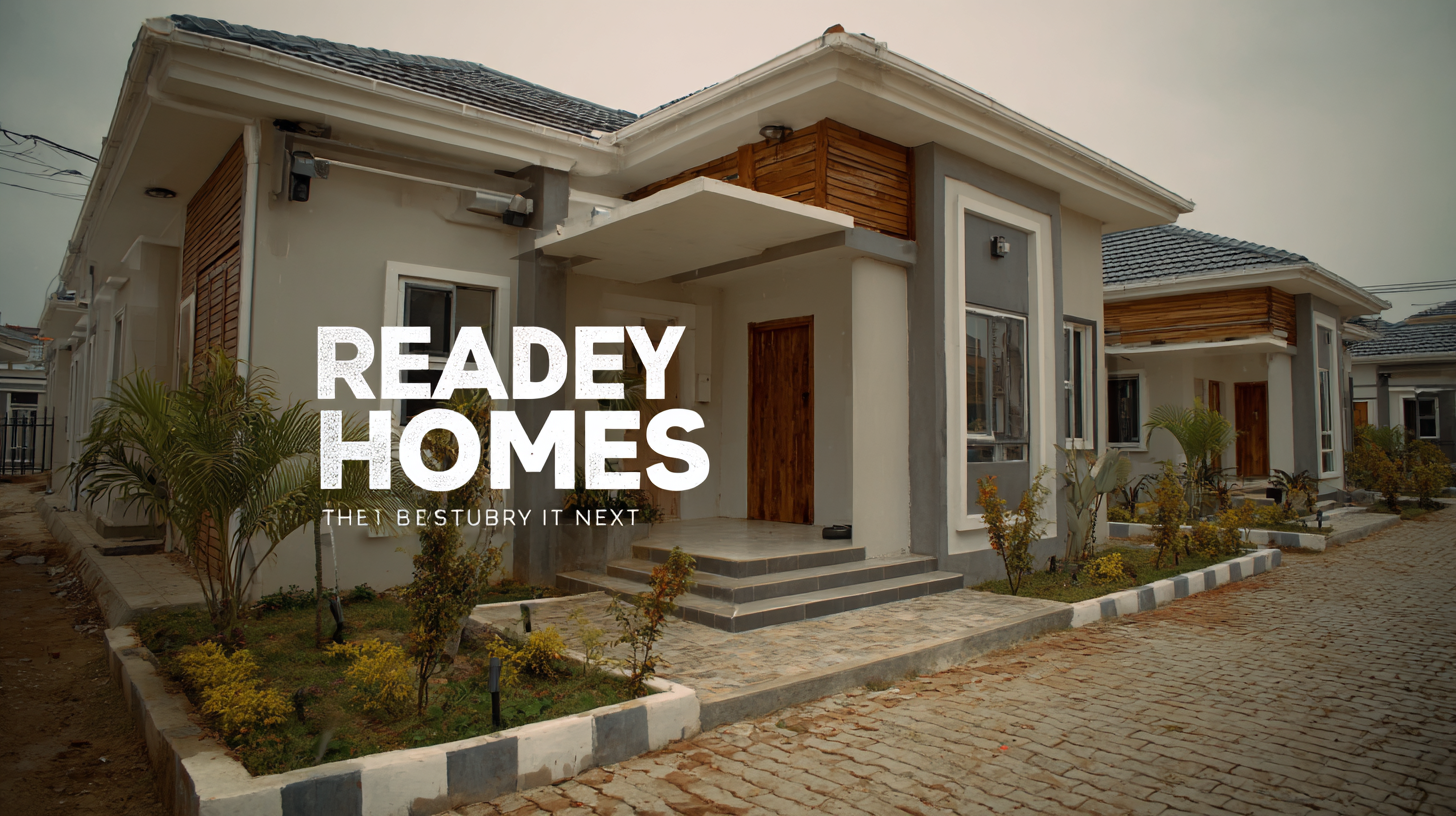
You know how fast things move in the construction world? It’s pretty wild, right? That’s why it’s super important to have a reliable and efficient housing solution for whatever project you're working on. Enter Ready Made Homes—this is where they really shine with a fresh take on the usual building methods. With the growing need for quick, eco-friendly, and customizable living spaces, Nantong Huasha Movable House Co., Ltd. really sets itself apart as a leader in this field. Founded back in 2005, we specialize in a bunch of modern housing options, like container houses, expandable homes, and light steel structure houses. Plus, we cover everything from picking the right site to providing technical help, making us your go-to one-stop shop for your next project. So, in this blog post, we're going to dive into five awesome reasons why opting for Ready Made Homes is definitely a smart move that combines efficiency and quality—all while keeping things stylish!
The Rise of Prefabricated Homes: A 2025 Industry Perspective
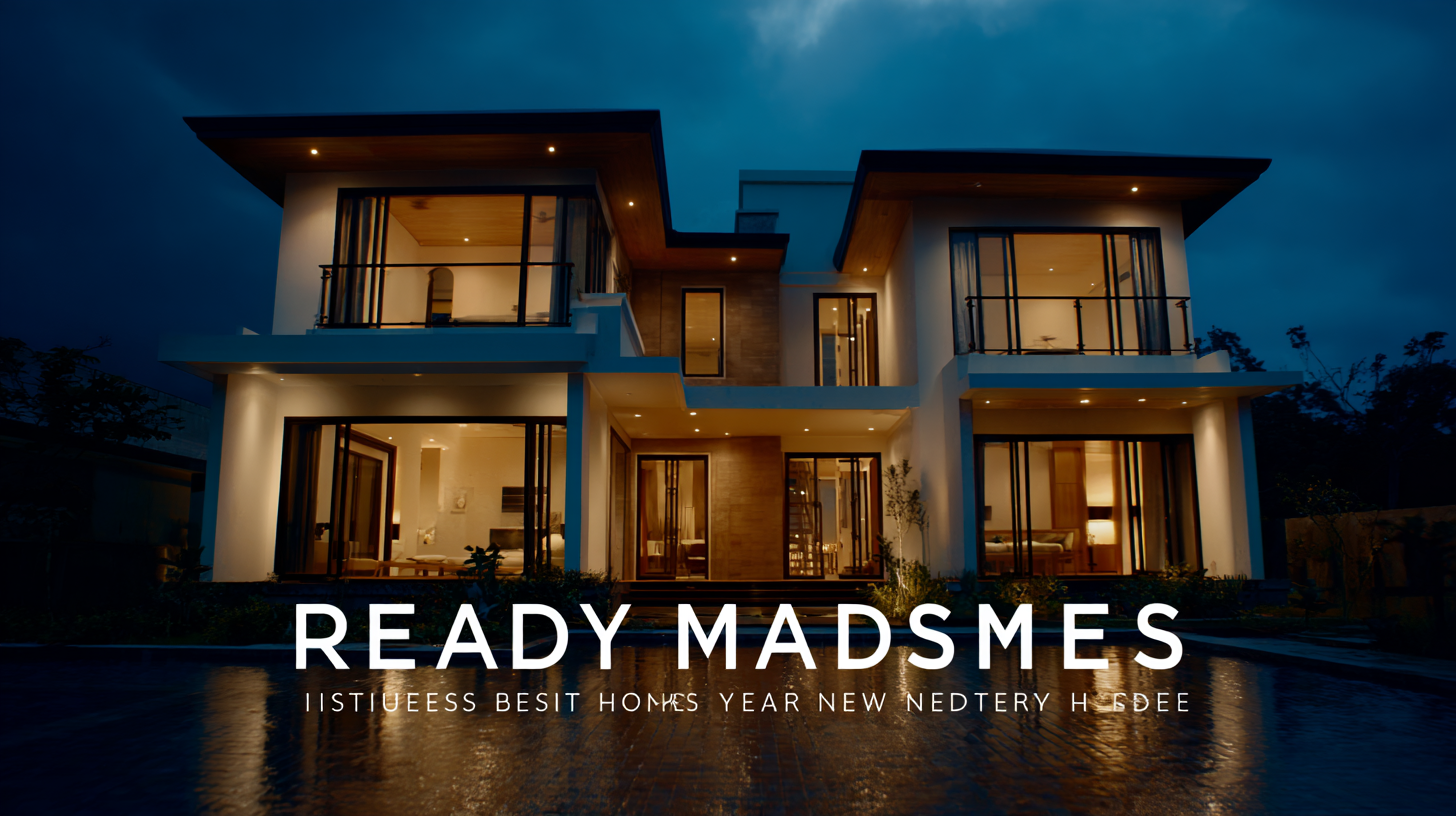
You know, the way that prefabricated homes are shaking up the housing scene is pretty amazing, especially as we’re heading into 2025. A report from Research and Markets back in 2022 mentioned that the global market for these homes could hit around USD 205 billion by 2027, which is quite the leap at a growth rate of 6.9% every year! So, what’s driving this boom? Well, it’s a mix of things: they’re more affordable, they cut down on how long construction takes, and they’re a lot more sustainable. Prefab Homes do a great job of reducing waste, and a lot of them are built with eco-friendly materials, which really fits with the growing desire for greener living.
And get this – analysts are saying that by 2025, nearly 15% of new homes in the U.S. will be prefabricated. This shift is happening because construction tech is getting better and better, plus more folks are looking for customizable designs for their homes. On top of that, the skilled labor shortage is pushing companies to embrace prefab methods, allowing them to put things together quicker and not be so dependent on workers at the site. If these trends keep up, it looks like the future of housing is going to score big with the innovative options that prefab homes bring to the table. It’s definitely an exciting time to be in the market!
Growth of Prefabricated Homes Market (2020-2025)
Key Technological Innovations Driving Ready-Made Home Popularity
You know, the boom in ready-made homes is really linked to some cool tech advancements that have shaken up the construction game. Take prefabrication, for instance. They build parts in a controlled setting and then just put it all together on-site. Pretty neat, right? This not only speeds things up but also helps maintain better quality. Plus, with all the new stuff coming out in materials science, builders can now get their hands on stronger, lighter, and more eco-friendly materials that not only boost energy efficiency but also cut down on waste.
And let's not forget about smart home tech — it’s really starting to become a staple in these ready-made houses. We’re talking energy management systems and automated security features that are making these homes super attractive for those of us who love convenience and sustainability. Oh, and innovations like 3D printing? They're totally changing the construction game, letting designers whip up complex ideas more easily and affordably. As we see these technologies keep developing, it's pretty clear that ready-made homes are only going to get more appealing, offering some really solid options for modern living.
Cost Efficiency Compared to Traditional Construction Methods
When considering your next construction project, cost efficiency is a critical factor, and ready-made homes present a compelling option. Recent trends have shown that prefabricated buildings offer significant economic advantages over traditional construction methods. According to a comprehensive report on the assembly-type building industry, technology in this field has matured, making these structures increasingly viable for developers. The report highlights that assembly buildings can reduce construction time and labor costs, tapping into a market projected to be worth trillions due to rising demand fueled by stringent environmental regulations and labor shortages.
One key advantage of ready-made homes is their controlled manufacturing environment, which minimizes waste and maximizes resource efficiency. With factory-made components, the entire construction process is streamlined, leading to potential savings of 10-20% compared to conventional methods.
Tip: To further enhance cost efficiency, consider partnering with reputable manufacturers who have a track record in assembly-type construction.
Additionally, many governments are beginning to incentivize sustainable building practices, which can result in financial benefits for projects that prioritize environmental responsibility.
Tip: Stay informed about local policies and subsidies related to prefabricated housing, as these can dramatically impact your project's budget.
Sustainability Metrics: How Ready-Made Homes Reduce Carbon Footprint
You know, as we all try to tackle the growing climate issues, the construction industry is really feeling the heat to go green. One of the coolest solutions popping up these days is ready-made homes. They're a great way to shrink our carbon footprints without breaking a sweat. These homes are built in controlled environments, which helps cut down on waste and energy during the whole construction process. Plus, by streamlining how we build, ready-made homes can help reduce those greenhouse gas emissions that, believe it or not, make up a huge 37% of the world's carbon output just from the building sector!
And there’s more! When we look at sustainability metrics, ready-made homes often use eco-friendly materials and energy-efficient tech. This not only helps us tackle the urgent need to clean up our living spaces but also fits in line with all those government rules about energy use and emissions. So whether you're an individual homeowner or a developer, jumping on the ready-made home bandwagon is a smart move. You get to contribute meaningfully to fighting climate change while enjoying lower energy bills and better living spaces. Honestly, embracing these homes isn’t just a practical choice for any building project; it’s a major step toward making sure our planet has a bright, sustainable future.
Market Growth Projections for Prefabricated Housing by 2025
You know, the market for prefabricated housing is really gearing up for some big changes by 2025! Why? Well, there’s this huge surge in demand for innovative and eco-friendly living solutions. With urban areas growing quickly, especially in bustling places like Asia-Pacific, more folks are turning to prefabricated homes as a smart, efficient choice that won’t break the bank. Plus, with tech on our side—think virtual fitting rooms—finding the right fit has never been easier for consumers.
If you're looking to dive into this booming sector, you might want to explore using a virtual mirror at a store or maybe even an app-based body scanner. These nifty tools not only make shopping a lot more fun but also help cut down on those pesky returns by giving spot-on size recommendations. And hey, staying updated on industry trends like the rising use of 3D body data can really give you an edge in designing and marketing those stylish prefabricated homes.
Oh, and don’t forget about sustainability! When you're planning your prefabricated housing project, focusing on eco-friendly materials and energy-efficient designs can really make your homes shine in today's conscious market. People are more mindful than ever about the environment, so if you lead with a green approach, you'll definitely stand out. Plus, working with local suppliers not only strengthens community bonds but can also save you some cash—definitely a win-win for keeping your project budget-friendly and eco-conscious.
Consumer Preferences: What Homebuyers Really Want in Ready-Made Homes
You know, in today’s world of homeownership, ready-made homes are really turning heads, especially for first-time buyers who want something efficient and budget-friendly. People are increasingly looking for features that make life easier and, honestly, a bit greener. Reports are showing that modern homebuyers are putting energy efficiency and smart home tech at the top of their wish lists. And it’s not just about having a beautiful design—folks want homes that promote eco-friendly living and come packed with the latest technology.
Take ready-made homes, like those from Nantong Huasha Movable House Co., Ltd. They really get what buyers are after, offering customizable options that mix style with practicality. Plus, using lightweight materials and energy-efficient solutions is right in line with today's trendy preferences. It's super interesting to see how buyers are also open to looking at nontraditional financing options and different types of properties. For those feeling the heat of the current housing market, going for a ready-made home can be a smart move. It’s not just about meeting the needs of different buyers; it’s also about positioning ready-made homes as a savvy investment for what’s ahead.
5 Irresistible Reasons to Choose Best Ready Made Homes for Your Next Project
| Reason | Description | Consumer Preference (% of Buyers) |
| Affordability | Ready-made homes often come at a lower cost compared to traditional homes, making them attractive to budget-conscious buyers. | 65% |
| Quick Construction | These homes can be built and delivered in a fraction of the time, allowing buyers to move in sooner. | 70% |
| Energy Efficiency | Many ready-made homes are built with eco-friendly materials and designs, resulting in lower utility bills. | 80% |
| Customizable Options | Buyers can often choose layouts, finishes, and features that match their personal preferences. | 75% |
| Low Maintenance | Ready-made homes typically require less maintenance due to modern construction techniques and materials. | 60% |