Inquiry
Form loading...
You know, there's this growing need for affordable housing solutions that's really pushing companies like Prebuilt Homes into the spotlight within the construction scene. I mean, a recent report from the World Bank mentioned that roughly 1.6 billion people around the globe don’t have adequate housing. That’s a pretty stark reminder of just how crucial it is to think outside the box when it comes to solutions. 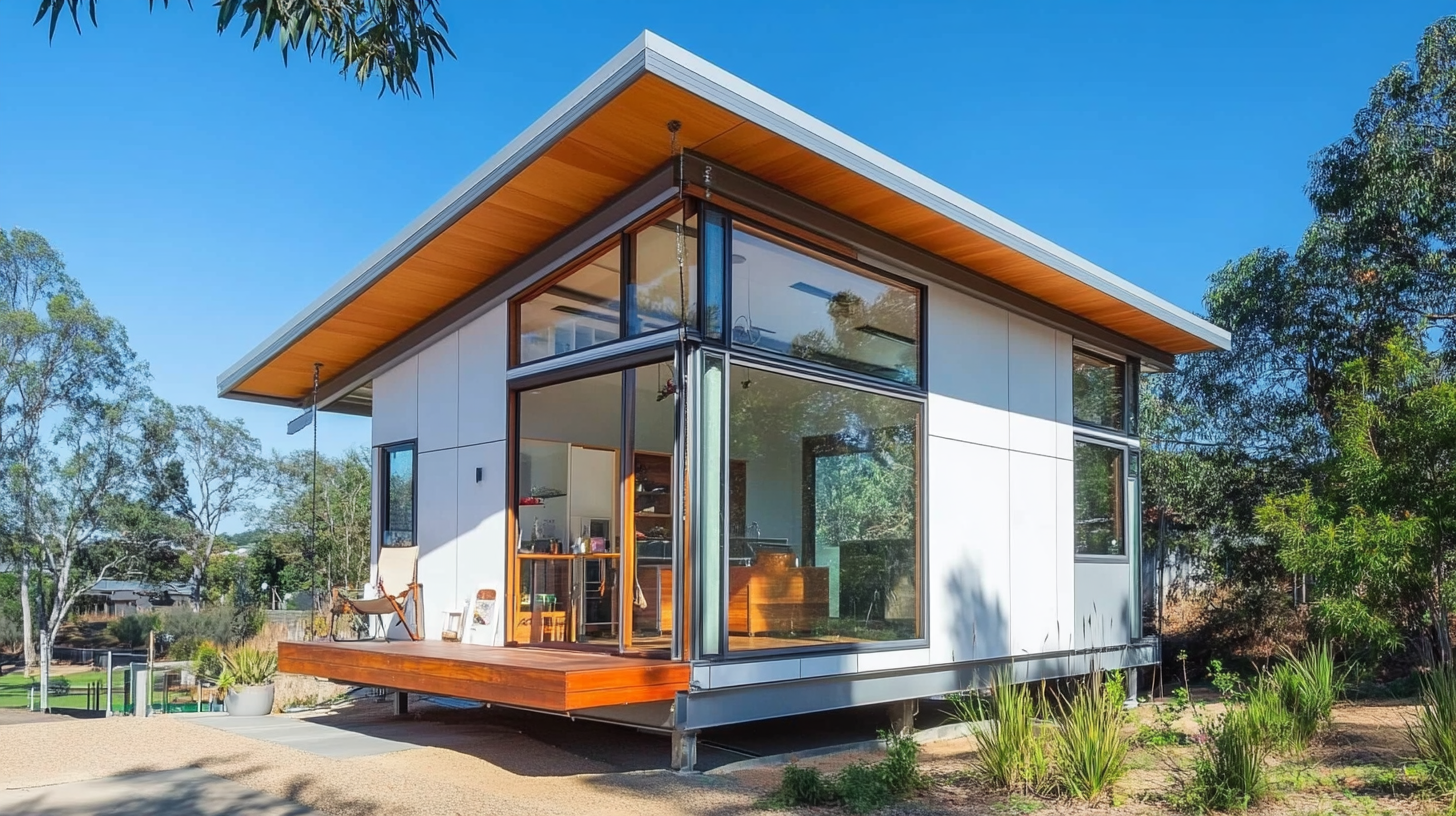 Take Nantong Huasha Movable House Co., Ltd., for example—they’ve been at it since 2005. They’re all about prebuilt homes, covering everything from Container Houses to expandable ones, light steel structures and even movable pods. It’s pretty impressive! They offer a full package, too, handling everything from site selection and design to production, installation, and even technical guidance. Plus, by embracing modern construction techniques, these Prebuilt Homes can really cut down on costs and speed up the timelines for projects, which is such a game-changer for those underserved areas. It’s all about getting solutions where they’re needed most!
You know, there's been a really interesting trend lately with prebuilt homes showing up in the affordable housing market. It's like a breath of fresh air considering how tough it’s getting for folks to find cost-effective housing these days. I came across this report from the National Association of Home Builders, and it’s pretty eye-opening—the average price for a single-family home has soared past $300,000! Can you believe that? It’s making home ownership feel like an impossible dream for so many families. But here’s the kicker: prebuilt homes, which are also called modular or manufactured homes, can really help cut down those construction costs. Some of these models are even priced between $50,000 and $150,000. That’s a game-changer, especially since there was this eye-opening study from the Harvard Joint Center for Housing Studies revealing that nearly 38 million American households are struggling, spending over 30% of their income just to keep a roof over their heads.
And let’s not forget about how quickly these prebuilt homes can be put together. According to a report by the McKinsey Global Institute, modular construction can slash build time by up to 50%. That's seriously impressive, especially when you think about the urgent housing shortages popping up in many cities. As communities and local governments scramble to find innovative ways to tackle housing crises, prebuilt homes are stepping up as a practical solution that not only helps with costs but also speeds up getting homes into people’s hands. With more people warming up to the idea and improvements in both design and quality, I really think the prebuilt housing market is on the verge of making a huge difference in how we look at affordable housing in the future.
Exploring the Benefits of 20ft 2 Bedroom Prefab Container Homes: A Modern Solution for Mobile Living
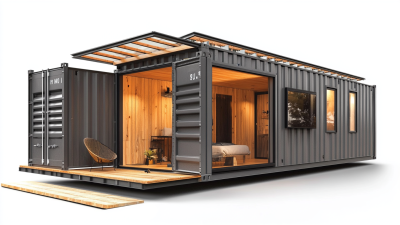
In recent years, the demand for prefab container homes has surged, with the global market projected to reach over $73 billion by 2027, according to a report by ResearchAndMarkets. Among these, the 20ft 2 bedroom prefab container home stands out as an ideal solution for those looking for a versatile and mobile living option. With its compact dimensions, this model offers a great balance between space efficiency and functionality.
One noteworthy alternative is the 40ft integrated cabin, which doubles the area of the 20ft model while requiring significantly less local construction work. Perfect for families or individuals seeking more space without the hassle of extensive permits, these cabins can be customized in length to fit your land's constraints. Recent studies indicate that consumers are increasingly favoring modular housing due to its quick assembly time and lower overall costs—key attributes that prefab homes deliver remarkably well.
Moreover, the flexibility in design allows potential homeowners to specify their needs, making it easier to obtain a tailor-made residence. Whether you're in a burgeoning urban environment or remote countryside, this modern solution can cater to various lifestyle needs. For those interested in exploring a range of options, including larger formats, reaching out to sales professionals can pave the way for finding the perfect modular home that aligns with your vision.
: Prebuilt homes, also known as modular or manufactured homes, are homes that are constructed off-site in controlled environments and then assembled on-site. They are designed to be more affordable and efficient compared to traditional home building.
Prebuilt homes can range from $50,000 to $150,000, significantly lower than the average cost of building a traditional single-family home, which has surged to over $300,000.
Modular construction can reduce build time by up to 50%, helping to address urgent housing shortages. This efficiency lowers costs and expedites the delivery of homes.
Digital innovations enhance efficiency and sustainability by integrating technology into construction processes. This includes manufacturing prefabricated components in controlled environments, reducing waste and improving quality.
Developers must navigate varying regulations such as building codes, zoning laws, and environmental standards that differ by state and country. Understanding these requirements is essential to avoid delays and ensure compliance.
Nearly 70% of homebuyers prefer homes built with sustainable materials, driven by a growing eco-consciousness among consumers. Developers must thus consider certifications like LEED or Energy Star to enhance marketability.
The modular housing industry is projected to reach a market value of $120 billion by 2026, indicating significant growth potential in the affordable housing sector.
Engaging with professionals experienced in international regulations can help streamline the import process, ensuring that prebuilt homes comply with legal requirements and meet buyer expectations.