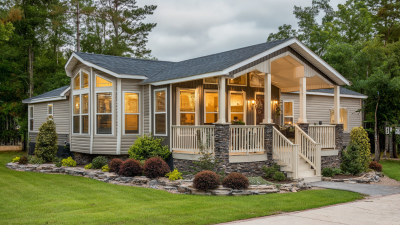
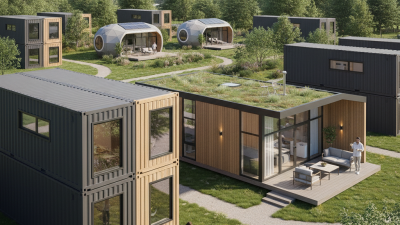
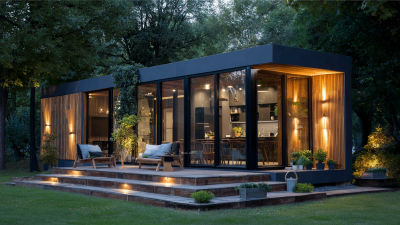
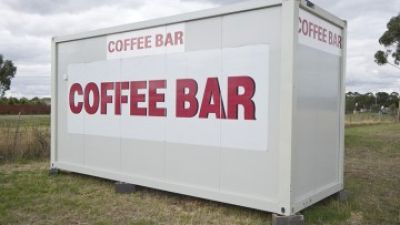
Lately, it seems like the housing scene is really shifting. You know, there's a big move toward more innovative living options, especially with what's called Fabricated Homes gaining popularity. Looking ahead to around 2025, data shows that the market for these homes is actually expected to grow quite a lot — like, about 10% annually between 2023 and 2028, at least according to the latest report from the Housing Industry Association. The main reasons? People are seriously looking for affordable places to live, plus there’s a growing interest in eco-friendly building techniques. All that’s making fabricated homes an increasingly attractive choice for lots of folks thinking about their future homes.
These homes come with a bunch of perks, honestly. They can be built faster and cheaper, tend to use less energy, and are generally better for the environment than traditional homes. The National Association of Home Builders also points out that fabricated homes produce way less waste during construction, which is pretty awesome from a sustainability standpoint. But, of course, anyone interested in these homes should really consider what they personally need, their style preferences, and the rules in their community before jumping in. Knowing the key features—and the possible hurdles—will definitely help folks make smarter decisions as this market keeps evolving.
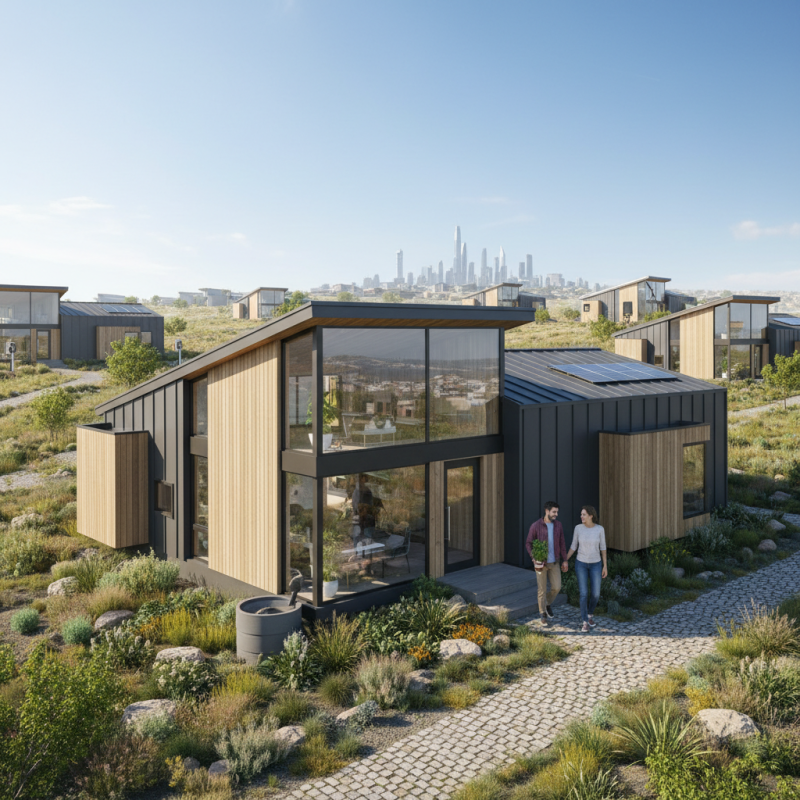
Understanding Fabricated Homes: An Overview for 2025 Buyers
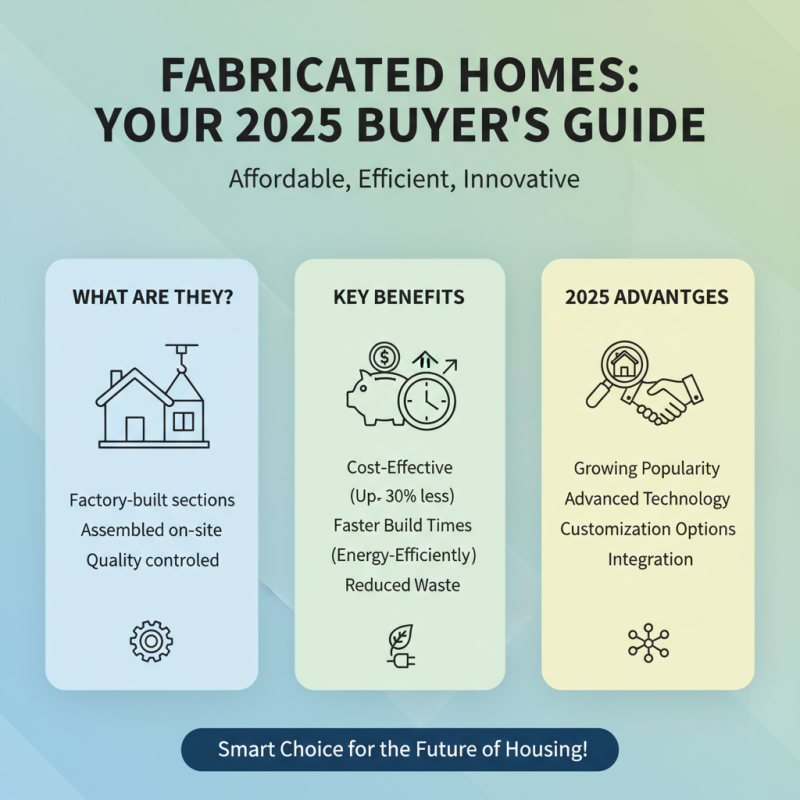
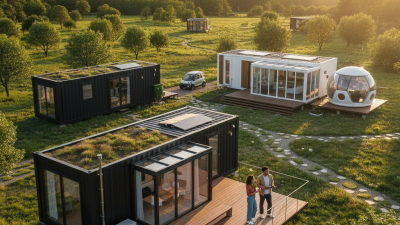
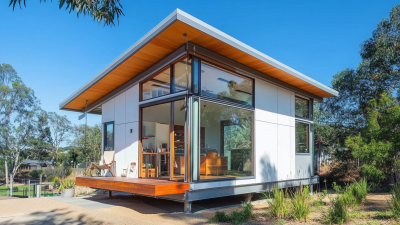
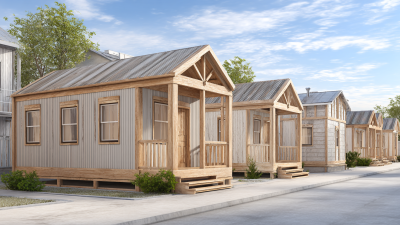
Understanding fabricated homes is essential for prospective buyers in 2025, as this innovative housing option continues to gain popularity due to its affordability and efficiency. Fabricated homes, often referred to as modular or Manufactured Homes, are built in controlled factory environments and then transported to the designated site. This construction method allows for reduced waste and shorter build times compared to traditional on-site construction, making it an attractive choice for many buyers.
In addition to their economical benefits, fabricated homes offer a wide range of customization options. Buyers can select various layouts, designs, and features that cater to their specific needs and lifestyles, from energy-efficient systems to smart home technology. As sustainability becomes increasingly important, many fabricated homes are designed with eco-friendly materials and practices in mind, helping homeowners reduce their carbon footprint while enjoying modern living standards. Understanding these aspects can empower buyers to make informed decisions and find a home that truly fits their vision.
Key Factors to Consider When Choosing Fabricated Homes
When considering the best fabricated homes for your needs in 2025, it is essential to evaluate several key factors that can significantly influence your decision. One of the most important aspects is the quality of materials used in the construction. Look for homes built with durable, environmentally-friendly materials that offer both longevity and energy efficiency. Additionally, inspecting the building standards and certifications can provide a good indication of the home’s overall quality and safety.
Another critical factor to consider is customization options. Many fabricated homes offer various design layouts, allowing you to tailor the space to meet your specific lifestyle and family needs. Whether you require a home office, additional bedrooms, or an open-concept living space, being able to choose the configuration that suits you best is vital. Furthermore, evaluating the manufacturer’s reputation for customer service and post-purchase support can provide peace of mind, ensuring that assistance is available if issues arise after your home is assembled.
How to Choose the Best Fabricated Homes for Your Needs in 2025 - Key Factors to Consider When Choosing Fabricated Homes
| Feature | Importance | Considerations | Typical Cost (USD) |
| Size and Layout | High | Assess family needs and space requirements | $80,000 - $150,000 |
| Quality of Materials | Very High | Look for certifications and building codes | $60,000 - $100,000 |
| Energy Efficiency | High | Check for Energy Star ratings and insulation | $5,000 - $15,000 |
| Customization Options | Medium | Evaluate design choices and build flexibility | $10,000 - $30,000 |
| Construction Time | Medium | Inquire about timeframe and completion dates | N/A |
Comparing Different Types of Fabricated Homes Available in 2025
As we move into 2025, the market for fabricated homes continues to expand, offering various options tailored to a range of needs and preferences. When comparing different types of fabricated homes, it's essential to consider both their construction methods and energy efficiency ratings. According to the latest report from the U.S. Department of Housing and Urban Development, manufactured homes have witnessed a significant rise in popularity, accounting for nearly 10% of all new home sales in the U.S. in 2024. This trend indicates a growing acceptance of these homes as a viable alternative to traditional housing, highlighting their affordability and rapid construction timelines.
Another crucial aspect to compare is the sustainability features of these homes. Modular Homes, which are constructed in sections off-site and assembled on location, can offer superior energy efficiency. A study by the National Association of Home Builders found that modular homes typically achieve a 30% higher energy efficiency than their site-built counterparts, largely due to their enhanced insulation and construction precision. As buyers increasingly prioritize eco-friendliness, opting for fabricated homes that promise lower energy consumption could be a wise choice for those looking to minimize their carbon footprint alongside their living expenses.
Comparative Analysis of Fabricated Homes Types in 2025
Evaluating the Cost vs. Benefits of Fabricated Homes
When evaluating the cost vs. benefits of fabricated homes in 2025, potential buyers should consider both the financial implications and the long-term value these homes provide. According to a report by the National Association of Home Builders, fabricated homes can reduce construction costs by an estimated 20-30% compared to traditional site-built homes due to faster assembly and reduced labor needs. This significant cost saving can make fabricated homes an attractive option for first-time buyers or those on a budget.
However, the initial savings must be weighed against potential drawbacks. A report from the U.S. Department of Housing and Urban Development indicates that while fabricated homes offer affordability, they may require additional expenditure on land, site preparation, and utility connections. Furthermore, the resale value can vary significantly; fabricated homes appreciate at a slower rate than traditional homes, depending on the location and market trends. Buyers should also consider the quality of construction and materials used, as these factors can affect both short-term satisfaction and long-term investment returns. Balancing upfront savings with potential long-term appreciation and ongoing costs will be crucial in making an informed decision on whether a fabricated home meets individual needs in 2025.
Sustainability in Fabricated Homes: What to Look For
When selecting fabricated homes, prioritizing sustainability is essential in meeting modern living standards and ecological responsibility. The materials used in the construction process should be recyclable, non-toxic, and sourced from renewable resources. Look for homes built with sustainable materials such as bamboo, reclaimed wood, or recycled steel. These options not only reduce the environmental footprint but also promote a healthier indoor atmosphere, ensuring a safe living space for occupants.
Additionally, energy efficiency plays a crucial role in sustainable fabricated homes. Evaluate the insulation quality and the energy performance of windows and doors to minimize energy loss. Opt for designs that incorporate renewable energy solutions, such as solar panels or energy-efficient appliances, which can significantly lower utility costs in the long run. Furthermore, consider water-saving technologies such as rainwater harvesting systems and low-flow fixtures, which contribute to overall sustainability while enhancing the home’s resilience against future environmental challenges. This comprehensive approach will help you choose a fabricated home that aligns with your values and meets your needs in 2025 and beyond.
Customization Options for Fabricated Homes in 2025
When considering a fabricated home in 2025, customization options play a crucial role in making your living space truly reflect your personality and lifestyle. One of the primary advantages of fabricated homes is the flexibility they offer in design and layout. Homeowners can choose from a variety of floor plans, sizes, and configurations that suit their specific needs. This includes selecting the number of rooms, their dimensions, and the overall flow of the living space, ensuring that every corner of the home is utilized effectively.
Additionally, personalization extends to finishes, materials, and energy-efficient features. In 2025, more manufacturers provide options for sustainable materials that not only look great but also have a minimal environmental impact. Homeowners can select from a range of exterior finishes, roofing options, and interior designs that incorporate modern aesthetics or classic charm. Furthermore, advancements in smart home technology enable buyers to integrate personalized tech features, such as automated lighting systems and advanced climate control, enhancing comfort and convenience. Ultimately, the ability to customize a fabricated home empowers individuals to create a space that perfectly suits their needs and aspirations.
Navigating Regulations and Permits for Fabricated Homes
When considering the purchase of a fabricated home, understanding the regulatory landscape is essential. In 2025, many jurisdictions have tightened their building codes and zoning laws, which can significantly impact your plans. According to a report by the American Institute of Architects, approximately 30% of new home builds in 2025 will require additional permits due to increased regulations aimed at sustainable building practices. Therefore, prospective homeowners must familiarize themselves with local regulations to ensure compliance and smooth progress.
Tip: Always check with your local building department early in the process to obtain accurate information on necessary permits. This proactive approach can save you time and avoid potential legal issues.
Additionally, the permitting process for fabricated homes can vary widely from one location to another. Some regions enforce stringent requirements related to environmental impact assessments or energy efficiency ratings, while others may have more lenient standards. The National Association of Home Builders reports that delays in obtaining permits can extend project timelines by 20-30%. Understanding your area's specific regulations and expected timelines can help you plan better and budget more accurately for your new home.
Tip: Consider consulting with a local expert or attorney specializing in real estate to navigate the complexities of home regulations effectively. Their insights can provide valuable guidance, ensuring you meet all requirements and deadlines.
Innovative Living: Exploring the Benefits of 20ft 2-Bedroom Prefab Container Houses in Modern Mobile Homes
The concept of innovative living continues to gain traction, particularly with the rise of prefab container houses, which offer a unique solution to modern housing needs. Specifically, the 20ft 2-bedroom prefab container houses have emerged as a popular choice for those seeking a balance between space and convenience. According to industry reports, the demand for affordable housing is projected to increase by 30% over the next decade, making these types of homes increasingly relevant.
One of the standout features of the 20ft models is their ability to provide a compact yet functional living space, ideal for individuals and small families. However, for those looking for even more room without compromising on ease of setup, the 40ft integrated cabin presents an attractive alternative. This model doubles the space of the 20ft version while requiring significantly less local work, allowing homeowners to settle in quickly. The flexibility in cabin length also caters to various land sizes, creating a customizable solution that meets the specific needs of buyers.
Furthermore, prefab container houses are not only economical but also environmentally friendly. Studies indicate that construction using recycled materials can reduce waste by up to 90%, positioning these homes as a sustainable choice amid growing environmental concerns. As more individuals explore the benefits of modular living, options like the 40ft integrated cabin open doors to innovative housing solutions that align with contemporary lifestyles, making home ownership more accessible and practical.
FAQS
: Fabricated homes can reduce construction costs by 20-30% due to faster assembly and reduced labor needs, making them an attractive option for budget-conscious buyers.
Buyers may incur additional expenses for land acquisition, site preparation, and utility connections, which can impact the overall financial picture.
Fabricated homes typically appreciate at a slower rate than traditional homes, with resale value being influenced by location and market trends.
Many jurisdictions have tightened building codes and zoning laws, which can affect the permitting process and potentially delay construction.
Approximately 30% of new home builds will require additional permits due to stricter regulations aimed at sustainable building practices.
It's advisable to check with the local building department early in the process to obtain accurate information on necessary permits.
Delays can occur due to stringent requirements related to environmental impact assessments or energy efficiency ratings, extending project timelines by 20-30%.
Consulting with a local expert or attorney specializing in real estate can provide valuable guidance on navigating complex regulations, ensuring all requirements and deadlines are met.
The quality of construction and materials used are critical factors that affect both short-term satisfaction and long-term appreciation.
Buyers should balance upfront savings with potential long-term appreciation and ongoing costs to make an informed decision.
Conclusion
In 2025, choosing the right fabricated homes requires a comprehensive understanding of their unique characteristics. Potential buyers should be aware of key factors such as lifestyle needs, available space, and personal preferences that can influence their decision. With various types of fabricated homes on the market, it’s essential to compare their features and costs to determine the best fit. Additionally, buyers should evaluate the sustainability options that contribute to eco-friendly living, ensuring that their choice aligns with modern environmental standards.
Customization plays a significant role in selecting fabricated homes, allowing buyers to tailor designs according to their tastes and requirements. Furthermore, understanding the regulations and permits required for placement and construction is crucial to a smooth buying process. By considering these aspects, buyers can make informed decisions that meet their needs and contribute to a sustainable future.