Inquiry
Form loading...
There is a rise in the sales of mobile homes all over the world over the past years. This type of housing is sought by buyers to allow free movement and cost effectiveness. For once, as a trusted name in the industry, Nantong HuaxiA Mobile Homes Co., Ltd. is giving mobile home constructions unequaled quality and value. All projects are optimized for the clients to enjoy the best comfortable and functional lifestyle as well as a product that meets the rigorous standards of quality assurance.
Most important is understanding the top ten reasons that are taking global buyers to invest in mobile homes since, without that, any company would want to invest in that interesting market space. Improving affordability and adaptability, Mobile Houses present numerous competitive advantages, thus making them increasingly attractive for many buyers. What part do these factors play in the decisions made by international buyers? That is what we are going to see in this blog. It would also tell how Nantong Huaxia Mobile Homes adopts its practices to these demands for better customer satisfaction and long-term success in this industry.
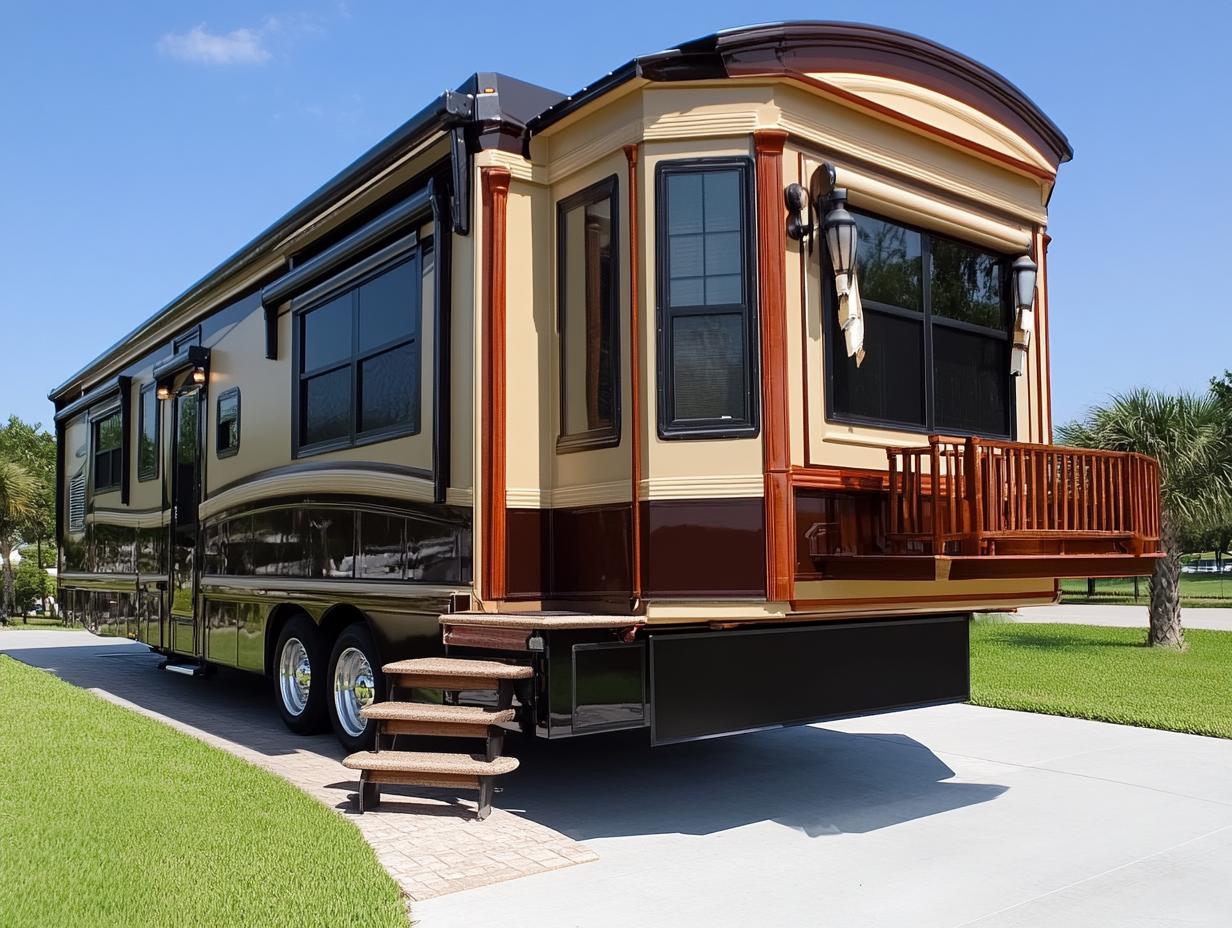
However, understanding mobile home quality assurance is important to users around the world because they want to consider it in terms of quality economies that make sense in terms of how they are pricing their investments into reliable housing. The quality assurance has to do in the sense within which most affordable houses are being built today, especially with this much higher interest in modular and mobile homes. Quality assurance requires inspection and standards for safety such that it would give confidence in the minds of the buyers as to whether the homes are built to last. More importantly, such information can only come through understanding the quality assurance in the globalized world marketplace where everything is trading products and services. It is like the customer who goes shopping with various suppliers; then, quality assurance would be a significant yardstick in knowing those companies that are good for what they sell. This assurance is also a factor to think about; otherwise, it's just compliance, obviously into innovation and customer satisfaction again in today's ultra-competitive world.

There is a requirement for definition and the certification process to propel the most extensive part of mobile home quality assurance-related issues for global buyers. It assures that a manufacturer is compliant with genuine internationally accepted standards, thereby ensuring trust and reliability. Consumers transacting mobile homes shall make transactions made easier and more informed when certified businesses can guarantee that the products are of high quality.
Furthermore, even now, the importance of those standards is multiplying, with the arrival of smart technologies for home applications. It is now all about the new security and smooth functionality that a client will now expect to be taken care of by quality assurance. This is where brands supply themselves with certification, making them visible in a crowded market and attracting consumers looking for peace of mind with their investments. Ultimately, such rigorous quality measures pave the way for a safer and enjoyable living experience.

Quality assurance has been an integral part of global buying decision making in mobile home manufacturing over time. More stringent quality control measures are being put in place by nearly all manufacturers, to ensure that there is a growing demand for mobile homes that are durable and attractive. In other words, every other customer would have an investor's life experience, which would only result in improving the thrust for future investment in the sector.
Verified suppliers of mobile homes are also important links in promoting trust among global buyers in the mobile home market. This award is exclusive, and it guarantees premium services rendered by such suppliers, and it becomes ever-important to those wishing to invest in a mobile home.
Unravelling the complexities of buying will thus be made easier for the buyer when such trends are understood and the importance placed on quality assurance.

Global buyers consider mobile homes their quality assurance in every circumstance. Thus it is an essential feature of quality assurance that the manufacture is strictly inspected so that the homes can safely withstand environmental conditions in comfort and stability. This will give buyers an assurance that the mobile homes will withstand various environmental conditions while providing long-lived comfort and stability.
Besides, some of the key considerations are high material quality. Good mobile homes will be made with materials whose reliability and strength will be reflected in good energy efficiency and low maintenance needs. Transparency in the supply chain is extremely important. This will assure the buyers of being aware of the origin of the materials they are using. Ethical sourcing and manufacturing processes heighten the confidence of buyers in their purchase decisions. Altogether these qualities are the significant contributors to marketability in mobile homes among global buyers.
For worldwide consumers, buying a mobile home may be one of the inclined purchases that raise a question about the quality assurance. Most of the times, buyers encounter similar quality issues, such as integrity of structure, inadequacies in insulation, and poor plumbing systems. All of these would consequence inconveniences in the final living experience along with expensive repairs in the future.
Further, the buyers should know that there are differences in modular construction and traditional housing. It has become evident that modular construction is an innovative perspective in today's scenario of housing affordability crisis, thus understanding the quality standards of these homes would become necessary. While there are benefits, it becomes necessary that all modular homes meet quality assurance vetting for buyer satisfaction. This information can make buyers more prudent in making their purchasing decisions and investing in homes that lastingly fulfill the needs and provide all comforts.
In recent times, mobile home investments have attracted a spike in global buyers that are increasingly interested in quality assurance. It is at this point, then, that the regulatory framework becomes vital to having standards set for mobile homes that specify quality and safety with respect to a myriad of living conditions. Thus, this framework plays a key role, especially in a market where trust is required since regulations will weed out the inferior products and suppliers from which buyers find confidence.
In addition, as demand for mobile homes continues to grow, global investors increasingly seek to comply with these quality standards. When buying stakes in manufacturers backed by quality assurances, investors assure involvement with producers committed to unparalleled compliance and safety. In the end, a well-drawn regulatory framework produces not only credible products but also confidence in the marketplace, making it imperative for any prospective buyer of mobile homes entrenched in this changing scenario.
Several vital factors should be considered by prospective buyers when assessing the quality assurance of mobile homes. First, checking for certifications and compliance with building codes provides reassurance as to the unit's construction standards. The buyers should specifically look for those homes accredited by recognized quality assurance programs that reflect safety and durability guidelines.
Moreover, it is just as important to have certain inspections in place to assess the physical condition of the mobile home. This assessment should include reviewing the structural integrity, plumbing systems, and electrical wiring. Whenever possible, it is advisable to engage with a professional inspector who can identify issues that might be potential debilitating factors in the long-term value and livability of the home. These steps empower the buyer to be able to make informed choices, thereby ensuring that the mobile home selected stands up to quality expectations.
The resale value of a mobile home hinges greatly on quality assurance. A mobile home that appears well-maintained and goes through a solid quality assurance process tells prospective buyers that it has been evaluated in detail against a host of standards. This perception of quality could seriously enhance the marketing and attractiveness of the home to potential buyers.
Quality assurance also has a role to play in the house's life and durability, particularly when it comes to the concerns that accompany mobile homes. Buyers would generally gravitate towards properties that promise them lesser maintenance issues in the future. Thus, good quality assurance will increase not only interest at the primary market but also the resale value overall, benefiting sellers in their desire to maximize returns.
The standards of quality assurance in mobile homes are becoming more relevant to the global buyers as the status of the housing market changes. The focus on affordability and sustainability is making it important for manufactured homes to be of satisfactory standards for that purpose. Modular solutions have a lot to offer countries that are in a housing crisis since these types of homes can be built cheaper and much more rapidly.
It is highly expected that advanced technology in ongoing developments of quality assurance will ultimately play a significant role in the future. Innovations like mobile applications that would assess the quality of materials used will lead to fast settlement and increase transparency with high-tech approaches. Such an approach encourages buyer trust and meets the increasing demand for sustainable housing. These initiatives, as they continue to grow in importance, are set to bring the new picture of house buying across the globe, putting quality assurance at the very center of the mobile home industry.
Introduction to Quality Assurance in Mobile Houses. Expectations of consumer have soared when it comes to mobile home quality assurance. In the world of global markets, a discerning buyer will search for cost, but much more for durability and reliability. Thus, the paradigm shift in consumer mindset calls for stringent quality assurance norms that will guarantee that every mobile home would have met defined safety and performance standards.
Adaptation to increased expectations will require a clear quality test plan and certification on the part of the companies. As people become knowledgeable about their purchases, they will ask for clear proof of quality and craftsmanship. That is crucial for brands operating in societies affected by global supply chains, where reputation is key. Quality assurance engenders consumer confidence, and thus brands will not only keep loyal customers, but also gain a wider consumer base from the rest of the world.
The regulatory framework is crucial as it sets standards ensuring mobile homes are safe, durable, and suitable for various living conditions, helping to build trust in the market.
It helps weed out subpar products and suppliers, providing buyers with peace of mind when purchasing mobile homes.
Investors can align themselves with manufacturers that prioritize compliance and safety, enhancing their confidence in the products they support.
Buyers should prioritize certifications and compliance with building codes, which indicate adherence to safety and durability standards.
Conducting thorough inspections of the mobile home, including structural integrity, plumbing systems, and electrical wiring, is essential.
Yes, engaging a professional inspector can help identify potential issues that could affect the home’s long-term value and livability.
Homes certified by recognized quality assurance programs reflect adherence to safety and durability guidelines, offering reassurance to buyers.
A strong regulatory framework enhances product trustworthiness, thereby boosting overall market confidence, which is essential for potential buyers.
Key factors include checking for certifications, compliance with building codes, and conducting thorough inspections.
Buyers should make informed decisions by evaluating certifications, conducting inspections, and considering the reputation of manufacturers.