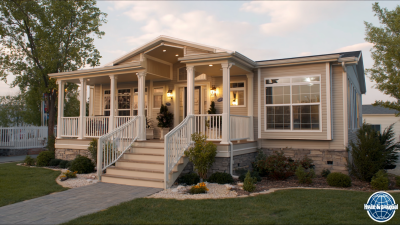
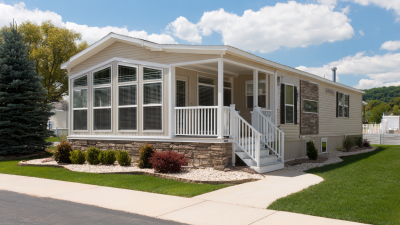
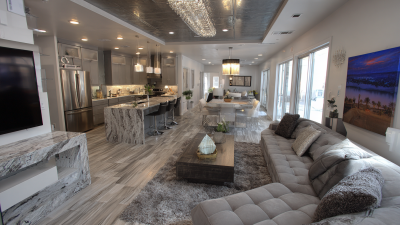
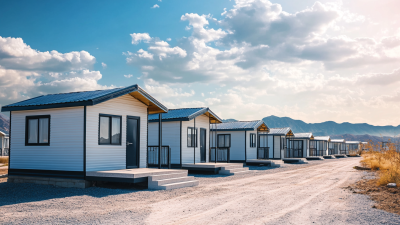
With property prices just climbing higher and higher, it's no wonder that more folks are looking into Manufactured Homes as a more affordable way to get into the housing game. Did you know that around 22 million Americans actually live in these kinds of homes? That's a pretty solid number and shows just how popular they’re becoming as a real option. They offer this great mix of saving money and having modern amenities — something that traditional houses might struggle to match. Whether you’re a first-time buyer, someone downsizing after retirement, or just someone looking for a flexible living situation, manufactured homes are catching on for good reason.
John Smith, who’s pretty much an authority on this stuff and works as VP of Operations at the National Association of Home Builders, put it nicely: 'Manufactured homes aren't just affordable; they really showcase how innovative and versatile modern housing can be.' Plus, with the ability to customize designs and enjoy quicker build times, these homes can be tailored to fit changing needs and lifestyles. They really open up some great options for folks trying to balance their budget with a sense of community and stability.
As the housing scene keeps shifting, manufactured homes are playing an important role in tackling the ongoing affordability crisis. Getting to know the perks and opportunities they bring to the table can help potential homeowners make smarter, more informed choices—helping them stay on a solid financial footing while also finding a cozy, sustainable place to call home.
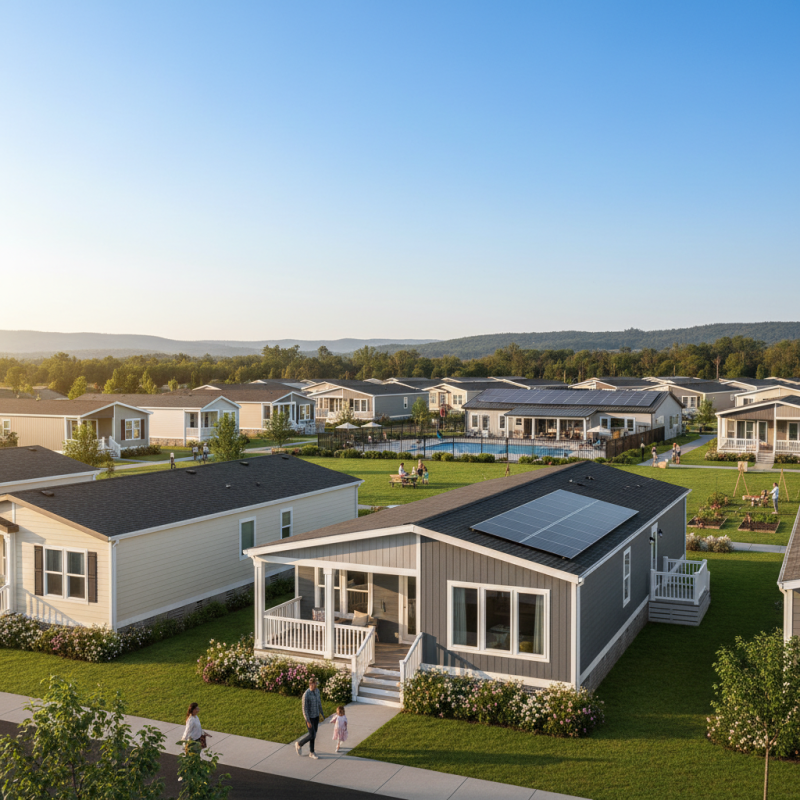
Benefits of Manufactured Homes in Affordable Living Solutions
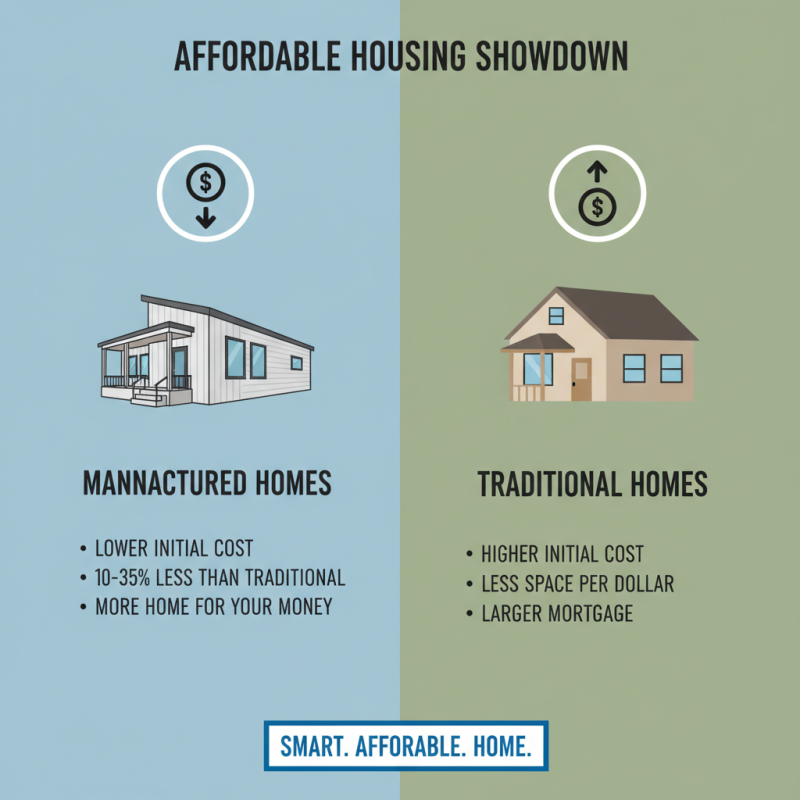
Manufactured homes have increasingly become a favored choice for those seeking affordable and flexible living solutions. According to the Manufactured Housing Institute, the average cost of a manufactured home is significantly lower than that of traditional site-built homes, often by 10 to 35%. This affordability allows more families and individuals to achieve homeownership, making it a viable option for those on a budget. Furthermore, the flexibility inherent in manufactured homes allows owners to opt for a wide range of layouts and designs, catering to diverse lifestyle needs.
One notable benefit of manufactured homes is their quicker construction time. Reports indicate that manufactured homes can be built and moved to a site in as little as six to eight weeks, compared to several months often required for traditional homes. This efficiency not only saves time but also reduces labor costs, contributing to overall affordability. Additionally, many manufactured homes are constructed with modern energy-efficient materials, which potentially lead to lower utility bills for homeowners—a significant factor in long-term cost savings.
Tips: When considering a manufactured home, it’s essential to research local zoning laws and community regulations, as these can affect where you can place your home. Additionally, investigate financing options that may be available specifically for manufactured homes, as they can vary significantly from traditional home loans. Don't forget to prioritize energy efficiency features, as they can save you money over time and increase your home's resale value.
Benefits of Manufactured Homes in Affordable Living Solutions
Overview of Manufactured Home Construction and Design
Manufactured homes are a popular choice for those seeking affordable and flexible living options due to their unique construction and design process. Unlike traditional homes, which are built on-site, manufactured homes are prefabricated in a factory and transported to their final location. This method not only reduces construction time but also minimizes labor costs, making these homes a more economical choice for many families. The modular approach allows for a variety of floor plans and layouts, catering to different lifestyle needs and preferences, whether it is a single-section or multi-section model.
The design of manufactured homes has evolved significantly, incorporating modern aesthetics and innovative layouts that appeal to today’s homeowners. Builders often use high-quality materials and energy-efficient systems that enhance the overall comfort and sustainability of the living space. Additionally, customization options allow buyers to select features such as kitchen configurations, bathroom upgrades, and exterior finishes, ensuring that their home reflects their personal style. This flexibility in both construction and design makes manufactured homes an attractive solution for those looking to own a home that suits their financial situation and lifestyle aspirations.
Why Choose a Manufactured Home for Affordable and Flexible Living Options - Overview of Manufactured Home Construction and Design
| Feature | Description | Average Cost ($) | Flexibility Options |
| Size Options | Available in various sizes, from single to triple width. | 30,000 - 100,000 | Customizable layouts and spacing. |
| Energy Efficiency | Manufactured homes are designed with energy saving features. | Annual savings up to 1,200 | Options for solar energy integration. |
| Construction Time | Typically built in a few months compared to traditional homes. | N/A | Quick setup and movement options. |
| Financing Options | Diverse financing choices for buyers, including loans specifically for manufactured homes. | 5,000 - 15,000 (down payment) | Flexible payment plans available. |
| Design Customization | Numerous designs and finishes available for personalization. | Varies by design ($5,000 - $20,000) | Tailored designs to meet individual needs. |
Flexibility in Size and Layout of Manufactured Homes
Manufactured homes have gained popularity due to their inherent flexibility in both size and layout, catering to the diverse needs of modern living. One of the most appealing aspects of these homes is their modular design, which allows for a variety of configurations. Whether you require a compact space for a small family or a more expansive layout for communal living, manufactured homes can be tailored to fit your unique lifestyle. This adaptability not only makes them suitable for different family sizes but also for varying personal preferences, ensuring that residents can enjoy a home that truly reflects their needs.
In addition to their versatile configurations, manufactured homes offer the opportunity for customization in interior layouts and features. Homeowners can choose from different floor plans, enabling them to maximize the use of space while maintaining comfort and style. From open-concept living areas to separate bedrooms or even dedicated office spaces, the layout can be adjusted to enhance functionality. Moreover, the wide selection of materials and finishes allows residents to infuse their personal tastes into the design of their homes, creating a welcoming environment tailored to their specific desires. This combination of flexibility and personalization makes manufactured homes an attractive option for those seeking affordable living without sacrificing comfort or style.
Cost Comparison: Manufactured Homes vs. Traditional Homes
When it comes to affordable housing, manufactured homes often present a compelling alternative to traditional homes. The cost comparison between these two options reveals significant savings, making manufactured homes an attractive choice for budget-conscious individuals or families. Typically, manufactured homes have a lower initial purchase price than traditional houses, often ranging anywhere from 10% to 35% less depending on the market. This affordability enables buyers to invest in larger spaces or desirable locations while keeping their mortgage manageable.
Moreover, the ongoing costs associated with manufactured homes can be more favorable. Maintenance expenses are generally lower due to the modern construction methods and materials used in their production. Additionally, insurance and property taxes tend to be more economical compared to traditional homes. Homebuyers can also benefit from energy-efficient models that reduce utility costs further. Overall, the combination of a lower purchase price and reduced ongoing costs makes manufactured homes a pragmatic choice for those seeking flexible and affordable living options without sacrificing quality or comfort.
Financing Options for Purchasing Manufactured Homes
Financing a manufactured home can be a straightforward process, providing potential homeowners with diverse options that cater to various financial situations. Many lenders offer specific loan programs designed for manufactured homes, which can often require lower down payments than site-built houses. This accessibility makes it easier for first-time buyers and those with limited resources to secure funding. Additionally, the option for personal loans or chattel loans can be beneficial, especially for homes located on leased land, allowing greater flexibility in how one structures their financing.
Moreover, many government-backed programs, such as those offered by the Federal Housing Administration (FHA), provide favorable financing terms for manufactured homes. These options may include lower interest rates and extended repayment periods, making monthly payments more manageable. Potential buyers should also consider the impact of their credit scores on financing terms, as a better score can lead to more advantageous rates. Exploring these financing avenues not only supports budget-friendly living but also enhances the appeal of manufactured homes as practical investment choices in today’s real estate market.
Regulations and Zoning for Manufactured Home Communities
Manufactured homes offer an affordable alternative to traditional housing, but potential homeowners must navigate the regulations and zoning laws that govern manufactured home communities. These regulations vary widely depending on the location, often influenced by local government policies, community standards, and the overall demand for affordable housing. Understanding these guidelines is crucial, as they can dictate where you can place a manufactured home, the types of modifications allowed, and the essential services and amenities available within the community.
Zoning laws play a significant role in determining the feasibility of living in a manufactured home. Many areas have specific zones designated for manufactured housing, which may include restrictions on the size, design, and appearance of the homes. Moreover, local governments may enforce building codes that manufactured homes must meet to ensure safety and livability. Potential residents should thoroughly investigate these local ordinances and connect with community planners to gain insight into the specific requirements and opportunities available, ultimately helping them make informed decisions about their housing options. Understanding these factors ensures that homeowners enjoy not just affordable living, but also a fulfilling community experience.
Sustainability and Energy Efficiency in Manufactured Home Living
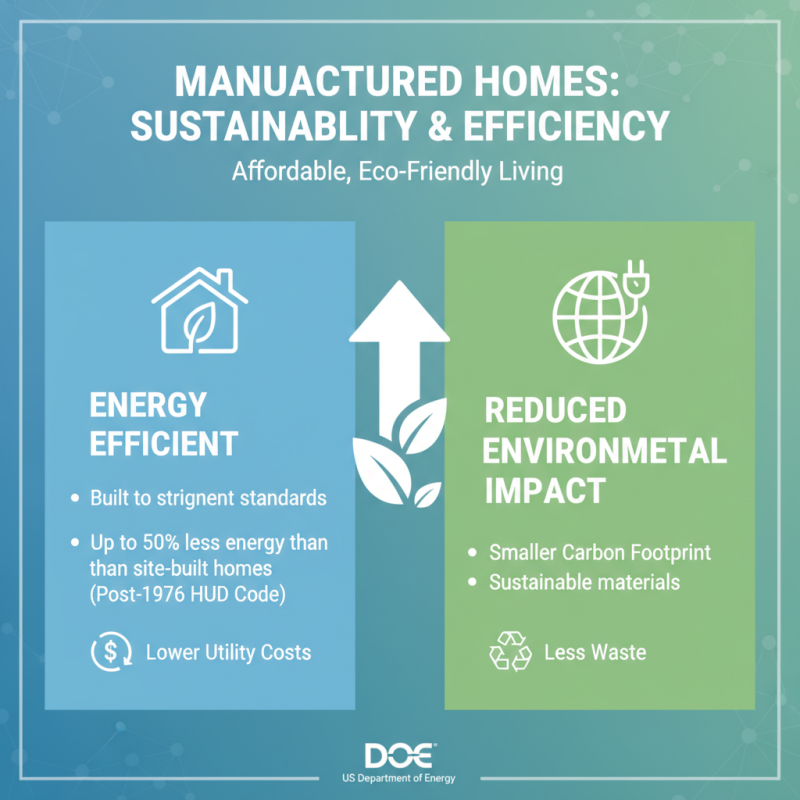
Manufactured homes are increasingly recognized for their sustainability and energy efficiency, presenting an attractive option for those seeking affordable living solutions. According to the U.S. Department of Energy, manufactured homes are typically built to meet stringent energy efficiency standards, resulting in lower utility costs and reduced environmental impact. For instance, homes constructed after the HUD Code was enacted in 1976 are designed to consume up to 50% less energy compared to traditional site-built homes, providing a significant advantage in both operational costs and carbon footprint reduction.
In addition to their inherent energy-efficient designs, many manufactured homes incorporate modern technologies such as advanced insulation, ENERGY STAR-rated appliances, and renewable energy options like solar panels. A report from the Manufactured Housing Institute highlights that these homes often achieve energy efficiency ratings that surpass those of standard housing. By opting for energy-efficient manufactured homes, residents can not only save money but also contribute to a more sustainable future. With the potential for reduced reliance on non-renewable energy sources, manufactured homes stand out as a practical choice for environmentally conscious living.
Transform Your Living Space: Discover the Benefits of X-type Quick Assembled Tiny House Container Homes
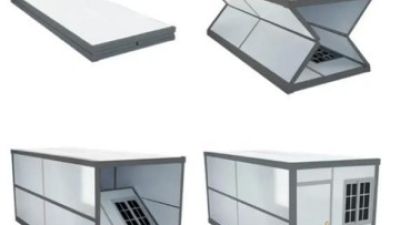
Transforming your living space with innovative housing solutions can lead to significant benefits, particularly when considering the unique advantages of X-type quick assembled tiny house Container Homes. These structures not only optimize space effectively, but they also cater to a growing demand for sustainable living. According to recent industry reports, the demand for compact living solutions has surged by over 30% in recent years, primarily driven by urbanization and a desire for eco-friendly alternatives.
In this context, it's crucial to ensure that such developments are inclusive for all individuals, including those with mobility challenges. High-quality portable restrooms have emerged as a critical component for enhancing accessibility in urban environments. Thoughtfully designed restroom units with spacious interiors and essential amenities ensure convenience for everyone, making them essential for events and public facilities. Studies indicate that events equipped with handicap-accessible amenities attract a larger audience, demonstrating the economic benefit of prioritizing inclusivity.
Moreover, the integration of durable, easy-to-clean materials in these restroom designs contributes to a hygienic and safe environment. The commitment to accessibility not only meets legal standards but also enhances community engagement. As societies evolve towards more inclusive practices, the embrace of innovative solutions in living spaces and facilities will shape our environments positively, making them welcoming for all residents and visitors alike.
FAQS
: Manufactured homes offer flexibility in size and layout, allowing for a variety of configurations that cater to different family sizes and personal preferences. They can be tailored to fit unique lifestyles, whether for compact living or more expansive communal settings.
Yes, homeowners can choose from different floor plans and customize interior layouts and features. This enables them to maximize space while ensuring comfort and style, with options for open-concept living areas, separate bedrooms, or dedicated office spaces.
The wide selection of materials and finishes allows residents to personalize the design of their homes, infusing their tastes into the environment and creating a welcoming space that reflects their specific desires.
Prospective homeowners need to understand the local regulations and zoning laws that dictate where manufactured homes can be placed, the types of modifications allowed, and the amenities available within the community.
Zoning laws determine the feasibility of living in manufactured homes by specifying designated areas for such housing, along with restrictions on size, design, and appearance, ensuring compliance with local standards.
Investigating local ordinances is crucial as they can influence safety, livability, and community experience. Understanding these guidelines helps potential residents make informed decisions about their housing options.
Yes, manufactured homes are regarded as an affordable alternative to traditional housing, providing an economical solution without sacrificing comfort or style.
Community planners can provide insight into specific requirements and opportunities related to manufactured home living, assisting potential residents in navigating local regulations effectively.
Personalized layouts can enhance functionality by allowing homeowners to design spaces that cater to their specific needs, whether that involves creating more open areas or adding specialized rooms for work or leisure.
Conclusion
Manufactured homes offer an affordable and flexible living solution that appeals to a wide range of individuals and families. These homes are constructed in a factory setting, ensuring quality and efficiency, while also providing a variety of design and layout options to meet diverse needs. The cost comparison between manufactured homes and traditional homes highlights significant savings, making them an attractive choice for budget-conscious buyers.
Furthermore, financing options are increasingly accessible for those looking to purchase a manufactured home, with various programs available to ease the financial burden. It’s important to consider the regulations and zoning laws that govern manufactured home communities, as they can vary widely. Additionally, many manufactured homes are designed with sustainability and energy efficiency in mind, addressing modern concerns about environmental impact and utility costs. Overall, manufactured homes represent a viable alternative for those seeking an affordable and adaptable housing option.