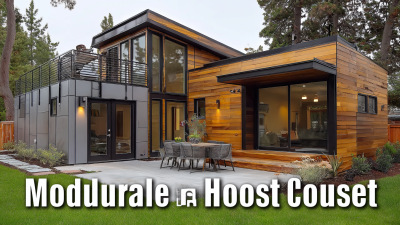
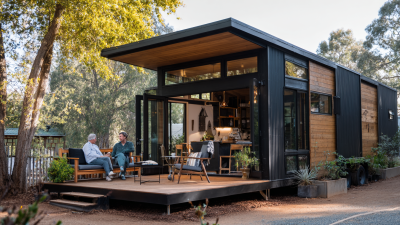
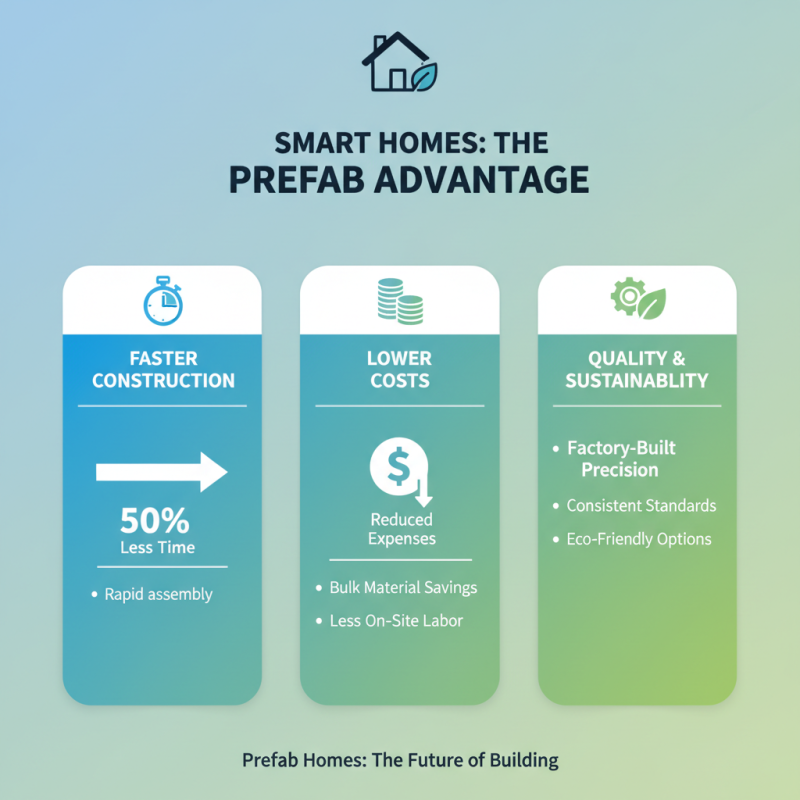
Prefab Homes are really changing the game when it comes to modern building. Experts like Mike McGee from Innovative Prefab Solutions often point out that, ‘Prefab homes can cut down construction time quite a bit,’ which is definitely a big selling point. A lot of homeowners are pretty drawn to that quick turnaround, I mean, who doesn’t want to move in faster, right?
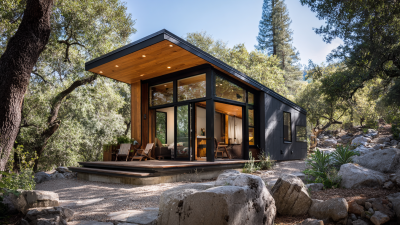
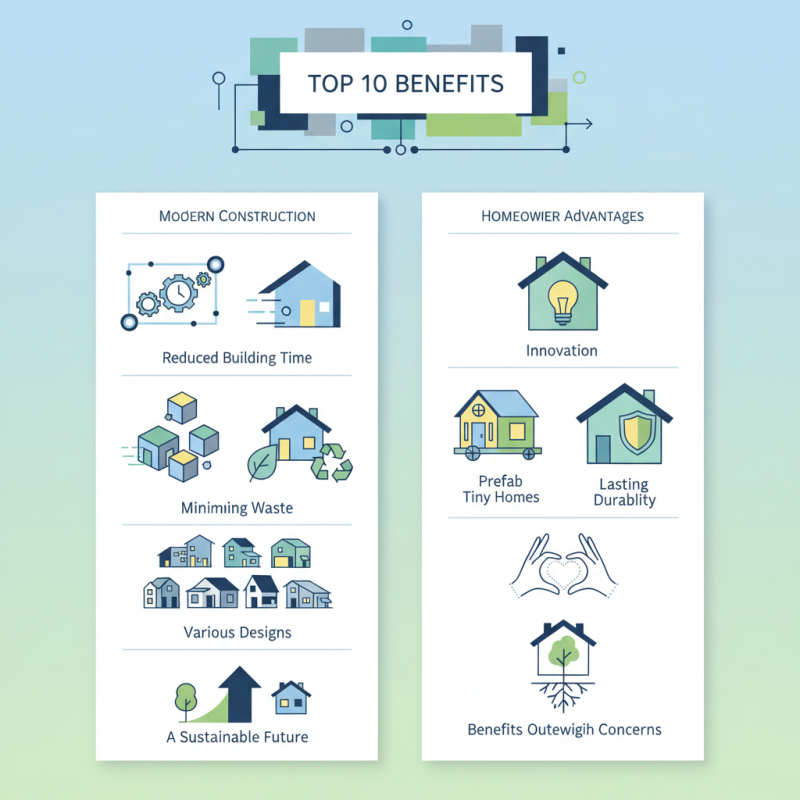
Picture a home that wastes less material but doesn’t skimp on style — that’s what prefab homes can do. They've got all kinds of designs to match different tastes and needs. For example, Prefab Tiny Homes are a great choice if you’re into a cozy, compact setup without losing comfort. But, of course, some folks wonder if these smaller homes can really stand the test of time compared to traditional builds.
It’s also worth thinking about the downsides. While prefab homes promise faster construction, not every option is top-notch quality. Sometimes, the designs may lack that personal touch you’d get when building a home yourself. Still, in most cases, the advantages kind of outweigh the potential issues. Jumping into prefab could honestly be a move toward more sustainable living in the future of housing — it’s pretty exciting if you ask me!
Advantages of Prefab Homes in Construction Efficiency
Prefab homes are gaining traction for their construction efficiency. According to a report by the National Association of Home Builders, prefab homes can reduce construction time by up to 30%. This rapid build time does not sacrifice quality. In fact, controlled factory environments minimize risks associated with weather delays and inconsistent labor.
Cost savings are another critical advantage. On average, prefab homes can reduce costs by 10-20%. This is largely due to streamlined production processes and bulk material purchasing. However, consider potential hidden costs in transportation and site preparation. Each project is unique, and unexpected expenses can arise.
Tip: Always conduct thorough research on local land requirements. Understanding zoning laws can prevent delays and fines.
The energy efficiency of prefab homes also stands out. They often feature advanced insulation and energy-efficient windows. This could lead to lower utility bills. A study by the U.S. Department of Energy reveals that energy-efficient homes consume up to 30% less energy.
Tip: Focus on eco-friendly materials during your selection process. It's not just good for the planet; it can also enhance resale value. Prefab homes offer a modern approach to construction. But, it's essential to weigh all aspects before committing.
Cost-Effectiveness: How Prefab Homes Save You Money
Prefab homes are increasingly viewed as a cost-effective option for new builds. They can significantly reduce construction time. This not only speeds up the process but also lowers labor costs. Prefabricated elements are built in factories, allowing for bulk purchasing of materials. This can lead to substantial savings.
Moreover, prefab homes often require less energy for heating and cooling. This efficiency translates into lower utility bills over time. Maintenance costs can also be lower because of high-quality materials used in their construction. However, it’s essential to balance savings with potential downsides. Not all prefab options are customizable, which may limit personal expression.
Investing in a prefab home can lead to financial benefits, but it’s crucial to conduct thorough research. There can be hidden costs associated with land preparation and delivery. Additionally, understanding zoning laws is essential before making a purchase. Choosing a prefab home may seem straightforward, but careful planning is necessary to avoid pitfalls.
Time-Saving Benefits of Prefabricated Home Building
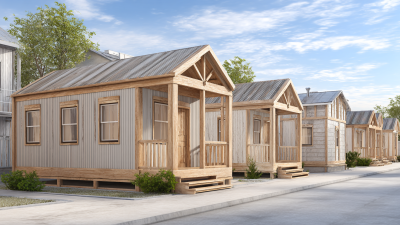
Prefab homes are revolutionizing the construction industry, particularly through their time-saving benefits. Building a traditional home can take months or even years. In contrast, Small Prefab Homes often get assembled in a matter of weeks. This speed not only reduces labor costs but also minimizes site disruption.
One key advantage is efficient planning and design. PreFabricated Homes are usually constructed in a controlled environment. This means fewer delays due to weather conditions. However, complications can still arise, such as miscalculations in measurements. It’s crucial to ensure precision, as any mistakes could lead to costly modifications later. Moreover, while the construction period shortens, the challenge of personalizing these designs remains. Finding a home that perfectly fits your needs may require additional research and adjustments.
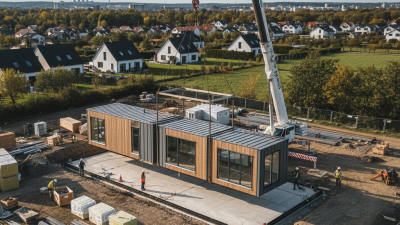
Another aspect to consider is the assembly process. Once the sections arrive at the building site, they need proper installation. This requires skilled workerswho can navigate the complexities of prefab structures. Even Small Prefab Homes demand careful attention during this phase. If not executed well, issues with insulation or foundation can emerge, resulting in future problems.Balancing speed and quality is essential for a successful project.
Sustainability Factors of Prefab Homes: Eco-Friendly Solutions
Prefab Homes are becoming a popular choice for eco-conscious builders. One key factor is their reduced environmental impact compared to traditional construction methods. According to a report by the Environmental Protection Agency, construction and demolition waste contributes to over 25% of landfill waste. Prefab homes significantly minimize this by using precision manufacturing processes, resulting in less waste.
Energy efficiency is another advantage of prefab homes. Reports show that they can save up to 60% more energy than site-built homes. This is largely due to improved insulation and airtight construction. An industry study highlighted that better insulation not only reduces heating and cooling costs but also lowers greenhouse gas emissions. A well-insulated prefab home can greatly enhance comfort and lower energy bills.
However, the process isn't without its challenges. Sourcing sustainable materials for prefab homes can be tricky. Not all manufacturers prioritize eco-friendly options, leading to a potential gap in sustainability. Buyers need to research and ask the right questions. It's essential to be aware of these issues in your construction choices to ensure that environmental benefits are realized.
Customized Design Options in Prefabricated Homes
Customized design options in prefabricated homes are revolutionizing the construction industry. Many homeowners appreciate the flexibility these homes offer. According to a recent survey, 75% of buyers prefer customizable features over standard models. This shift reflects a growing demand for personalization.
Modern Prefab Homes often allow buyers to select layouts and materials tailored to their preferences. This can include everything from floor plans to energy-efficient windows. A report by the National Association of Home Builders noted that 82% of homebuyers want energy-efficient options in new builds. This aligns well with prefab designs that prioritize sustainability.
However, the design process can be overwhelming. Many buyers struggle to balance their desires with budget constraints. It is essential to work closely with designers to avoid costly mistakes. Choosing the right combinations can be challenging. Clarity and communication are vital to ensuring satisfaction in the final product.
Quality Control in Factory-Built vs. On-Site Construction
Quality control is a critical factor in construction. Factory-built homes, including Contemporary Prefab Homes, often outperform on-site construction in several areas. A report by the National Association of Home Builders states that factory-built homes experience 30% fewer defects compared to traditional builds. This is mainly due to controlled environments where skilled workers consistently follow stringent quality standards.
In a factory setting, inspections are frequent and systematic. Every component is crafted to precise specifications. Yet, on-site construction relies heavily on weather conditions and varying labor skills. Even minor delays can lead to mistakes that compromise quality. A study indicated that construction errors during the on-site process can increase costs by up to 20%.
Despite these advantages, prefab construction isn’t without its challenges. Customization options might be limited compared to traditional builds. This can be a concern for homeowners seeking specific features. Additionally, logistics for transporting oversized modular sections can complicate the assembly process. Buyers must consider these factors carefully before making a choice. Balancing quality control with personal design preferences is essential in the modern building process.
Top 10 Benefits of Choosing Prefab Homes for Your Next Build
| Benefit | Prefab Homes | On-Site Construction |
| Quality Control | Consistent quality regulations in a factory setting | Subject to variability and external conditions |
| Construction Speed | Typically faster assembly | Longer due to site conditions |
| Cost Efficiency | Reduced labor costs and material waste | Higher labor and unplanned expenses |
| Environmental Impact | More sustainable building practices | Higher energy use on-site |
| Customizability | Easier to implement custom designs | Limited flexibility during construction |
| Safety | Safer work environment in controlled setting | Potential hazards from weather and equipment |
| Site Disruption | Minimal site disturbance | Factor in noise and local disturbances |
| Workforce Requirements | Lower skilled labor needed | Requires a larger skilled workforce |
| Time Savings | Reduced construction time frame | Extended timeline for completion |
| Future-Proofing | Easier to adapt to future needs | Often harder to modify once built |
Flexible Financing Options for Prefabricated Home Buyers
Flexible financing options are crucial for prefab home buyers today. Many lenders recognize the benefits of prefabricated homes. Reports indicate that these homes can lower construction costs by up to 20%. This factor makes them appealing to new buyers. Additionally, financial institutions are starting to offer tailored loans specifically for prefabricated constructions.
Many countries are seeing a shift in lending practices. A recent survey shows that nearly 30% of banks now provide specialized loans. These loans often require less upfront capital. Buyers can find options with lower interest rates. This adaptability in financing allows individuals to invest with confidence in their dream home.
Tip: Always compare multiple financing options. Don’t rush the decision. Each lender may present different terms. It’s wise to read the fine print thoroughly.
Another point to consider is your credit score. It plays a significant role in financing. Buyers with a higher score may access better rates. If your score is low, it could limit your choices. Take the time to improve your score before applying. This step can make a difference in your overall financing experience.
Conclusion
Prefab homes offer numerous advantages that make them an appealing choice for prospective homeowners. One of the primary benefits is construction efficiency; these homes are built off-site, which significantly speeds up the building process compared to traditional methods. Additionally, prefab homes are often more cost-effective, leading to substantial savings on both construction and energy costs over time. Their eco-friendly designs emphasize sustainability, catering to environmentally conscious buyers who seek greener alternatives.
Customization is another key advantage of prefab homes, allowing buyers to tailor designs to meet their individual preferences while still ensuring quality control through factory production standards. Furthermore, flexible financing options make it easier for potential homeowners to invest in prefab properties. Overall, the combination of efficiency, affordability, and customization makes prefab homes a compelling option for anyone considering a new build.