Inquiry
Form loading...
0%

As more and more people flock to cities, the need for affordable housing is hitting all-time highs — it's honestly quite a big deal right now. I read a report from the World Economic Forum that says by 2025, over 1.6 billion folks worldwide might not have proper shelter. Crazy, right? That’s what’s pushing the housing industry to get creative.
Why Premade Houses Are the Future of Affordable Housing Solutions

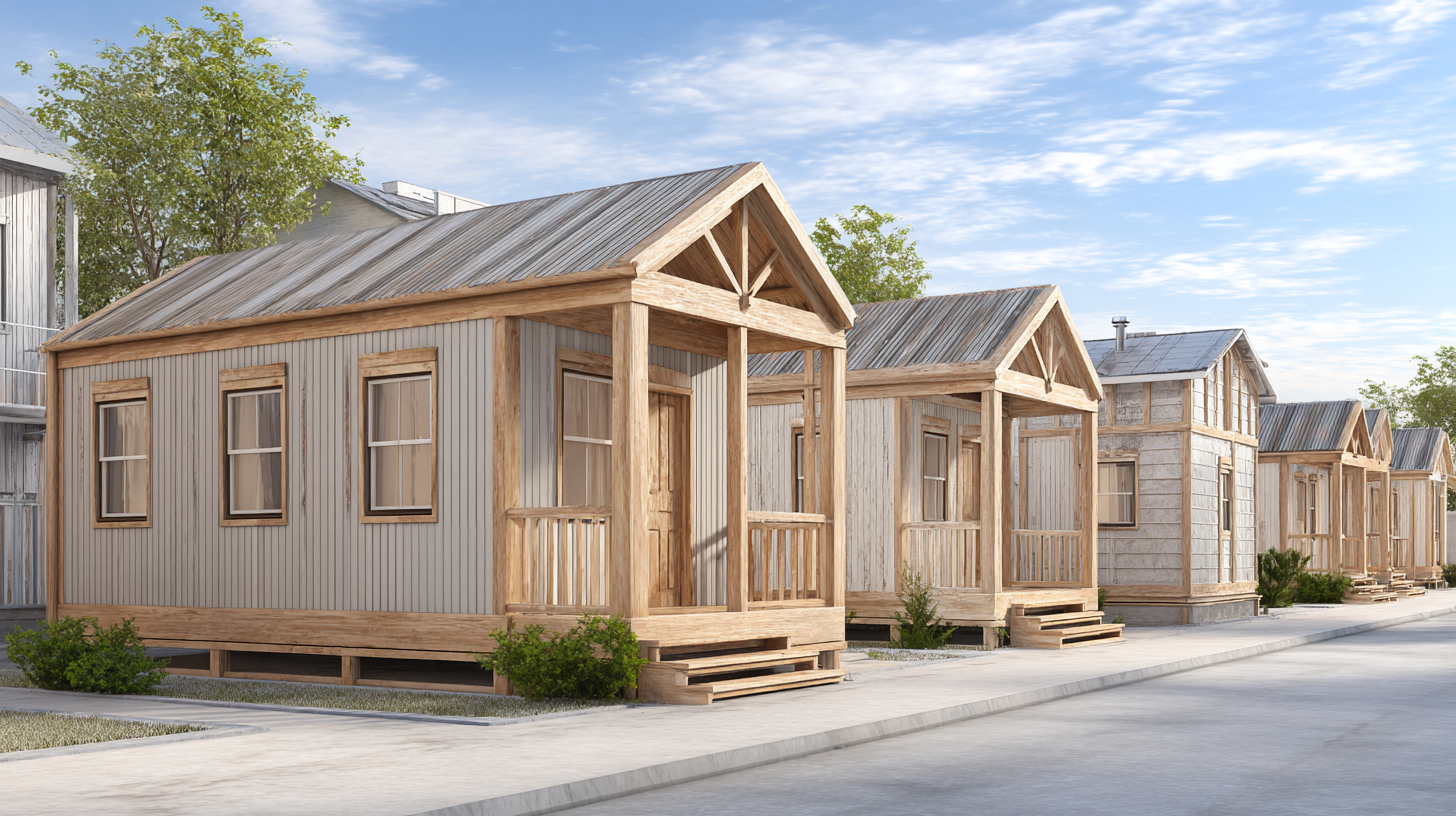
One of the pretty exciting solutions popping up is Premade Houses — homes built with smart design and quick construction in mind. They’re versatile, too — perfect for families, young workers on the move, or anyone really looking for a practical, cost-efficient place to live. Nantong Huasha Movable House Co., Ltd. has been leading the charge since 2005. They focus on Container Homes, expandable designs, and lightweight steel structures. They handle everything from choosing the right site, to designing, building, installing, and even offering tech support. It’s pretty cool how they’re helping shape the future of affordable housing, especially with these premade options that are changing the game.

The Rise of Prefabricated Housing in a Growing Urban Population

As more and more people move to cities, the need for affordable housing is becoming a real pressing issue. You know, the rise of prefabricated homes seems to be a pretty promising way to tackle this problem. I read somewhere that, according to McKinsey, the global construction industry is expected to face a shortfall of around 350 million housing units by 2025. Crazy, right? That’s why innovative solutions like prefab houses are more important than ever—they’re not just budget-friendly but also cut down construction time significantly. In fact, Modular Homes can be built about 30-50% faster than traditional ones, which is a game-changer.

And here’s the cool part—these prefab homes are also good for the environment. A study by the National Association of Home Builders mentioned that building off-site helps reduce waste by up to 20%. As urban areas struggle with land shortages and rising costs, these kinds of houses really stand out as a smart, sustainable option. They make better use of materials and resources, which is pretty awesome. Basically, this shift toward modular construction isn’t just about saving money; it's also a step toward creating city environments that are more resilient and better for the planet. All in all, it’s clear that these changes are really transforming the way we think about housing in growing cities, and honestly, it’s pretty exciting to see how things are evolving.

Why Premade Houses Are the Future of Affordable Housing Solutions

Dimension Description Value
Average Cost Cost of premade houses compared to traditional construction 20-50% cheaper
Construction Time Time taken to build premade houses 2-6 months
Waste Reduction Percentage of construction waste reduced with premade houses 50-90%
Urban Population Growth (2020-2030) Projected increase in urban population 1.2 billion
Energy Efficiency Energy savings compared to traditional homes 30-40%

Cost-Effectiveness: Analyzing Savings in Time and Labor for Premade Houses

These days, premade houses are really shaking up the affordable housing scene, mainly because they’re super cost-effective. I came across a report from the McKinsey Global Institute that said prefabricated building methods can cut down construction time by up to 30% compared to the traditional way, which is pretty awesome. That means folks can move in much sooner, and it also saves a ton on labor costs—sometimes by as much as 20%. Plus, the way these homes are built on assembly lines helps make the process smoother, avoiding delays caused by bad weather or material shortages that can stall regular construction projects.

On top of that, a study from the National Association of Home Builders mentions that prefab homes can save anywhere from 10 to 30 percent overall, mainly because they’re built efficiently and generate less waste. For instance, modular homes often need fewer onsite adjustments and can be fitted with advanced materials that work well in different climates—making them more energy-efficient and eco-friendly. As more builders and developers start to see the benefits, it’s clear that premade homes could really help tackle housing shortages and offer affordable options. Honestly, they’re shaping up to be a big part of future housing solutions!”

Cost-Effectiveness of Premade Houses Compared to Traditional Construction

This chart illustrates the significant cost advantage of premade houses compared to traditional construction methods, highlighting their potential as a future solution for affordable housing.

Sustainability Benefits: Energy Efficiency and Reduced Waste in Construction

Lately, it feels like more folks are leaning toward premade houses, and honestly, there are some pretty cool benefits when it comes to sustainability. For one, they’re way more energy-efficient—like, up to 20% better than traditional homes, according to a report from the Department of Energy. That’s thanks to some pretty fancy insulation and really good windows. Not only does this mean lower energy bills for the people living in these houses, but it also helps cut down carbon emissions, which is a win for everyone since it lines up with those bigger global sustainability goals we keep hearing about.

Why Premade Houses Are the Future of Affordable Housing Solutions

And get this—building these prefabricated homes creates a lot less waste compared to . The National Association of Home Builders says that off-site building methods can cut waste by as much as 90%. How? Well, the precision manufacturing and smarter use of materials mean there’s less leftover stuff ending up in landfills. So, it’s not just saving resources; it’s also making housing development a lot more eco-friendly. Honestly, it seems like a smart move—addressing the urgent need for affordable housing while still being kind to the planet. Doesn’t that sound like the kind of future we want to see?

Technological Innovations in Prefabrication and Their Impact on Housing Quality

You know, the rise of ready-made houses is really connected to some pretty cool tech breakthroughs in prefabrication, which have made housing better and better. These days, tools like computer-aided design (CAD) and 3D printing have totally changed the game — they make building a lot faster and more precise. So, instead of wasting materials, manufacturers can produce parts that fit together perfectly, resulting in homes that are stronger and last longer. It's pretty amazing how these innovations help boost quality while also cutting costs.

And it doesn’t stop there. The new wave of sustainable materials and energy-saving features is really changing what affordable housing can look like. Today’s prefabs can include advanced insulation, solar panels for clean energy, and smart home tech — all things that improve comfort and efficiency. What’s exciting is that even budget-friendly homes are now hitting high standards for livability and environmental impact. As these technologies keep evolving, it’s starting to look like a future where quality, affordability, and sustainability aren’t mutually exclusive — making premade houses a smart solution to the housing crunch we’re facing.

Why Premade Houses Are the Future of Affordable Housing Solutions

Government Incentives and Policies Supporting Prefabricated Housing Solutions

Lately, more and more folks are turning to prefabricated homes, and honestly, a big reason for that is because governments are really pushing for it. They've rolled out incentives and policies to help ease the so-called affordable housing crunch. If you've read that report from the McKinsey Global Institute, you’ll know that the construction world’s been under serious pressure—costs have jumped about 20% over the past ten years. So, naturally, lots of governments are stepping in with schemes like better financing options, tax breaks, and making zoning laws a lot simpler for prefab homes. For example, in the U.S., HUD has grants and low-interest loans for developers who focus on building modular homes—making these options a lot more reachable for families who aren't sitting on a lot of extra cash.

Quick tip: If you’re thinking about going prefab, definitely check out what local government programs might be available to help with financing or incentives. These can really cut down your costs and bring homeownership within reach.

And here’s some good news—according to the National Association of Home Builders, prefab houses can be built up to 30% faster than traditional ones. That speeds things up, cuts labor costs, and gets homes into the market quicker. It’s pretty cool because it helps address the rising demand for affordable housing while also supporting more sustainable building practices. Plus, more local governments are starting to include prefab homes as part of their housing plans, which means they’re becoming a bigger part of the solution to the housing shortage.

One more tip: Stay in the loop on any new laws or rules in your area that might make it even easier to build with prefab methods. That could open up some fresh opportunities, especially if you’re looking into affordable housing investments.

Innovative and Efficient Living Solutions: The Rise of High-Quality Flat Pack Storage Container Houses

As urbanization accelerates and environmental consciousness rises, innovative living solutions like high-quality flat pack storage container houses are gaining traction. These structures are perfect examples of eco-friendly modular building solutions that respond to the urgent need for versatile spaces. According to the Global Modular Construction Market report, the modular building sector is expected to reach USD 157 billion by 2025, highlighting the growing demand for efficient and sustainable living options.

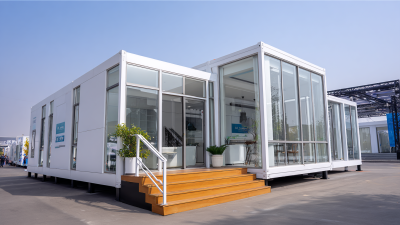
The flat pack container, measuring 5910mm x 2500mm x 2800mm, presents an impressive solution for both temporary and permanent applications. With a robust steel frame and insulated walls, these units ensure comfort and durability. The inclusion of UPVC sliding windows promotes natural light and ventilation, while a customizable electrical system caters to various user needs. The ease of assembly and transportation allows for quick deployment in diverse scenarios such as housing, site offices, and emergency shelters.

Furthermore, with key features like reusable components and cost-effectiveness, flat pack container houses are increasingly appealing. A report by the Modular Building Institute indicates that modular construction can reduce project timelines by 30-50%, making it a highly efficient choice. As the market continues to evolve, these innovative living solutions hold significant potential to reshape our approach to sustainable housing and resource utilization in today's fast-paced world.

FAQS

: What are prefabricated homes?

: Prefabricated homes, or modular homes, are constructed off-site in sections before being assembled on location, significantly reducing construction time compared to traditional building methods.

Why is there a growing demand for prefabricated housing?

The demand for prefabricated housing is driven by the increasing urban population and a projected housing shortfall of 350 million units by 2025, making affordable housing solutions urgent.

What are the benefits of prefabricated housing?

Prefabricated housing is cost-effective, built 30-50% faster than traditional homes, reduces material waste by up to 20%, and allows for more efficient resource use, addressing both affordability and sustainability.

How do technological innovations enhance prefabricated housing?

Technological advancements like computer-aided design (CAD) and 3D printing improve construction precision, reduce waste, and allow for stronger, durable homes with high-quality standards.

What role do government incentives play in promoting prefabricated housing?

Governments are implementing initiatives such as grants, low-interest loans, and zoning law changes to support the development of prefabricated homes, making them more accessible to low-income families.

How can prefabricated homes contribute to environmental sustainability?

Prefabricated homes can use sustainable materials, advanced insulation, renewable energy sources, and smart technologies, promoting eco-friendly living and reducing the overall environmental footprint.

Are there any financial assistance programs for prefabricated housing?

Yes, various local and federal programs offer financial assistance, such as grants and low-interest loans, to developers and homeowners interested in prefabricated housing options.

How fast can prefabricated homes be constructed compared to traditional homes?

Prefabricated homes can be constructed up to 30% faster than traditional homes, which helps to rapidly meet the demand for affordable housing.

What should potential buyers consider when looking into prefabricated housing?

Buyers should research local government programs for financial assistance, monitor relevant legislation, and consider the benefits of modern technologies in prefabricated housing solutions.

How does prefabricated housing support sustainable development goals?

By providing affordable, high-quality, and environmentally friendly housing options, prefabricated homes align with sustainable development goals aimed at promoting well-being and resilience in urban environments.

Conclusion

As more and more people flock to the cities, the need for affordable housing is becoming a real priority. That's where premade houses come into the picture — they're turning out to be a pretty practical option these days. These prefab homes can save a bunch of money, mainly because they cut down on the time and labor needed during construction. Plus, they're better for the environment too, thanks to energy-efficient designs and less waste—something that traditional building methods can’t always claim.

Thanks to new tech in manufacturing, the quality of these prefab homes keeps improving, so they’re totally up to modern standards. And it’s not just us thinking this way; governments are starting to offer incentives and policies to encourage folks to give prefab houses a shot. At Nantong Huasha Movable House Co., Ltd., we’ve been doing our thing since 2005, making all sorts of premade houses. We’re here to make the whole process smooth—from picking the perfect site, to designing, and finally, installing — all to meet the growing demand in our cities.
Nathaniel

Nathaniel

Nathaniel is a dedicated marketing professional at Nantong Huaxia Temporary Housing Co., Ltd. - Optimization Project, where he leverages his expertise to drive the company's outreach and engagement. With a profound understanding of the company's product offerings, he excels in articulating the......
Previous Mobile Home Quality Assurance Top Reasons for Global Buyers