Lately, there's been a real surge in how many folks are turning to modular homes. The Modular Building Institute even reported that the industry saw a whopping 57% growth between 2014 and 2020. It kinda shows that more people are looking for affordable housing options these days, you know? But here’s the thing — understanding what goes into the cost of a Modular House is super important if you're thinking about making a move.
Figuring out the real price tag isn’t always straightforward, though. Things like your design choices, how much work needs to be done on the site, and local rules can really impact the final cost. For example, site prep alone can sometimes be responsible for up to 20% of what you pay. So, it’s really crucial for buyers to look at every little detail. A lot of folks forget about those sneaky extras like utility hook-ups and permits, which can unexpectedly bump up the price beyond what they initially thought.
And don’t get me wrong — while modular homes are known for being quick and efficient, things don’t always go smoothly. Delays can happen for all sorts of reasons, like supply chain hiccups or bad weather. So, it’s not just about how much you pay upfront. You also want to think about quality, because skimping might end up costing a lot more down the line in repairs. Being well-informed is key, so your spending doesn’t just look good on paper but actually makes sense for what you’re getting in the end.
Understanding Modular House Pricing: Key Factors to Consider
When considering modular house pricing, several key factors come into play. The location influences costs significantly. Prices in urban areas often exceed those in rural settings. Additionally, local land prices can vary greatly. This variability adds complexity to your final budget.
Material quality is crucial. Higher-grade materials may boost initial costs but often provide better long-term value. Examine insulation options and structural integrity. Low-quality components may reduce upfront expenses but lead to higher maintenance costs later. Always weigh short-term savings against long-term investments.
Tips:Always get multiple quotes. It’s essential to compare. Not all Modular Home Builders offer the same pricing structure. Remember to factor in theTrailer House Cost for additional outside factors. Look for inclusive pricing that covers delivery, assembly, and anything else you may need.
Finally, remain flexible with your design plans. Modifications can lead to higher prices. Consider standard options that meet your basic needs. Customization is appealing, yet it can strain your budget. Evaluate what is essential versus what is merely desired.
Breaking Down the Components of Modular Home Costs
When considering modular house costs, understanding the key components is essential. The initial cost of the prefab house itself often includes materials like wood, steel, and insulation. These materials directly influence the overall durability and energy efficiency of the home. However, the design complexity can also play a significant role in determining costs. Simple designs typically cost less, while intricate styles can lead to higher expenses.
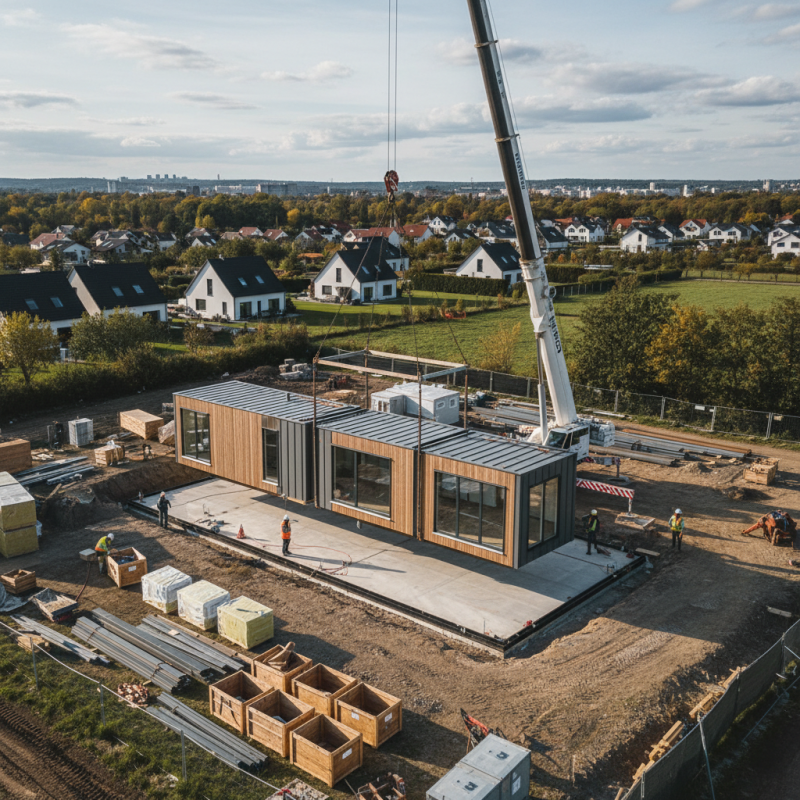
Site preparation is another crucial aspect. This includes land grading, foundation work, and utility setup. Often, buyers underestimate these costs, which can result in budget overruns. Transporting the modular sections to the site adds further expenses. It’s important to factor in local regulations, which may involve permits and inspections. These can slow the process and increase costs unexpectedly.
Finally, finishes and interior work should not be overlooked. Basic interior options can keep costs lower, but opting for higher-end materials can quickly elevate expenses. Reflect on personal choices and the overall budget. Being aware of every cost component ensures more accurate planning. By diligently assessing each aspect, future homeowners can avoid the pitfalls associated with Prefab House Cost.
Calculating Land and Site Preparation Expenses
When calculating modular house costs, land and site preparation are crucial. Knowing the land size helps. Larger plots often require more money. It's essential to research local land prices. Understanding zoning laws can save money and reduce headaches. Unforeseen fees may arise, leading to increased costs.
Site preparation needs attention too. Costs vary based on the terrain. Rocky soil may need grading, adding to expenses. Clearing vegetation is often necessary. The condition of the land can impact how much you spend. Surveying services may be required to establish boundaries. This can be an annoying step but is vital.
Labor costs can fluctuate based on location. Getting local quotes aids in budgeting accurately. Unexpected issues might surface during site work. Every delay can increase costs. Anticipating these common problems can lead to a smoother process. Being proactive in planning saves time and money. Consider all factors carefully before starting.
Modular House Cost Analysis: Land and Site Preparation Expenses
Estimating Construction and Assembly Costs
Estimating construction and assembly costs for a modular house can be tricky. Start by considering the basic materials needed. Wood, steel, and insulation contribute to your expenses. Prices vary in different regions. Shipping Container House Cost must also be factored in. Transport fees can add up quickly, depending on the distance.
Labor costs are often underestimated. Hiring skilled workers can save money in the long run. However, finding the right team can be a challenge. Some contractors may not have modular construction experience. Be cautious and do thorough research on potential teams.
Another aspect to consider is design complexity. A simple design can save you a significant amount of money. Custom designs, though appealing, often come with higher costs. Balancing aesthetics and budget is not easy, and mistakes can be costly. A thoughtful approach to estimating costs can lead to a successful modular home project.
Incorporating Utility Installation and Permitting Fees
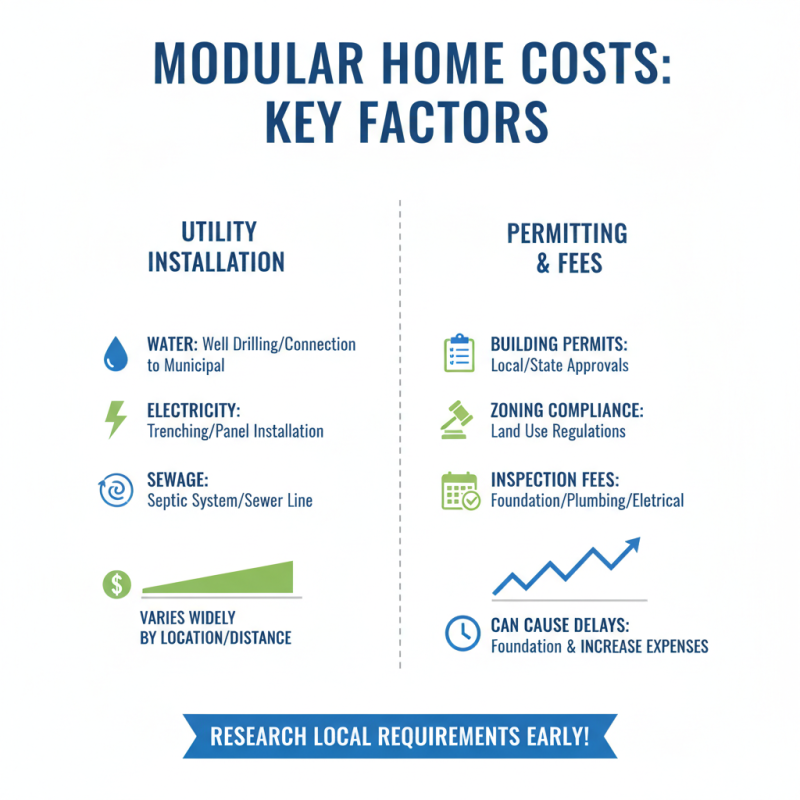
When calculating the cost of a modular house, utility installation and permitting fees play a key role. These costs can vary widely based on location and the specific requirements of your project. For instance, connecting to local utilities like water, electricity, and sewage can add significant expenses. Understanding the local zoning and permitting processes is crucial, as these can delay your project and increase costs.
You might find it helpful to break down the fees. Calculate costs for each utility separately. This will give you a clear picture of your budget. Some areas require soil testing, which can add to expenses. Research the specific charges in your local area, as they can fluctuate.
Tips: Always get multiple quotes for utility installation. This can help you identify the most cost-effective route. Moreover, don't overlook hidden fees like inspection charges or impact fees. You may face these unexpected costs later. Planning for them is wise. Regularly review your budget as you receive updates on permits and utility installations. Adjust as necessary to avoid overspending.
Analyzing Financing Options for Modular Homes
When considering modular homes, financing options become crucial. Traditional loans might be hard to secure for these unique structures. Lenders often have strict requirements. They might view modular homes as a higher risk. This can limit your choices significantly.
One alternative is to explore personal loans. These can provide flexibility but often come with higher interest rates. Another option is using a construction loan. This lets you borrow based on the project’s future value. However, they typically require a robust plan. Missing any details can derail your application.
Additionally, some buyers turn to government programs. These can assist with lower interest rates. Yet, eligibility may vary based on location and the home’s specifications. It's essential to research thoroughly. Some buyers discover that costs increase post-financing. Unforeseen expenses can surprise even the most prepared.
Therefore, a realistic budget is vital. Always review loans carefully. Mistakes can lead to financial strain later on.
Assessing Long-term Maintenance and Ownership Costs
When considering a modular house, one must evaluate long-term maintenance and ownership costs carefully. The initial investment may seem manageable. However, hidden expenses can accumulate over time. For instance, regular upkeep is essential. Paint and roofing need to be replaced, and plumbing may require unexpected repairs. Skipping these tasks could lead to larger issues and increased costs down the line.
Energy efficiency is another factor often overlooked. A Low Cost Container House might save money upfront but check the insulation quality. Poor insulation leads to higher energy bills. Additionally, consider local climate conditions. Harsh weather can affect materials, creating further maintenance challenges. You might need to rethink your budget based on these potential costs.
Landscaping and outdoor maintenance shouldn’t be ignored either. Hiring professionals can add up quickly. Do-it-yourself projects may save money but can be time-consuming and demanding. Reflecting on these aspects can offer better insight into the true ownership costs of your modular house in the long run.
How to Calculate Modular House Cost Effectively? - Assessing Long-term Maintenance and Ownership Costs
| Cost Component | Estimated Annual Cost ($) | Lifecycle (Years) | Total Lifecycle Cost ($) |
| Initial Purchase Price | 150,000 | 30 | 4,500,000 |
| Property Taxes | 1,500 | 30 | 45,000 |
| Insurance | 1,200 | 30 | 36,000 |
| Maintenance Costs | 2,000 | 30 | 60,000 |
| Utilities | 3,000 | 30 | 90,000 |
| Renovation Costs | 5,000 | 30 | 150,000 |
Modern Living Solutions: Exploring the Benefits of 20ft 2-Bedroom Prefab Container Homes in China
Modern living solutions are increasingly shifting towards more practical and efficient designs, with 20ft 2-bedroom prefab container homes emerging as a popular option in China. These compact dwellings offer a smart balance between space and functionality, catering to the needs of contemporary lifestyles. With their innovative design, they can accommodate families while significantly reducing construction time and labor costs compared to traditional homes.
One notable alternative to consider is the 40ft integrated cabin, which provides double the area of the 20ft model. This larger version not only enhances living space but also simplifies the setup process with minimal local work required. The flexibility of the cabin's length allows for customization, meaning it can be adjusted to fit your specific land dimensions. This adaptability makes it an ideal choice for those seeking a spacious yet manageable home solution.
These prefab homes represent a modern approach to housing, allowing individuals and families to settle into their new living spaces rapidly. Whether you are looking for a cozy retreat or a functional family home, prefab container homes deliver on both comfort and convenience, all while embracing a sustainable lifestyle.
FAQS
: Explore interests that excite you. Try different activities until something clicks.
Practice deep breathing and try meditation. Regular exercise helps too.
Break tasks into smaller steps. Use a timer to stay focused.
Goals provide direction and motivation. They help measure progress effectively.
Celebrate small victories. Surround yourself with supportive people who inspire you.
Change your environment. Take a walk or read to spark new ideas.
Embrace it as a learning opportunity. Reflect on what went wrong and adjust.
Set clear boundaries for work and home. Prioritize self-care activities.
Practice active listening. Engage in conversations and seek feedback.
Assess what you've learned. Consider how the change impacts your future decisions.
Conclusion
Calculating Modular House Cost effectively requires a comprehensive understanding of various factors that contribute to the overall pricing. Key elements include the base price of the modular home, which is significantly influenced by design choices, materials used, and local market trends. Additionally, breaking down costs related to land acquisition and site preparation is crucial, as these can vary based on location and the specific characteristics of the site.
Estimating the expenses associated with construction and assembly, utility installation, and necessary permitting fees is vital for accurate budgeting. Moreover, considering financing options can help manage the initial investment, while assessing long-term maintenance and ownership costs ensures a full understanding of the financial commitment involved in a modular home. By thoroughly analyzing these components, prospective homeowners can make informed decisions regarding their modular house cost.