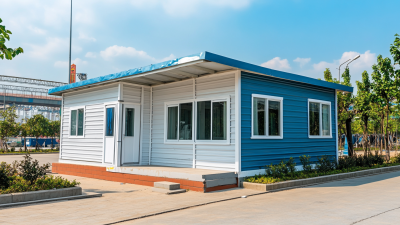
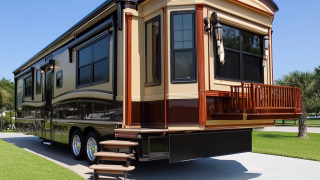
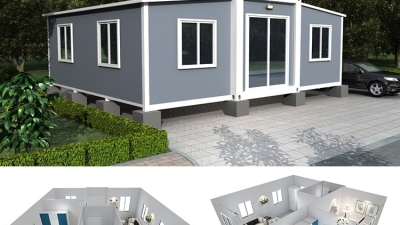
Hey there! So, with modular housing really taking off, a lot of folks looking to buy a home are curious about what actually affects Modular House Costs. There’s this report from IBISWorld that breaks it down, showing the modular home construction industry has been growing by about 7.5% each year over the last five years. That’s pretty impressive, right? It really highlights how people are leaning towards more affordable and efficient housing options these days. Now, let’s talk about Nantong Huasha Movable House Co., Ltd.They’ve been around since 2005 and are doing some cool stuff in this field. They make all sorts of innovative housing types, like Container Houses and expandable homes, plus lightweight steel structures. They take a really hands-on approach, covering everything from picking the right site to design, production, installation, and even giving technical guidance.
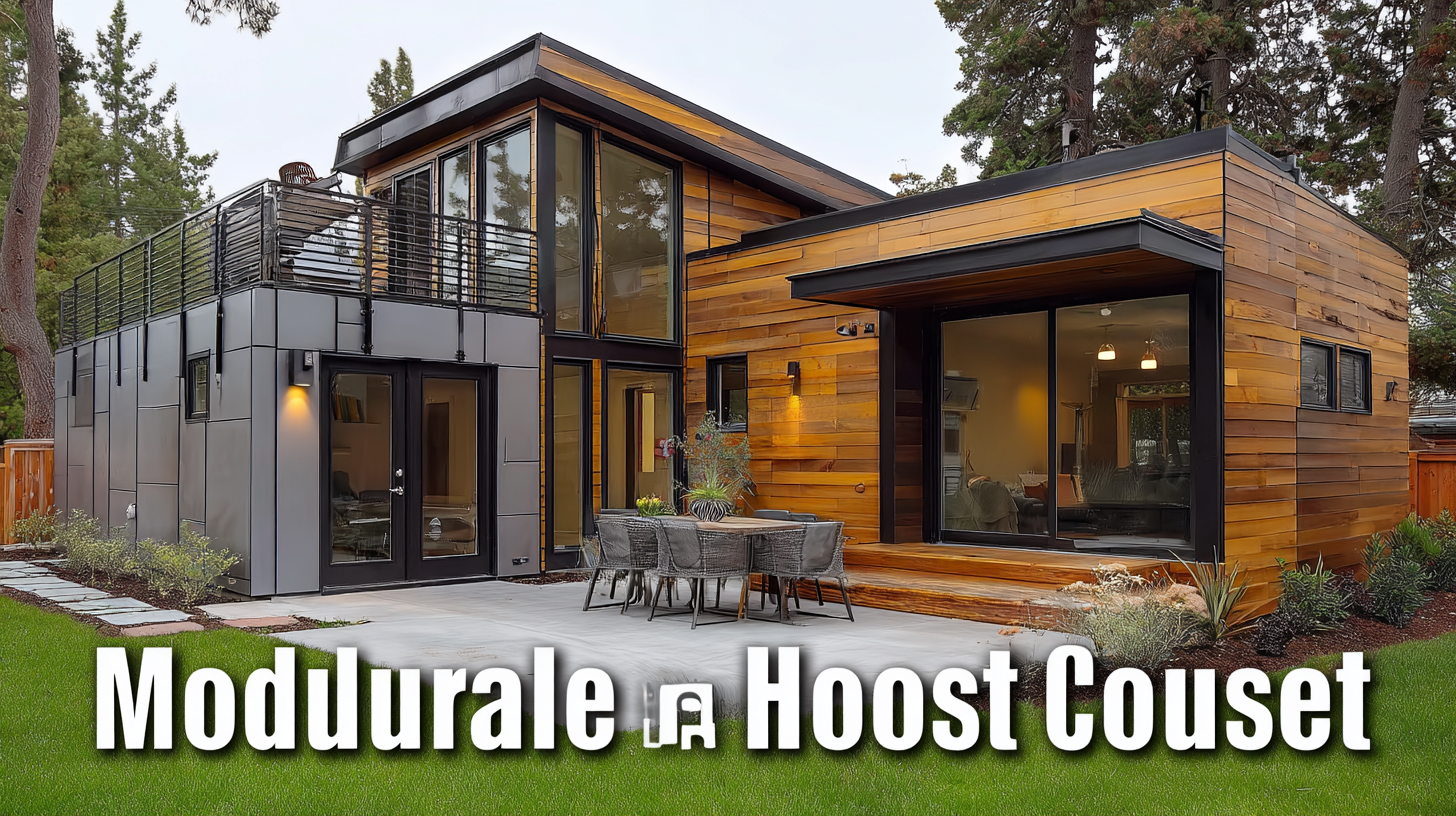
Their mission is to help clients fully grasp the costs tied to modular homes, helping you make smart decisions that fit your budget. And honestly, getting a clear picture of these costs is super important if you want to navigate today’s housing market effectively.
Understanding Modular Home Pricing Models and Factors Affecting Costs
So, if you’re thinking about getting a modular home, figuring out the pricing models is super important for making a smart choice. Typically, modular homes use this tiered pricing system that breaks down into a base price, plus any add-ons and customization options you might want. The base price usually covers the basic structure and essential features, but, hey, if you’re after custom layouts, better materials, or even energy-efficient appliances, expect those costs to add up. It’s really key to figure out what you *want* versus what you *need* because that’ll totally affect your budget.
Now, there are quite a few other things that can influence the cost of modular homes besides just how they're priced. For instance, where you’re building plays a big part; costs for transporting materials and local regulations can really change the game. On top of that, market demand, the complexity of your design, and the quality of the materials you go for will all tweak the final price. It's a smart idea for potential buyers to dive into some research and chat with manufacturers so they can get a good grasp of how these factors can hit their wallets. By sorting through these bits early on, you’ll be setting yourself up for a financial plan that really matches your dream for your modular home.
Comparing Modular Homes vs. Traditional Housing: Cost Breakdown
So, when you're thinking about housing costs, a lot of people find themselves stuck between choosing modular homes and the good old traditional houses, right? One of the big things to look at is the total cost. Generally speaking, modular homes tend to be on the cheaper side. This is mainly because they’re built in sections at a factory, which makes everything way more efficient and cuts down on labor and material costs. I mean, since everything’s standardized in a controlled environment, you can save quite a bit of time and cash compared to the usual on-site building, which can get pretty wild.
On the flip side, you've got traditional homes, which usually come with a heftier price tag. This can be due to how unpredictable labor and material costs can be when you're building on-site, plus the construction timelines can stretch out a lot longer. Don’t forget about those extra costs, either—things like permits, inspections, and the dreaded weather delays can really add up and mess with your budget. That said, one of the upsides to traditional homes is that they often offer more options for customizing the design and giving it a unique flair. In the end, while modular homes might save you some bucks upfront, it’s super important to think about things like how much flexibility you want in your design and what the resale value might look like before you make that big decision about what fits your budget best.
How to Determine the Best Modular House Cost for Your Budget - Comparing Modular Homes vs. Traditional Housing: Cost Breakdown
| Housing Type | Average Cost Per Square Foot | Construction Time (Months) | Energy Efficiency Rating | Maintenance Costs (Annual) |
| Modular Home | $100 - $200 | 3 - 6 | A | $1,200 |
| Traditional Home | $150 - $300 | 6 - 12 | B | $1,500 |
Assessing Your Budget: Financing Options for Modular Homes
Alright, so when you’re diving into financing a modular home, the first thing you really need to get a grip on is your budget. Start by figuring out the total cost of your modular home—it’s not just about the house itself but also includes things like land, construction expenses, permits, and any of those extra features you might be dreaming of. Once you’ve got a good handle on what all that will set you back, it’s time to explore different financing options to see what fits your financial situation best. Sure, traditional mortgages are a go-to for many people, but did you know some lenders have special financing just for modular homes? It can really simplify things and might even help save you some cash.
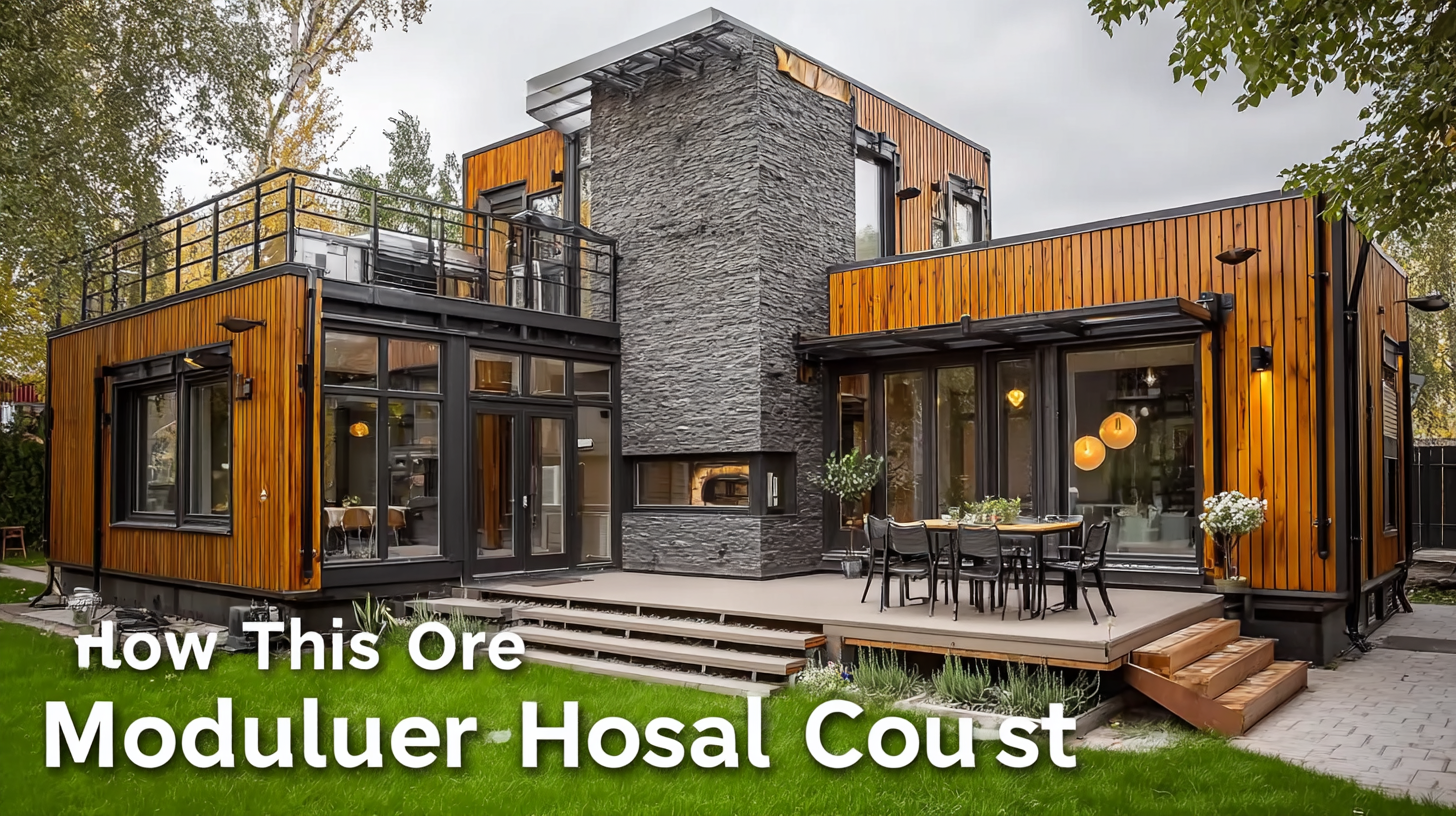
Then there are personal loans, which can give you quick access to funds without needing collateral, but keep in mind they usually come with higher interest rates when compared to traditional mortgages. Also, don’t forget to check out government programs designed for first-time homebuyers or those going for energy-efficient homes—they can be a lifesaver. By understanding these different paths and their costs, you’ll be better equipped to make choices that align with your financial goals. Plus, you’ll stay on track with your budget as you build that dream modular home of yours!
Hidden Costs of Modular Homes: What to Watch Out For
So, you’re thinking about modular homes, huh? It’s super exciting, but let’s chat about something a lot of folks don’t really dive into—the hidden costs. Yeah, sure, the upfront price is important, but there are sneaky expenses that can pop up during the building process, and you definitely don’t want to get caught off guard. The National Association of Home Builders (NAHB) mentions that modular homes usually run anywhere from $50 to $200 per square foot. But hold up! There are all these other factors that can totally tweak that final price tag. Think about things like site prep, getting utilities hooked up, and permits—they can add up to thousands more if you’re not on top of it.
Here’s a little tip: make sure to check out your local building codes and zoning rules. It can save you a ton of headaches later on. And, if you can, loop in a modular home builder early in the game. They can help you sort through all the necessary permits, which can run you anywhere from $500 to $3,000 depending on where you live.
And don’t forget, once your home arrives, there are still costs for stuff like landscaping and driveways, plus other site-specific installations. According to a report from the Modular Building Institute, adding those features can jolt your overall budget up by about 10% to 20%.
So, here’s my advice: whip up a detailed project plan that covers all the aspects of your modular home construction. This way, you can spot those potential hidden costs ahead of time and make sure you’ve got enough funds set aside for everything. Planning ahead is key!
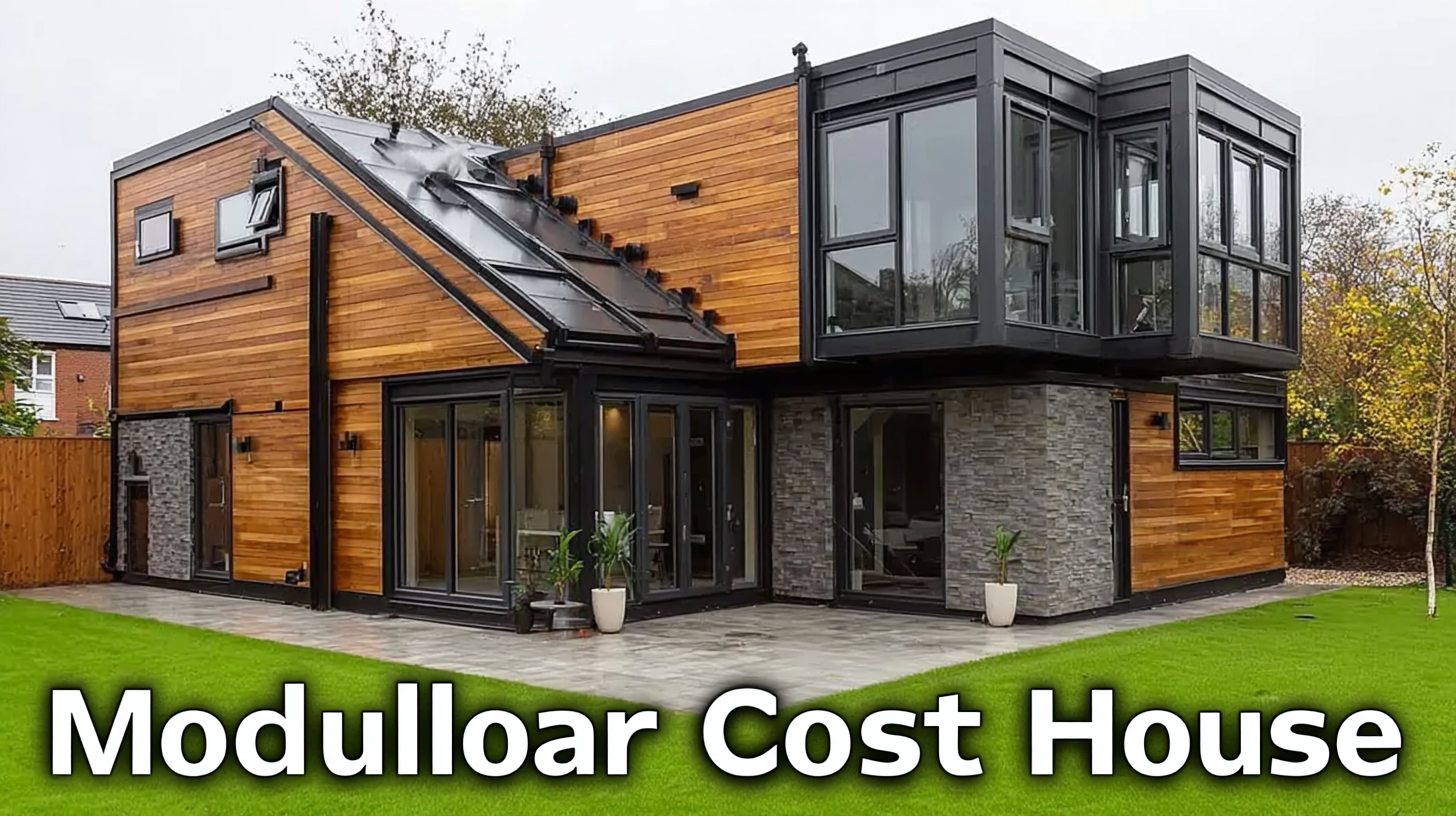
Maximizing Value: Choosing Features That Fit Your Budget
Hey there! So, if you’re diving into the world of modular homes, figuring out the best cost for your budget is super important. You really want to get the most bang for your buck, right? Well, the Modular Building Institute says that on average, these homes run between $100 and $200 per square foot. Not too shabby for those who are keeping an eye on their wallets. But here's the thing: to truly get the best out of your investment, you should pick features that match your lifestyle without blowing your budget way up.
One great tip? Think about going energy-efficient. You know, stuff like Energy Star-certified appliances, high-performance windows, and top-notch insulation can really help you save on those utility bills in the long run. According to the U.S. Department of Energy, energy-efficient homes can help you save about 30% on energy costs every year! So, while those upfront costs might look a bit steep, the savings over time are totally worth it. Plus, it’s a win for Mother Earth too!
And don’t forget about the interior setup and materials! Tweaking your floor plan to get rid of that awkward empty space means you can have a living area that feels good without sacrificing style. By the way, a recent survey from the National Association of Home Builders found that 70% of buyers are all about open-concept spaces. They make things feel airy and can boost your home’s resale value a lot. Finding the sweet spot between looks and functionality will help make sure your modular home hits the mark both now and in the future.
Modular House Cost Comparison
The Future of Modular Housing and Cost Trends in China
You know, the future of modular housing in China is looking pretty bright! There’s this growing demand for affordable and efficient living options, especially as people deal with skyrocketing property prices and rapid urbanization. Modular homes are stepping up as a really smart alternative. Thanks to some cool advancements in technology and building methods, these homes are not just cost-effective; you can customize them too! It’s part of a bigger trend towards sustainable living, since they usually use less energy and materials compared to traditional homes.
If you're thinking about modular housing, there are a few things to keep in mind. First off, do some digging on local regulations and any subsidies that might be available for modular construction. Some areas in China could have incentives that really help cut your costs. And don’t forget to chat with different manufacturers; getting a sense of their pricing and services can really help you snag the best deal. Oh, and while you’re at it, think about those long-term savings! Modular homes typically have lower maintenance and energy bills, which is like a win-win for the future. So yeah, keeping these tips in mind will definitely help you make sense of the changing modular housing scene!
Designing Your Dream: Innovative Two Bedroom Australia Prefab Container House Plans
When it comes to designing your dream home, the innovative concept of prefab container houses offers a unique blend of affordability and customization. The two-bedroom designs crafted specifically for Australia not only provide efficient use of space but also champion sustainability and eco-friendliness. As evidenced by industry trends, the prefab housing market is projected to grow by over 25% by 2025, reflecting a rising demand for smart living solutions.
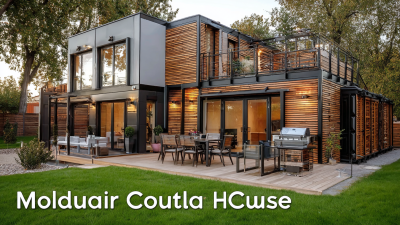
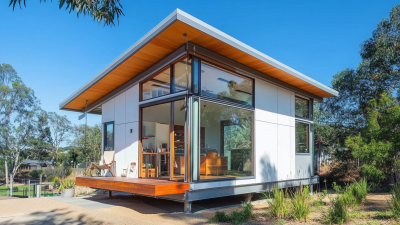
Take, for example, the stylish gray container house featured by Nantong Huasha, a company with 20 years of experience in the field. This design exemplifies the perfect integration of modern aesthetics with functional living spaces. From initial empty rooms to fully personalized kitchens and bathrooms, Huasha Home allows homeowners to creatively plan their living environment. Various combinations of roofs and exquisite exterior material selections contribute to the house's charm while ensuring it blends seamlessly with its surroundings.
In addition to aesthetic considerations, the design emphasizes the importance of leisure spaces and balconies, which enhance outdoor living—all crucial elements in Australia's lifestyle. With targeted strategies for beautification and room selection, these homes cater to diverse customer preferences, creating neighborhoods that resonate with local cultures. Embracing these innovative designs means investing in a future where comfort, sustainability, and style coexist beautifully.
FAQS
: Modular homes are typically priced based on a tiered system that includes a base price, add-ons, and customization options.
Factors influencing the cost include location, transportation costs, local regulations, market demand, complexity of design, and quality of materials.
Modular homes generally have a lower price point due to efficient construction processes, while traditional homes often incur higher costs due to labor unpredictability and longer construction times.
Additional costs for traditional housing can include permits, inspections, and delays due to weather, all of which can drive up the overall budget.
Buyers can maximize value by focusing on energy-efficient features and customizing layouts to eliminate unused space while prioritizing functionality and design quality.
The average cost of modular homes ranges from $100 to $200 per square foot.
Energy-efficient features can significantly reduce utility bills, with potential annual savings of approximately 30%.
A well-thought-out interior layout, such as open-concept living areas, can enhance functionality, aesthetic appeal, and resale value.
Buyers should weigh initial savings from modular homes against design flexibility and potential resale value when making decisions.
By balancing aesthetic appeal with practical features and making strategic investments in efficient designs, buyers can ensure their modular home aligns with both current needs and future aspirations.