Inquiry
Form loading...
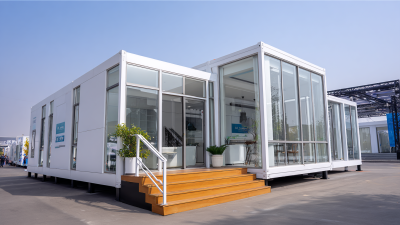
As the world faces some pretty serious environmental challenges, more and more folks are turning to Prefab Tiny Homes as a really attractive, sustainable living option. Did you know that buildings make up about 40% of the world's energy use and roughly 30% of greenhouse gas emissions? That’s a big chunk! By choosing a Prefab Tiny Home, people aren’t just shrinking their ecological footprint—they’re also making smarter use of resources, thanks to eco-friendly materials and more efficient manufacturing methods. Nantong Huasha Movable House Co., Ltd., which started back in 2005, has been leading the way with cool, innovative housing solutions like container homes, expandable models, and lightweight steel structures. They don’t just stop at building; they guide you through everything—finding the right site, designing, production, installation—and even give technical tips along the way. It’s really empowering homeowners to go green and live more sustainably. Honestly, Prefab Tiny Homes are a pretty awesome step toward a greener future—combining comfort with caring for the planet, all in one sleek package.
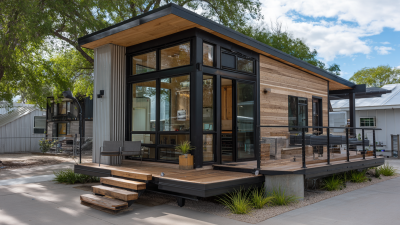
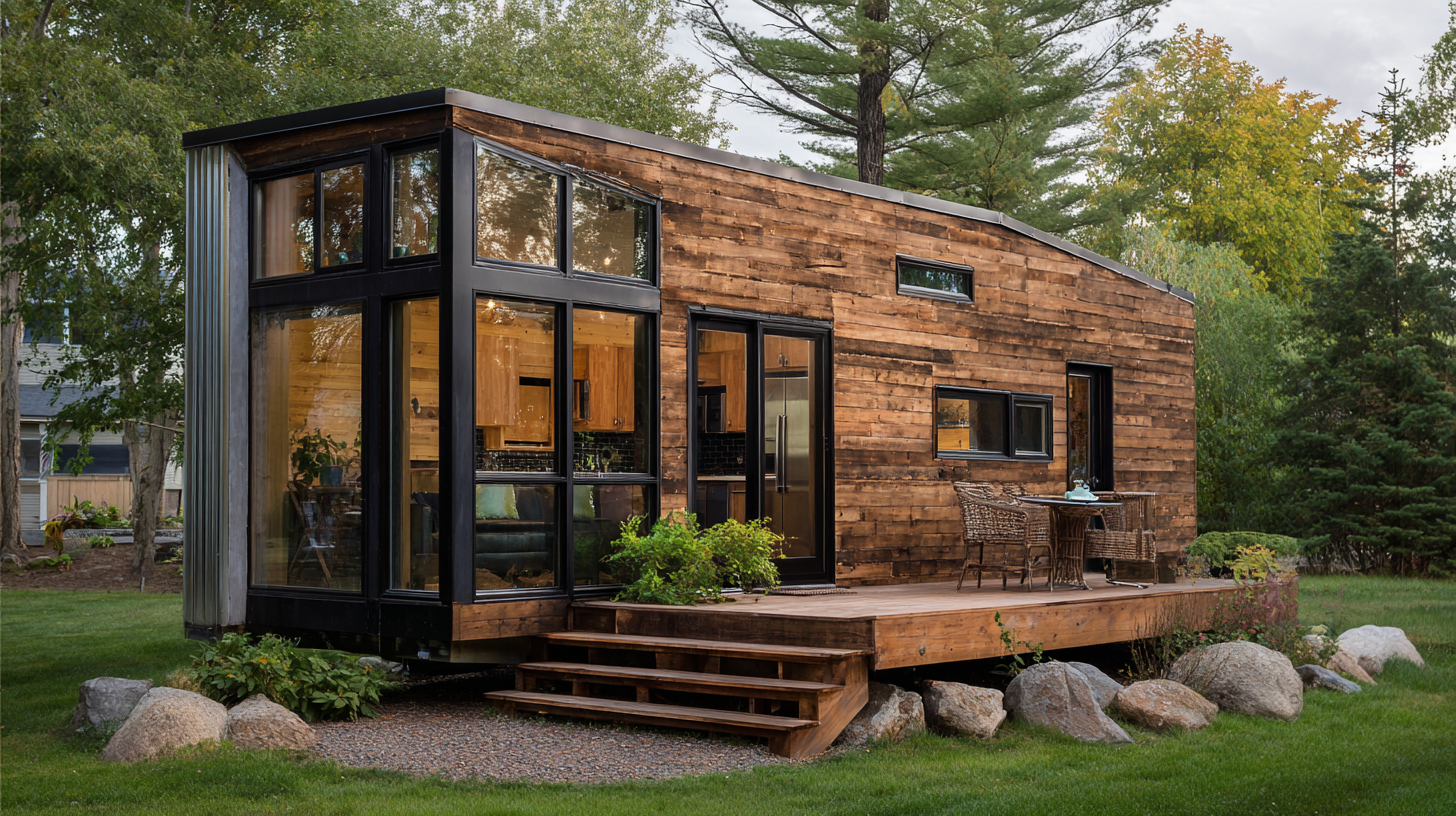
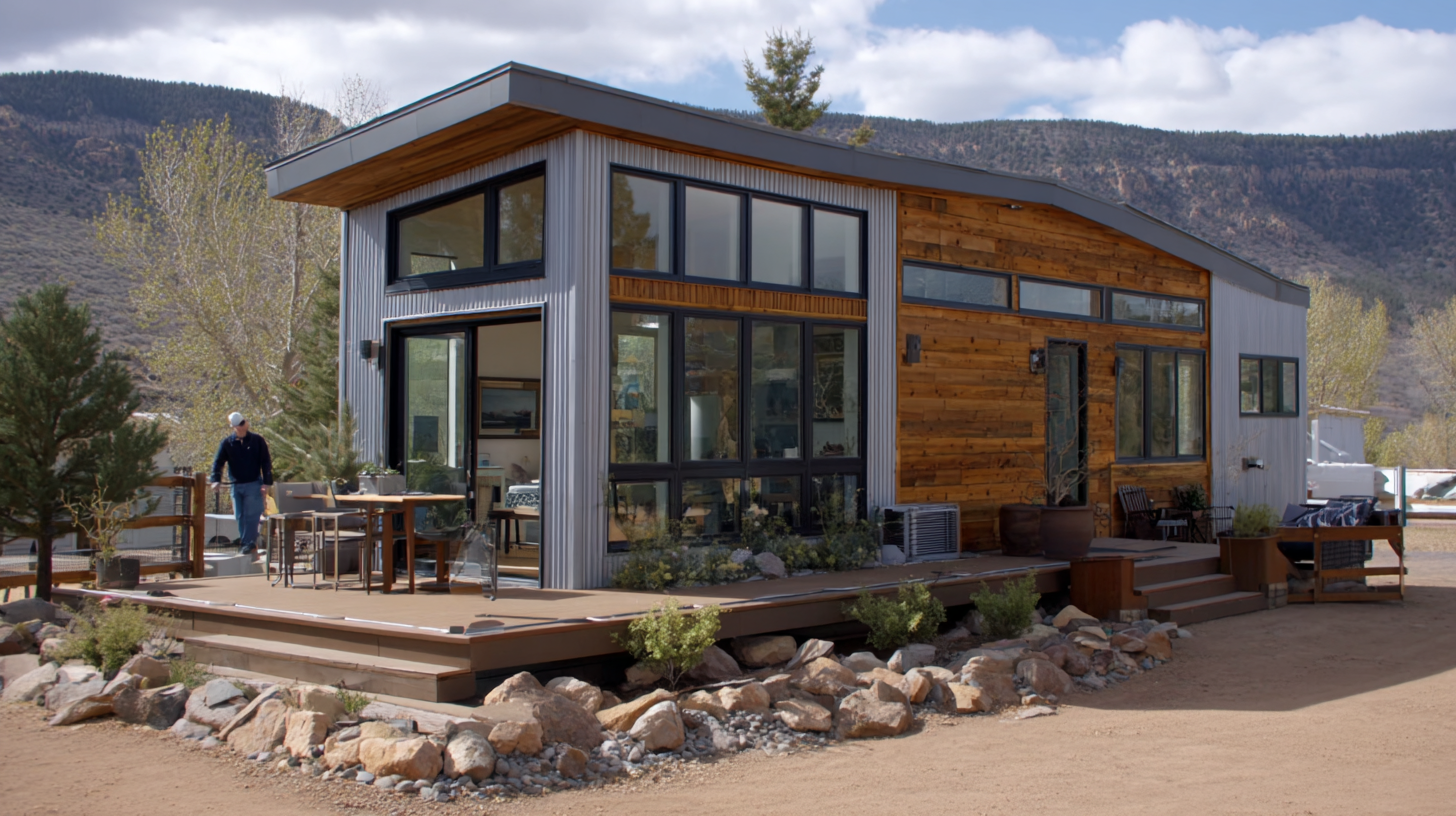 These days, more folks are catching on to the benefits of prefab tiny homes, especially when it comes to being eco-friendly. They’re pretty much a smarter choice if you’re into sustainable living. The cool part? They generally use less material than your regular houses, so you're saving on resources. Plus, because they’re built in sections or modules, the process tends to be faster and less wasteful. A lot of these tiny homes also pack in energy-saving tech—think solar panels and thick insulation—that helps cut down on energy use and shrink your carbon footprint.
If you’re thinking about going the Prefab Tiny House route and want to be super eco-conscious, there are a few small things you can do. Picking energy-efficient appliances makes a difference, and choosing sustainable materials for your build is a smart move. Also, think about how you place your home—maximizing natural light and warmth can really reduce your energy bills. It’s worth considering extras like rainwater harvesting systems or composting toilets—they might not be common everywhere, but they seriously help save water and reduce waste. When you add these little tweaks, you're not just making your home greener—you’re also making a positive impact on the environment.
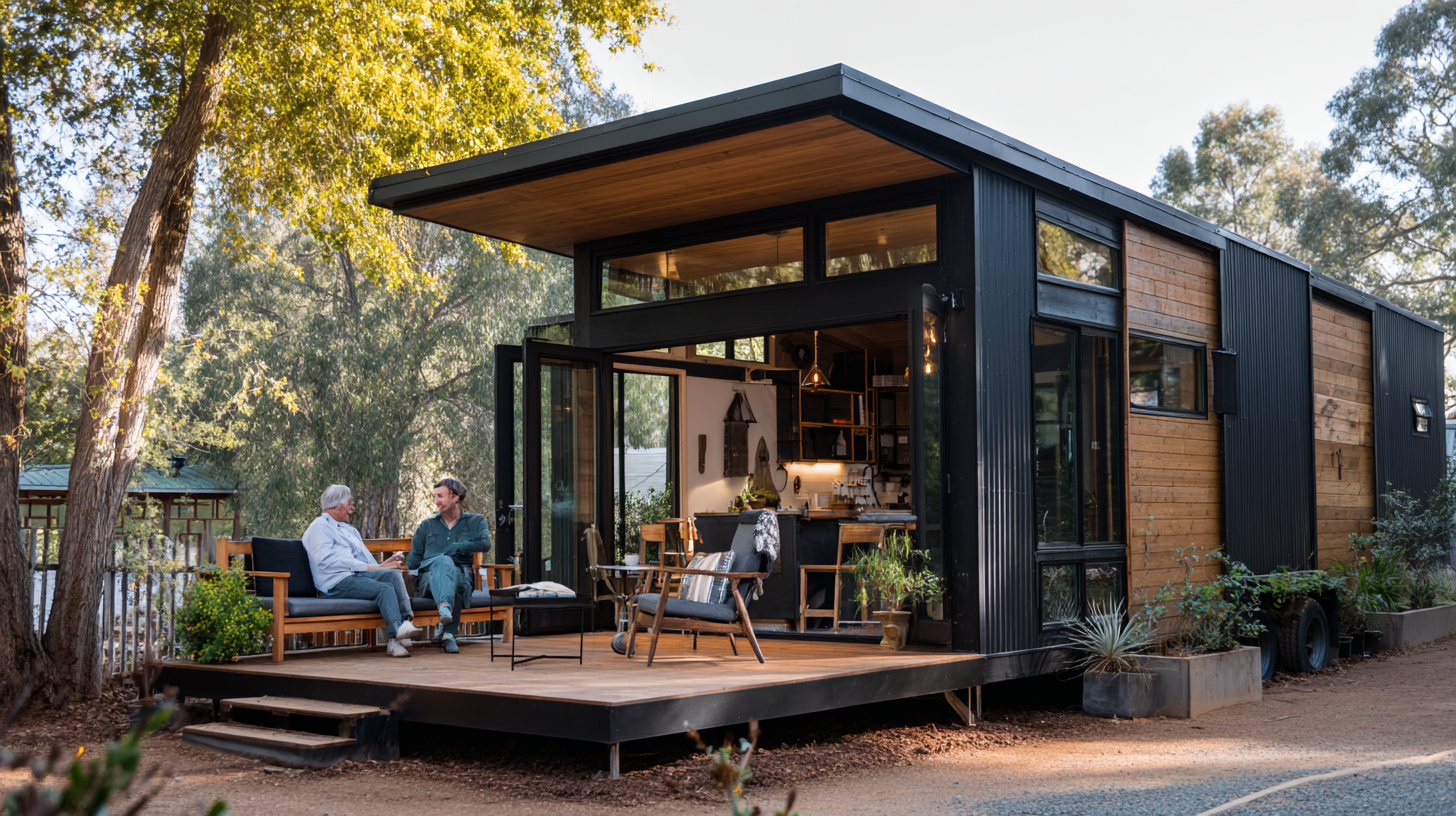
Another cool thing about living in a tiny home is that it kind of nudges you towards a more minimalist lifestyle. Less stuff means less consumerism and more focus on just living intentionally. Plus, it helps you feel more connected to your surroundings and nature in a real way. As more people make the switch to tiny homes, the collective effect could be pretty big, nudging us toward a more sustainable future one small home at a time.
: Prefab tiny homes are recognized for using less material than traditional houses, resulting in lower resource consumption and waste during construction, as well as incorporating energy-efficient technologies like solar panels and high-quality insulation.
Tips include selecting energy-efficient appliances, using sustainable building materials, optimizing home orientation for natural light, and incorporating rainwater harvesting systems and composting toilets to reduce water usage and waste.
Living in a prefab tiny home encourages a minimalist lifestyle by reducing the consumerism mindset and fostering a smaller footprint, which conserves resources and enhances engagement with the environment.
Prefab tiny homes often include features like renewable energy solutions (e.g., solar panels), efficient insulation systems, and designs that maximize natural light and ventilation, all contributing to significant utility cost reductions.
Nantong Huasha utilizes innovative construction techniques, such as light steel structures and modular designs, to reduce energy consumption, and offers expertise in site selection to enhance energy efficiency based on local climate conditions.
Minimalism helps reduce carbon footprints by encouraging individuals to prioritize quality over quantity, leading to environmentally friendly living arrangements and responsible consumption habits.
Prefab tiny homes embody minimalist design principles by offering efficient living spaces that reduce material waste and promote a lifestyle focused on essential needs rather than excessive consumption.
The increasing popularity of prefab tiny homes, driven by Gen Z's eco-friendly practices, demonstrates how sustainable choices can reshape modern living and promote environmental stewardship, leading to a more sustainable future.
Prefab tiny homes are really shaping up to be a pretty awesome, sustainable choice for the future. They come with tons of environmental perks that actually match what a lot of us care about these days. Honestly, the efficiency of these homes is pretty impressive – they’re built with eco-friendly materials that help keep our planet a bit happier. Plus, their focus on saving energy means living tiny actually encourages us all to waste less and use resources smarter. And let’s be honest, living small naturally lowers your carbon footprint, pushing folks toward a simpler, greener lifestyle.
But it’s not just about the homes themselves – the communities around prefab tiny homes tend to feel more connected, creating a real sense of togetherness while promoting green living. When people choose these kinds of homes, they’re not just making a cool housing choice; they’re helping steer us toward a more sustainable future. Nantong Huasha Movable House Co., Ltd. is doing their part, producing top-quality container and modular houses that focus on being eco-friendly and efficient. It’s all about inspiring more people to live in a way that’s better for the planet.