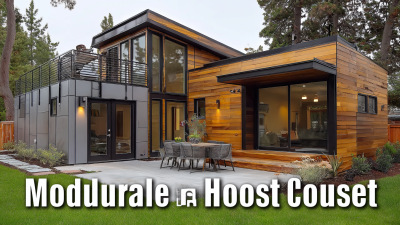
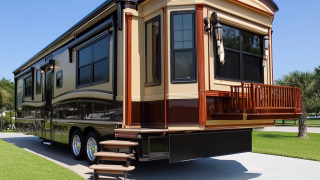
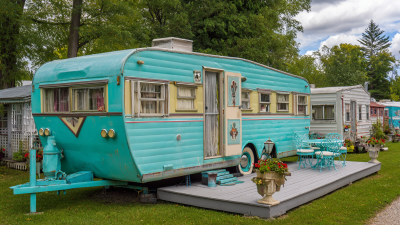
Lately, there's been quite a spike in the demand for Premade Houses—people are really looking for affordable, efficient options when it comes to housing. I was reading a report from ResearchAndMarkets, and it turns out that the global market for modular construction could hit around $157 billion by 2023. A big chunk of that growth is coming from prefabricated and portable structures.
Companies like Nantong Huasha Movable House Co., Ltd., which started back in 2005, are really making a difference. They offer all-in-one solutions—from helping you choose the right site, to designing, building, installing, and even providing tech support. As more folks and businesses start craving flexible and eco-friendly living spaces, knowing how to pick the perfect premade house becomes super important. This guide is here to help you understand your options and find a solution that really fits your needs—and hopefully, makes the whole process a bit less overwhelming.
Key Factors to Consider When Choosing Premade Houses for Your Lifestyle Needs
Picking out a pre-made house that really fits your lifestyle isn’t just about looks—it’s about understanding what you actually need. First off, knowing how much space you’ll have is super important. According to the 2022 American Housing Survey, about 40% of homeowners wish they had more room, which just shows how critical it is to choose a design that makes good use of space without feeling crowded. Whether you’ve got a growing family needing extra bedrooms or you’re a single person who wants an open, airy layout, there are plenty of customizable options with premade houses that can be tweaked to fit your exact needs.
And let’s not forget about energy efficiency—these days, it’s a pretty big deal. The U.S. Department of Energy says that homes built with eco-friendly features can cut your utility bills by up to 30%each year. Many Premade Homes come with cool features like high-quality insulation and energy-saving appliances that not only save you money but also help reduce your environmental impact. With more people being environmentally conscious nowadays, choosing a home with thesegreen features can really boost your lifestyle while keeping your footprint small. So, taking the time to think about these things is totally worth it if you want a home you’ll love living in, now and down the line.
Understanding Different Types of Premade Houses: Models, Materials, and Designs
When you're in the market for the perfect pre-made house, it’s pretty important to get a good grip on the different models, materials, and styles out there. Thanks to all the recent advances in prefab building, you’ve got a whole range of options—stuff like sleek modern Modular Homes or more traditional-looking houses made with eco-friendly materials. Every model tends to have its own perks, aimed at different folks—whether you’re after energy savings, looking for something that just looks great, or need flexible layouts that can grow with you.
Here’s a tip: think about your lifestyle and what really matters to you when choosing. For example, if you’ve got a growing family, you might want something modular with expandability options. And don’t forget to keep sustainability in mind—look for materials that are locally sourced or recycled. It’s a win-win for the planet and your wallet.
Also, the way prefab houses are being designed and built is totally changing, thanks to BIM tech. It lets you explore your future home through virtual reality—so you can walk through a 3D model and see what it’ll look like before the first brick is laid. This way, you can request tweaks or improvements early on, making sure the final place really matches your vision. Honestly, it feels more like a collaborative, fun process rather than just ticking boxes!
Evaluating Cost-Effectiveness: Budgeting for Your Dream Premade Home
When you're choosing a pre-made house, it's super important to think about cost-effectiveness so you don’t blow your budget on your dream home. Start by figuring out your price range and try to stick to it—that way, you can narrow down your options and avoid that tempting urge to overspend. Do a little homework on different builders and how they price things—some might have packages that save you a ton of money without sacrificing quality.
And don’t forget, when setting your budget, to include extra costs that might pop up—stuff like transportation, installation, and hooking up utilities. It’s definitely a good idea to have a little emergency fund set aside for those surprise expenses. Also, think about the long-term costs of your options—things like maintenance and how energy-efficient they are, because these can really add up over time.
Here's a tip: always ask your builder for a detailed quote so you know exactly what you're paying for. That kind of transparency helps you compare your options properly. And don’t shy away from checking out financing plans or any grants or incentives that might help cut down your initial costs. All of this can make it way easier to get into that perfect pre-made home that fits your style and budget.
Regulatory Considerations: Zoning Laws and Building Permits for Premade Houses
 When you're looking into premade houses, it’s super important to get a handle on the local rules and regulations. Otherwise, you might run into headaches down the road. Zoning laws, for example, basically tell you where different types of housing are allowed—like whether you can put a prefab house in a residential neighborhood, an agricultural zone, or a commercial area. These rules are all over the place depending on where you are, so doing your homework early on is key—otherwise, you might end up having to make costly changes later on. A quick chat with the local planning or zoning department can give you the straight scoop on what’s permitted and if there are any restrictions you should know about.
And then there are building permits, which are kinda non-negotiable. Most towns and cities will want you to get one to make sure your new house is built safely and follows all the official codes. The process usually involves submitting some detailed plans, and sometimes they’ll ask for revisions before giving the green light. I know, it sounds like a lot, but skipping or ignoring this step can lead to fines or even having to take the house down. If you’re feeling overwhelmed, it’s a good idea to work with a contractor or someone who knows the ins and outs of local regulations—that way, you can breathe a little easier knowing everything’s legit and sorted out properly.
Sustainability and Energy Efficiency: Choosing Eco-Friendly Options in Premade Housing
When you're choosing a pre-made house, it’s really worth thinking about sustainability and how energy-efficient it is. You know, with everyone moving towards greener living these days, there's definitely been a huge bump in demand for homes that save energy. I read somewhere—from the U.S. Department of Energy, actually—that choosing energy-efficient homes can cut down your utility bills by as much as 30%. So, going for materials and designs that use less energy isn't just good for the environment, but it can also seriously save you some cash in the long run.
And get this—more and more pre-made houses now come with cool features like solar panels and smart home tech. According to the National Renewable Energy Laboratory, putting in solar systems can sync really well with modern home designs and save you about $100 a month on energy costs. Plus, using sustainable materials—like recycled steel or bamboo—not only makes the house stronger and more durable, but it also has a lighter footprint during manufacturing. So, as you’re on the hunt for that perfect pre-made house, thinking eco-friendly really pays off—both for your wallet and for the planet.
Comparison of Sustainable Features in Premade Houses
Market Trends and Future Prospects: The Growth of Premade Housing in Urban Development
You know, the market for ready-made housing is really booming right now, mainly because cities are growing so fast and there's a real need for quick, affordable housing solutions. I came across a report from Transparency Market Research that says the global prefabricated housing market might hit around $200 billion by 2027—that’s quite a jump, with an annual growth rate of about 6.5%. The main reason? People want cheaper homes, especially in crowded urban areas where building traditional houses can take forever and end up costing a fortune.
When you're thinking about picking a premade house, don’t forget about sustainability. It's a good idea to go with manufacturers who focus on eco-friendly materials and practices. Keep an eye out for homes that are certified by organizations like the International Code Council—that way, you know they meet the proper building standards and are energy-efficient. And, if you're into tech, you'll probably want a home with smart features—it's becoming super popular. In fact, I read that nearly 70% of new homeowners are interested in smart home tech, so it seems like more people want their homes to be not just affordable but also tech-savvy.
Oh, and one more thing—don’t overlook customization options. Lots of companies now give you the chance to personalize your space without blowing your budget. They have a variety of styles and layouts, so you can find something that really matches your lifestyle and needs. Thinking about these things can help you navigate the growing world of premade housing a lot more easily—and maybe even get exactly what you want.
Innovative Living Solutions: Exploring High Quality Flat Pack Storage Container Houses for Modern Homes
Innovative Living Solutions: Exploring High Quality Flat Pack Storage Container Houses for Modern Homes
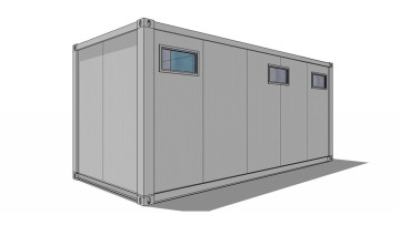
The Flat Pack Container stands out as an ideal choice for those seeking versatile and eco-friendly living solutions. With dimensions measuring 5910mm x 2500mm x 2800mm, this modular building offers an impressive amount of space while maintaining a compact footprint. Made from a sturdy steel frame and insulated walls, it ensures energy efficiency, making it suitable for both temporary and permanent housing needs. Whether utilized as a site office or a cozy home, the Flat Pack Container proves to be an adaptable solution that caters to a variety of modern living requirements.
One of the most attractive features of the Flat Pack Container is its ease of assembly and transportation. Designed for quick setup, it can be delivered and installed in a fraction of the time compared to traditional construction methods. Additionally, the inclusion of UPVC sliding windows enhances natural light and ventilation, creating a comfortable living environment. The customizable electrical system further differentiates this building module, allowing homeowners to tailor their space according to specific lifestyle needs. With reusable components, this innovative solution not only minimizes waste but also provides a cost-effective alternative for contemporary living.
FAQS
: Key factors include understanding the available space, energy efficiency, types of models and materials, and customization options. Ensuring that the design efficiently utilizes space and incorporates eco-friendly features is essential.
Premade houses often offer customizable options such as expandable spaces for growing families or open layouts for singles. By choosing designs that fit your lifestyle, you can enhance comfort and functionality.
Energy-efficient homes can save homeowners up to 30% on annual utility bills. They usually come with high-performance insulation and energy-efficient appliances, reducing costs and promoting sustainable living.
The application of BIM technology and virtual reality allows potential homeowners to visualize their spaces in 3D before construction begins, enabling adjustments and enhancements to meet their expectations.
The premade housing market is growing due to increasing demands for affordable housing in urban areas, with projections indicating a market size of approximately $200 billion by 2027.
Sustainability is crucial as it often correlates with lower environmental impact. Choosing homes made from eco-friendly materials and certified to meet building standards can enhance your lifestyle while caring for the planet.
Nearly 70% of new homeowners prioritize smart home features. When choosing a premade house, consider options that include integrated smart technology for advanced living solutions.
Many manufacturers offer design options that allow you to personalize your space while staying within budget. Engaging with companies that have a variety of styles and layouts helps you find a perfect fit for your needs.
Conclusion
Looking for that perfect place to call home? Well, premade houses are definitely catching on as a pretty appealing option, especially if you're trying to meet different lifestyle needs. When you're picking out a premade home, it's good to think about a few things — like what kind of model suits your style, the materials used, and how the design fits with what you prefer and the environment around you. Oh, and don’t forget to keep an eye on the costs; sticking to a budget can really turn that dream of owning one into an actual reality.
But it’s not just about how it looks or how much it costs. You’ll also want to get familiar with local rules like zoning laws and permits — nobody wants surprises down the road, right? Plus, with everyone talking about sustainability these days, going for eco-friendly options within premade housing is not just smart, but also a responsible choice.
On the whole, market trends suggest that premade homes are becoming more popular and innovative, making this an exciting time for urban development. Companies like Nantong Huasha Movable House Co., Ltd. are stepping up with full-on solutions — from designing to installing — so there are plenty of options out there for folks like you trying to find that perfect premade house.