Inquiry
Form loading...
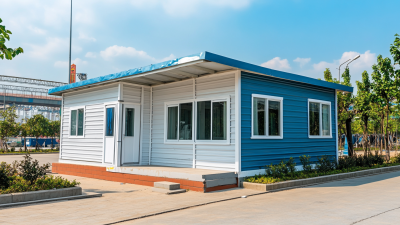
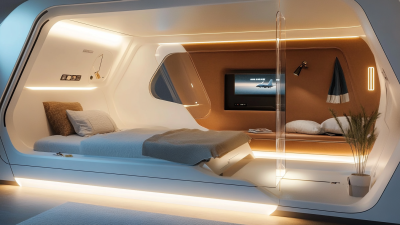
Lately, the whole idea of House Modular has really caught people's eyes for its flexibility and efficiency, especially in today’s fast-paced world. As more homeowners and developers look for creative housing options, it’s clear there are so many modular choices out there that can fit different needs and tastes. Take Nantong Huasha Movable House Co., Ltd., for example. They’ve been around since 2005 and are totally leading the charge in this trend. They specialize in everything from Container Houses to expandable and light steel structure homes, not to mention those nifty movable pods. What's really cool is that they offer a complete, one-stop shop service—from picking a site to designing, producing, installing, and even providing technical support. Their expertise helps us really understand the unique features and practical uses of these modular housing options. So, in this blog post, we’re going to dive into the standout qualities of various modular housing solutions and how they can potentially reshape our living spaces.

You know, modular housing solutions are really stepping up as a cool and innovative answer to the growing affordable housing crisis we’re all hearing about. Just take a look at the North American modular construction scene – back in 2024, it was valued at around USD 38.21 billion, and guess what? By 2025, it’s expected to get even bigger, hitting about USD 38.94 billion. A big reason for this growth is that modular construction is pretty cost-efficient and sustainable, which is a huge plus! By using off-site construction techniques, developers can really speed things up and cut down on both the time and money it takes to build homes, whether they’re single-family or multifamily ones.
And you know, when people talk about affordable housing, modular construction really shines because it has the potential to slash construction costs significantly. That opens up the door for high-quality homes to be offered at prices that are actually competitive. Not only does this make the building process more productive, but it also places modular housing in the spotlight as a key strategy to tackle the nationwide housing crunch. There’s even federal loans available for builders who choose these modular methods, which is awesome because it helps push these solutions into the limelight, making homeownership a real possibility for a lot of families, especially those who might be struggling a bit economically.
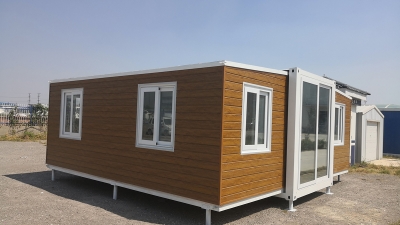
The trend of two-bedroom prefab container houses in Australia is revolutionizing the way we approach space and sustainability. As urban living spaces become more limited, these innovative homes offer a practical solution that maximizes space without compromising on comfort or style. The recent reports highlight the growing popularity of these residences, showcasing designs that are not only functional but also environmentally friendly. By utilizing repurposed materials and streamlined construction methods, prefab container homes significantly reduce waste and carbon footprints.
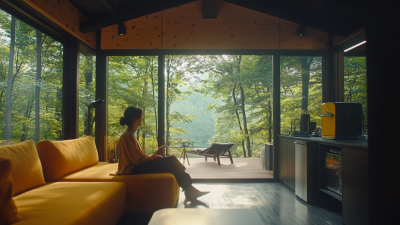
A perfect example of modern design is the classic gray house from Nantong Huasha. With over 20 years of experience, this design adapts seamlessly to various living environments. The home features an array of customizable options, including room layouts, kitchen designs, and exterior aesthetics. Whether you're looking for a cozy living room, a spacious balcony, or a leisure space to unwind, every detail can be tailored to meet your lifestyle needs. This commitment to integration with local surroundings ensures that each house feels like a natural extension of its environment, enhancing the overall living experience for homeowners and their guests.
: Modular alternatives offer innovations in design, flexible applications, construction efficiency, cost-effectiveness, and sustainability, which cater to varying consumer needs.
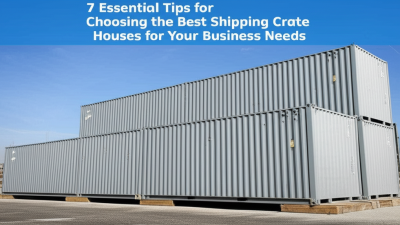
Container homes repurpose shipping containers, reducing waste, and allowing for rapid assembly and relocation, which supports eco-friendly practices.
A panelized home features walls constructed off-site and assembled on location, streamlining the construction process and promoting quicker project timelines.
Modular construction can lower project delivery time by up to 50% and costs by 20%, making it a more efficient option for various sectors.
Modular units in healthcare can be rapidly deployed to create urgent care facilities, allowing hospitals to adapt quickly to patient needs and public health emergencies.
Modular classrooms can be constructed in half the time of traditional buildings, enabling educational institutions to expand capacity and address changing student demographics more efficiently.
Modular construction occurs in controlled environments, allowing for precise resource management, which conserves materials and reduces energy consumption.
Modular homes often incorporate reclaimed wood, recycled steel, and low-VOC paints, contributing to healthier living spaces and minimal environmental impact.
Yes, solar panels and energy-efficient appliances can be easily integrated into modular designs, enhancing their sustainability and energy efficiency.
By emphasizing efficient construction practices and using sustainable materials, modular homes provide a contemporary solution for environmentally conscious living without compromising on style or comfort.