Inquiry
Form loading...
Hey there! You know, in today’s fast-paced world, being flexible and efficient is super important, and that’s why we’re seeing such a huge boom in Modular Containers. They’re really changing the game in construction and housing. Take Nantong Huasha Movable House Co., Ltd., for example. They’ve been around since 2005 and are leading the charge with some pretty cool solutions like Container Houses, expandable homes, and light steel structure houses. What’s great about them is their all-in-one approach—they handle everything from picking the site and designing to production and installation, plus they offer strong technical support. Now, with the challenges of global sourcing always shifting, it’s increasingly vital for both manufacturers and clients to get a grip on the key standards and practices in Modular Container production. So, in this blog, we’re gonna dive into those challenges and share some insights and strategies that are essential for navigating the ups and downs of global sourcing while keeping the quality and efficiency of modular constructions in check. Come along with us on this journey as we explore how modular innovations can tackle the ever-changing demands of the market!
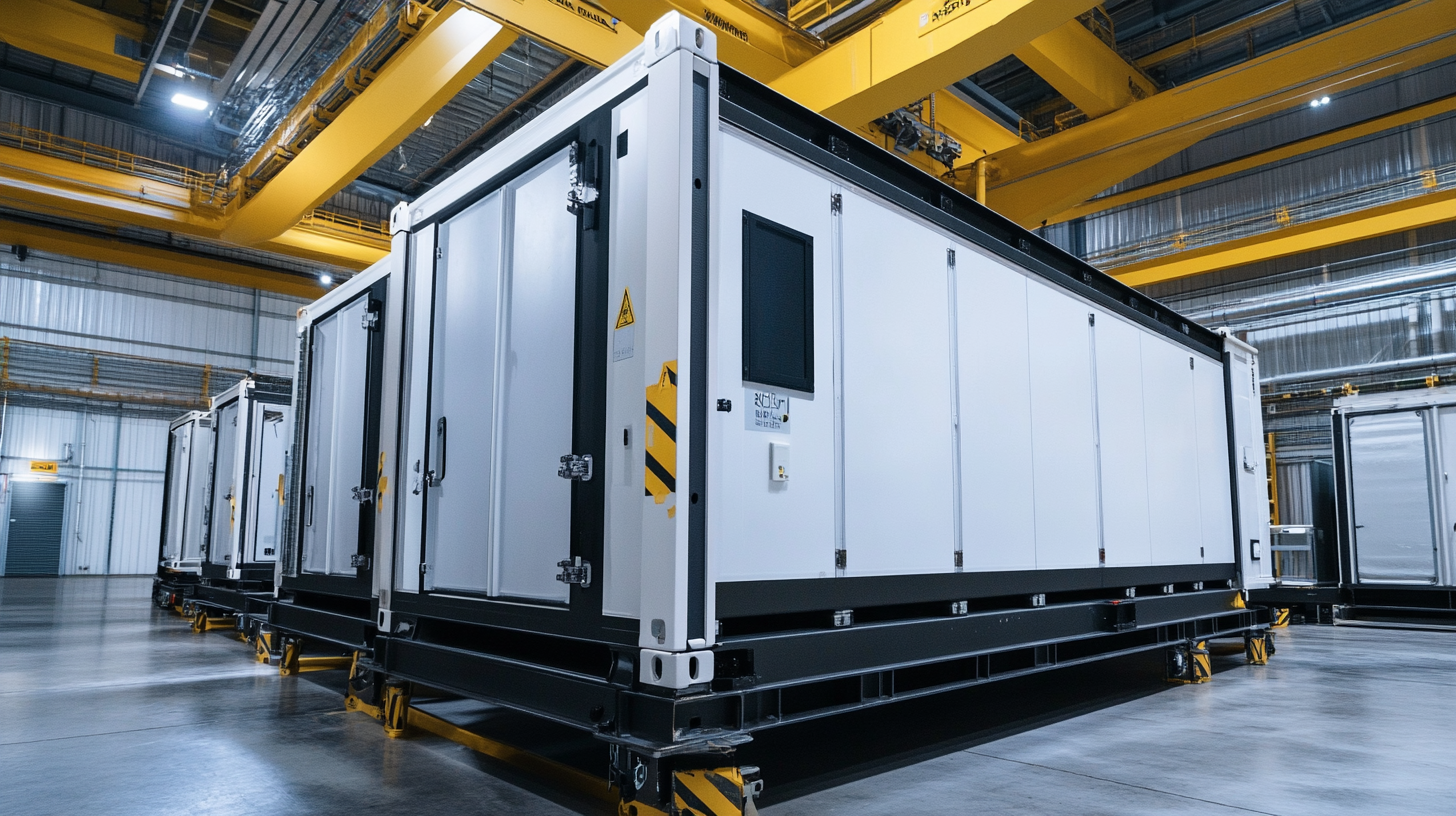
You know, the whole mess with global supply chains has really turned into a big deal, impacting all kinds of industries—modular container production being one of them. There was this report from McKinsey & Company that showed nearly half of the companies out there have faced some pretty significant disruptions because of ongoing geopolitical tensions and, of course, all those challenges that popped up during the pandemic. It’s no surprise that these hiccups are leading to longer wait times and bumping up costs. Manufacturers are really having to rethink their sourcing strategies. Just to give you an idea, the lead time for important parts in modular containers has shot up to over 16 weeks now, which is quite a jump from the average of 8 weeks we saw before all this craziness started.
And get this: a study from the World Economic Forum found that more than 75% of companies are now on the hunt for more diverse suppliers. This shift is pretty crucial for managing the risks that come with global sourcing. Not only does it help to keep materials flowing steadily, but it also gives a nice boost to local economies by encouraging regional sourcing. Since modular container production relies on a bunch of raw materials like steel, insulation, and electrical components, companies are really feeling the heat to figure out how to navigate all these complexities and stay competitive in such a wild market. To tackle these supply chain challenges, businesses need to be quick on their feet, think ahead, and stay committed to high production standards if they want to keep growing in this field.
You know, the modular container manufacturing industry is really on the brink of some impressive growth. It’s all thanks to essential industry standards that are stepping up quality and efficiency. I mean, with a market expected to grow at a rate of about 7.5% from 2022 to 2030, it’s clear that hopping on the standardized practices bandwagon is more crucial than ever. Manufacturers are dealing with some wild global disruptions, and sticking to established benchmarks can seriously help streamline operations, cut costs, and boost product reliability. Standards like those ISO guidelines and performance indicators? They’re absolutely vital when it comes to keeping an eye on processes in modular production settings.
Plus, the surge in Modular Building solutions is opening up avenues to tackle pressing issues like affordable housing. By using standardized production methods, modular containers can provide affordable housing options quicker and more efficiently. And with the push for a stronger supply chain, these standards are even more important—you know, especially since companies are trying to keep their productivity up amid all these ongoing challenges. By weaving innovative tech and data-driven strategies into their day-to-day, manufacturers can really tap into the full potential of modular production while also supporting a more sustainable and responsive economy. It’s a win-win, really!
Let’s be real—the modular container production industry is really up against a lot these days, especially with how fast everything is changing worldwide. To tackle these challenges effectively, it’s super important to tap into new tech. A report from Grand View Research just came out, predicting that the modular construction market will grow by 6.4% annually from 2021 to 2028. That’s a clear sign that there’s a growing demand for better manufacturing processes. Companies that jump on the tech bandwagon can really boost their production efficiency and cut down lead times, which is a big deal for keeping up with the quick-moving needs of sectors like housing, logistics, and disaster relief.
One of the coolest advancements we’re seeing is the mix of automation and IoT (that’s Internet of Things, for those not in the know) in modular container production. According to a study by McKinsey & Company, businesses that are using these technologies have seen productivity jumps of around 25%. With the help of automated systems, manufacturers can really streamline their workflows, reduce those pesky human errors, and keep quality up where it needs to be. Plus, IoT devices let them monitor production in real-time, making it easier to make quick decisions and manage resources better.
On top of that, the push for advanced materials and sustainable practices is shaking things up in the modular container world. The World Economic Forum points out that going green can save about 30% in lifecycle costs! By using innovative materials like recycled composites and energy-efficient insulation, companies not only stick to the rules but also attract a new generation of consumers who care about the environment. So, embracing these tech advances is a must if we want to stay ahead in this fast-evolving market.
When it comes to making modular containers, getting your hands on top-notch raw materials is super important for durability, safety, and efficiency. I stumbled upon this report from MarketsandMarkets that says the global modular construction market is set to explode from $75.9 billion in 2020 to a whopping $157.2 billion by 2026. Can you believe that? It really shows just how much people are craving strong, reliable materials. With all this growth happening, manufacturers really need to play it smart when it comes to sourcing to keep up with tough industry standards while also keeping costs in check.
One smart move for getting raw materials is to build solid relationships with suppliers who are all about sustainability and quality. There was this interesting study by McKinsey & Company that found companies focusing on sustainable sourcing managed to cut supply chain risks by 20%. Pretty neat, right? Plus, conducting careful supplier audits can make sure the materials we use in modular container projects are not just regulation-compliant but also help in boosting our brand image. Oh, and if you can work with local suppliers, it can speed things up and save on transportation costs—talk about a win-win for both the wallet and the planet!
On top of that, pouring some investment into tech that helps track and analyze raw material performance is becoming a must-have. The Construction Industry Institute shared that projects making use of advanced analytics in their sourcing decisions saw a 15% dip in material waste. By tapping into data-driven methods, manufacturers can really fine-tune their sourcing game, making sure the materials are easy to get and work effectively, which ultimately leads to better results for those modular containers we’re all about.
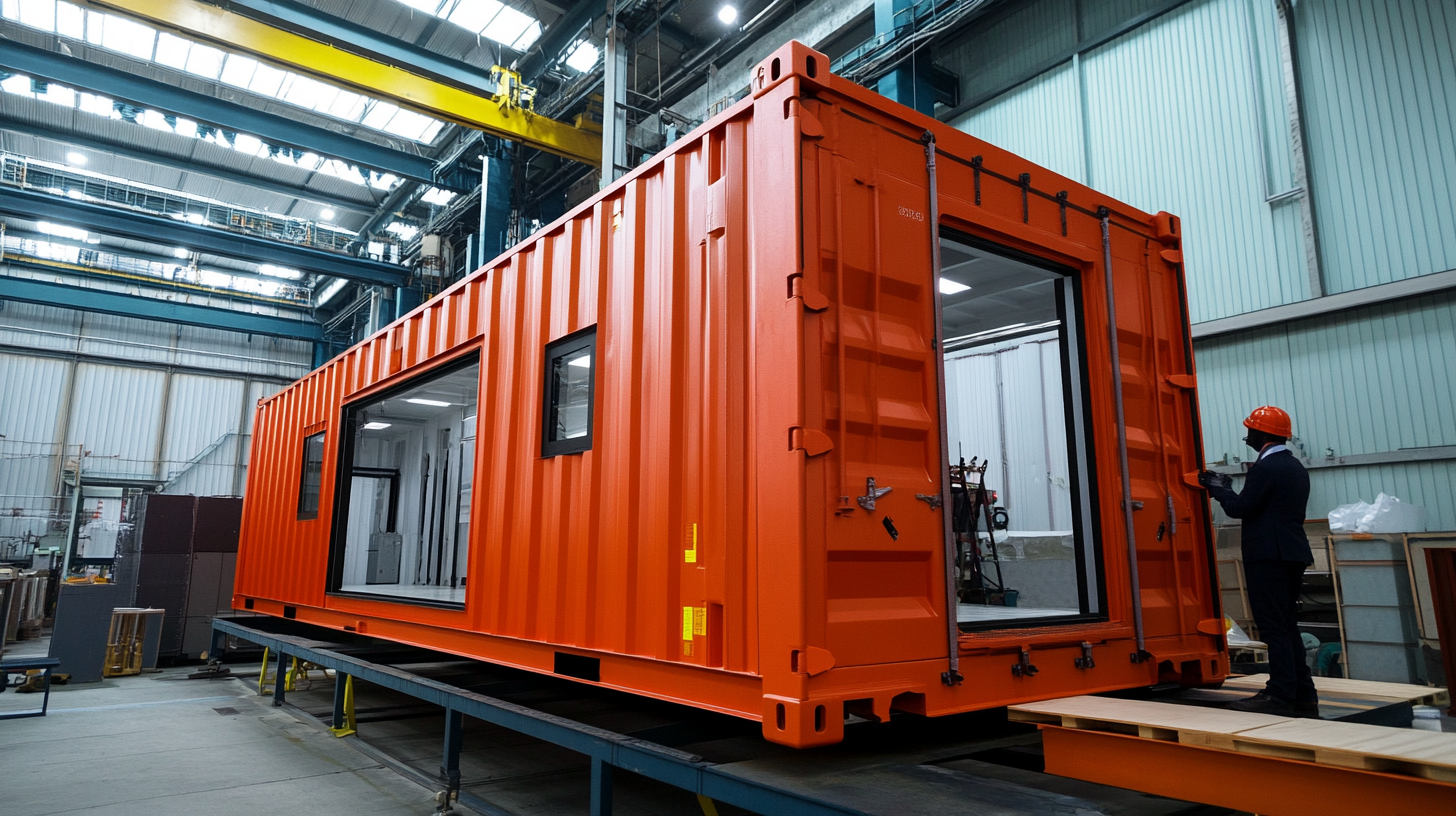
You know, in today’s fast-changing world of sourcing for modular container production, keeping up with regulations is a big deal for manufacturers. I came across this report from MarketsandMarkets that predicts the modular construction market will jump from $83.2 billion in 2020 to a whopping $157.2 billion by 2026! That really underscores how important it is to stay on top of those ever-changing standards and regulations. Container manufacturers are basically juggling a maze of international guidelines, like ISO 18333 for modular buildings, plus all sorts of safety and environmental rules. If they mess up on compliance, it can hit them hard with hefty fines, delays in their projects, and let’s be honest, it can really hurt their reputation too.
And let’s not forget about the growing focus on sustainability! Manufacturers really have to get in line with those tight environmental regulations. Take the Global Reporting Initiative (GRI) as an example; it really pushes for transparency when it comes to how things are sourced and made. A study from Deloitte showed that a good chunk—56%—of execs in construction see sticking to sustainability regulations as absolutely crucial for long-term success. This shift means they need to really know the ins and outs of local and international compliance metrics. It’s all about making sure that the modular container production not only meets the necessary regulations but also lines up with what the market expects. That way, they can drive innovation and efficiency in the industry, which is pretty exciting!
You know, building strong relationships with suppliers in modular container production is really key to making our way through today's tricky global sourcing scene. As more companies dive into modular systems for that extra efficiency and flexibility, making those solid connections with suppliers becomes super important. It means being proactive about communication and working together. Just having regular check-ins and updates can really help close those gaps and keep everyone on the same page with what's expected and what's being delivered.
And you know what? Putting some effort into developing our suppliers can really take those relationships up a notch. Things like training programs, workshops, and swapping best practices can give suppliers the boost they need to enhance their processes and output. It’s like a win-win situation! Not only does this help improve the quality of the modular containers we produce, but it also builds loyalty and trust, which in turn helps cut down on potential hiccups in the supply chain. When we start seeing our suppliers as partners instead of just vendors, we actually create an atmosphere of mutual growth that can lead to better business resilience.
Plus, mixing up our supplier base is a smart play that can really help reduce risks from relying too much on just one source. By bringing in several suppliers from different regions, we can better protect ourselves from things like geopolitical tensions, natural disasters, or even those pesky market demand swings. A strong network of suppliers, built on trust and transparency, really allows companies to react quickly to challenges and seize opportunities in the modular container market.
The Bahamas is renowned for its stunning landscapes and inviting turquoise waters, making it the perfect setting for a getaway. Our latest endeavor, the glamorous 72m² Modular House, encapsulates the essence of luxurious vacations while harmoniously blending with the local environment. Designed with the holiday-maker in mind, this modular home offers a unique living experience that caters to both comfort and aesthetics.
Since 2009, we have focused on creating homes that resonate with their surroundings, and this project is no exception. Our team of engineers was invited to consult closely with local clients, ensuring that the design not only meets modern standards but also aligns with the preferences of the local community. This collaborative approach allows us to infuse the house with elements that reflect Bahamian culture, making it an ideal sanctuary for unforgettable vacations. Imagine waking up in a beautifully crafted home that embraces both glamour and local charm, where every detail has been thoughtfully executed to enhance your holiday experience.
: Sourcing high-quality raw materials is crucial for ensuring durability, safety, and efficiency in modular container production. High-quality materials contribute to the overall success and longevity of the structures.
Companies can reduce supply chain risks by establishing strong relationships with suppliers who are committed to sustainability and quality. This approach has been associated with a 20% decrease in supply chain risks.
Leveraging local suppliers can reduce lead times and transportation costs, providing both economic advantages and environmental benefits, such as lower carbon emissions from transport.
Investing in technology to track and assess raw material performance is vital, as it enables data-driven decision-making that can lead to a reported 15% reduction in material waste.
Non-compliance with regulatory standards can result in significant financial penalties, project delays, and reputational damage for manufacturers in the modular construction sector.
Understanding and complying with sustainability regulations is crucial for long-term success, as many executives in the construction sector recognize it as a key component for future operational viability.
Companies can foster resilient supplier relationships by proactively communicating, conducting regular check-ins, and investing in supplier development programs, which can enhance loyalty and trust.
Diversifying the supplier base can mitigate risks associated with reliance on a single source, protecting against geopolitical tensions, natural disasters, and fluctuations in market demand.
Companies should treat suppliers as partners rather than mere vendors, fostering an environment of mutual growth and collaboration, which can improve overall supply chain resilience.
Implementing best practices in sourcing can help meet stringent industry standards while optimizing costs, driving innovation and efficiency in the growing modular construction market.