Inquiry
Form loading...
0%

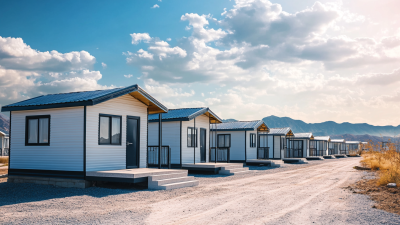
You know, over the past few years, the idea of Integrated Cabins has really taken off in the construction and housing world. It’s all thanks to some pretty cool tech advancements and a rising demand for living spaces that are both efficient and comfy. A recent report from MarketsandMarkets even predicts that the modular construction market will hit a whopping USD 157 billion by 2023! That’s mainly because of breakthroughs in design and materials that make cabins more functional and visually appealing. At Nantong Huasha Movable House Co., Ltd., we’re super proud to be leaders in this field. Since we started back in 2005, we've been all about Container Houses, expandable homes, and light steel structures. Our dedication to quality and innovation really sets us apart as your go-to partner for integrated solutions. We cover everything from site selection and design to production, installation, and even technical support. As we look ahead to the future of Integrated Cabins, we're excited to redefine what comfort and efficiency mean, aiming to set new benchmarks in manufacturing and design excellence.
Envisioning the Future of Best Integrated Cabins: Innovations That Redefine Comfort and Efficiency

Innovative Design Principles Shaping Integrated Cabin Comfort

Envisioning the Future of Best Integrated Cabins: Innovations That Redefine Comfort and Efficiency

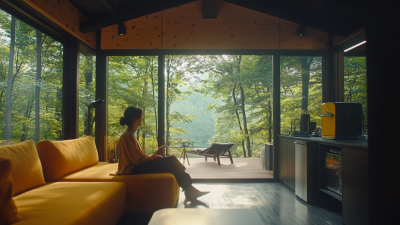
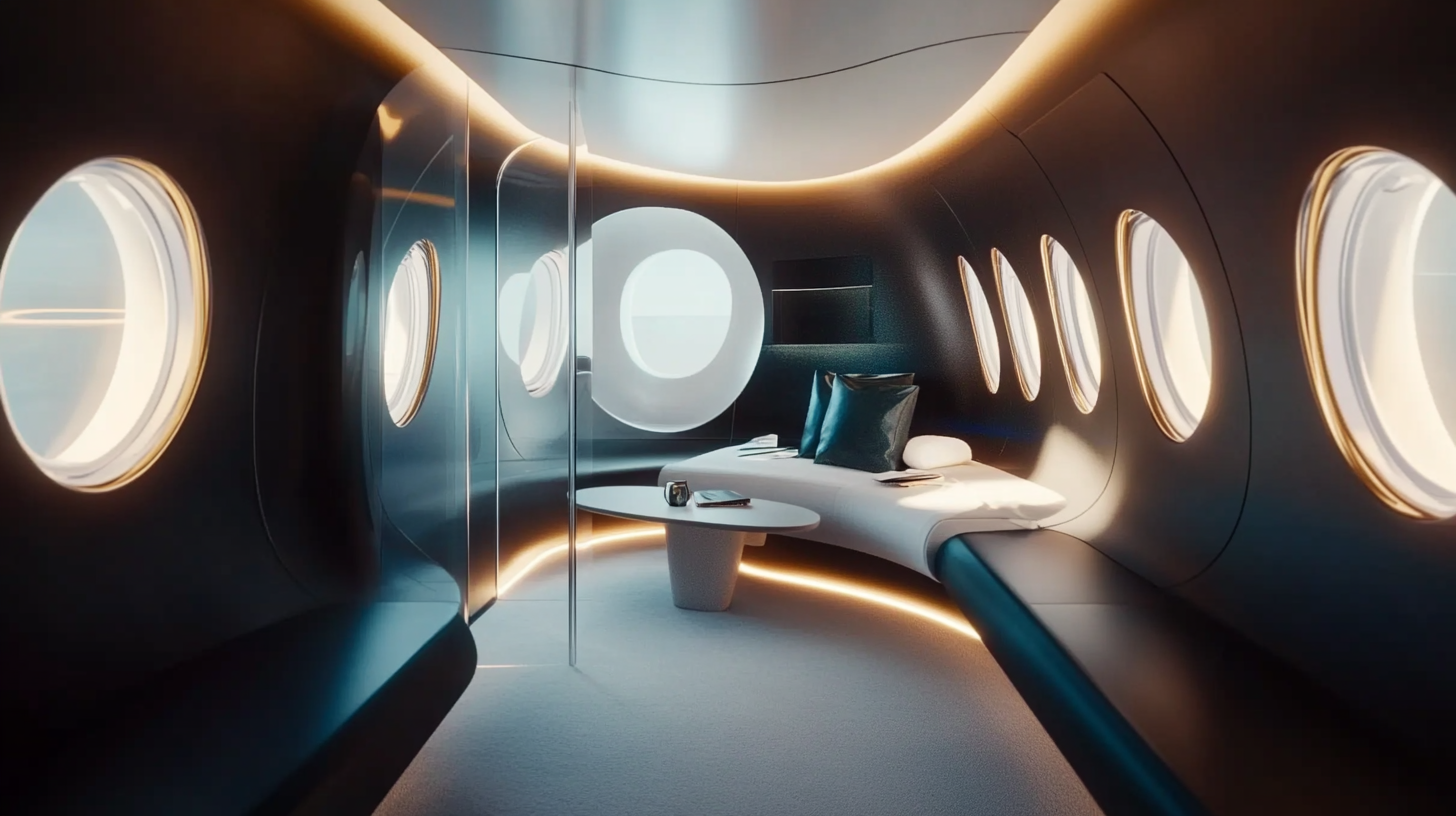
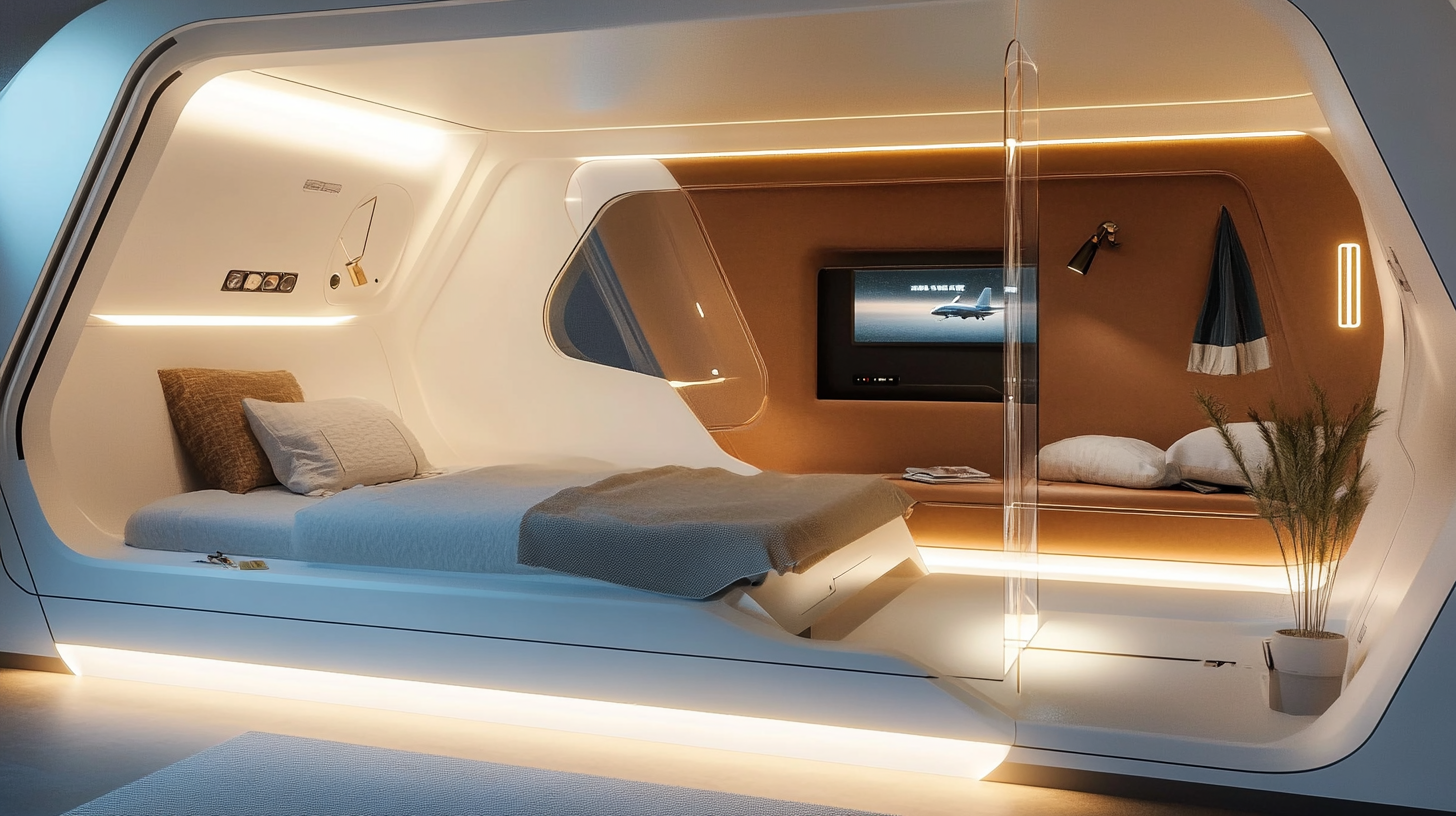
In the realm of integrated cabin design, innovative principles are at the forefront of transforming comfort and efficiency. Modern cabins are no longer just about aesthetics; they serve as multifunctional spaces that cater to the diverse needs of users. One of the key design philosophies is the concept of modularity, allowing for customizable layouts that can adapt to various activities—be it work, relaxation, or social interaction. This flexibility not only maximizes space but also enhances the overall user experience, making every inch of the cabin purposeful.

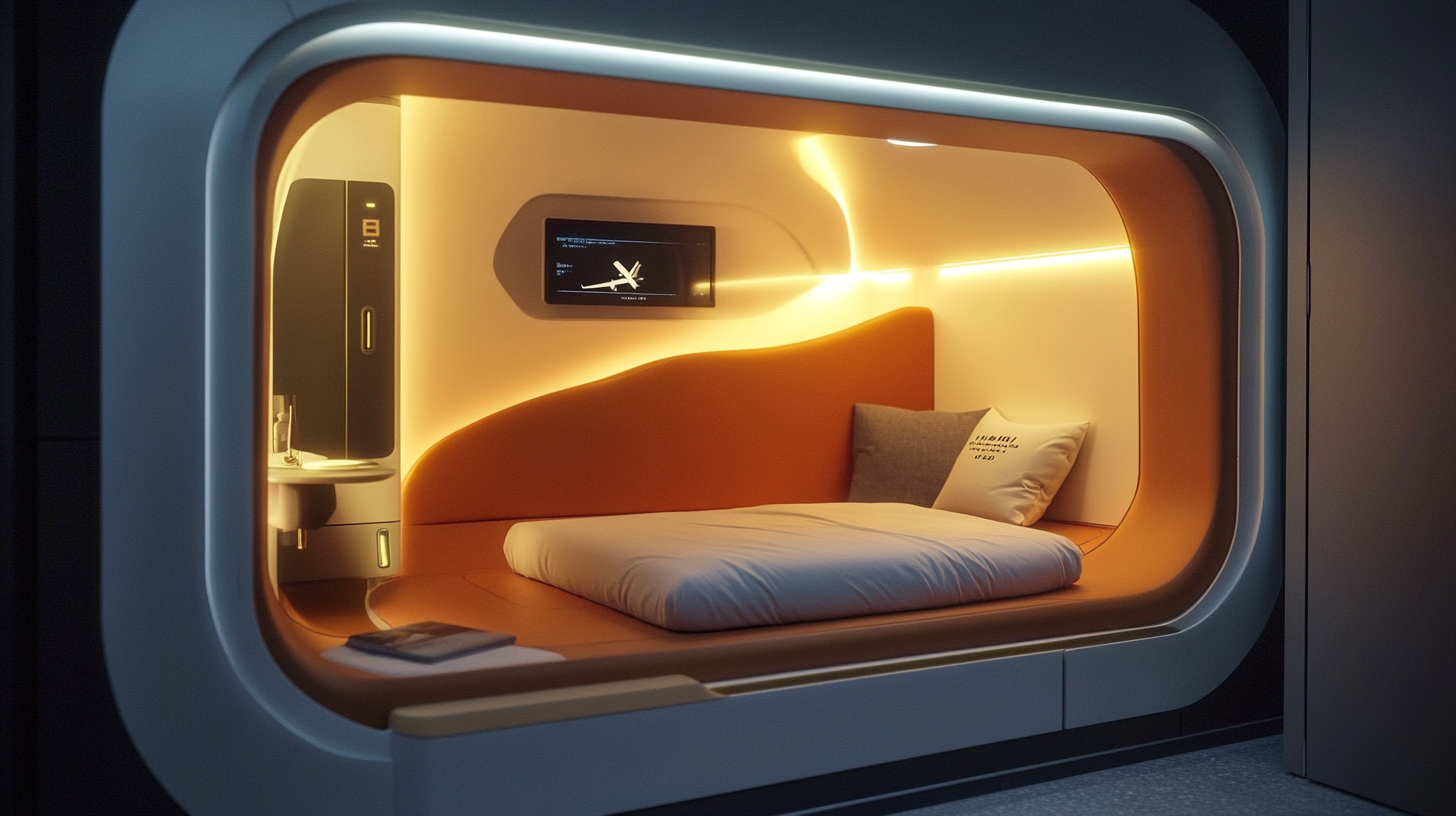
Another integral principle shaping the future of cabin design is the incorporation of smart technology. Intelligent systems that monitor and adjust lighting, temperature, and sound create an environment tailored to the user’s preferences. For instance, integrating biometrics can personalize comfort settings based on individual needs, while automated systems can optimize energy usage, underscoring sustainability without sacrificing luxury. Such innovations not only elevate comfort but also contribute to a more efficient living experience, ultimately reimagining what an integrated cabin can be.

Smart Technologies Revolutionizing the Cabin Experience

You know, the world of air travel is changing really fast, and it’s exciting to see how smart technologies are making our time in the cabin even better. Airlines are jumping on the bandwagon, using advanced AI systems to give us more personalized travel options. Think about those handy AI booking assistants—they make reserving your flights a breeze! These little innovations not only simplify how we interact but also help make our flying experience feel more special. It’s all about making sure we feel valued during our journey, right?

And let’s not forget about the cool immersive technologies that are taking the cabin experience to a whole new level. These fancy infotainment systems and multi-sensory features are really changing the game for in-flight entertainment. They make everything way more interactive and fun! Now, with just a touch or even a voice command, we can tweak the cabin lighting and temperature to our liking. It’s pretty awesome to customize our own little space up in the sky, promoting a level of comfort like never before. As we peer into the future, it's clear that these advancements are shaking things up in the aviation world, paving the way for a travel experience where ease and innovation go hand in hand.

Sustainable Materials: The Future of Eco-Friendly Cabin Interiors

You know, the future of cabin interiors is really taking a big step towards being more sustainable. Airlines and manufacturers are finally getting on board with using eco-friendly materials and tech in their designs. I just read a report that says using sustainable materials can cut CO2 emissions by as much as 30%! That’s pretty amazing and totally fits with the industry’s push to shrink its environmental footprint. We’re seeing some cool stuff, like seats made from recycled materials and cabin interiors made of plant-based elements. Not only do these innovations boost passenger comfort, but they also help out with operational efficiency big time.

So, if you're wondering how to make a cabin more sustainable, one great tip is to add smart technologies that really optimize resource use. For instance, using sensors to track and manage power consumption can significantly cut down on waste. Plus, choosing lightweight materials is super important too because they can really help improve fuel efficiency without skimping on style. As the industry hypes up for events like AIX 2025 in Hamburg, it's clear that working together in cabin design is going to be key to hitting those eco-friendly targets.

With big players in the aviation world committing to circular supply chains and sustainable innovations, it’s starting to look like the cabin of the future is going to be not just comfy, but also responsibly green. Completely adopting these strategies could really make a huge difference for the aviation industry and beyond.

Envisioning the Future of Best Integrated Cabins: Innovations That Redefine Comfort and Efficiency - Sustainable Materials: The Future of Eco-Friendly Cabin Interiors

Dimension Description Innovative Material Impact on Efficiency Benefits
Seat Comfort Enhanced ergonomics for prolonged seating Recycled foam padding Reduces material waste Improved passenger satisfaction
Panel Materials Lightweight and durable interior panels Bamboo composite material Lowers aircraft weight Enhanced fuel efficiency
Lighting Solutions Adjustable mood lighting LED fixtures with solar technology Energy-efficient lighting Lower energy consumption
Cabin Air Quality Improved air filtration systems Natural fiber air filters Enhances passenger health Reduction in allergens
Sustainable Amenities Eco-friendly in-flight products Biodegradable toiletries Minimizes environmental footprint Positive brand image

Enhanced Multi-functional Spaces for Maximum Efficiency

When we think about the future of top-notch integrated cabins, it's super important to focus on making multi-functional spaces that really boost efficiency. You know, with the introduction of cool new materials like self-cleaning polymer-based metamaterials, we’ve got some exciting chances to enhance light management without sacrificing comfort. These materials can actually diffuse around 73% of sunlight that comes in, turning cabin interiors into bright, welcoming spaces. Plus, this can help keep energy costs down and really improve the quality of living overall.

Envisioning the Future of Best Integrated Cabins: Innovations That Redefine Comfort and Efficiency Here’s a thought: bringing in adaptable designs in cabin layouts can really up the usability factor. Think about using modular furniture that you can easily change around based on what you’re doing or how many people are hanging out.

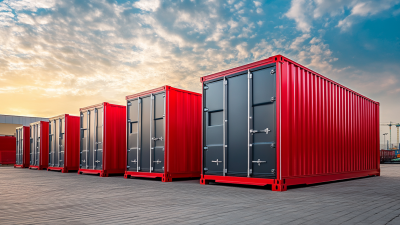
And let’s not forget about flexible designs, kind of like hybrid spaces, which fit right in with what people need these days. Companies like Nantong Huasha Movable House Co., Ltd. are making it possible for folks to customize their living areas with cool container houses and expandable solutions. This way, you’re maximizing both space and functionality. Not to mention, this kind of adaptability really promotes sustainability while also making life more enjoyable.

So, why not dive into using multipurpose furniture and adjustable spaces? That way, you can make sure every square meter does something special—just makes sense, right?

Personalization Trends in Cabin Design for Passenger Satisfaction

You know, the future of cabin design is really about to change in some pretty exciting ways, mainly because people are all about personalization these days. Travelers aren’t just looking for a ride anymore; they want comfort and customization that really speaks to their individual needs. You can totally see this shift in all the cool features popping up, like adjustable seats, mood lighting controls, and even smart climate settings, all tailored to give folks the ultimate travel experience.

If you’re thinking about how to add those personalized touches in cabin design, try modular furniture that can be moved around according to what each passenger likes. It’s super cool because it lets everyone create a space that feels just right for them. And let’s not forget about tech! Imagine being able to control everything in your cabin through an easy-to-use app—that’s just gonna boost comfort while making passengers feel more in charge of their experience.

Plus, using innovative materials and designs can really take passenger satisfaction to the next level. Think about it: multi-functional surfaces that adjust for working, relaxing, or anything in between can help travelers make the most out of their space. And you know what? Listening to feedback through digital platforms is a game changer, giving valuable insights into what passengers really want, and that’s gonna set the stage for more personalized cabin designs in the future.

FAQS

: What are the key design principles shaping integrated cabin comfort?

: The key design principles include modularity, allowing customizable layouts, and the incorporation of smart technology for personalized experiences.

How does modularity enhance cabin design?

Modularity maximizes space and enhances user experience by allowing layouts to adapt to various activities such as work, relaxation, or social interaction.

What role does smart technology play in modern cabin design?

Smart technology helps monitor and adjust lighting, temperature, and sound, creating a tailored environment that meets individual user preferences while optimizing energy usage.

How can biometrics be used in cabin design?

Biometrics can personalize comfort settings based on individual needs, enhancing the overall cabin experience for users.

What impact do AI-powered systems have on air travel?

AI-powered systems streamline the reservation process and provide personalized travel solutions, making interactions simpler and more tailored to individual preferences.

In what ways are immersive technologies improving the cabin experience?

Immersive technologies enhance infotainment systems and create multi-sensory features, making in-flight entertainment more interactive and enjoyable for passengers.

How can passengers customize their in-flight environment?

Passengers can adjust cabin lighting and climate through touch or voice commands, allowing them to create a comfortable and personalized atmosphere.

What are the sustainability benefits of smart cabin technologies?

Automated smart systems optimize energy usage, contributing to sustainability without compromising luxury and comfort.

How are airlines using technology to ensure passengers feel valued?

Airlines are integrating advanced technologies such as AI and personalized systems to enhance passenger engagement and cater to individual preferences throughout their journey.

What is the significance of the advancements in cabin design for the future of aviation?

These advancements signal a transformative shift in the aviation industry, promoting an ease of travel where comfort and innovation work together harmoniously.
Nathaniel

Nathaniel

Nathaniel is a dedicated marketing professional at Nantong Huaxia Temporary Housing Co., Ltd. - Optimization Project, where he leverages his expertise to drive the company's outreach and engagement. With a profound understanding of the company's product offerings, he excels in articulating the......
Previous Mobile Home Quality Assurance Top Reasons for Global Buyers