Inquiry
Form loading...
You know, in this fast-changing housing market, more people and families are exploring some pretty creative options that shake up the old idea of homeownership. Modular House designs are really leading the charge here, bringing flexibility, sustainability, and the chance to make it your own. I get it, with the buzz around modular homes, it can feel overwhelming at times. But don’t worry! With the right tips and a bit of guidance, you can actually find that perfect space that feels just right for you.
Here at Nantong Huasha Movable House Co., Ltd., we’ve been pushing the boundaries in the modular housing scene since we kicked things off back in 2005. We focus on Container Houses, expandable homes, light steel structures, and those cool movable pods. Our goal is to help you out with everything – from picking the best spot and designing your home to making it all happen with installation and support. We really care about innovation, which means that every project we take on meets top-notch quality and can be customized to fit your vision. So, come along as we dig into some key insights about modular house designs that could help you make smart choices for your future home.
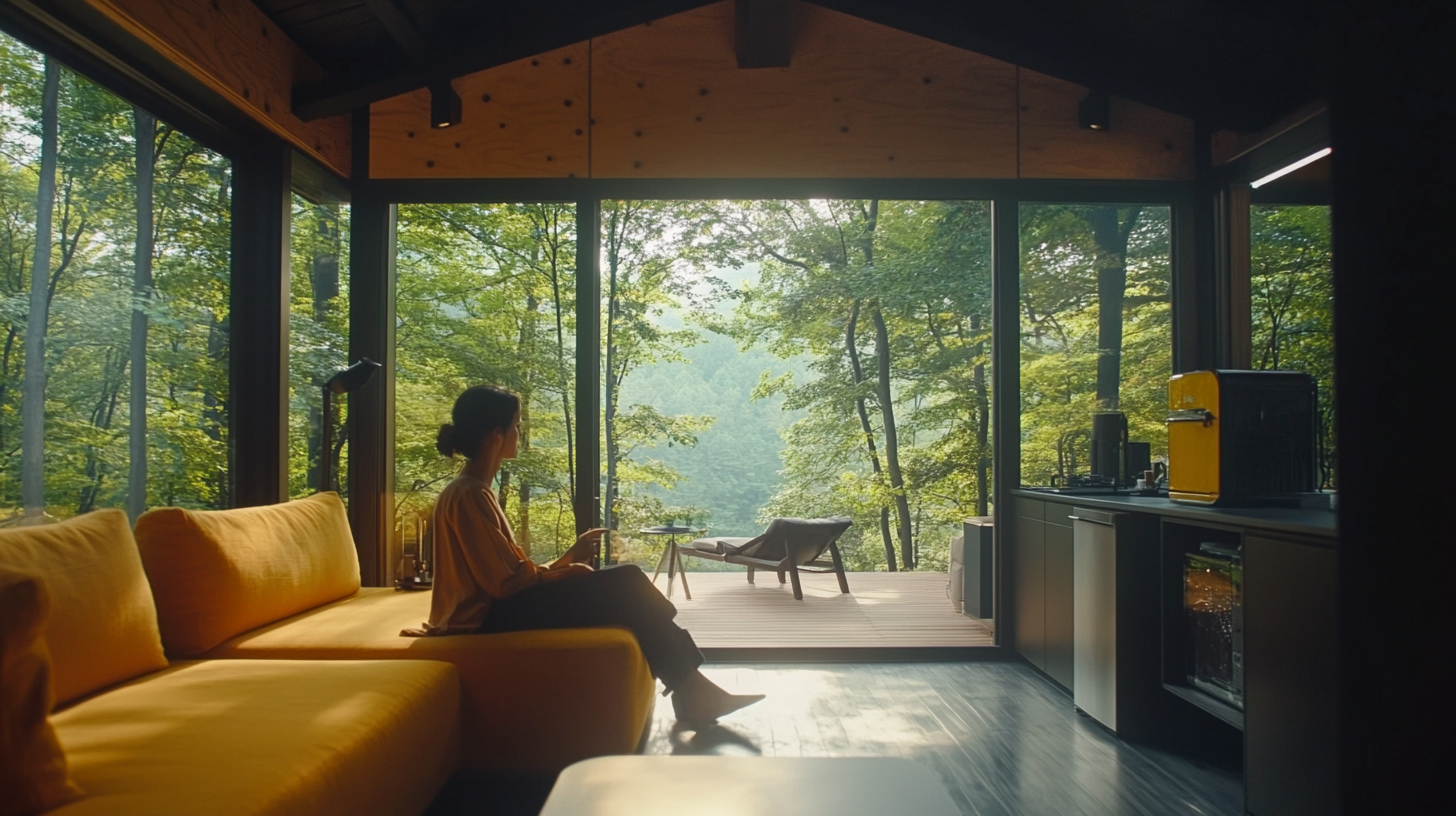
You know, modular homes are really starting to catch on as a popular choice for modern living. It’s like we’re having this big change in how we think about and build our homes. Unlike those traditional houses that go up piece by piece on-site, modular homes are actually produced in sections inside a factory. This whole factory setup speeds things up quite a bit and ensures a better level of quality since each part is made exactly to spec. People today are looking for homes that are efficient, affordable, and friendly to the environment, and modular homes really fit the bill for this fast-paced lifestyle we all lead. Plus, there's a growing buzz around green building practices, and modular homes totally align with that trend. They’re often designed with energy efficiency in mind, using eco-friendly materials and smart insulation to keep energy costs down. Not to mention, the way they’re built in factories means less waste goes into landfills, making them a great choice for anyone who cares about the planet. And as technology keeps getting better, you’ll notice that modular home designs are getting sharper and more stylish, with lots of options to customize them according to what you like and need. But it’s not just about the practical stuff—modular homes are a flexible way to handle various living situations, whether you’re looking for a cozy spot for your family, a trendy vacation getaway, or even a home that can grow along with you as your family expands. This flexibility really allows folks to pick a place that can adapt over time. So, as modular homes continue to rise in popularity, they’re shaping up to be this smart solution that balances function and modern aesthetics, offering us a fresh take on what home really means these days.
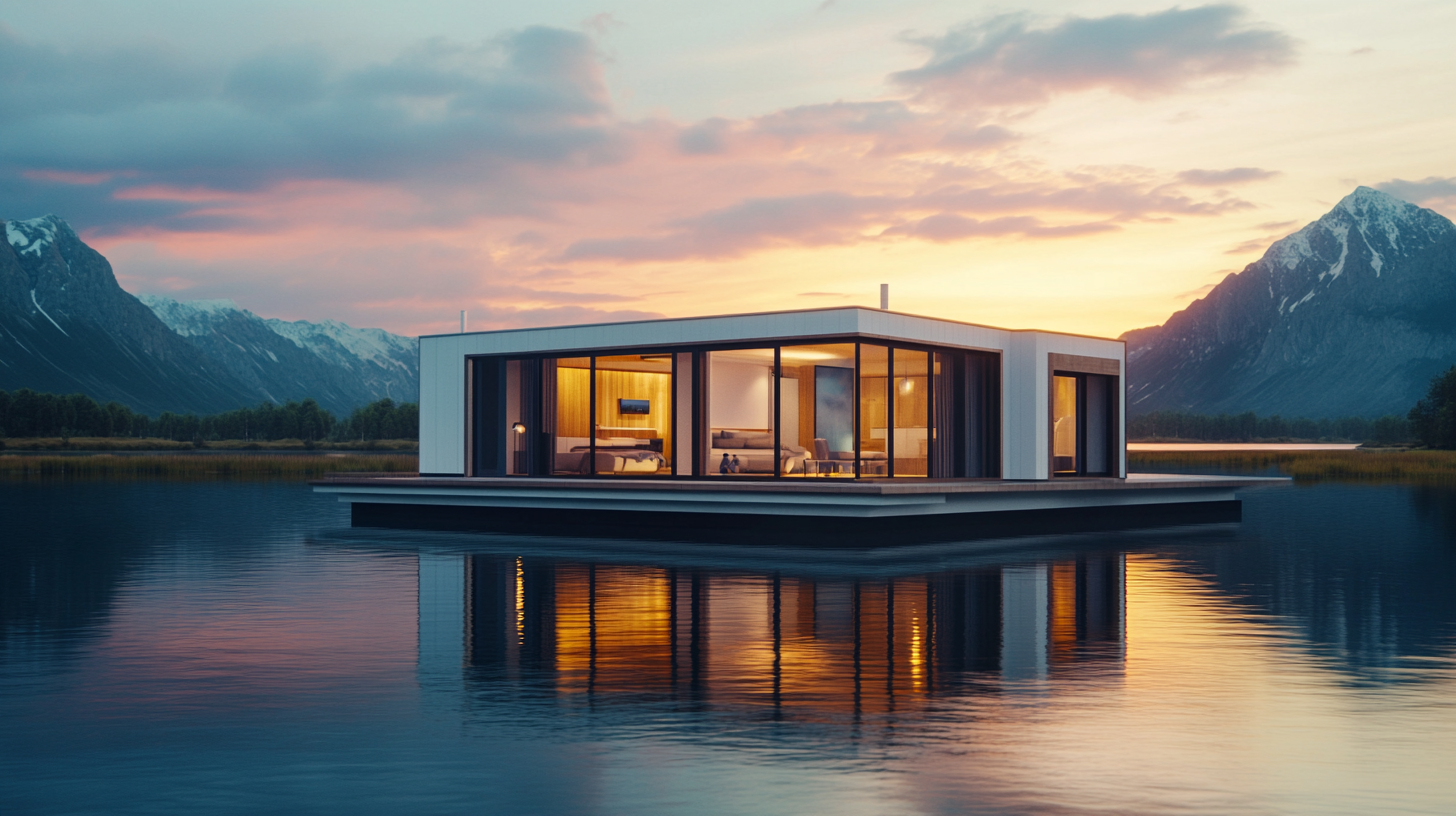
So, if you’re thinking about modular homes, it’s really important to get a grip on the key parts, especially when it comes to materials and design choices. You want to make sure you’re crafting your dream living space! The Modular Building Institute points out that modular construction usually involves high-quality materials, which, by the way, are often way more sustainable than the usual building methods you see around. A lot of manufacturers are now using energy-efficient materials, and that’s a win-win: it cuts down on the environmental footprint and can save homeowners some cash on those utility bills.
Now, let’s talk about design flexibility—it’s huge! Homebuyers get to pick from a ton of designs, styles, and layouts, which can be personalized to match their taste and lifestyle. The U.S. Census Bureau even released a report showing that modular homes are really catching on because of this customization, with completed modular homes shooting up by about 30% over the last ten years. How cool is that? This flexibility means you can add awesome features like open floor plans, sleek modern kitchens, and even eco-friendly landscaping.
On the construction side of things, modular homes are pieced together in a factory and then assembled on-site, which really cuts down on construction time and labor costs. It makes everything go smoother and allows for better quality control since the modular units are built in a more controlled environment. A 2022 study from IBISWorld backs this up, showing that the modular home industry is growing steadily, projected to increase by about 6.4% each year. This really highlights a trend towards efficient and green housing solutions. If you get a handle on the materials and design choices, you’ll be better equipped to navigate your options and really bring your vision of the perfect living space to life.
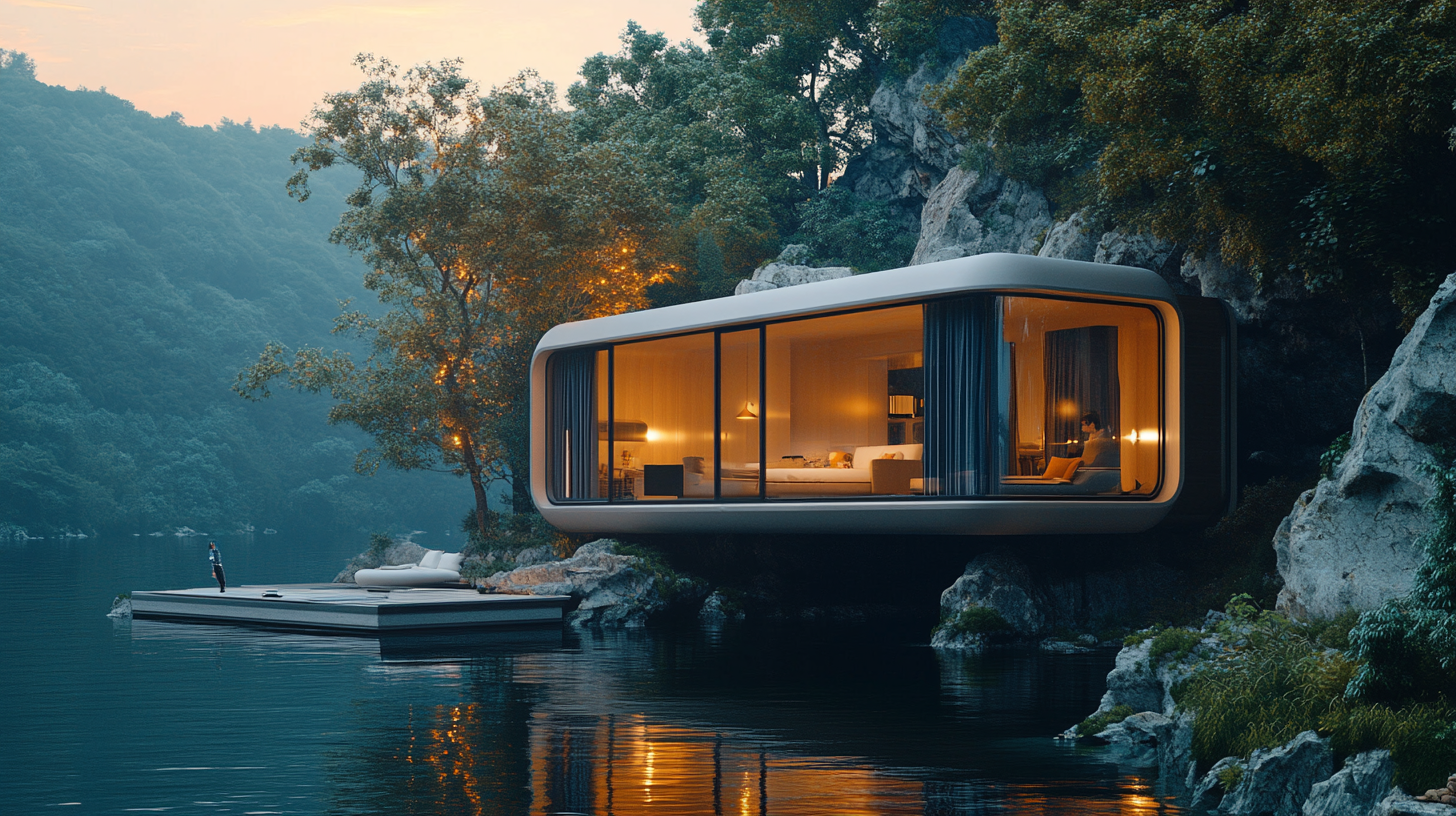
So, thinking about buying a home? One of the biggest things you'll want to keep in mind is the cost. Modular homes are popping up as a really appealing alternative to traditional builds. They’re not just cheaper; they’re also pretty efficient when it comes to construction. Generally, modular homes cost way less than your typical houses. Why? It’s mainly because the manufacturing process is all streamlined, which cuts down on labor costs and saves money on materials. Plus, building those modules in a factory speeds things up, so you’re not waiting around forever to move in.
But don’t just stop at the construction costs! It’s super important to also think about the long-term financial picture. Modular homes can be more energy-efficient, thanks to modern insulation and solid materials used during production. That means you might save a whole lot on your utility bills down the line, which is definitely a sweet perk for going modular. Also, there are some financing options and incentives out there specifically for modular homes that can really tip the scales in their favor against traditional houses.
That said, you’ve got to look at the bigger picture, not just the price tags. Sure, the initial costs and potential energy savings are huge, but you should also think about things like land prices, zoning laws, and how easy financing is to get. As the housing market shifts, modular homes are looking like a smart choice for folks wanting a modern design, quick move-in, and some serious savings. They definitely deserve a spot on your list when you’re diving into today’s real estate scene.
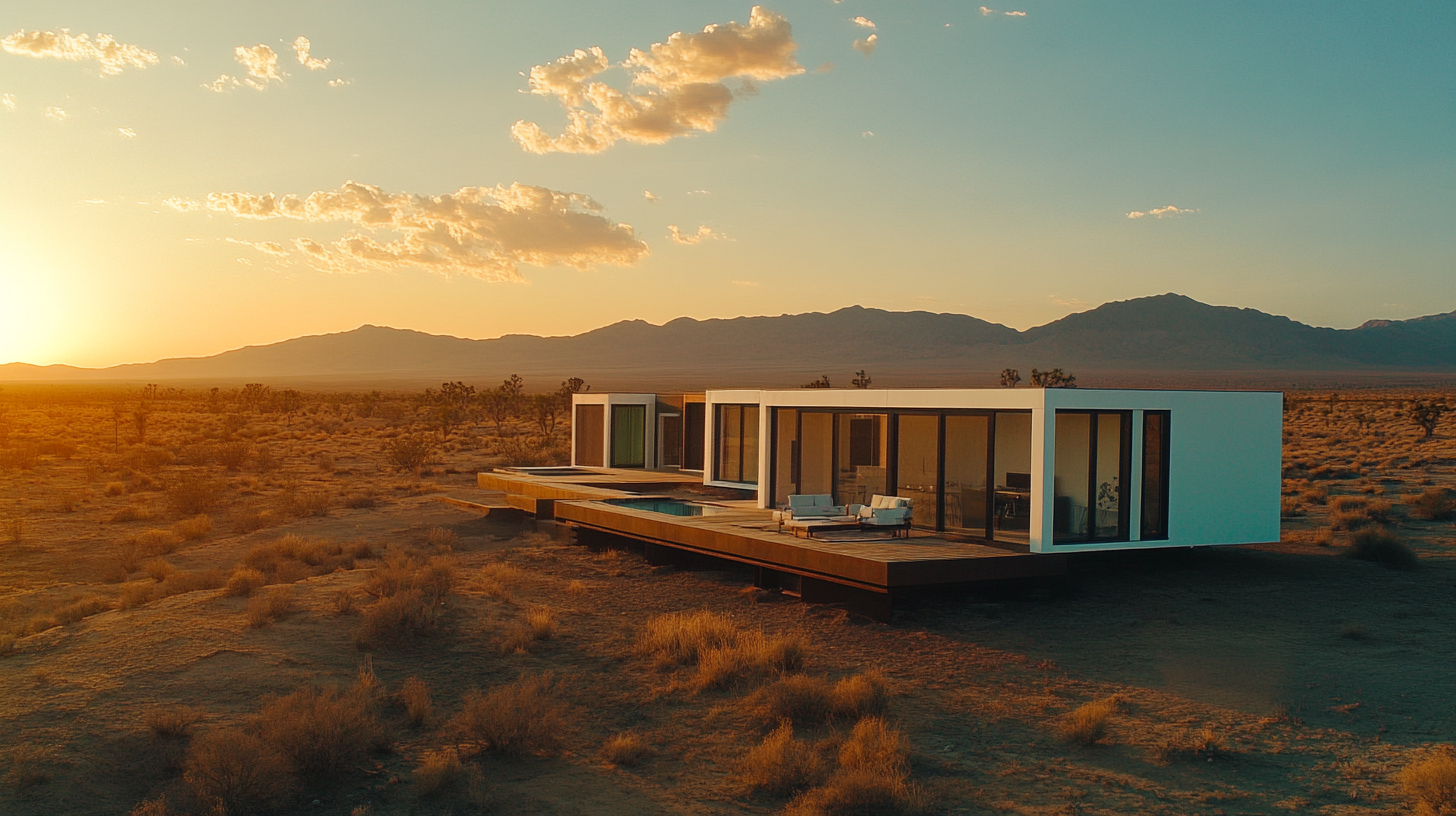
You know, modular home construction really stands out as this innovative way to boost sustainability in the housing market. Unlike those traditional building methods that often create a ton of waste and take forever to finish, modular homes are constructed right in a factory. This approach really kicks efficiency up a notch! It means that there's way less material going to waste since any leftovers can actually be used for other projects. So, when you think about it, the environmental impact of building a new home takes a nosedive. That definitely makes modular homes a smart pick for anyone who's trying to be more eco-friendly.
On top of that, these homes often use sustainable materials, which just ramps up their green credentials. Many manufacturers really focus on using local and recycled materials. This not only helps cut those pesky transportation emissions but also gives a boost to local economies. With cool innovations like energy-efficient insulation and paints that have low VOCs — that means fewer nasty chemicals floating around — modular homes really shine when it comes to energy performance. Homeowners can enjoy lower utility bills while also shrinking their carbon footprint, which is a win-win!
And let’s not forget another cool aspect: modular homes often come with the ability to integrate green technologies. A bunch of these homes are designed with features like solar panels, rainwater collection systems, and smart heating and cooling. These kinds of upgrades not only create a sustainable living vibe but also let homeowners wean off traditional energy sources. As more people start looking for eco-friendly living spaces, modular homes are really stepping up to the plate, offering a blend of style, comfort, and sustainability all wrapped into one.
Jumping into the world of modular homes can honestly be super exciting! But hey, it’s got its fair share of challenges too, especially when you start looking at zoning laws and building codes. Seriously, before you get too deep into building your dream modular home, you've got to wrap your head around these regulations. It’ll save you from a world of headaches and delays down the line. Zoning laws, for example, really dictate how land can be used and what kind of structures are cool in specific areas, and let me tell you, these can really differ from one spot to another. So, doing your homework on local ordinances is key to making sure your modular home checks all the zoning boxes—like setbacks, density rules, and land use designations.
Now, as for building codes, these are all about setting the bar for safety standards that your modular home has to meet. Think of them as the rules that keep your home safe and ready to live in, covering everything from electrical systems to plumbing and even fire safety stuff. When you’re on the hunt for a modular home manufacturer, definitely ask about their experience with local building codes. Trust me, having that know-how can really save you from a lot of stress during the building process. Plus, don't forget—you'll need to snag the right permits, which usually depends on a solid look at both zoning and building codes, before any construction can kick off. By tackling these regulations upfront, you're setting yourself up for a way smoother ride toward your perfect living space.
So, you’re thinking about building your dream modular home? That’s super exciting! But before you dive in, you really need to nail down the right manufacturer. Trust me, who you choose can make a huge difference in the quality of your home and how smooth the whole process goes. First off, take a good look at the manufacturer’s reputation. Check out some online reviews and testimonials from folks who’ve worked with them before. You want to feel good about your choice, right? A company that’s known for being reliable and doing top-notch work will help you feel confident in what you're investing in.
Next up, let’s talk about customization. Not every modular home builder is the same when it comes to design options. You’ll want to find one that can really capture your vision. Take a peek at their portfolio—do they have styles that resonate with you? And don’t forget to ask about the materials they use! The quality of these materials can seriously impact how long your home lasts and how sustainable it is in the long run.
Lastly, think about how supportive the manufacturer is during the building process. Good communication is key, especially when it comes to timelines and budgets. You want someone who’s got your back and can help you deal with any bumps along the road. A manufacturer that offers great customer service can help ensure your experience is as enjoyable as it should be, turning your dream home into a reality. By checking out these points, you’ll be in a much better spot to pick a manufacturer that really meets your needs and expectations. Here’s to a fantastic home-building adventure ahead!
Getting the hang of financing a modular home can actually be a bit of a maze, but don’t worry—figuring out your loan options can really help you get to that dream space you've been eyeing! You know, the National Association of Home Builders has found that modular homes can save you a good chunk of change—like anywhere from 10% to 20% compared to stick-built houses. It mostly boils down to quicker construction times and cheaper labor, which definitely makes these homes a pretty appealing choice for folks looking to buy.
Now, when it comes to financing, you’ve got a few paths to choose from. There are conventional loans, FHA loans, and USDA loans on the table. Conventional loans usually expect about a 20% down payment, so if you’re looking into a modular home, you might want to start saving! On the flip side, FHA loans can let you in for as little as 3.5% down, making it a lot easier for people who might not have a ton saved up. Fun fact: around 30% of new home purchases are backed by FHA loans, which just shows how popular they are, especially for first-timers.
But hey, remember that there’s more to think about than just the home itself. You’ll need to factor in things like buying land, preparing the site, hooking up utilities, and don’t forget insurance! Some experts say you might need to budget an extra 20% to 30% on top of your home’s cost for these extras—pretty important stuff to keep in mind while you’re crunching the numbers. But with the right loan and a solid budget, diving into modular home financing can be an exciting and fulfilling adventure towards creating your ideal space!
You know, the modular home industry is really going through some exciting changes right now, thanks to some cool new technologies and shifting likes and dislikes from buyers. A recent report by Grand View Research says that the global modular home market could soar to an impressive $197.1 billion by 2026, which is a pretty hefty growth rate of 6.2% each year. This surge is mainly because there’s a growing need for affordable housing options and because building practices are just getting more efficient overall.
One of the major game changers in this field is the way they're evolving building materials. More and more folks are seriously into eco-friendly materials and sustainable designs these days. Using recycled materials and energy-efficient systems isn’t just helping cut down the carbon footprint of these homes—it’s also tapping into the feelings of environmentally-conscious buyers, which is pretty great to see! Plus, with all the robotics and automation popping up in the construction phase, they’re getting production down to a science, making build times shorter and labor costs lower.
Oh, and I can’t forget to mention smart home technology! It’s really making waves in the modular home scene. More and more homeowners are all about staying connected, so smart devices and home automation systems are becoming a must-have. A survey from the National Association of Home Builders found that a whopping 69% of buyers want smart home features! That’s a clear sign that people want more tech integrated into their living spaces. Because of this trend, manufacturers are stepping up their game, designing homes that come with built-in smart systems—which is not only super convenient but also kind of boosts the value of these modular homes.
So all in all, with these tech advancements and a strong push towards sustainability, the future of the modular home industry is looking really bright. It’s shaping up to be a solid choice for anyone looking at modern living options.
Modular homes are pre-fabricated sections constructed in a factory, which are then assembled on-site, offering a modern approach to home building that enhances efficiency and quality control.
Modular homes often utilize sustainable materials, advanced insulation techniques, and produce less waste during construction, contributing to lower energy consumption and a reduced carbon footprint.
Modular homes offer significant design flexibility, allowing homeowners to choose from various styles, layouts, and features that can be tailored to their preferences and lifestyle needs.
Modular homes are built in factory-controlled settings, minimizing construction time and labor costs, and ensuring consistent quality through controlled environmental conditions.
Key trends include the increased use of eco-friendly materials, the integration of smart home technology, and advancements in robotics and automation that streamline production and reduce build times.
The global modular home market is expected to grow significantly, reaching $197.1 billion by 2026, driven by rising demand for affordable housing and innovative construction practices.
Modular homes provide flexible living solutions that can adapt to various needs, making them suitable for cozy family dwellings, vacation retreats, or scalable options for growing families.
Incorporating smart home features and automation systems is becoming standard, enhancing the convenience and value of modular homes as consumers prioritize connectivity in their living spaces.
The use of energy-efficient materials and advanced production methods not only reduces environmental impacts but also can lead to lower utility costs for homeowners.
The modular home industry is projected to grow at a compound annual growth rate (CAGR) of 6.4%, reflecting a shift toward efficient and eco-friendly housing solutions.