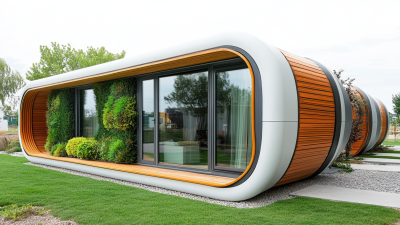
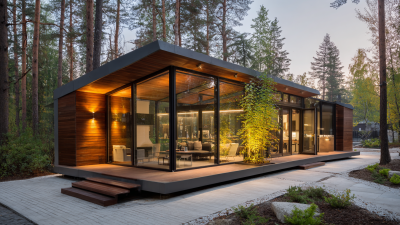
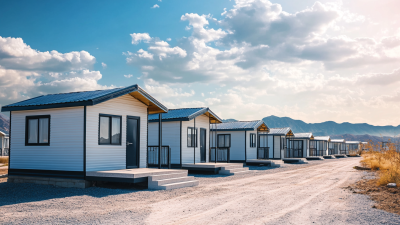
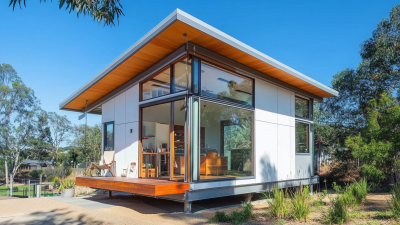
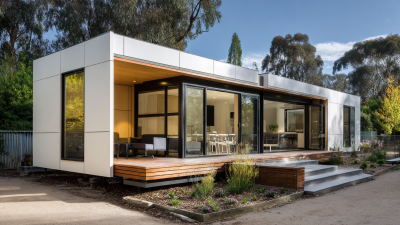
As we get closer to 2025, it's pretty clear that the world of pre-made homes is about to go through some serious changes, mostly thanks to new tech. I was reading a report from Grand View Research, and it looks like the global market for prefab homes might hit around $114 billion by then—with a solid growth rate of about 6.5% annually. A big part of this boom is because more people want affordable, eco-friendly housing options. Nantong Huasha Movable House Co., Ltd., which started back in 2005, is really leading the charge in this space. They focus on Container Houses, expandable homes, and light steel structures, offering a full package—from picking the site and designing to manufacturing, installing, and even guiding clients through the whole process. With smart tech and better materials coming into play, these prefab homes aren’t just about meeting demand—they’re really changing what modern living looks like, making homes more efficient, flexible, and sustainable than ever before.
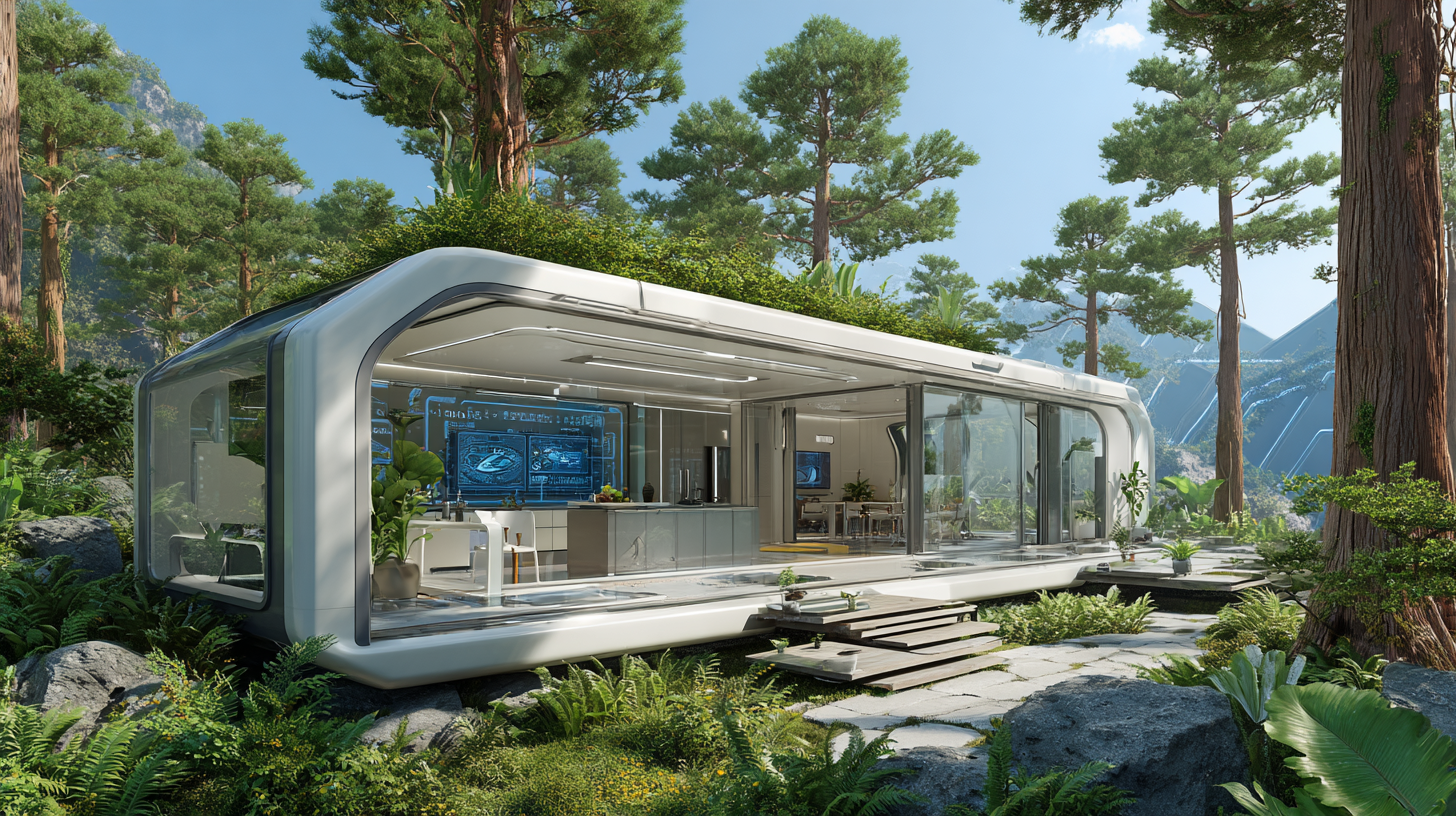
The Rise of Prefabricated Homes: A Game Changer in Modern Housing
Lately, the whole scene around prefabricated homes has really started to change how we think about modern living—especially with the world’s population still on the rise. There’s just so much demand for housing everywhere, and Modular Homes are kind of taking the spotlight because they’re a practical solution to the housing affordability crunch. I’ve read some reports that suggest the market for prefabricated building systems could grow a lot between 2025 and 2035, mainly because construction methods that save time and are more eco-friendly are becoming a big deal. More companies are jumping on board with cutting-edge tech in offsite construction, which is pretty cool—it means we can get homes that aren’t just cheaper but also friendlier to the planet.
Here at Nantong Huasha Movable House Co., Ltd., we like to think we’re leading the charge in this movement. We offer innovative options from helping you pick the right site to installing your new place. Whether it’s container houses or lightweight steel structures, our modular builds really show what’s possible with this kind of construction. With cities getting more crowded and property prices climbing, tiny homes are becoming a popular choice—these small but smart spaces are perfect for young folks or anyone looking to downsize without sacrificing style or comfort. And looking ahead, the integration of smart tech into these prefabs is going to make living in them even better—basically, the future of modern homes is getting more exciting every day.
Exploring the Future of Best Pre Made Homes in the 2025 Technology Landscape
| Category | Features | Average Cost (USD) | Market Growth Rate (2025) | Sustainability Rating |
| One-Story Homes | Energy-efficient, Open floor plans | 150,000 | 10% | A |
| Two-Story Homes | Maximized space, Eco-friendly materials | 220,000 | 12% | A+ |
| Luxury Modular Homes | Custom designs, High-end appliances | 350,000 | 15% | B+ |
| Eco-Friendly Homes | Solar panels, Green roofs | 200,000 | 18% | A++ |
| Affordable Housing Units | Compact designs, Budget-friendly | 100,000 | 20% | B |
Innovative Technologies Transforming the Prefab Home Industry
You know, the prefab home industry is really about to go through some major changes—like a total tech makeover—that could completely change how we think about building and living in our homes. It’s pretty exciting, especially with all these cool innovations like AI, automation, and eco-friendly practices coming into play. These aren’t just fancy buzzwords either; they’re actually helping us build smarter, faster, and cheaper homes. I read recently that modular construction could cut building times in half—that’s huge! It means we could respond to housing needs much quicker. Plus, as we aim for zero-net-energy homes, these new techie approaches are making it easier to pick sustainable materials and methods that help fight climate change without sacrificing quality.
If you’re looking to keep up with all these rapid changes, here are a few tips: First off, think about adding smart home gadgets that boost energy efficiency—stuff like smart thermostats or connected lights. The Internet of Things can really make your home more responsive to both your needs and the planet’s. Also, it’s worth looking into collaborations with companies that focus on innovative, green building materials—methods that are good for the environment but still get the job done. Basically, blending efficiency with sustainability isn’t just the future; it’s the smart move now if you want to stay ahead in this fast-moving game.
Sustainability and Efficiency: The Green Benefits of Pre Made Homes
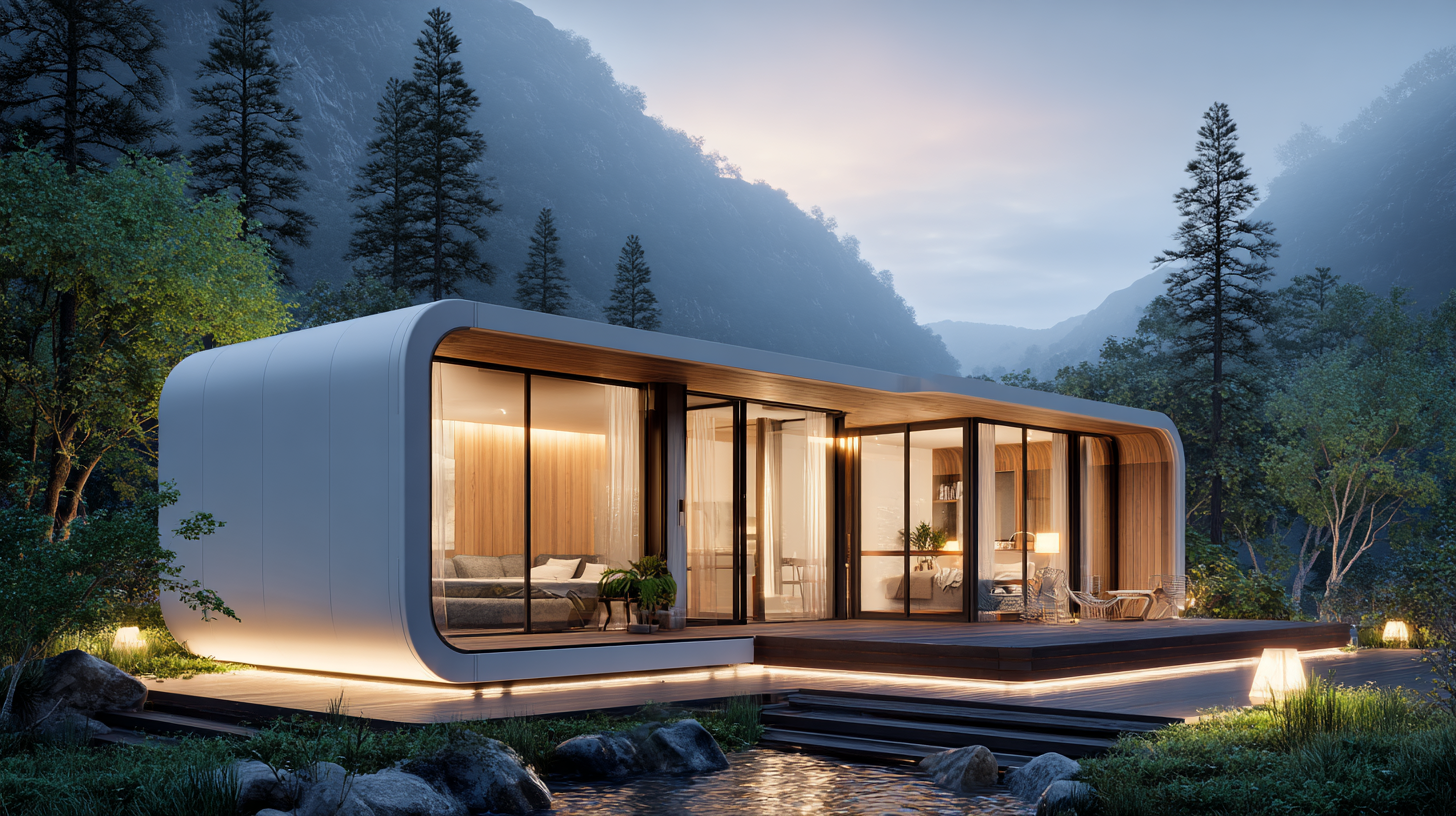
Looking ahead to 2025, when we think about pre-made homes, one major thing to keep in mind is how sustainable and energy-efficient they really are. I came across a recent report from the International Energy Agency (IEA) that estimates residential buildings use around 30% of the world's energy. That’s a huge chunk! Now, with pre-fabricated homes using cutting-edge materials and smart building techniques, there’s a real chance to cut that number down quite a bit. Thanks to innovations like modular construction and energy-saving systems, these homes can sometimes use up to half the energy that traditional homes would need.
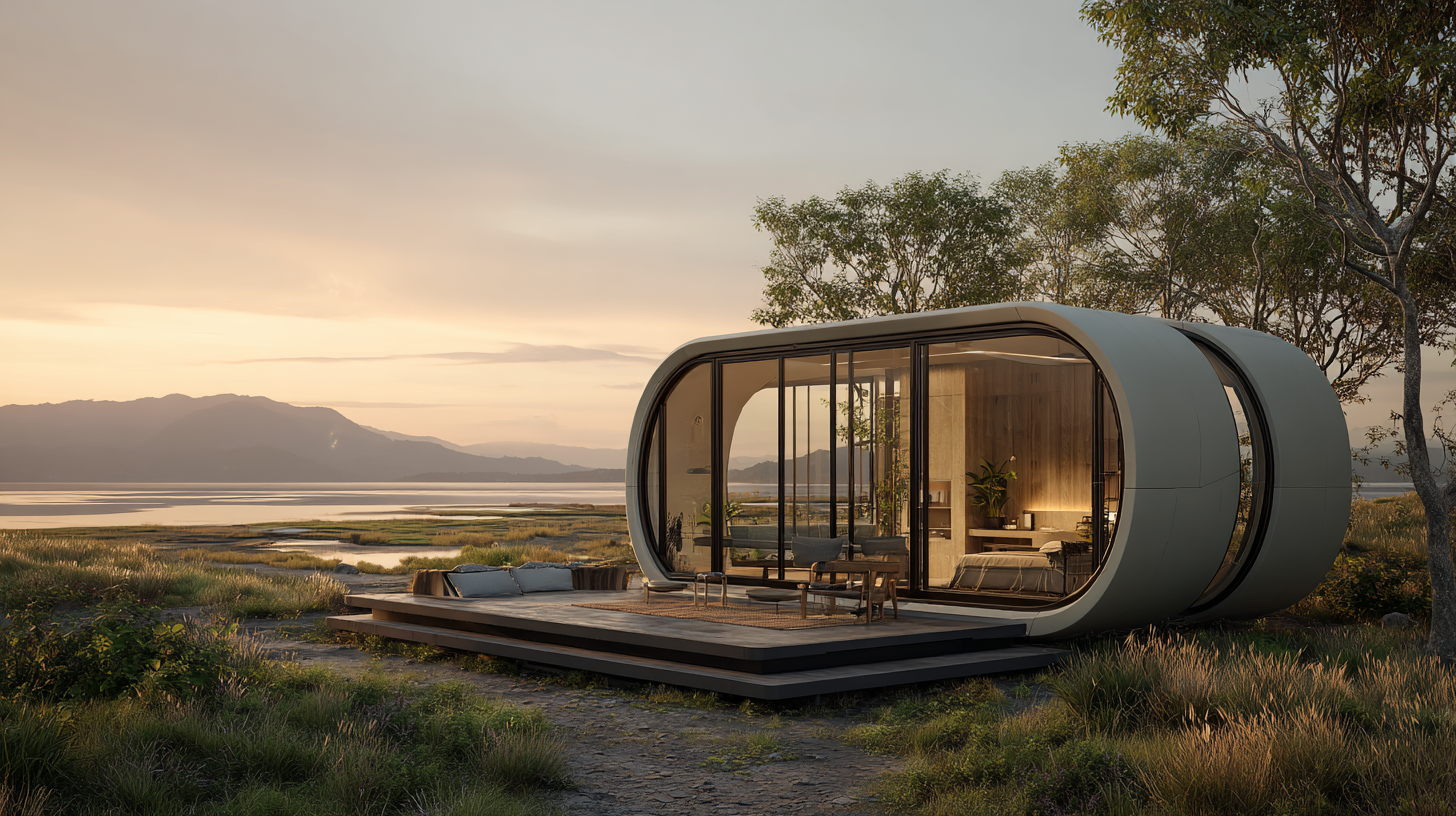
And it’s not just about saving energy — the whole green building vibe is really gaining momentum. The World Green Building Council pointed out that buildings designed with sustainability at the forefront can slash greenhouse gas emissions by around 30%. A lot of these pre-made homes are already using eco-friendly materials, better insulation, and even renewable energy sources like solar panels. It’s no wonder they’re becoming such a popular pick for folks who want to do right by the planet.
As more people start looking for sustainable living options, the pre-made housing market is only going to grow, playing a bigger role in creating energy-efficient communities in the years to come.
Global Trust: How Chinese Factories Set Standards for Quality Prefabs
You know, the world of prefab housing is changing super fast right now, especially with Chinese factories basically setting the gold standard globally. Over the last few years, Chinese companies have really pushed the envelope when it comes to building technologies. This means they can put together homes that are not only cheaper but also surprisingly quick to assemble. I mean, there’ve been cases where a whole ten-story building was finished in just over a day—that’s mind-blowing! All this focus on speed and efficiency is really giving China a serious edge in the international prefab market.
What’s even more interesting is how China’s influence is starting to reach places like Kenya and New Zealand, where the need for affordable housing is huge. They’re planning to export thousands of flat-pack homes—kind of like big Lego pieces—offering a pretty practical fix for housing shortages. And it’s not just developing countries; even places like Australia, which face similar challenges, are paying attention. As China keeps leading the way in prefab construction, it’s likely that industry standards around the world will change quite a bit. People are definitely watching—will this be seen as a threat, or the start of some exciting new innovations in how we build homes? Honestly, it’s an open question, but one thing’s for sure: the game’s definitely evolving.
Future Trends: Anticipating Consumer Demand in Home Construction
Looking ahead to 2025, it’s pretty clear that the world of home building is about to change a lot, mainly because people’s tastes and priorities keep evolving. One big thing we’re seeing right now is how much more folks are into sustainable and energy-efficient homes. More and more buyers are into eco-friendly stuff — like solar panels, energy-efficient appliances, and using greener building materials. It’s not just about saving the planet, but also about cutting down costs in the long run, which makes a lot of sense these days.
On top of that, technology is really shaping what people want in their homes. With smart home tech becoming more mainstream, people are looking for homes that are easy to control and connect with. Things like smart thermostats and automated lighting are no longer just fancy extras — they’re pretty much a must-have. Plus, the rising trend of modular and pre-built homes is appealing to those who want flexible living spaces that still come with all the modern comforts. All these shifts point to a future where homes will be a mix of eco-friendly designs and smart tech, really reflecting what today’s consumers are after — more convenience, sustainability, and innovation.
Future Trends in Pre-Made Homes: Projected Growth by Market Demand (2025)
Building Resilience: The Role of Prefab Homes in Disaster Recovery Solutions
With natural disasters becoming more and more common, it’s more important than ever to have resilient housing options. Have you heard about prefab homes? Companies like Nantong Huasha Movable House Co., Ltd. are really stepping up in disaster recovery. Founded back in 2005, they’ve been focusing on creative building solutions—things like container homes and expandable structures—that can be set up quickly in areas hit by disasters. These homes aren’t just about fast assembly; they’re built to last, giving families a safe place to shelter during those tough recovery times.
Looking ahead to 2025, the tech world is set to shake up the prefab housing scene even more. With new advancements in materials and smart home tech, we’re probably going to see homes that aren’t only functional but also super energy-efficient and eco-friendly. Nantong Huasha is all-in on providing a full range of services—from helping choose the best site to installing the homes—making them a real leader when it comes to helping communities bounce back after crisis hits. Through our innovative prefab homes, we hope to boost resilience and give people a bit of hope when things get really tough.
Exploring the Benefits of 20ft 2-Bedroom Prefab Container Homes for Modern Living
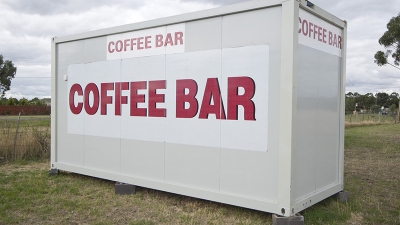
In recent years, prefab container homes have gained significant traction as a modern living solution, particularly the 20ft 2-bedroom designs. These homes not only maximize space efficiency but also offer several benefits that resonate with today’s fast-paced lifestyles. One of the primary advantages is their quick assembly, which saves time and reduces the hassle typically associated with traditional construction methods. The compact design of 20ft models provides a cozy environment while maintaining functionality, making them ideal for small families, couples, or individuals seeking minimalist living.
For those who need a little more space, the 40ft integrated cabin serves as a remarkable alternative. This option doubles the living area compared to its 20ft counterpart while minimizing the required local work. It’s perfect for those who appreciate the idea of mobile living but don’t wish to sacrifice comfort. Furthermore, the length of the cabin can be customized based on land availability, allowing homeowners the flexibility to make the most of their property. Potential buyers are encouraged to reach out for additional variations, ensuring that everyone can find the right fit for their unique lifestyle and needs.
Incorporating modern amenities and customizable features, both the 20ft and 40ft models make prefab container homes an attractive choice for contemporary living. With their efficient designs and ease of installation, these homes represent a shift toward more sustainable and affordable housing solutions, offering a pathway to living simply yet comfortably.
FAQS
: Pre-made homes can significantly reduce energy consumption, utilizing up to 50% less energy compared to traditional building methods. They often incorporate eco-friendly materials, improved insulation, and renewable energy sources, leading to a reduction in greenhouse gas emissions.
Pre-made homes are designed with sustainability in mind, featuring advanced materials and techniques that lower their environmental footprint. They can achieve up to a 30% reduction in greenhouse gas emissions due to their design and the use of renewable resources.
Consumers are increasingly prioritizing sustainable and energy-efficient features in their homes, such as solar panels and energy-efficient appliances. Additionally, there is a shift towards customization and integration of smart home technology.
Advancements in technology are driving homebuyers to seek seamless connectivity and automation in their living spaces, such as smart thermostats and automated lighting systems that allow remote control of their environments.
Prefabricated homes can be rapidly deployed in disaster-stricken areas and are designed for quick assembly and durability, providing safe shelter for families during recovery phases.
Nantong Huasha specializes in innovative prefabricated building solutions, including container houses and expandable structures, and is committed to offering comprehensive services from site selection to installation to aid communities in disaster recovery.
By 2025, pre-made homes are anticipated to incorporate even more advanced materials and smart home technologies, further enhancing their role in providing energy-efficient and sustainable living solutions.
The increasing consumer awareness of sustainable living and long-term cost savings associated with energy-efficient homes are key factors driving the demand for pre-made homes.
Pre-made homes aid in community resilience by providing quick and effective shelter solutions during rebuilding efforts after natural disasters, fostering hope and stability for affected families.
Environmentally conscious buyers are looking for features like solar panels, sustainable building materials, and energy-efficient appliances to reduce their carbon footprint.