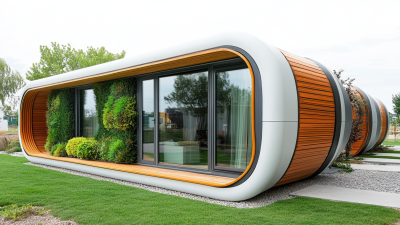
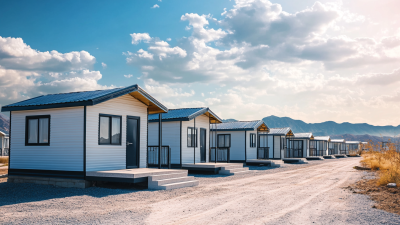
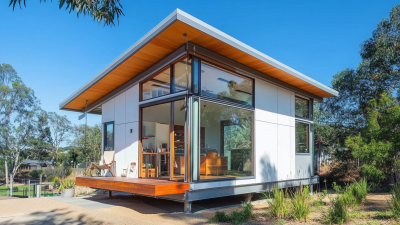
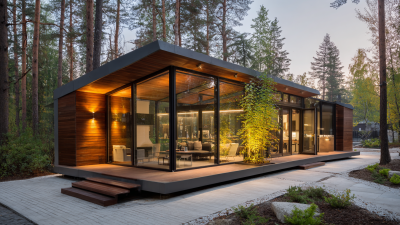
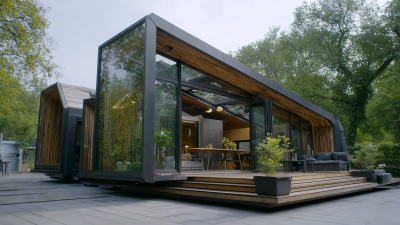
These days, more and more people are chasing sustainable living, and Prefab Homes have really taken off with eco-minded buyers. ATransparency Market Research report puts the global prefab housing market at about $23.6 billion by 2025, driven by growing interest in green building methods and the search for affordable, cost-effective housing. 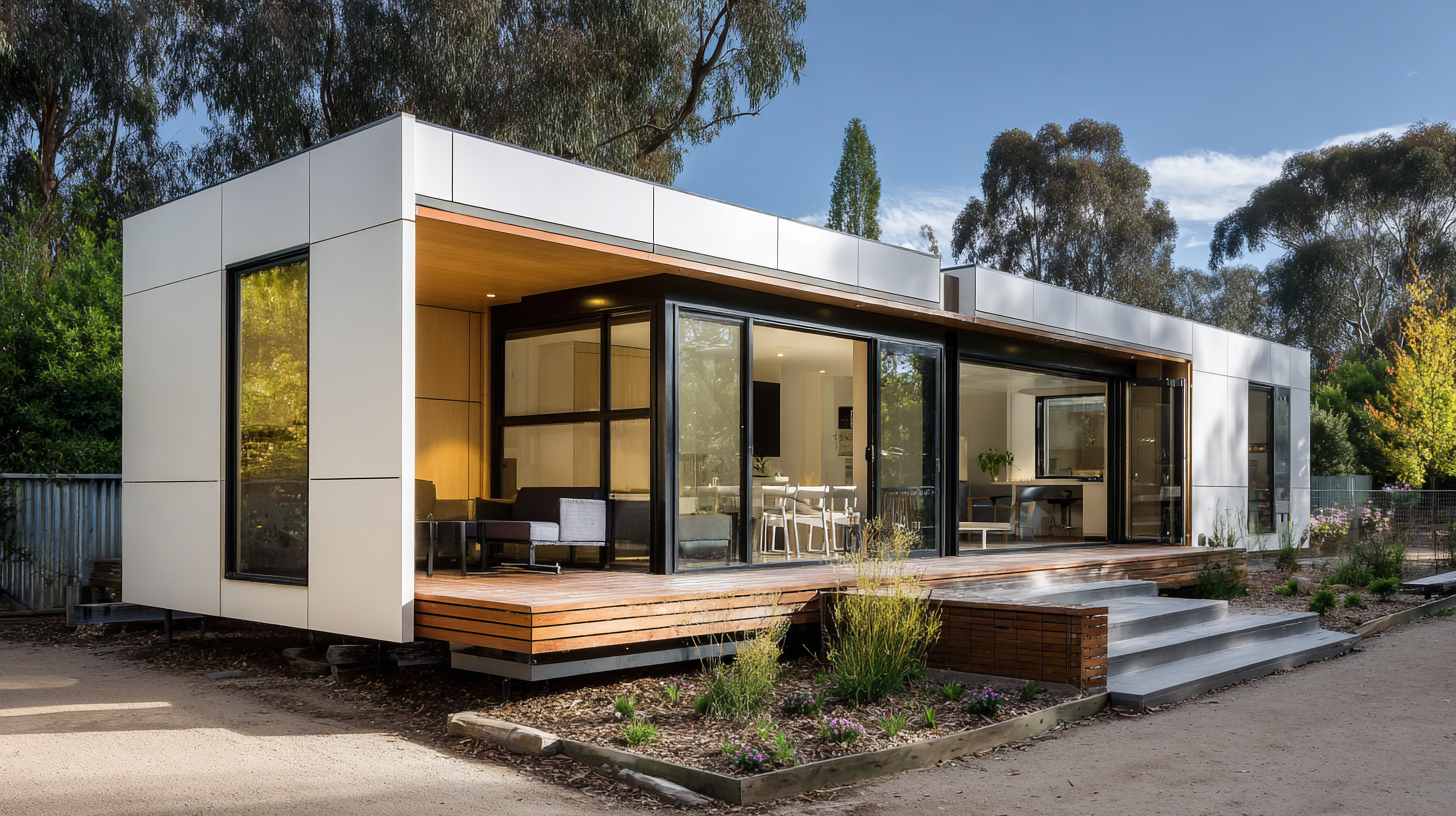 Nantong Huasha Movable House Co., Ltd., founded in 2005, is right there at the forefront of this trend, specializing in Container Homes, expandable houses, and light-steel structure homes. We're all about innovation, and we offer a true one-stop solution—from site selection and design through production and installation to ongoing technical guidance. As prefab homes keep gaining popularity, understanding the key factors to consider when picking a design can really shape your sustainable living journey.
Understanding the Importance of Sustainable Living in Prefab Homes
Living more sustainably is becoming essential as we deal with climate change and shrinking resources. Prefab homes offer a practical path for people who want an eco-friendly lifestyle without giving up comfort or style. These homes are usually built with sustainable materials and designed for energy efficiency, helping residents lower their carbon footprint. Add in features like solar panels, rainwater harvesting systems, and energy-efficient appliances, and prefab homes can cut environmental impact a lot while supporting a healthier way of life.
Grasping why sustainable living matters in the prefab world isn't just about individual choices—it also sets a trend for the whole housing industry. Choosing a prefab home often means opting for a design that's already oriented toward sustainability, which makes it easier for homeowners to live in harmony with nature. The design process tends to favor renewable resources and efficient layouts that cut down on waste. As more people adopt this lifestyle, demand for greener construction practices grows, driving innovations and pushing ecological responsibility to the top of the housing sector's agenda.
Key Features to Look for in Quality Prefab Home Manufacturers
Choosing a prefab home maker for sustainable living isn't about chasing a trend - it's about finding the features that genuinely matter. First up, look for builders who put eco-friendly materials and smart construction at the top of the list. Recycled, reclaimed, and sustainably sourced materials are common in quality shops, because they cut down environmental impact. If they've got certifications like LEED or GREENGUARD, that's a good sign - they show commitment and also usually mean the home performs well on energy efficiency.
Customization matters too. A solid prefab maker should offer a few design options and flexible layouts you can tailor to your family's needs and style. That kind of flexibility helps you shape a space you love while also improving energy efficiency - think about orientation, insulation, and how the layout supports natural heating or cooling. And don't hesitate to ask about their know-how with energy-smart tech - solar panel readiness, high-performance windows, advanced HVAC systems. Those choices can slash your carbon footprint and save you real money on bills over time.
The Ultimate Guide to Choosing the Best Prefab Homes for Sustainable Living
Evaluating Eco-Friendly Materials for Prefab Home Construction
When you’re aiming for a sustainable lifestyle, picking the right materials for a prefab home really matters. Eco-friendly options do more than shrink the environmental footprint; they can actually boost how well the house performs. A report from the U.S. Green Building Council notes that homes built with sustainable materials can save energy—up to about 30%—versus traditional methods. That figure underscores how much the material choice influences a greener, more sustainable life. Among the favorites for eco-minded builders is reclaimed wood. By reusing timber, we help prevent more deforestation and slash the carbon footprint tied to producing new materials. And recycled steel is another strong option for prefab homes—it brings durability and better energy efficiency, too. It can cut total greenhouse gas emissions by nearly 75% compared with virgin steel, per the EPA’s waste-reduction initiatives. Focusing on these materials isn’t just good for the planet; it also helps you create a stylish, modern living space that fits with sustainable values.
The Ultimate Guide to Choosing the Best Prefab Homes for Sustainable Living
| Material Type | Sustainability Rating | Carbon Footprint (kg CO2/m²) | Thermal Performance (R-value) | Recyclability |
| SIP (Structural Insulated Panels) | High | 20 | 4.0 | Yes |
| Bamboo | Very High | 10 | 5.0 | Yes |
| Recycled Steel | Moderate | 30 | 3.0 | Yes |
| Hempcrete | High | 15 | R-3.5 | No |
| Rammed Earth | Very High | 5 | R-2.0 | Yes |
Assessing Energy Efficiency Standards in Prefab Homes
If you're shopping for a prefab home for sustainable living, energy efficiency should be at the top of your checklist. Prefab homes, like the ones designed and built by Nantong Huasha Movable House Co., Ltd., can offer smart, high-efficiency solutions that meet solid standards. The U.S. Department of Energy says energy-efficient homes can cut energy use by up to 30%, which means lower utility bills and a smaller environmental footprint. That matters now more than ever as homeowners tune into their carbon footprints.
Tip: When you're evaluating prefab options, look for designs that put insulation first and include renewable energy options, such as solar panels. Good insulation prevents heat loss in winter and helps keep the home cool in summer, which boosts overall energy efficiency.
And think about the materials too. Sustainable materials don’t just improve longevity; they can also improve indoor air quality. A report from the Sustainable Building Industry Council notes that low-VOC materials can reduce harmful emissions, making your living space healthier.
Tip: Consider working with manufacturers like Nantong Huasha that offer end-to-end service—from design to installation—so your prefab home meets the latest energy-efficiency standards while staying aligned with your sustainability goals.
Recommended Practices for Researching and Comparing Manufacturers
When you're researching prefab homes for sustainable living, quality and eco-friendliness should be at the top of your list. A National Association of Home Buildersreport notes that preFabricated Homes can cut construction waste byup to 90%, which means you can have a real impact on sustainability from the ground up. Start by checking the materials each manufacturer uses—look for homes built with recycled or responsibly sourced materials that line up with green practices.
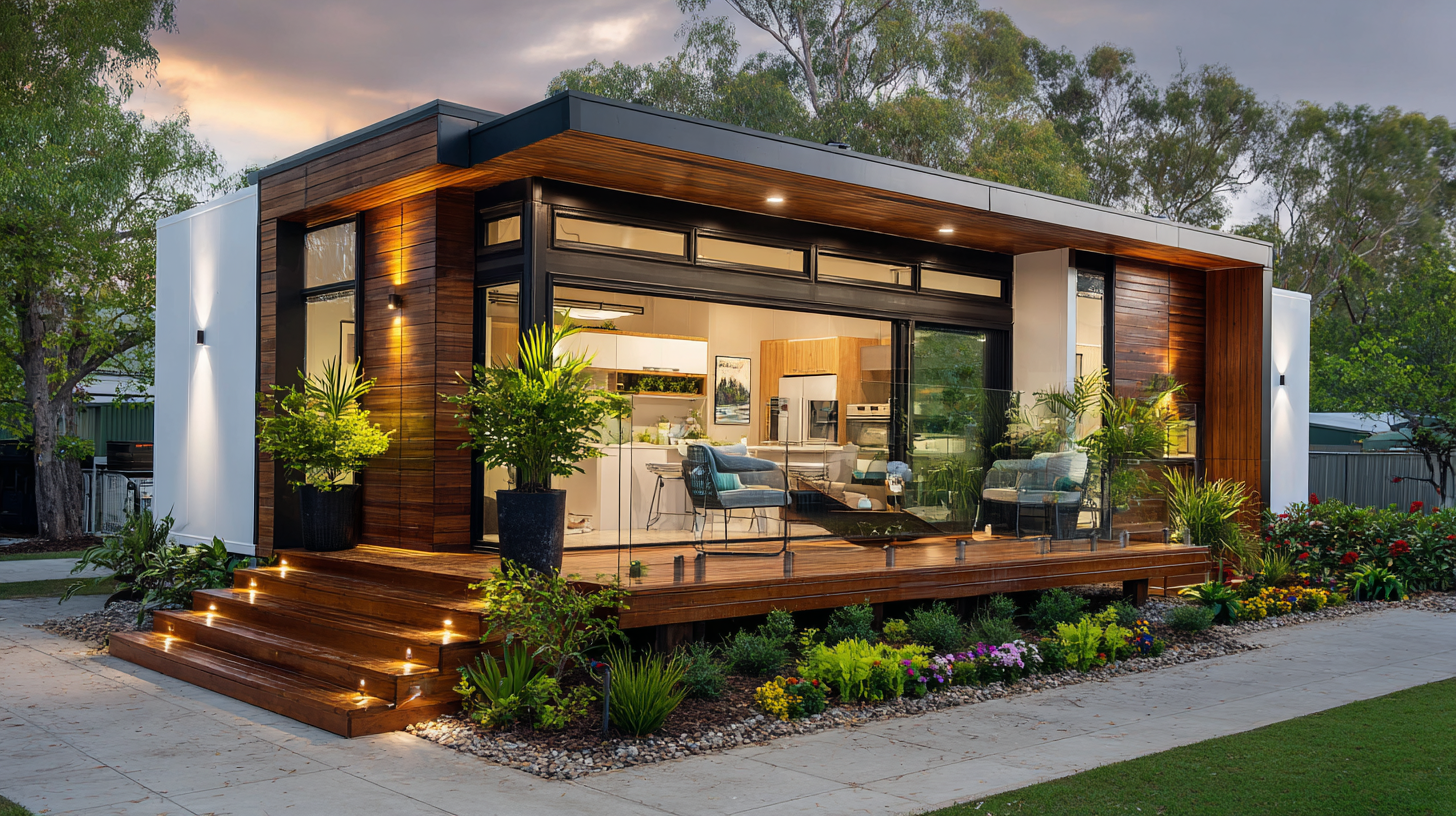
Another big factor is energy efficiency. The U.S. Department of Energy points out that energy-efficient homes can trim energy costs by roughly 30–50%. So, favor manufacturers that offer energy-efficient appliances, better insulation, and options for renewable energy. Online reviews and certifications like LEED or Energy Star can give you an extra layer of confidence. And if you want to simplify things, online comparison platforms can help you compare different prefab home companies and steer you toward the most sustainable choice for your lifestyle.
Questions to Ask Potential Prefab Home Builders Before Committing
Choosing a prefab home is an exciting step toward sustainable living, but you don’t want to rush in without asking the right questions. A Modular Building Institute report puts the prefab market over $130 billion by 2025, a clear sign that people are hungry for efficient, eco-friendly housing. When you’re talking to potential builders, ask about their experience with energy-efficient materials and practices. And here’s the practical bit: homes built with sustainable materials can cut energy use by up to 60%, so you’ll want to know that your builder makes these features a priority.
It’s also smart to ask about certifications and how they handle local building codes. Many prefab homes can earn LEED (Leadership in Energy and Environmental Design) certification, which signals a real commitment to sustainability. The National Institute of Building Sciences has found that buildings designed with sustainability in mind can save 20-30% on energy each year. Before you commit, double-check that your builder understands and applies these standards so your prefab home lines up with your green living goals.
Transform Your Outdoor Experience with Factory Prices Portable Prefab Toilets: Convenience and Comfort Anywhere
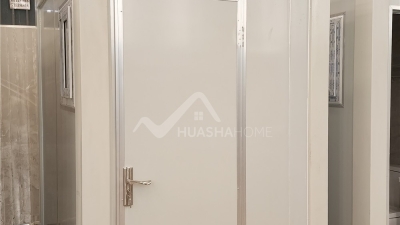
Transforming your outdoor experience is easier than ever with factory prices portable prefab toilets that offer unparalleled convenience and comfort. These meticulously assembled units provide everything you need, from a shower room to a toilet and basin, all in a single, easy-to-move unit. Weighing approximately 560kg, they can be effortlessly transported using a forklift or crane, making them ideal for camping sites, outdoor events, or construction projects.
Designed with durability in mind, the roofs of these portable toilets are constructed from whole steel plates, ensuring they are leak-proof and can withstand the elements. Additionally, they adhere to a variety of power standards, catering to different national requirements. This means you can enjoy modern amenities even in the great outdoors without sacrificing comfort or convenience. Whether you're hosting a festival or just spending a weekend away, these portable toilets enhance your outdoor experience, allowing you to focus on enjoying your time in nature.
FAQS
: Look for manufacturers that prioritize eco-friendly materials, use recycled and sustainably sourced products, and have certifications like LEED or Green Guard.
Certifications reflect the manufacturer's commitment to sustainability and ensure that their homes meet high efficiency standards, minimizing environmental impact.
Customization allows buyers to create designs and layouts tailored to their specific needs, enhancing both aesthetic appeal and energy efficiency.
Look for manufacturers that integrate solar panels, high-performance windows, and advanced HVAC systems to reduce carbon footprint and energy costs.
Inquire about their experience with energy-efficient materials, certifications, adherence to local building codes, and practices for sustainable construction.
Homes built with sustainable materials can reduce energy consumption by up to 60%, making it crucial to prioritize these features in your builder selection.
LEED certification indicates a commitment to sustainability and suggests that the home has been designed and built with energy-efficient practices in mind.
Buildings designed with sustainability principles can yield annual energy savings of 20-30%, contributing to long-term financial benefits for homeowners.