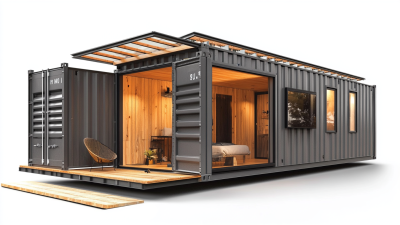
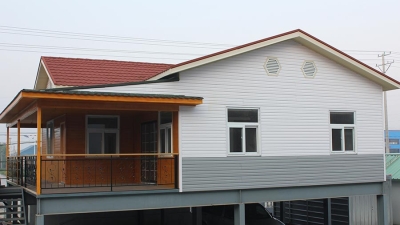
You know, over the past few years, the Manufactured Home market has really taken off, especially in China. It’s pretty impressive, especially considering the whole US-China tariff drama that's been happening. Take Nantong Huasha Movable House Co., Ltd., for instance. They kicked things off back in 2005 and have really made a name for themselves in this tough market. They're all about those container houses, expandable units, light steel structures, and movable pods. What’s cool is they provide a complete package—like, they handle everything from picking the site to design, production, installation, and even technical support. Even with all the global trade tension sticking around, China’s shown it can adapt and keep thriving in the manufactured home game. It really highlights their manufacturing skills and how strategic they are in dealing with economic bumps. In this blog, we’re going to take a closer look at how Nantong Huasha Movable House Co., Ltd. and the entire manufactured home sector are navigating these challenges while still pushing forward and innovating.
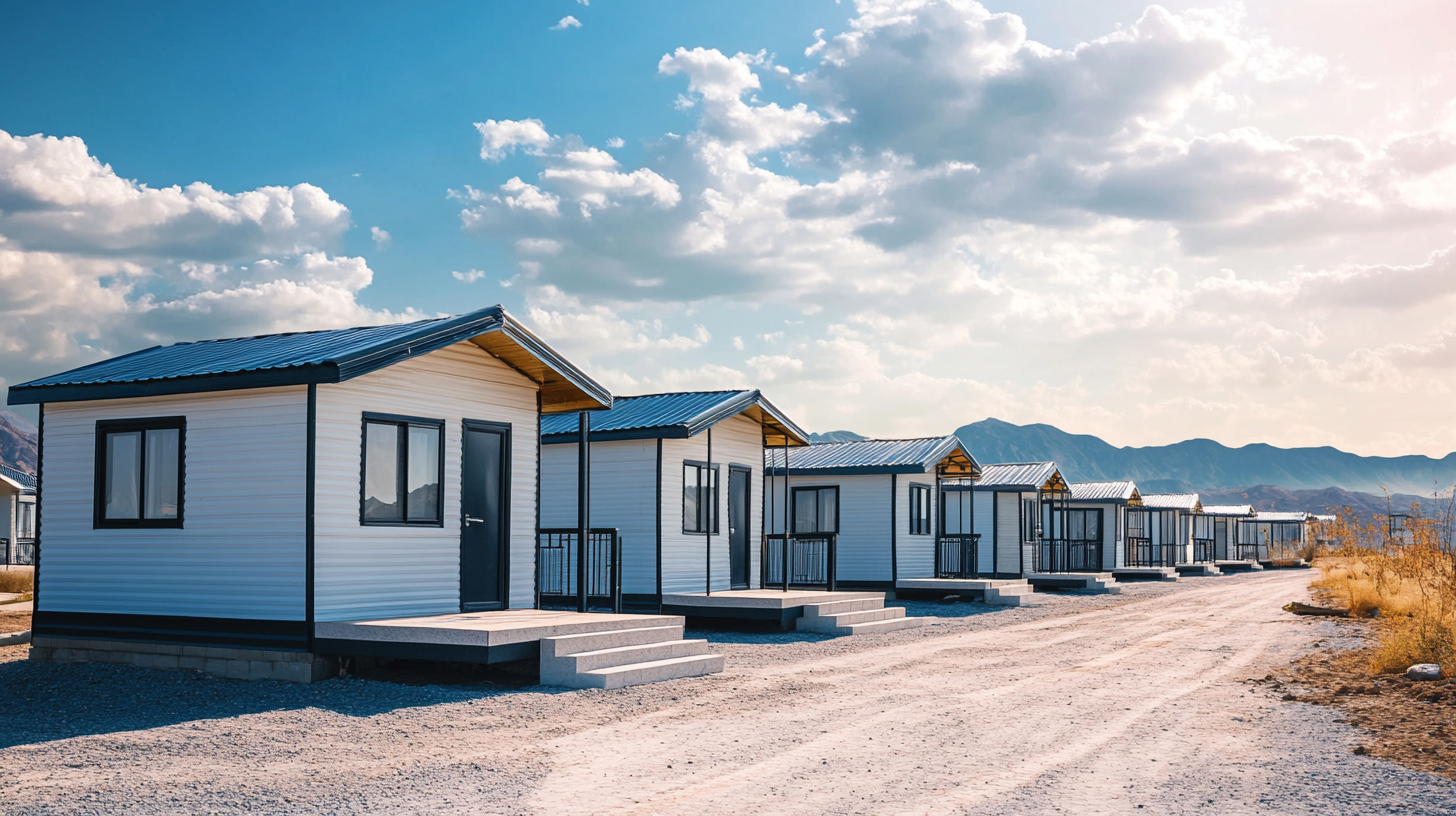
China's Manufacturing Sector: Navigating Tariff Challenges with Resilience
You know, China’s manufacturing scene has really impressed us with its ability to bounce back, even with those pesky tariffs hanging around—especially in the manufactured home sector. It's all about how well companies can adapt and think outside the box to tackle these tricky times. Experts have been saying that, believe it or not, China's exports of manufactured homes shot up by over 15% last year! That’s a pretty encouraging sign that they’re recovering well from the tariff struggles. Take Nantong Huasha Movable House Co., Ltd., for example. They’ve been leading the charge by coming up with cool products like container houses and light steel structures. These options aren’t just innovative; they also meet various global standards without breaking the bank.
What’s really fascinating is that this sector isn't just about cranking out products. It’s about offering a whole package of services too! Nantong Huasha provides a complete solution—from helping pick the site to the design and installation. They really cater to what their customers need. You can see how these manufacturers are rolling with the punches, using the latest tech and smart production methods to keep costs down and speed things up. If you look at the numbers, the global market for modular construction is expected to hit a whopping USD 157 billion by 2023! That’s just another hint of how much potential there is in China’s strong manufactured home sector, especially with all the trade policy ups and downs.
China's Resilient Growth in Best Manufactured Home Sector Amidst US China Tariff Challenges
| Year | Manufactured Homes Exported (Units) | Export Value (Million USD) | Average Tariff Rate (%) | Growth Rate (%) |
| 2018 | 30,000 | 150 | 10 | - |
| 2019 | 35,000 | 175 | 10.5 | 16.67 |
| 2020 | 40,000 | 200 | 15 | 14.29 |
| 2021 | 45,000 | 225 | 15.5 | 12.5 |
| 2022 | 50,000 | 250 | 16 | 11.11 |
The Impact of US-China Tariffs on Manufactured Home Industry Dynamics
You know, the recent hike in tariffs between the U.S. and China has really shaken things up across a bunch of industries, and the manufactured home market isn’t getting a free pass either. With tariffs climbing on imports from China, American manufacturers are caught in a bit of a tricky spot—they’re facing some pretty serious challenges, but there are also new opportunities popping up. The cost of materials coming in from overseas has shot up, which is definitely squeezing profits for a lot of companies that depend on Chinese supply chains. Some of them are even looking into other sourcing options or thinking about ramping up production right here in the U.S. to offset those costs.
On the flip side, China's manufactured home industry has proven to be surprisingly tough. Those manufacturers are really leaning into their solid infrastructure and experience to stay competitive out there. They're focusing on innovation and efficiency, and honestly, it seems like they’re managing to navigate the rough waters brought on by tariffs without missing a beat—they’re still exporting high-quality manufactured homes. This whole situation is making companies rethink their supply chains across the globe, and U.S. companies are having to move quickly to keep up and figure out new ways to deal with the complexities of international trade. As all these adjustments happen, I think we’re going to see the manufactured home industry change quite a bit, shaping the landscape for years to come.
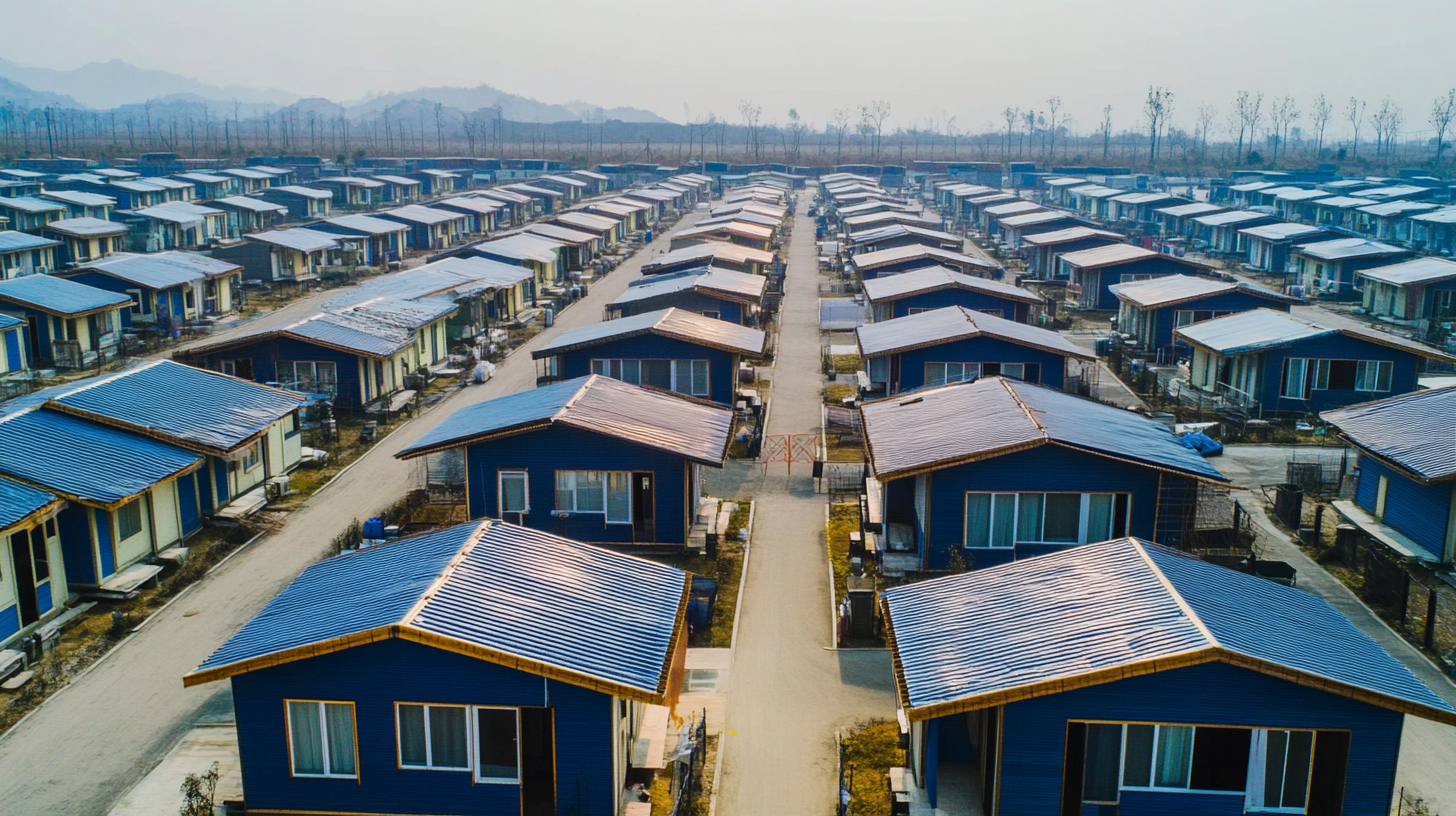
Strategies Employed by Chinese Manufacturers to Maintain Growth
So, with all the ongoing US-China tariff issues, Chinese manufacturers in the manufactured home sector are really stepping up their game to keep growing. A report by IBISWorld suggests that the market for manufactured homes in China could hit an impressive $45 billion by 2024, which really shows just how resilient this industry is. One major strategy they’re using is optimizing their supply chains. They’re not just looking for cheaper materials locally to cut costs, but they're also investing in newer manufacturing tech to boost efficiency and speed things up. This shift has helped them keep their prices competitive, even with all these tariffs hanging around.
On top of that, these manufacturers are branching out into emerging markets, especially in places like Southeast Asia and Africa. According to a recent report from Grand View Research, the Asia-Pacific Manufactured Housing Market is set to grow at a solid rate of 5.7% from 2021 to 2028. By spreading out their export destinations and tweaking their products to fit local tastes, they’re managing to dodge some of the risks tied to US tariffs. Plus, they've formed strong partnerships with local distributors and builders in key regions, which really helps them connect with new customers and solidify their market position. So even with all the external pressures, they’re still on a path of steady growth.
Consumer Trends in Manufactured Homes During Trade Tensions
You know, the way people are looking at manufactured homes is changing pretty fast, especially with all the trade tensions going on between the U.S. and China. With those tariffs making imported building materials more expensive, a lot of folks are rethinking their housing choices. It's like, the economic situation has sparked a big move toward homes that are sourced and built locally. People really want to be more sustainable and keep their environmental footprint low these days. You can really see this shift as buyers are now putting energy efficiency and affordability at the top of their list. They're all about modular construction because it fits their values and budget better than other options out there.
And let me tell you, as more people jump into the housing market, manufactured homes are making a serious comeback! They’re a great way for first-time buyers to get in without breaking the bank, especially in a market that feels super competitive and often way too pricey. Plus, more communities are starting to welcome these homes with open arms. They’re quick to put up and stand strong against those ups and downs we see in the economy. This isn’t just about practicality, though—it’s also a hint that we’re shifting culturally to appreciate homes that can adapt to whatever comes next in today’s crazy trade environment.
Consumer Trends in Manufactured Homes Amidst US-China Trade Tensions
This pie chart illustrates the distribution of preferences among consumers in the manufactured homes sector during trade tensions between the US and China. The data reflects current trends in consumer choices, highlighting the resilience of the manufactured home market despite tariff challenges.
Future Outlook: Opportunities for China's Manufacturing Amidst Tariff Hurdles
You know, even with all the ongoing troubles from U.S.-China tariffs, China's manufacturing scene is really holding its own, especially in the manufactured home market. I recently came across a report from the China Association of Automobile Manufacturers (CAAM) that revealed a whopping 35% jump in the production of preFabricated Homes compared to last year! This spike is really driven by strong domestic demand and some cool new construction technologies. It just shows how adaptable Chinese manufacturers can be—they're pivoting towards these new markets that are all about affordable and sustainable housing solutions.
And on top of that, there’s the whole "Made in China 2025" initiative, which is set to really ramp things up. Some projections suggest the manufactured home sector could see a market boost of around $10 billion by 2025. With more investments going into automation and green materials, Chinese manufacturers are getting closer to meeting those international standards, even with all the tariff-related bumps in the road. Plus, as global demand for manufactured homes keeps climbing—especially in areas that are struggling with housing shortages—China seems ready to take advantage of its manufacturing strengths. They're smartly adjusting to the changing trade landscape while grabbing new opportunities for growth.
China's Resilient Growth in Manufactured Home Sector
The chart above illustrates the steady growth of manufactured home sales in China from 2018 to 2022, showcasing the sector's resilience amidst US-China tariff challenges. The increase in units sold highlights the opportunities for growth in China's manufacturing industry despite external hurdles.
Case Studies: Successful Chinese Manufacturers Thriving Despite Challenges
You know, with all the ongoing tariff issues between the US and China, it's pretty impressive to see how some Chinese manufacturers in the manufactured home sector are really stepping up their game. Take this company from Guangdong, for instance—they've made a cool shift towards using sustainable materials and eco-friendly designs. Not only does this help them cut down on production costs, but it also really speaks to those consumers who care about the environment. They've put money into research and development, which has helped them stand out in a crowded market. Even with these economic ups and downs, they're doing pretty well for themselves.
And then there's this manufacturer from Zhejiang. They've done something pretty smart by teaming up with local suppliers. This move has helped them streamline their supply chain and cut back on their reliance on imported materials, which is huge given the tariff situation. Plus, they’ve really embraced digital marketing and online sales, opening up new opportunities in international markets. It's really amazing to see how innovation can help tackle logistical headaches and financial hurdles while still meeting what customers want. These stories really show how Chinese manufacturers can turn challenges into chances to grow and adapt, even when the going gets tough.
Exploring the Benefits of 20ft Container Homes: Insights from Industry Reports on Sustainable Living Trends and Cost Efficiency
Exploring the Benefits of 20ft Container Homes: Insights from Industry Reports on Sustainable Living Trends and Cost Efficiency
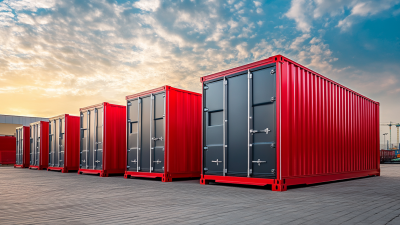
As sustainability continues to shape modern living trends, 20ft container homes have emerged as a compelling solution that aligns with eco-friendly and cost-efficient paradigms. According to the latest industry reports, the modular housing market is expected to grow significantly, driven by the increasing demand for sustainable construction practices. These reports highlight that container homes not only utilize recycled materials but also contribute to a reduced carbon footprint, making them a preferred choice for environmentally conscious consumers.
In addition to sustainability, the versatility of container homes sets them apart in the housing market. Our Modular House line exemplifies this adaptability, catering to a variety of needs, from residential apartments to commercial spaces and specialized facilities. The reinforced "light steel villa" option offers an enhanced build quality, ensuring that these structures can withstand extreme weather conditions. A study conducted by the Modular Building Institute found that modular homes can be completed 30-50% faster than traditional construction, translating into significant savings on labor and overhead costs.
Furthermore, the financial implications of opting for container homes and modular houses are noteworthy. Reports indicate that such structures typically require lower initial investments compared to conventional homes. This affordability, coupled with the ability to customize configurations to fit specific requirements, has positioned container homes as a viable alternative for those seeking both quality and efficiency in their living or business spaces.
FAQS
: They are optimizing supply chains, sourcing materials locally, investing in advanced manufacturing technologies, and expanding into emerging markets like Southeast Asia and Africa.
The market is expected to reach $45 billion by 2024.
Consumers are increasingly opting for locally sourced and manufactured homes, focusing on sustainability, energy efficiency, and affordability.
They provide an affordable entry point into the housing market, especially in a competitive and overpriced environment.
Strong partnerships with local distributors and builders help manufacturers tap into new customer bases and mitigate risks associated with US tariffs.
Manufacturers have pivoted to sustainable materials and eco-friendly designs, appealing to environmentally conscious consumers while reducing production costs.
The company formed strategic partnerships with local suppliers to streamline their supply chain and reduce reliance on imported materials.
They are focusing on online sales and digital marketing strategies to expand their reach into international markets despite logistics and financial barriers.
There is a growing value placed on adaptability in housing solutions, with increased acceptance of manufactured homes reflecting this shift.
The market is projected to grow at a CAGR of 5.7% during this period.