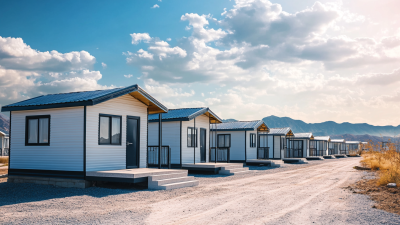
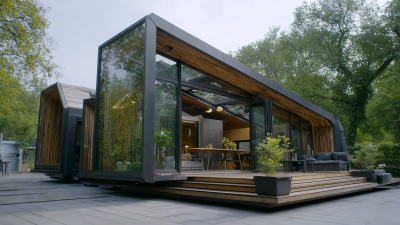
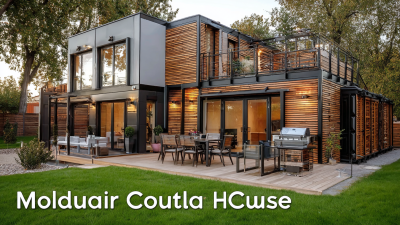
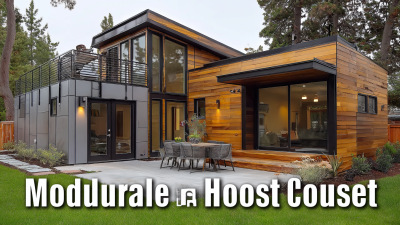
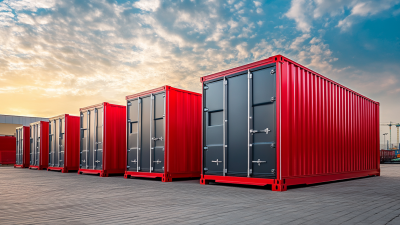
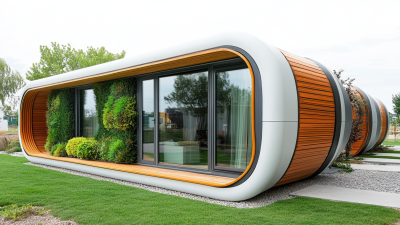
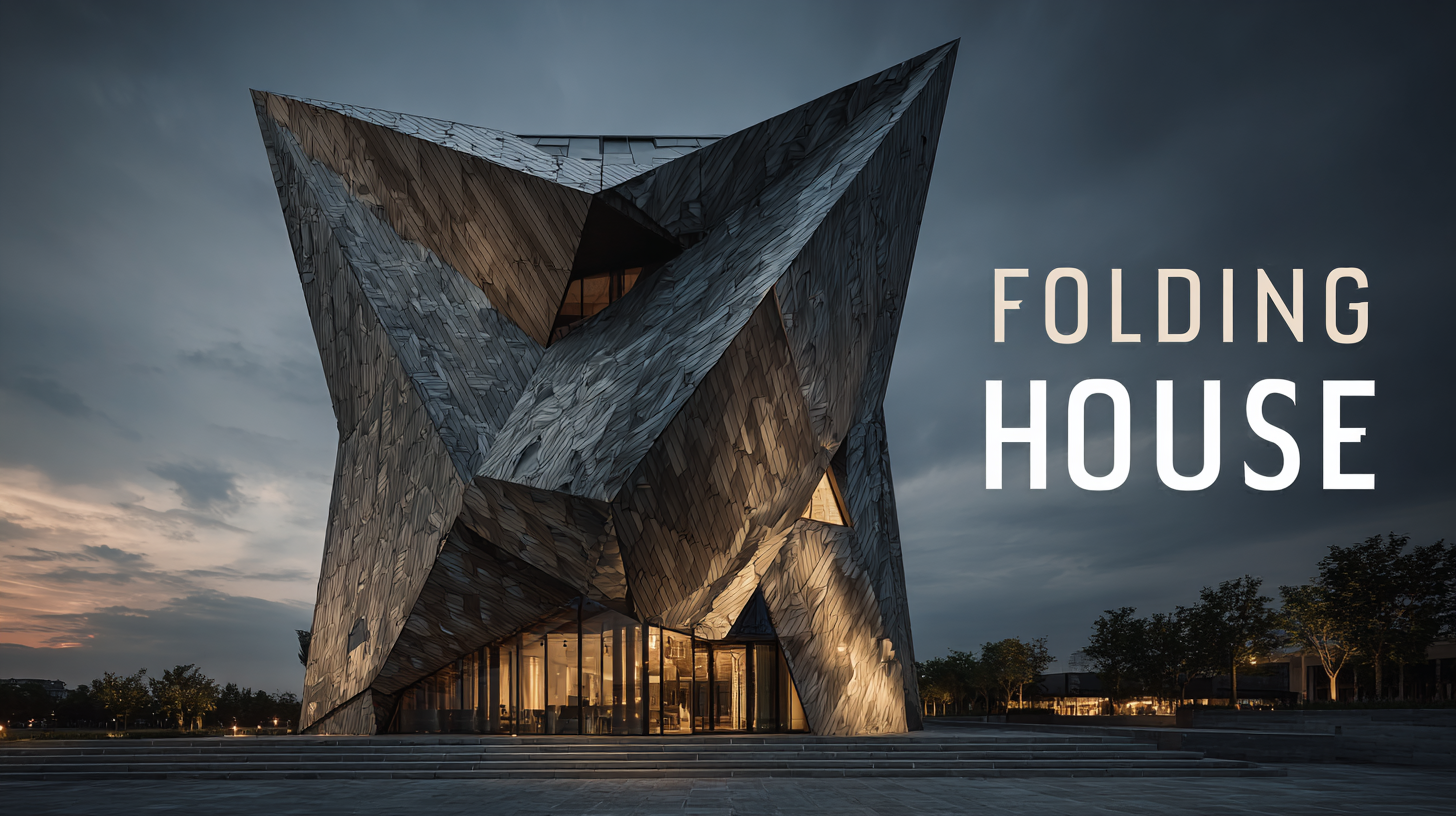
As we look ahead to 2025, it’s pretty exciting to see where the Folding House industry is heading in terms of innovative construction solutions. I mean, if you check out recent market reports, the global market for modular and prefabricated buildings—including those cool Folding Houses—is set to skyrocket to around $157 billion by 2025! That’s a growth rate of about 6.4% every year. Isn’t that something? This surge is all about the growing need for housing options that are not just efficient and cost-effective, but also flexible enough to fit various environments and lifestyles. Here at Nantong Huasha Movable House Co., Ltd.—which, by the way, has been around since 2005—we really pride ourselves on crafting the latest in modular designs, from Container Houses to expandable structures. We’re not just about building, either. We offer a full range of services, including site selection, design, production, installation, and even technical guidance. It’s all about positioning ourselves as leaders in this thriving industry. With the demand for sustainable and adaptable housing only going up, figuring out how to find top-notch suppliers is going to be super important for any business looking to succeed in the Folding House space.
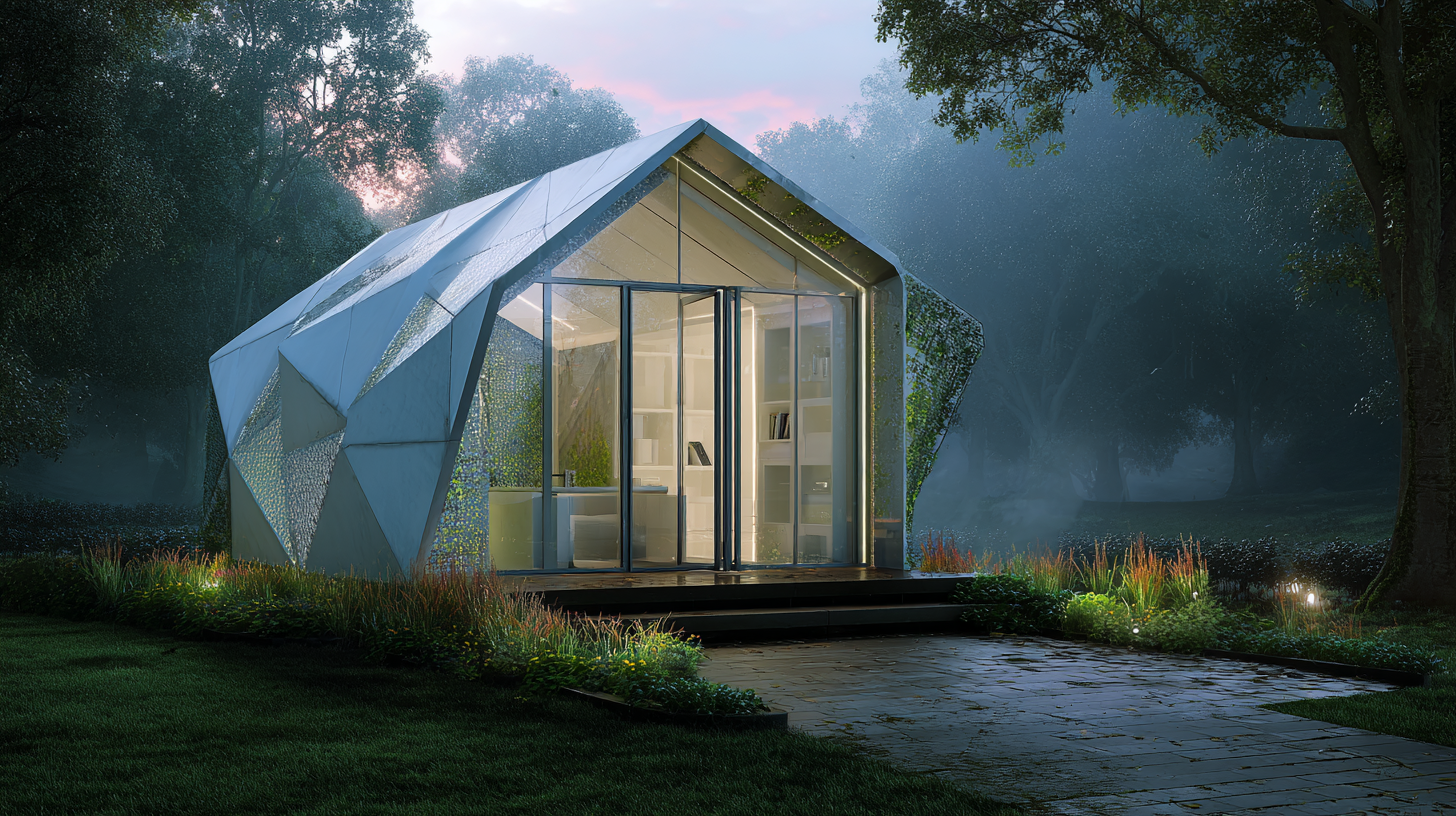
You know, the folding house industry is really starting to take off! People are shifting towards more innovative and sustainable living options, and these folding houses are popping up as a smart solution to all the tricky housing dilemmas we face today. I mean, with more and more folks moving to cities and the need to use space more efficiently, it totally makes sense! These houses can be set up super quickly, they're portable, and they won't break the bank. This makes them really attractive to all sorts of people, from young professionals who need a short-term place to crash to retirees wanting to simplify their lives a bit.
Looking ahead, the market for folding houses seems pretty promising. Thanks to tech advancements and better materials, architects and engineers are really getting creative with their designs. They're exploring all kinds of eco-friendly stuff that just keeps expanding the appeal of these homes. Plus, with government programs pushing for sustainable housing, I think we’re going to see more folks embracing folding houses in no time. It looks like the trend towards flexible living spaces and the growing acceptance of alternative housing models hint that this industry might just blow up in the next few years!
You know, the folding house industry is really on the verge of a major shake-up, and it’s all thanks to some cool new technologies that are changing the way we think about homes. One of the really game-changing developments has been the use of modular construction techniques. Basically, this means that homes can be built off-site and then quickly pieced together at their final location. It’s not just a quick fix; it actually speeds up the whole construction process and cuts down on waste and labor costs. That makes housing way more affordable for a lot more people, which is awesome!
Plus, let’s talk about smart home tech. It’s all the rage these days, and it’s making folding houses even more appealing. We’re talking energy-efficient systems and automated security features that really cater to what modern homeowners want—convenience and sustainability, you know? And on top of that, there have been some exciting breakthroughs in materials science. Think lightweight but super-tough composites that let designers whip up portable yet durable structures. So, with all these exciting changes coming down the pipeline, the folding house industry is set to really boom by 2025. It’s all about tackling those big global housing challenges with innovative solutions, and I can’t wait to see where it goes!
You know, the folding house industry is really set to shake things up in the world of sustainable living. It’s all about coming up with clever solutions to the housing issues we face today. These folding houses are designed with compactness in mind, making the most of every inch. Plus, they’re built using eco-friendly materials, which is awesome for cutting down that carbon footprint we all keep hearing about. It’s not just about being green; this approach also means less waste when they’re made and way easier to transport. All of that adds up to lower emissions than what we typically see with traditional building methods.
But wait, there’s more! These houses are super cool because they blend right into their surroundings. A lot of them even come with goodies like solar panels and systems to catch rainwater, which really boosts their energy efficiency and lets folks live more self-sufficiently. Embracing a minimalist lifestyle through these homes helps people feel more in touch with nature and rely less on regular utilities. As we gear up for 2025, it’s clear that the folding house industry is not just about making money; it’s also about making a real commitment to eco-friendly living. Isn’t that something we can all get behind?
As the demand for innovative housing solutions continues to rise, the best folding house industry is poised for significant growth. Current market analysis indicates that the Global Foldable Container House Market was valued at USD 8.34 billion in 2023 and is projected to reach USD 22.53 billion by 2033, reflecting a robust CAGR of 10.45%. This growth is largely driven by increasing demand for affordable housing solutions, especially in urban areas facing housing shortages.
Identifying target consumer segments is crucial for tapping into this burgeoning market. Our empirical study on consumer behavior in the housing market highlights a growing interest in prefabricated and foldable housing among millennials and environmentally conscious consumers. These groups are particularly attracted to the sustainability and cost-effectiveness offered by folding houses, which provide flexible and temporary living solutions.
Tip: When targeting consumers, consider focusing on collaborative partnerships with urban planners and local governments, as they are often looking for innovative shelter solutions for homeless populations and families needing transitional housing. Additionally, highlighting the benefits of easy transport and quick installation can appeal to consumers seeking a hassle-free housing option.
You know, the folding house industry is really shaking things up these days. It’s fascinating to see how strategic partnerships are becoming such a big deal for driving innovation and opening up new market opportunities. By teaming up with tech companies, builders, and design pros, manufacturers of these folding houses are stepping up their game—not just in what they sell, but in how they’re reshaping the whole idea of sustainable living. They’re tapping into advanced materials and cool smart technologies, which means these homes are not only portable but also super energy-efficient and perfectly suited for today’s fast-paced lifestyle.
Plus, with society’s needs shifting—especially with our population getting older—there’s a real chance for architects and health experts to join forces to create housing solutions that focus on well-being and community. When you blend artistic flair with practical living spaces, it not only spices up cultural experiences but also helps foster a sense of belonging and support among folks. This kind of teamwork doesn’t just boost innovation in the industry; it’s also paving the way for a new era of housing that’s all about being functional while still looking good. Folding houses could really become a major player in tomorrow’s housing market!
| Dimension | 2023 Estimated Value (USD) | 2025 Projected Value (USD) | Growth Rate (%) | Strategic Partnerships / Collaborations |
|---|---|---|---|---|
| Market Size | 500 million | 800 million | 60% | 5 major partnerships |
| Consumer Demographics | Young families | Aging population | High demand growth | Collaboration with NGOs |
| Geographical Trends | North America, Europe | Asia-Pacific | 30% expansion | International developers |
| Technological Advancements | Modular designs | AI integration | 50% adoption | R&D partnerships |
| Sustainability Initiatives | 30% green materials | 70% green materials | 40% increase | Eco-friendly partnerships |
So, the folding house industry is going through some pretty exciting changes, right? But as we look ahead to 2025, it’s clear that there’s a bunch of challenges on the horizon, especially when it comes to regulations and getting people on board with the idea. To really make it big, businesses are going to have to tiptoe through a maze of zoning laws, building codes, and safety standards that can seriously differ from one place to another. It’s super important for them to chat with local authorities early on in the design and development stages to make sure they’re checking all the boxes and can snag those all-important approvals. Plus, companies will need to stay on their toes and tweak their products to keep up with these regulatory demands—while still being cost-effective and innovative, of course.
Now, let’s talk about consumer acceptance, which is definitely a biggie. Even though folding houses are great for being affordable and easy to move around, there’s still going to be some hesitation from people who are used to traditional homes. That’s where education and outreach come into play; they’re absolutely crucial for tackling worries about durability, safety, and how these houses actually look. Showing off some successful case studies and even offering hands-on experiences can really help ease those doubts and get more folks on board with this modern way of living. And let’s not forget about the environmental perks! Highlighting things like less waste and smaller carbon footprints might just strike a chord with those eco-conscious buyers out there who are looking for sustainable living options.
: The key technologies include modular construction techniques for off-site prefab and easy assembly, smart home technologies for energy efficiency and security, and advancements in materials science for lightweight and durable structures.
Folding houses utilize eco-friendly materials and compact designs, reducing carbon footprints and waste. They also incorporate features like solar panels and rainwater collection systems, promoting energy efficiency and self-sufficiency.
The industry must navigate complex zoning laws, building codes, and safety standards that vary across regions. Early engagement with local authorities is essential for compliance and securing approvals.
Consumers may have concerns about the durability, safety, and aesthetics of folding houses, as they are more accustomed to traditional housing structures.
Education and outreach, showcasing successful case studies, and providing immersive experiences can help alleviate doubts. Emphasizing environmental benefits may also resonate with eco-conscious buyers.
The folding house industry is poised for substantial growth by 2025, driven by innovative solutions to global housing challenges and a commitment to sustainable living practices.
Smart home technologies improve functionality with energy-efficient systems, automation, and enhanced security features, catering to modern homeowners’ desires for convenience and sustainability.
Lightweight yet durable composites are being developed, enabling designers to create portable structures that maintain resilience in various environments.
The modular construction process allows for precision in building, reducing excess materials and waste compared to traditional construction methods.
Their minimalist design encourages a simpler lifestyle and reduces reliance on conventional utilities, fostering a deeper connection with the environment.