As the demand for flexible and affordable housing solutions continues to grow globally, evaluating the various factors influencing Modular House Cost has become essential for buyers. According to a report by Grand View Research, the global modular construction market is expected to reach USD 157.21 billion by 2027, driven by the increasing prevalence of sustainable and efficient building practices. Nantong Huasha Movable House Co., Ltd., established in 2005, plays a pivotal role in this industry by producing a range of innovative housing solutions, including Container Houses and light steel structures. With our comprehensive one-stop solution that encompasses site selection, design, production, installation, and technical guidance, we aim to meet the diverse needs of global buyers. Understanding the cost factors associated with modular houses is vital for investors and homeowners alike to ensure they make informed decisions in this rapidly evolving marketplace.
Analyzing Key Cost Factors in Modular Home Construction
The cost factors in modular home construction have become increasingly crucial as the global market experiences significant growth. The European modular construction market is expected to expand from USD 20.51 billion in 2025 to USD 30.96 billion by 2032, reflecting a compound annual growth rate (CAGR) of 6.1%. This upward trend indicates a rising demand for efficient and cost-effective housing solutions, particularly as the sector aims to increase the stock of affordable housing.
Moreover, the global modular construction market was valued at approximately USD 103.55 billion in 2024, with projections showing growth at a robust CAGR of 7.9% from 2025 to 2030. The advantages of Modular Building techniques, which could accelerate project timelines by 20% to 50%, further support the economic appeal of this construction method. As the industry evolves, understanding the key cost factors—from material production to project execution—will be essential for global buyers looking to navigate this dynamic landscape effectively.
Evaluating Best Modular House Cost Factors
This chart illustrates the key cost factors involved in modular home construction, highlighting their impact on the overall pricing for global buyers.
Understanding Modular Home Design Flexibility and Its Impact on Costs
Modular home design offers a remarkable level of flexibility that can significantly impact overall costs for buyers worldwide. One of the standout features of modular construction is its ability to adapt to various aesthetic preferences and functional requirements. Buyers can customize their homes by choosing from an array of floor plans, materials, and finishes, which allows them to create a living space that reflects their personal style while staying within budget. This adaptability not only enhances the home’s appeal but also creates opportunities for cost savings by enabling more efficient use of resources.
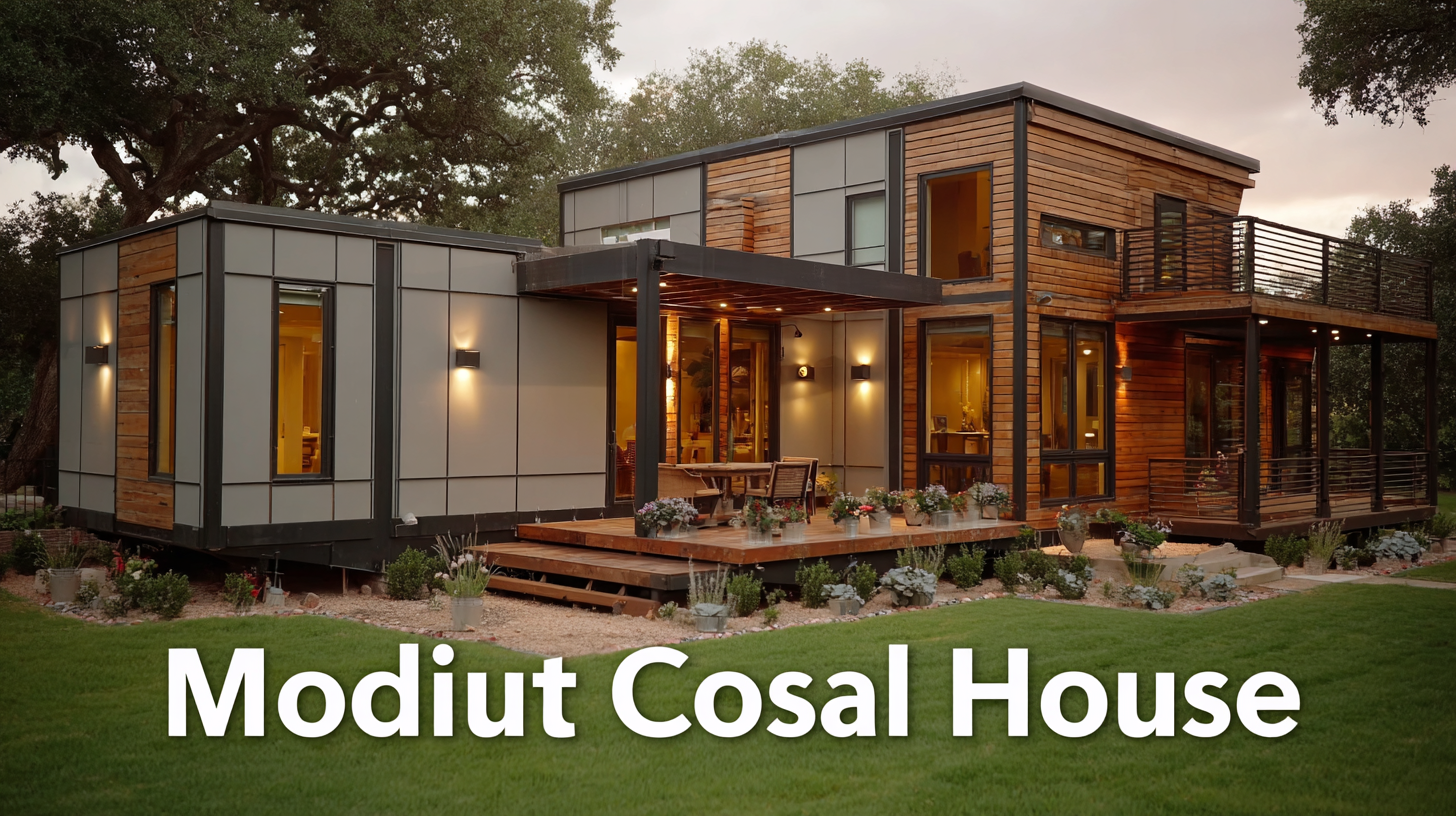
Furthermore, the modular construction process often leads to faster project completion and reduced labor costs, positively influencing the overall pricing structure. As modules are built in controlled environments, the likelihood of weather-related delays decreases. Buyers can take advantage of this efficiency by opting for designs that streamline the building process. Additionally, modular homes can incorporate energy-efficient features and sustainable materials, which may lead to long-term savings on utility bills.
Ultimately, understanding the intricacies of modular home design flexibility empowers global buyers to make informed decisions, balancing their dream home goals with practical financial considerations.
Exploring Regional Variations in Modular Home Prices Across the Globe
The modular housing market presents a fascinating opportunity for global buyers, particularly as prices can vary significantly between regions. In cities known for their livability like Melbourne, the demand for modular homes has surged; however, high construction costs contribute to an ongoing housing crisis. As more individuals flock to such vibrant urban centers, understanding the factors influencing modular home pricing becomes crucial for potential buyers.
In stark contrast, when examining regions struggling with inflated construction costs, such as Boston, the landscape shifts dramatically. The interplay between local economies, labor availability, and material costs significantly influences the market. This discrepancy highlights the importance of regional analysis in assessing modular housing options and costs. For global buyers, being aware of these regional variations allows for informed decision-making and strategic investment in the evolving landscape of modular living.
Evaluating Best Modular House Cost Factors for Global Buyers - Exploring Regional Variations in Modular Home Prices Across the Globe
| Region | Average Modular Home Price (USD) | Construction Time (Months) | Land Costs (USD per Acre) | Labor Costs (USD per Hour) |
| North America | $150,000 | 6 | $50,000 | $25 |
| Europe | €130,000 | 5 | €60,000 | €20 |
| Asia | ¥2,500,000 | 8 | ¥1,200,000 | ¥15 |
| Australia | AUD 200,000 | 7 | AUD 70,000 | AUD 30 |
| Africa | $80,000 | 12 | $20,000 | $10 |
Evaluating Sustainable Materials and Their Influence on Modular Home Costs
When considering modular homes, the choice of sustainable materials can significantly influence their overall cost. Materials such as recycled steel, bamboo, and eco-friendly insulation not only contribute to a lower carbon footprint but can also affect durability and maintenance costs. At Nantong Huasha Movable House Co., Ltd., we prioritize the use of sustainable resources in our designs, ensuring clients receive innovative solutions that align with eco-friendly practices.
Tips for buyers: Evaluate the long-term savings of using sustainable materials against their initial costs. For instance, while high-quality bamboo flooring might have a higher upfront price, its durability could lead to reduced maintenance expenses over time. Additionally, consider energy-efficient options that can lower utility bills and enhance the longevity of your modular home.
Another key aspect to factor in is the technology used in construction. Advanced techniques and materials can minimize waste and optimize energy use, ultimately influencing the home's total cost without compromising quality. Choosing a reputable manufacturer like Nantong Huasha can ensure you're getting the best blend of traditional craftsmanship and modern innovation for your modular home project.
Maximizing Value: Cost-Effective Strategies for Modular Home Buyers
When considering the purchase of a modular home, prospective buyers must focus on cost-effective strategies that can maximize value without compromising quality. One of the primary factors influencing the cost is the type of materials used in construction. Opting for sustainable, high-quality materials not only enhances durability but can also lead to long-term savings on maintenance and energy efficiency. Buyers should evaluate suppliers that offer transparent pricing and the potential for bulk discounts, which can help reduce overall expenditure.
Another vital aspect is the design and customization of the modular home. Simpler designs often cost less to manufacture and install, while intricate designs can significantly increase expenses. Prioritizing essential features and leaving more custom elements for future upgrades can lead to substantial cost savings. Additionally, understanding the local regulations and building codes can prevent unexpected expenditures related to permits and modifications. By approaching the modular home purchasing process with strategic foresight, buyers can navigate costs effectively and secure a home that meets their needs without overspending.
Assessing Financing Options and Budgeting for Modular Home Purchases
When considering a modular home purchase, understanding financing options and budgeting is crucial for global buyers. Modular homes, known for their efficiency and innovation, present a variety of cost factors that can influence your investment. At Nantong Huasha Movable House Co., Ltd., we offer a range of products, including container houses and expandable houses, which can cater to diverse financial scenarios. Buyers should evaluate their options such as bank financing, personal loans, and even potential government grants that might be available for sustainable housing projects.
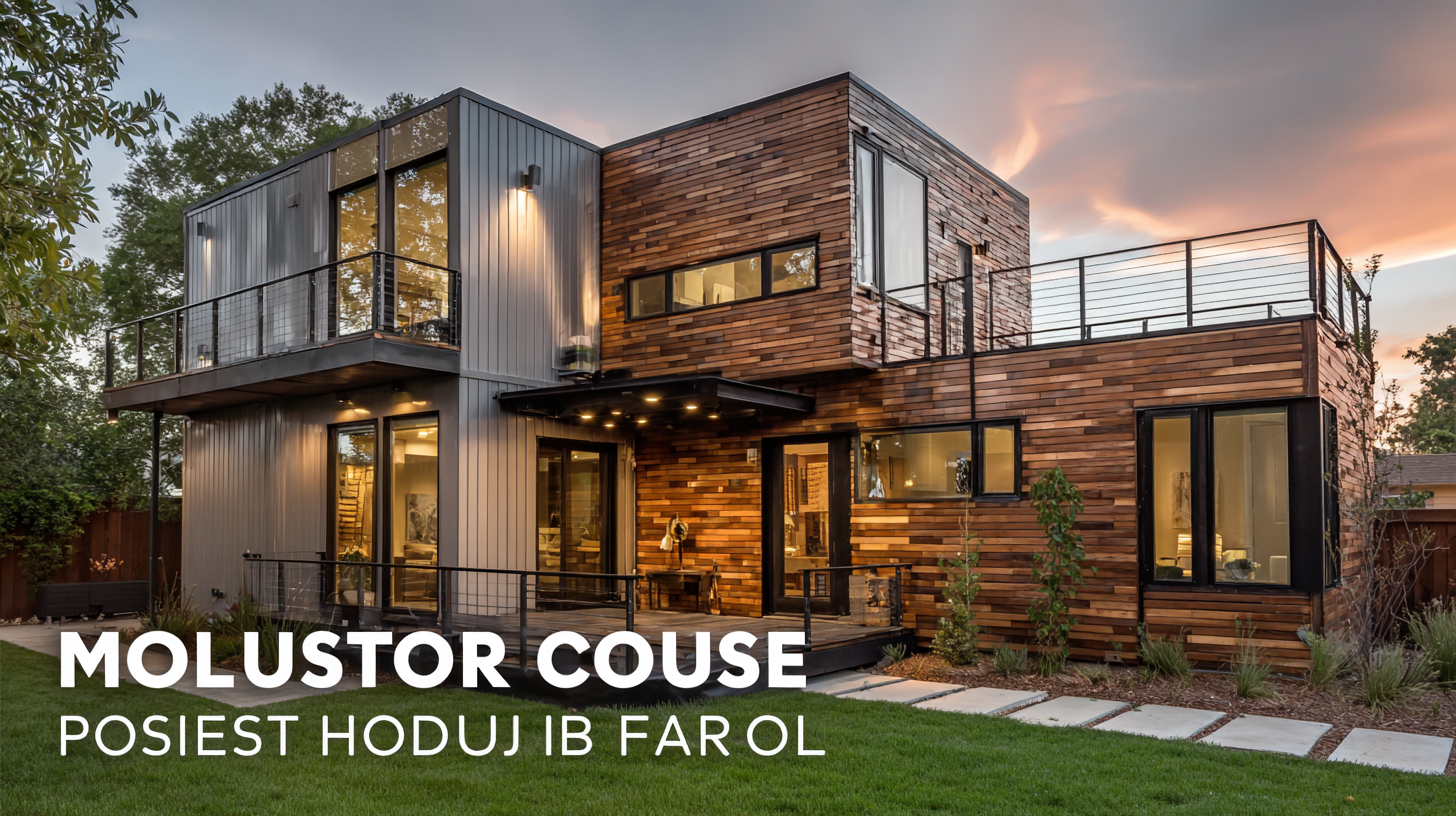
Tips for budgeting effectively include conducting thorough market research and obtaining multiple quotes to ensure competitive pricing. Be clear about your financial limits and include costs for site preparation, transportation, and installation in your budget. Additionally, consider the long-term savings associated with energy-efficient modular homes, which can significantly offset initial expenses. Engaging in detailed discussions with manufacturers like Nantong Huasha can also help streamline your process, ensuring a transparent and informed experience from design to installation.
FAQS
: Modular home design flexibility refers to the ability to customize homes according to aesthetic preferences and functional requirements, allowing buyers to choose from various floor plans, materials, and finishes.
Modular construction can lead to cost savings due to efficient resource use, faster project completion, and reduced labor costs, as well as the potential for incorporating energy-efficient features.
Modular homes are constructed in controlled environments, which reduces the likelihood of weather-related delays and accelerates the building process.
Yes, modular homes offer a wide range of customization options, enabling buyers to create living spaces that reflect their personal style while staying within budget.
Modular home pricing can vary significantly based on local economies, labor availability, construction material costs, and regional demand for housing.
Being aware of regional pricing variations helps potential buyers make informed decisions and strategically invest in modular housing options that align with their budgets and needs.
Yes, modular homes can include energy-efficient features and sustainable materials, leading to potential long-term savings on utility bills.
Local economies influence factors such as labor availability and material costs, which can lead to significant differences in modular home prices between regions.
Customizable designs enhance the home’s appeal and allow for efficient resource use, which can result in cost savings while fulfilling the buyer's personal preferences.
Buyers can choose designs that streamline the building process, which helps to reduce overall costs and speeds up project completion timelines.