Inquiry
Form loading...
Lately, the idea of living sustainably has really started to catch on. It's got people thinking outside the box about how we build and live in homes—more eco-friendly and efficient options are popping up everywhere. One pretty cool solution that's been gaining traction is the Container House. Yeah, you heard that right—homes made from shipping containers! They’re basically transforming these old metal boxes into modern, livable spaces that fit today’s needs.
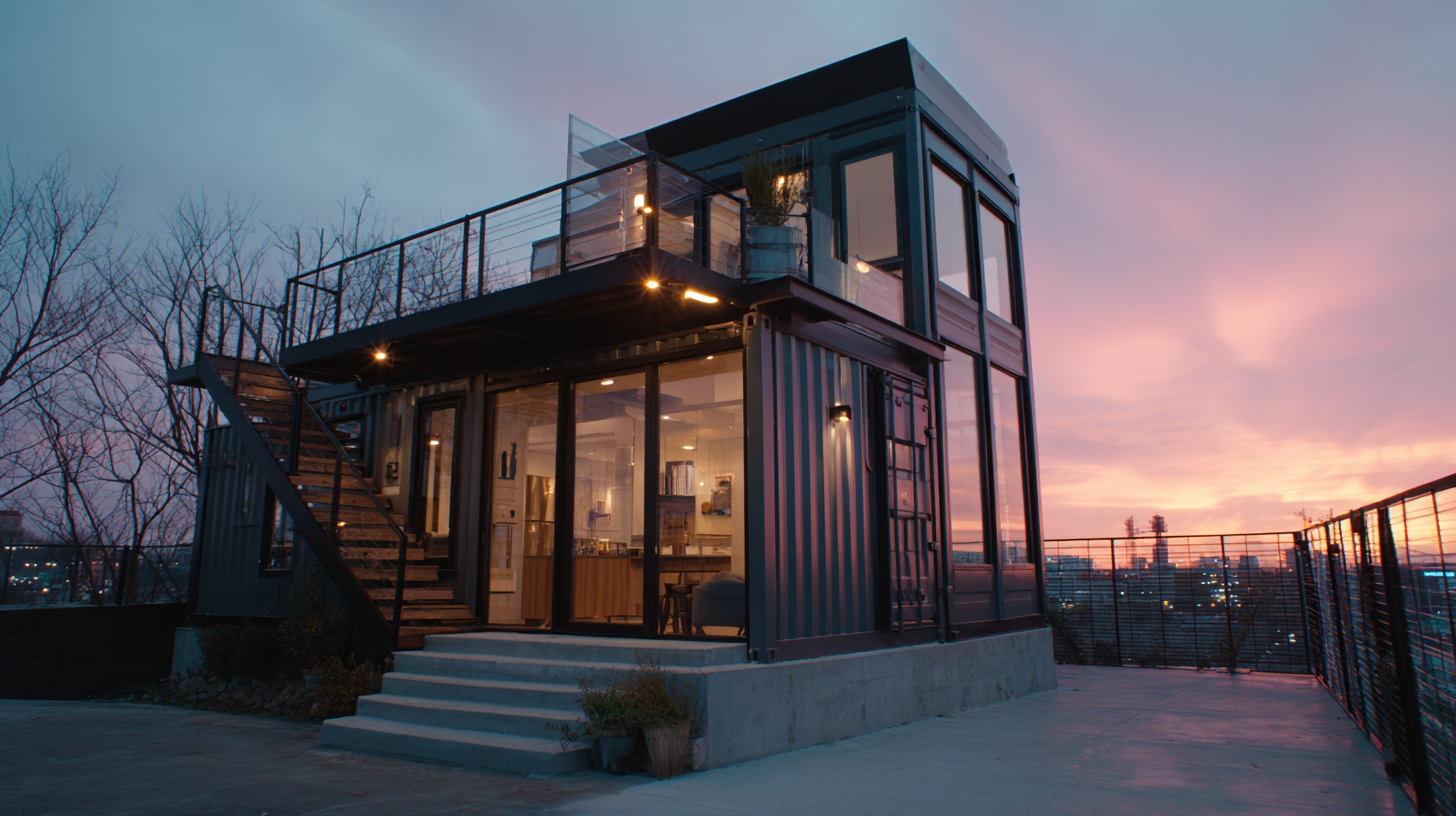
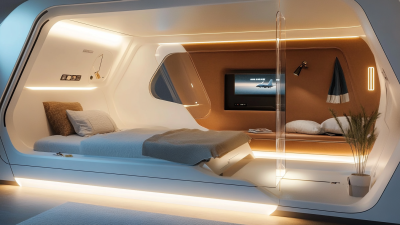
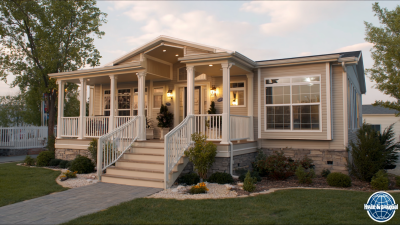
Companies like Nantong Huasha Movable House Co., Ltd., which has been around since 2005, are leading the charge. They offer all sorts of innovative options—Container Homes, expandable houses, light steel structures, and movable pods. What’s awesome is that they handle everything from picking the right site to designing, building, setting everything up, and even offering technical support. So, each container house isn’t just eco-conscious but also customized to what the residents want and need.
As cities keep getting more crowded, looking into these kinds of sustainable living options—think container houses—is a pretty exciting way to tackle housing problems while also being kinder to the planet. It’s a win-win, really.
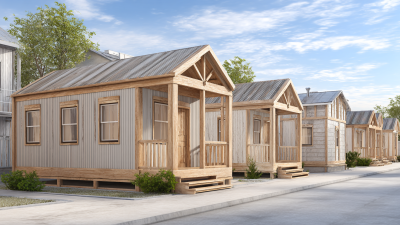
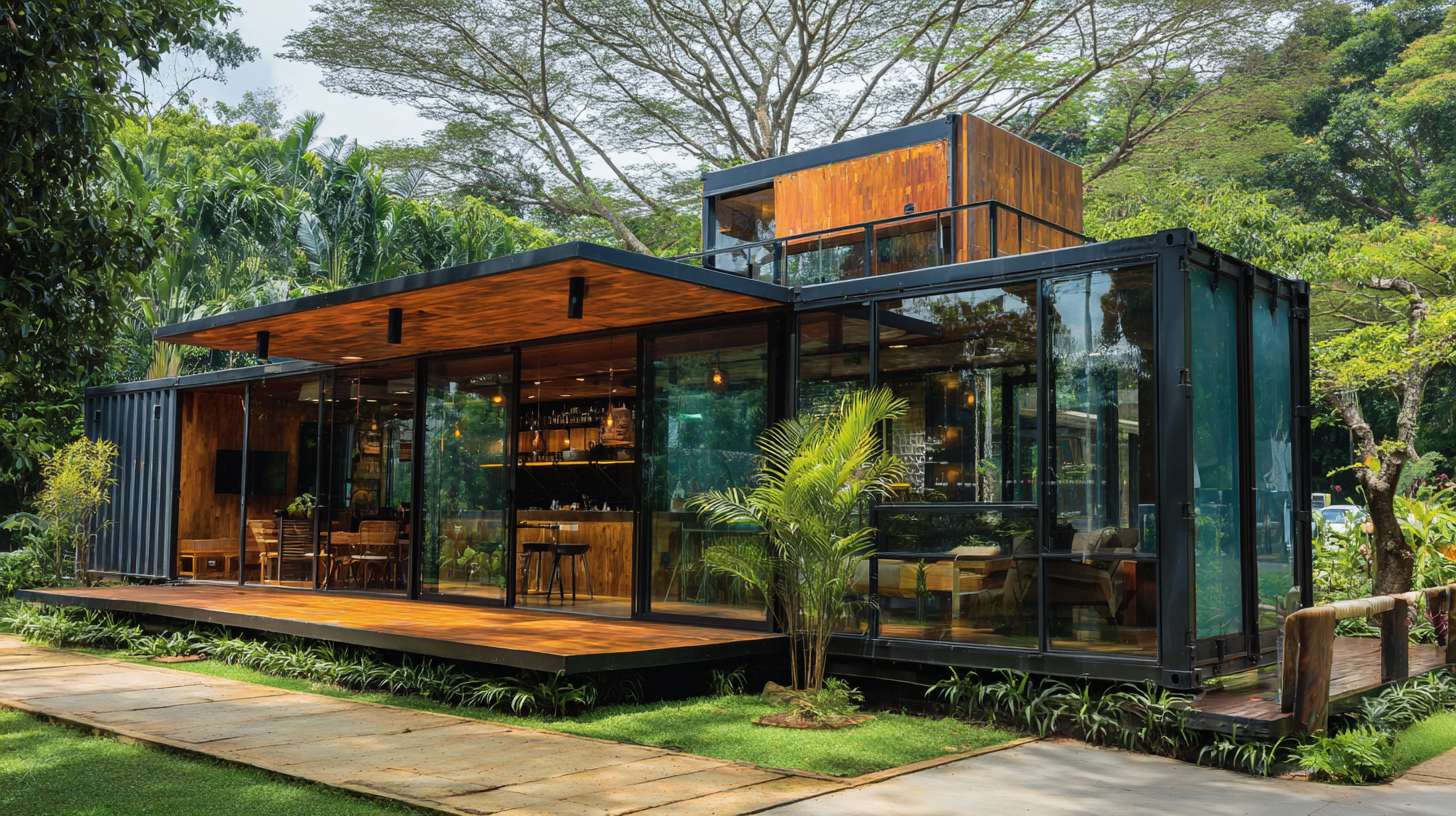
You know, container housing has really become a pretty cool and eco-friendly way to deal with the crazy rise in the need for affordable homes. Basically, they take old shipping containers—those sturdy metal boxes—and turn them into cozy, stylish places to live. It’s a pretty clever approach to dealing with all the hustle and bustle in cities, especially since it’s less of an environmental burden. The whole idea is to repurpose these tough containers into homes that feel inviting and functional, without sacrificing on comfort or style. With more and more cities facing pop-up population booms and housing shortages, container homes are kinda like a quick, flexible fix — you can set them up pretty fast and tweak them as needed to suit different kinds of folks and lifestyles.
What’s also pretty awesome is how versatile these containers are. They can be rearranged, stacked up, and moved around with relative ease, which makes them perfect for all kinds of situations—from emergency shelters after a disaster to permanent residences right in the middle of busy urban areas. Plus, they’re a win for the planet, since they recycle materials and cut down on waste—something, let’s be honest, more people are caring about these days. As architects and designers keep coming up with new ideas, I honestly think the future of container homes looks pretty bright. They could really help us live more sustainably while still keeping up with modern city life.
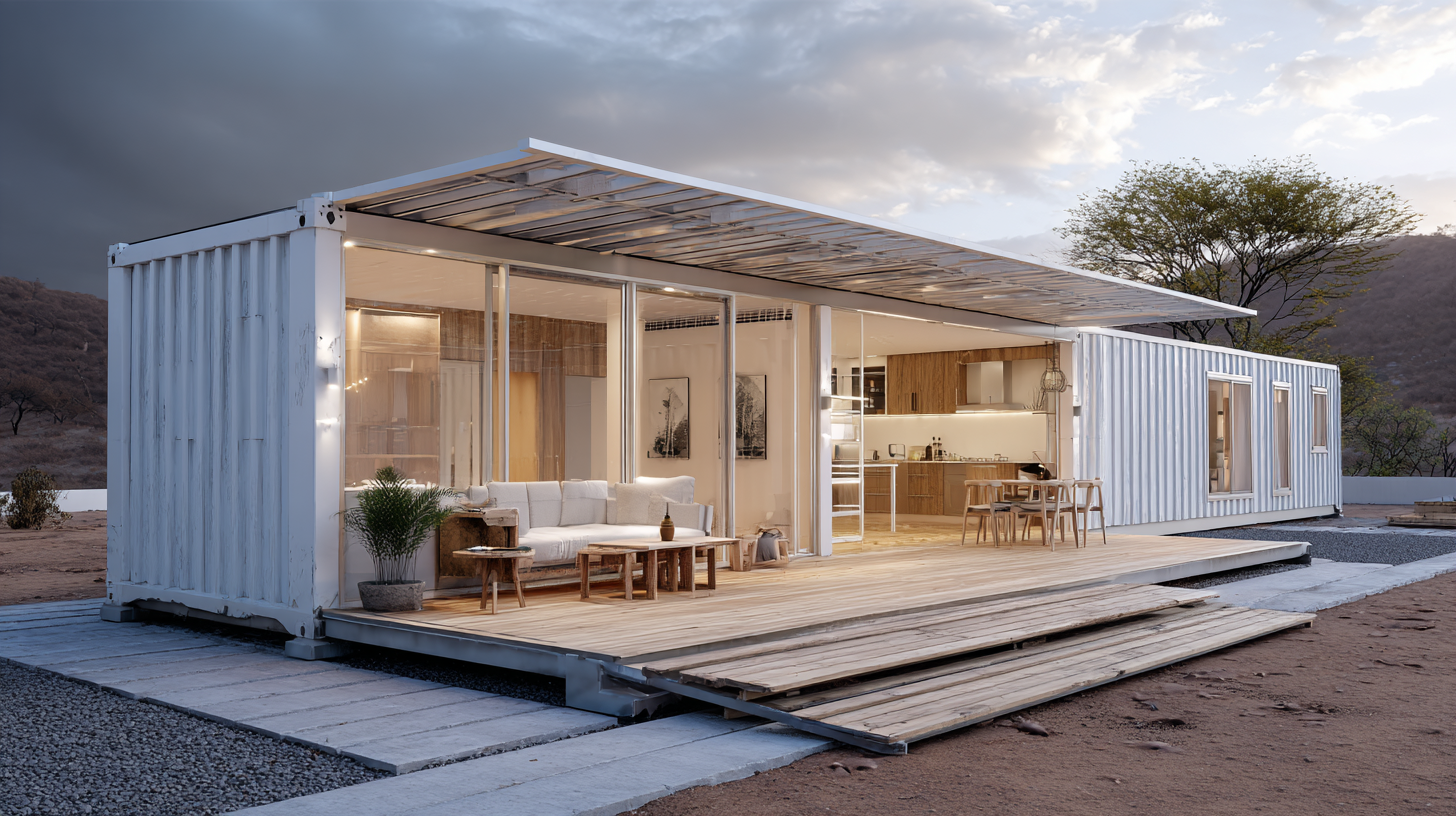
The innovative two-bedroom prefab container house plans emerging in Australia reflect a modern approach to sustainable living, offering functionality and style in compact designs. These houses are ideal for individuals and families seeking efficient yet comfortable living spaces. Designed to maximize the use of containers, these homes feature an open layout that seamlessly integrates living, dining, and kitchen areas, while ensuring that both bedrooms provide ample privacy and comfort. The focus on modern aesthetics, combined with energy-efficient materials, makes these container homes not only appealing but also environmentally friendly.
In parallel, accessibility and inclusivity are critical in modern living solutions. Nantong Huasha Movable House Co., Ltd. has responded to this need with their Handicap-Accessible Portable Restroom, designed with features that prioritize comfort, safety, and usability for individuals with disabilities. Ideal for various settings, from public events to private gatherings, these restrooms offer spacious interiors, grab bars, and wheelchair-accessible entrances. The focus on high-quality materials ensures that these facilities can withstand diverse environments. By integrating such essential amenities into contemporary living and event planning, both the prefab houses and portable restrooms reflect a commitment to creating spaces that accommodate all individuals, ensuring that everyone has access to dignified and functional facilities.
: Container houses are transformed shipping containers that are converted into livable shelters. They are considered a solution to the affordable housing crisis because they provide a cost-effective and sustainable option for housing in urban areas.
Container housing developments face various challenges, including regulatory hurdles related to building codes that often do not accommodate non-traditional structures and difficulties in financing projects without adequate government incentives and support.
Container houses can contribute to sustainability by being designed with eco-friendly materials and energy-efficient systems, reducing carbon footprints while providing modern amenities.
The global market for mobile container homes is estimated to reach $1.6 billion by 2025 and is expected to grow at a compound annual growth rate of 7.5%, potentially reaching $3.06 billion by 2034.
Incorporating efficient water management systems into container homes can address socio-economic issues, particularly in water-stressed countries, and ensure that residents have access to clean water and sanitation.
When designing sustainable container homes, it's important to prioritize insulation, incorporate renewable energy sources like solar panels, and explore community designs that include shared green spaces for fostering community engagement.
Container housing is versatile and can be adapted for various climates and needs, making it suitable for both urban and rural settings.
Developers and policymakers must collaborate to create innovative financing and regulatory frameworks that promote the widespread adoption of sustainable urban habitation through container housing.
Community involvement can enhance the effectiveness of container housing initiatives by promoting grassroots strategies for green living and fostering a sense of belonging among residents through shared spaces.
Container houses are really making waves as a game-changing trend in sustainable living. They blend clever design with eco-friendly building practices, and honestly, it’s pretty exciting. By using sustainable materials and designing these homes with efficiency and flexibility in mind, they offer lots of perks — like saving money, being mobile, and cutting down on environmental impact. Of course, it’s not all smooth sailing; there are hurdles like zoning rules and folks’ opinions that can slow things down. But, the good news is, innovative solutions are constantly popping up to tackle these issues.
All over the world, cool projects featuring container homes are proving just how versatile and promising this concept really is. They’re paving the way for a future where eco-friendly, affordable housing isn’t just a dream. Companies like Nantong Huasha Movable House Co., Ltd. are playing a big role here, offering everything from design all the way to installation — basically turning the dream of sustainable container living into a real, achievable thing for more people.