When it comes to logistics, shipping house containers efficiently and without breaking the bank is honestly pretty tricky. As logistics pro James Anderson puts it, “To master shipping house containers, you need more than just technical skills—strategic planning is key to keeping costs in check.” With more folks and companies needing to ship containers than ever before, it really pays to understand the ins and outs of the process.
Prices for fuel are going up, and regulations keep changing, so figuring out the best ways to handle shipping can really save you a ton of money. Shipping house containers isn’t just about throwing things in and sending them off—that involves a bunch of factors, like picking the right size container and understanding how routes can impact your costs and time. Finding that sweet spot between being efficient and saving money is crucial to make sure your cargo gets where it needs to go, safe and sound, and on time.
Drawing on tips from industry insiders, this piece will walk you through the top ten most helpful strategies for shipping house containers smoothly, helping you make smarter choices and streamline your logistics game.

Understanding the Basics of House Container Shipping: An Overview
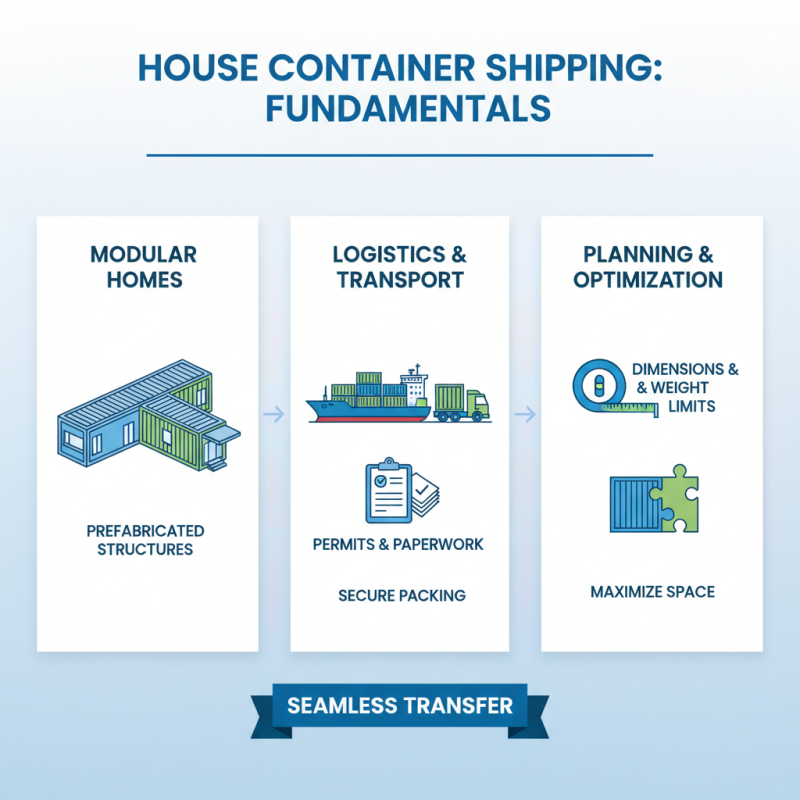
When considering house container shipping, it's essential to grasp the fundamentals that underpin the entire process. Shipping house containers involves transporting large, prefabricated structures, often referred to as Modular Homes, using shipping containers. The size and weight of these containers require a careful approach to logistics, ensuring that the containers are securely packed and that all necessary permits and paperwork are in order for a seamless transfer. Understanding the dimensions and weight limitations of standard shipping containers can greatly aid in planning and can help in maximizing the available space during transport.
An integral aspect of house container shipping is the selection of a suitable transportation method. This could involve truck, rail, or even barge transport, depending on the destination and infrastructure availability. Additionally, it is important to assess the potential need for lifting equipment during loading and unloading, as well as ensuring that the containers are weather-proofed and secured to withstand the journey. By focusing on these fundamental elements, individuals can streamline their shipping process, reduce costs, and enhance the overall efficiency of transporting house containers.
Choosing the Right Container Size for Your Shipping Needs
When it comes to shipping house containers, selecting the appropriate container size is crucial for both efficiency and cost-effectiveness. The right size ensures that your cargo fits snugly without wasted space, which can lead to unnecessary shipping costs. Consider the volume and weight of the items you need to ship. For small, heavy items, a smaller container may suffice, while larger, lightweight items might require a bigger size to maximize the available space.
One tip to keep in mind is to categorize your goods by size and weight. It helps in determining the most suitable container. Also, think about how your items can be stacked or arranged. Efficient packing not only helps in minimizing the number of containers needed but also protects your items during transit.
Another aspect to consider is the flexibility of container sizes. Many shipping companies offer a range of container dimensions, including standard sizes like 20-foot and 40-foot containers. If your shipping needs vary, choosing a provider that offers various sizes can enhance your logistics strategy and reduce costs in the long run. Keeping these factors in mind can significantly streamline the shipping process and ensure you choose the perfect container for your needs.
Cost Factors in Shipping House Containers: An In-Depth Analysis
Shipping house containers efficiently and cost-effectively requires a thorough understanding of the various cost factors involved. According to the International Maritime Organization (IMO), freight costs can constitute up to 75% of the total shipping expenses. This includes the base rate charged by carriers, fuel surcharges, and additional fees such as port handling and customs duties. Additionally, fluctuating fuel prices can have a substantial impact on shipping costs, with reports indicating a potential increase of 10-20% in shipping expenses during periods of high oil prices.
Another significant factor in container shipping is the timing of the shipment, which can affect both availability and costs. The World Bank reports that peak shipping seasons can lead to skyrocketing rates due to congestion and high demand. For instance, booking a shipment during peak periods can result in an increase of up to 30% in freight costs compared to off-peak times. Furthermore, the size and weight of the containers being shipped play crucial roles; larger and heavier shipments will incur higher rates due to the dimensional weight calculations utilized by carriers. Therefore, effective planning and timing, along with a keen analysis of these cost factors, can greatly enhance the efficiency and cost-effectiveness of shipping house containers.
Best Practices for Packing and Securing Contents in Containers
When shipping house containers, effective packing and securing of contents is paramount to minimize damage and reduce costs. According to a report by the International Maritime Organization, improper stowage is a leading cause of cargo damage, accounting for approximately 30% of all marine insurance claims. To mitigate this risk, it is essential to use high-quality packing materials and methods. For instance, utilizing layered packing techniques—where heavier items are placed at the bottom and lighter ones on top—can help maintain balance and stability during transit.
Additionally, securing contents within containers is crucial for preventing movement that could lead to damage. The use of dunnage, bracing, and strapping can significantly increase the security of the cargo. A study by the Container Owners Association highlights that adhering to best practices in cargo securing can reduce the likelihood of shipping claims by up to 40%. It's also important to avoid leaving empty spaces within containers, as they can allow items to shift during transport. Instead, fill voids with cushioning materials or lightweight fillers to keep everything safely in place. By applying these strategies, shippers can enhance the efficiency and cost-effectiveness of their container shipments.
Strategies for Optimizing Shipping Routes and Reducing Transit Times
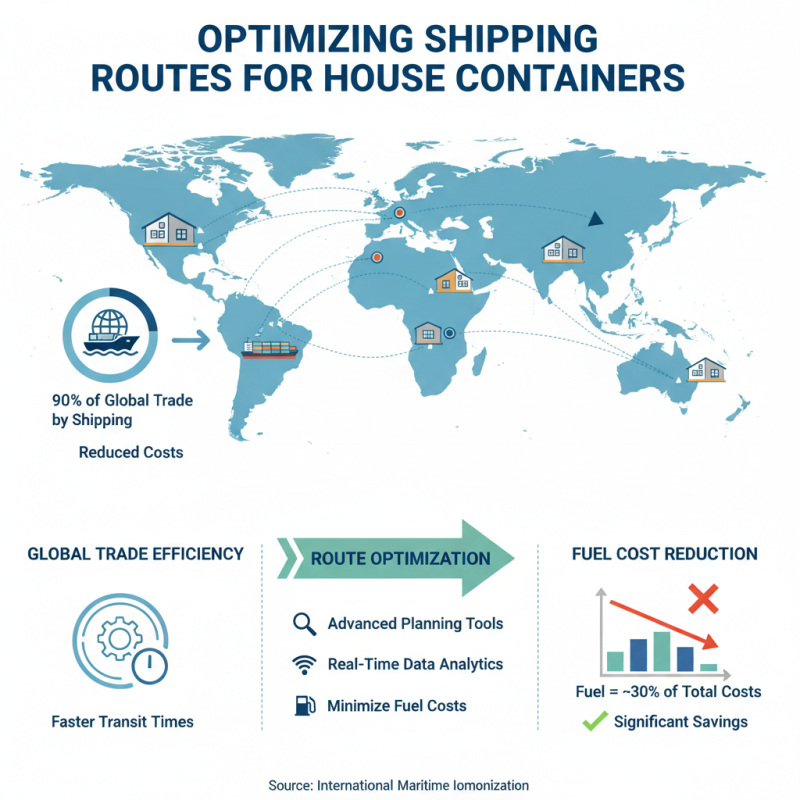
When shipping house containers, optimizing shipping routes and reducing transit times are crucial to achieving efficiency and cost-effectiveness. According to the International Maritime Organization, approximately 90% of global trade is conducted through shipping, highlighting the importance of route optimization in minimizing costs. By using advanced route planning tools and leveraging real-time data analytics, logistics managers can identify the most efficient pathways. This can significantly cut down on fuel costs—reportedly the largest operational expense for shipping companies, accounting for nearly 30% of total costs.
Moreover, implementing a robust schedule can drastically improve transit times. A study by the World Bank revealed that delays in shipping can adversely impact supply chains, with an average loss of 1.5% in sales for every week a freight container is delayed. To combat this, many companies are adopting technology such as predictive analytics to foresee potential disruptions and adjust their routes proactively. By integrating port call optimization techniques, businesses can reduce turnaround times at ports, consequently accelerating the delivery process and enhancing overall customer satisfaction. These strategies are key in an industry where timely shipping can make a significant difference in competitiveness.
Leveraging Technology for Efficient Container Tracking and Management
Efficient container tracking and management have become crucial in modern logistics, particularly as global shipping demands continue to rise. Leveraging advanced technology, such as Internet of Things (IoT) sensors and real-time tracking systems, can significantly enhance the efficiency of container shipping operations. According to a report by McKinsey, companies that adopt digital solutions for tracking their shipping containers can reduce transportation costs by up to 15%, highlighting the impact of embracing technology within this sector.
Implementing automated tracking systems enables shipping companies to gain visibility over their containers at all times. By utilizing GPS and RFID technology, businesses can monitor the location and condition of their containers, preventing potential losses and delays. Here are a few tips for optimizing container tracking: Firstly, invest in software that integrates seamlessly with existing logistics management systems. Secondly, maintain regular updates of the tracking data to ensure real-time visibility for all stakeholders. Lastly, provide training for staff to effectively utilize tracking tools, enhancing overall operational efficiency.
Furthermore, data analytics plays a pivotal role in optimizing shipping containers. Analyzing trends and patterns from tracking data can lead to more informed decision-making and operational improvements. For instance, shipping companies can identify peak shipping times and adjust schedules accordingly, ultimately reducing shipping times and costs. By harnessing these technological advancements, businesses can not only enhance container management but also improve customer satisfaction through reliable and timely deliveries.
Evaluating Insurance Options to Protect Your Shipping Investment
When shipping house containers, it’s crucial to consider the insurance options available to safeguard your investment. Shipping containers often carry valuable possessions, and the risk of damage or loss during transit is a significant concern. By evaluating different insurance policies, shippers can ensure that they have adequate coverage against a variety of potential mishaps, such as accidents, natural disasters, or theft. It's essential to thoroughly review the terms and conditions of each policy, focusing on what risks are covered and the claims process, as these factors can significantly impact the overall effectiveness of your insurance.
Understanding the specific needs of your shipment can help in selecting the right insurance plan. For instance, if you are transporting fragile items or high-value goods, opting for comprehensive coverage may provide peace of mind. In contrast, for more robust items, a basic policy might suffice. Additionally, consider the deductible amounts and limits of coverage; balancing these aspects can lead to significant cost savings. Consulting with experts in shipping insurance can also provide valuable insights, ensuring that your investment is protected throughout the shipping process.
FAQS
: Effective packing is crucial to minimize damage and reduce shipping costs. Improper stowage can lead to significant cargo damage, accounting for a substantial percentage of marine insurance claims.
Utilizing layered packing techniques, where heavier items are placed at the bottom and lighter ones on top, helps maintain stability and balance during transit.
To secure contents, use dunnage, bracing, and strapping. This prevents movement that can lead to damage during transport.
Leaving empty spaces can allow items to shift during transport, increasing the likelihood of damage. It's advisable to fill voids with cushioning materials or lightweight fillers.
Insurance safeguards your investment by providing coverage against potential mishaps, such as damage, loss, natural disasters, or theft during transit.
Review each policy's terms, what risks are covered, the claims process, deductible amounts, and coverage limits, as these can impact the effectiveness and cost of your insurance.
For fragile items or high-value goods, it is advisable to opt for comprehensive coverage for added peace of mind.
Experts can provide valuable insights and guidance on selecting the right insurance plan, ensuring that your investment is adequately protected throughout the shipping process.
Conclusion
Efficient and cost-effective shipping of house containers requires a comprehensive understanding of several key factors. First, it’s essential to grasp the basics of shipping house containers, including selecting the appropriate container size tailored to your specific shipping needs. Cost considerations play a crucial role; a detailed analysis of expenses involved can help in budgeting effectively.
Moreover, best practices for packing and securing your contents are vital to prevent damage during transport. To further enhance efficiency, employing strategies to optimize shipping routes can significantly reduce transit times. Additionally, leveraging technology for container tracking and management can streamline the shipping process, ensuring you stay updated on your shipment's status. Finally, evaluating insurance options is important to protect your investment throughout the shipping journey, giving you peace of mind.