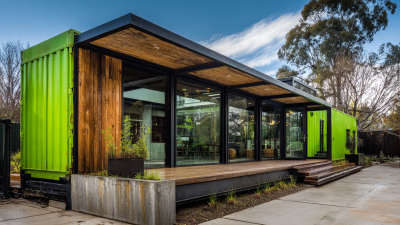
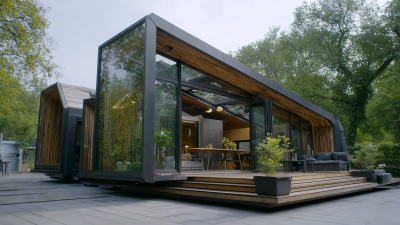
Lately, there's been a real surge in people's interest for flexible living and working spaces. I mean, industry reports are suggesting that the global market for Modular Buildings could hit aroundUSD 157.2 billion by 2023—pretty impressive, right? Here at Nantong Huasha Movable House Co., Ltd., we've been leading the charge since 2005, focusing on crafting top-notch Shipping House Containers that serve all sorts of needs. These structures aren't just about getting the job done—they're super versatile, offering both efficiency and flexibility, plus they help promote sustainability, which is pretty important these days. Our approach is pretty hands-on: we handle everything from helping clients pick the right site, to designing, building, setting up, and even offering technical support. As shipping containers are evolving from simple transport units into multifunctional spaces—think living or business areas—knowing how to pick the perfect Shipping House Container is more crucial than ever to make the best use of space in today’s ever-changing environment.

Understanding Different Types of Shipping Containers and Their Applications
So, when you're trying to pick the perfect shipping container for your needs, it's really helpful to understand the different types out there and what they’re best suited for. Shipping containers have come a long way — they've got all sorts of designs now to handle various transportation challenges. For example, flat rack containers are perfect for heavy or odd-shaped goods that need a flat surface to stay stable during their trip. Interestingly, this part of the market has been growing pretty fast, probably because companies are looking for smarter, more efficient ways to ship stuff. Experts estimate that the value of this segment will jump from around $2.1 billion in 2024 to about $3.5 billion by 2033 — showing just how versatile and essential specialized containers are for international trade.
Another trend that's gaining momentum is container leasing. With the whole supply chain situation feeling a bit unpredictable lately, lots of businesses are turning to leasing as a way to cut costs and stay flexible. Right now, the leasing market’s worth is around $6.4 billion — but it's expected to more than double, hitting about $14.6 billion by 2030. This shift really underscores how crucial containers are in shipping, and it also points to a growing need for custom solutions tailored to different industries. Basically, getting a handle on the various types of shipping containers out there can really help businesses make smarter decisions — whether it’s about what kind to use or how to manage costs effectively.
Key Considerations for Selecting the Right Size of Shipping Container
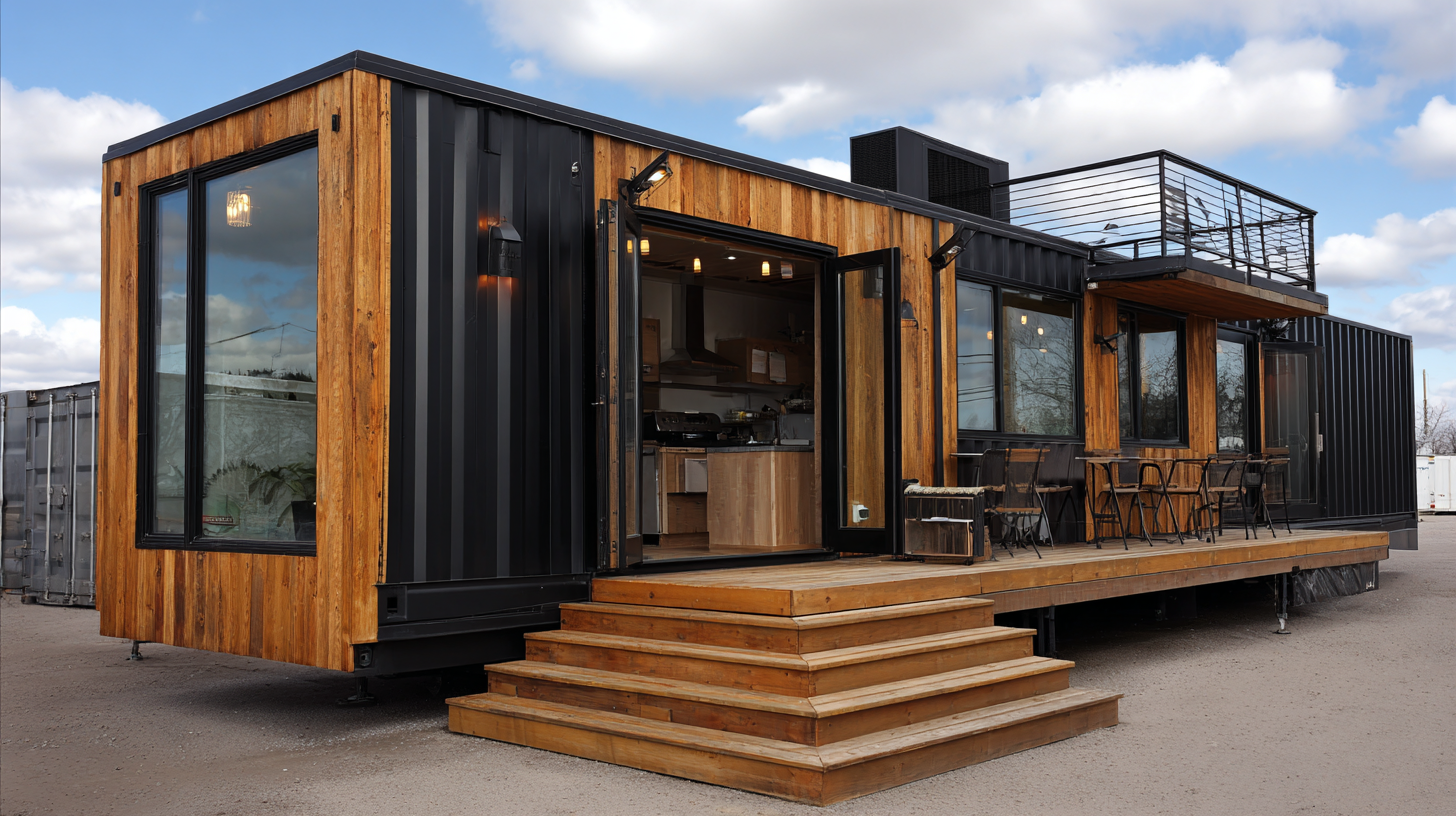
So, when you're picking out the perfect shipping container, one of the first things to think about is what size really works for you. Shipping containers come in all sorts of lengths—usually from about 10 to 40 feet—so it’s good to have a rough idea of what you're planning to store or move. A quick guess of how much stuff you've got will help you figure out the right internal space. You don’t want things to be cramped, because that can cause damage down the line.
Also, think about what you’re actually going to use the container for. If you're planning on turning it into a tiny home, a workshop, or just extra storage, the layout matters. You'll want to plan for things like insulation, ventilation, and hooking up utilities. For example, a standard 20-foot container is pretty handy if you’re working on small projects or just need a compact space. But if you need more room for bigger ideas, those 40-footers give you a lot more flexibility. Don’t forget to think about not just what you need now, but also what you might need down the road—it's worth making sure your container can grow with you and keep serving your changing needs.
Common Problems Encountered with Specific Container Types
When you're choosing a shipping container, it's actually pretty important to know about the common issues that can pop up with different types of containers. For instance, regular dry containers are super common and versatile, but they often have problems like poor ventilation — which can lead to moisture and mold messing up your stuff. Drewry Shipping Consultants reports that around 20% of containers in transit suffer from humidity-related issues. So, yeah, picking the right container really makes a difference if you want your cargo to stay in good shape.
Quick tip: If you're sending something that's really sensitive to moisture, think about going for a refrigerated container or one with proper ventilation. It’s worth the extra effort to keep your stuff dry.
Another thing to watch out for is with flat-rack containers—these are great for oversized cargo, but they do come with their own set of problems. Load shifting during transit is a common issue, and the International Maritime Organization points out that nearly 40% of shipping accidents happen because loads weren't secured properly. So, investing in good quality lashing equipment and making sure everything’s tightly fastened is definitely the way to go.
Tip: Always double-check that your cargo is securely strapped and balanced on flat-rack containers. A little extra care can prevent accidents and damage while your stuff is on the move.
Common Problems Encountered with Specific Container Types
Analyzing the Cost-Effectiveness of Various Shipping Container Options
When you're shopping for a shipping container, it’s super important to weigh your options and see which ones give you the most bang for your buck. Based on the 'Global Shipping Container Market Report 2023,' a standard 20-foot container usually costs around $3,000. But keep in mind, prices can really vary depending on the condition and where you're buying it from. If you're trying to save some cash, grabbing a used container can cut the cost by up to half compared to buying new. It’s a pretty practical move, especially if you’re on a budget.
Quick tip: Before making a deal on a used container, swing by to inspect it—check for any structural issues or damage. That way, you’re making sure your investment stays solid and functional in the long run.
Also, don’t forget about those ongoing costs. Things like maintenance, insulation, and ventilation requirements can add up over time. If you’re living in a colder climate or need certain features, it might cost more initially for retrofitting—but hey, those improvements can save you around 15% on energy bills each year, according to the American Society of Civil Engineers. It’s often worth the upfront investment.
Another tip: make sure you’re familiar with local rules and zoning laws. Failing to do that could land you in hot water with fines or having your project halted. It’s better to do a little homework now than deal with headaches later.
Ultimate Guide to Choosing the Perfect Shipping House Container for Your Needs - Analyzing the Cost-Effectiveness of Various Shipping Container Options
| Container Type | Size (ft) | Average Cost ($) | Durability (Years) | Weight Capacity (lbs) | Common Uses |
| Standard Shipping Container | 20 | 2,000 | 10-15 | 44,000 | Transport, Storage |
| Reefer Container | 40 | 4,500 | 10-12 | 50,000 | Perishable Goods |
| Open Top Container | 40 | 3,500 | 10-15 | 48,000 | Heavy Machinery |
| Flat Rack Container | 20 | 2,800 | 8-10 | 60,000 | Oversized Cargo |
| High Cube Container | 40 | 3,800 | 10-15 | 67,200 | Bulky Items |
Best Practices for Inspecting Shipping Containers Before Purchase
Thinking about buying a shipping container? It’s super important to give it a thorough check before you make any moves. Industry stats show that about 30% of containers have some kind of damage—sometimes small, sometimes more serious—which can end up costing you a lot in repairs or even pose safety risks. So, really, taking the time to inspect the container’s condition—looking for rust, structural issues, or any signs of wear—is definitely worth it.
Here are a few tips to keep in mind when you’re checking out containers:
1. Check the CSC plate — this little certification tag tells you when it was last inspected, whether it’s still allowed for use, and if it meets safety standards.
2. Look for any damage — especially around the corners, doors, and floor. Dents, holes, or rust can seriously weaken the container and reduce how much weight it can carry.
Also, with all these recent warnings about new low sulfur fuel regs, it’s good to be aware that these changes could affect shipping operations — leading to possible mechanical mishaps. Since containers are vital for moving goods around, making sure yours are in good shape can help avoid trouble down the line. Investing in a quality container isn’t just about safety; it’s also about keeping your supply chain smooth and avoiding unexpected hiccups.
Sustainability Factors to Consider When Choosing Shipping Containers
When you're picking out the right shipping container, don't forget that sustainability is actually a pretty big deal—something that often gets overlooked. A big thing to look at is what the container’s made of. Going for ones built with recycled steel is a smart move because it helps cut down your carbon footprint. Plus, these containers tend to be pretty tough, and they also reduce the need for digging up new resources, which is a big plus if you’re into eco-friendly choices.
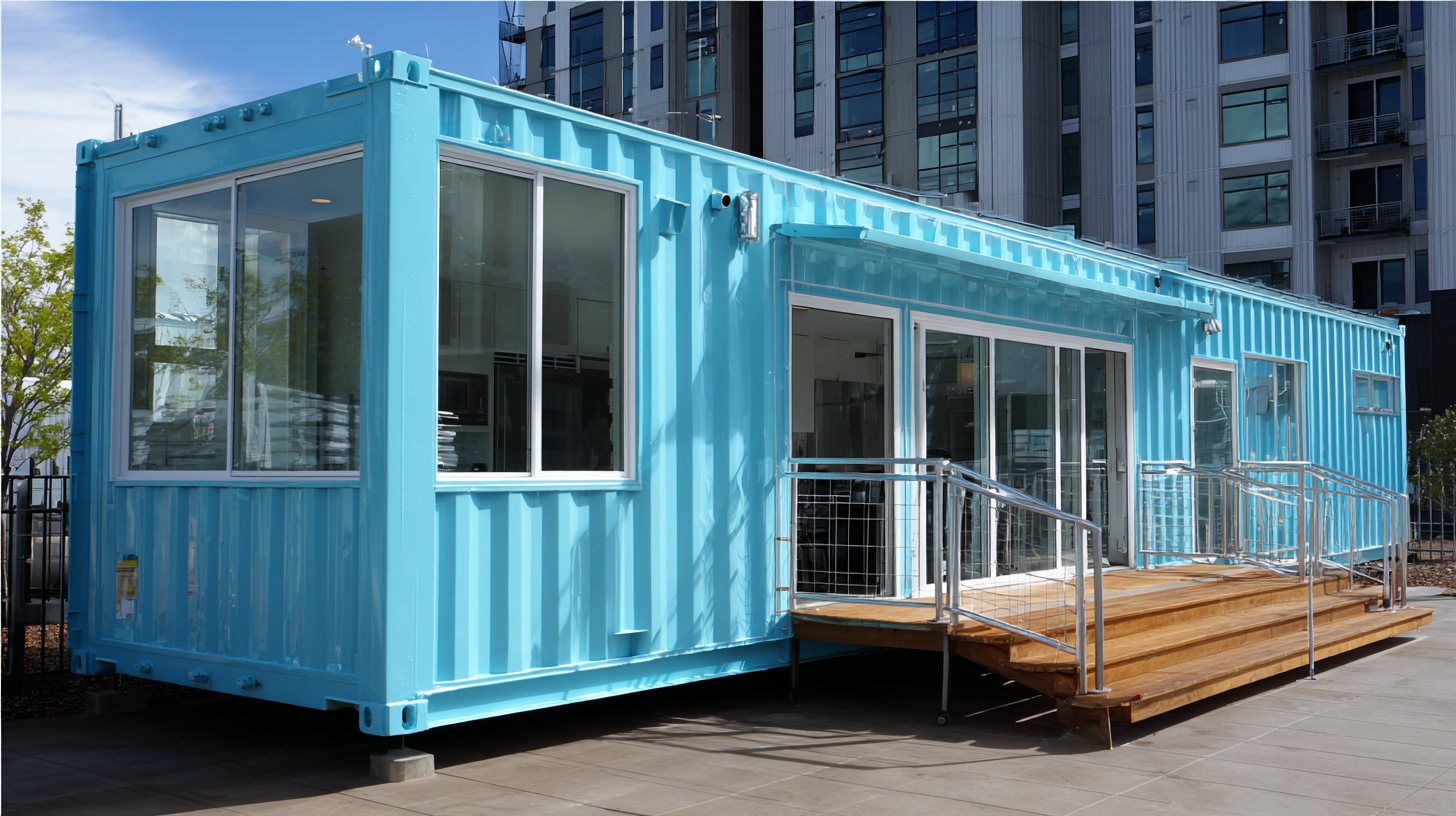
Another thing to keep in mind is the container’s history—like, how many times has it been used before? Reusing a container that’s already done its job means less waste and a lighter impact on the environment in the long run. Also, don’t forget about insulation and energy efficiency—especially if you’re thinking about turning the container into a living space. Good insulation means you won’t waste as much energy, which is better for your wallet and the planet. By putting some thought into these sustainability points, you’ll be making a smarter choice that’s good for you and good for the Earth too.
Exploring the Future of Sustainable Living: 35FT WatchTower Tiny House and Industry Trends in Tiny Home Ownership
As the tiny home movement gains momentum, the concept of sustainable living comes to the forefront, drawing attention to innovative solutions that support inclusivity and environmental consciousness. The 35FT WatchTower Tiny House exemplifies this trend, showcasing how compact living can harmoniously integrate advanced design with ecological responsibility. In this evolving landscape, every aspect of living spaces is being reimagined, reflecting a growing commitment to sustainability and accessibility.
One notable development in this space is the introduction of Handicap-Accessible Portable Restrooms by Nantong Huasha Movable House Co., Ltd. These restrooms are specifically designed to cater to the needs of all users, featuring spacious interiors and sturdy handrails that enhance user comfort. By incorporating intuitive accessibility enhancements, these portable restrooms ensure that everyone, regardless of mobility challenges, has access to quality sanitation facilities. Made from high-quality, durable materials, they are not only easy to clean but also adaptable for various settings, from outdoor events to construction sites.
As tiny home ownership continues to rise, the demand for inclusive and adaptable solutions grows alongside it. Products like the Handicap-Accessible Portable Restrooms symbolize a significant step towards ensuring that sustainable living is not just about minimizing our footprint but also about fostering an inclusive environment where all individuals can thrive. This alignment of functionality, inclusivity, and sustainability is reshaping our approach to living spaces, making tiny homes and their accompanying facilities a cornerstone of future urban design.
FAQS
: You should assess the volume of goods or materials you plan to store or transport to ensure the internal capacity of the container is suitable, avoiding overcrowding that can lead to damage.
The intended use, such as for living space, workshop, or storage, will determine the layout and space needed for insulation, ventilation, and utilities, informing your decision on the appropriate container size.
Shipping containers typically come in various dimensions, ranging from 10 to 40 feet in length, allowing for flexibility based on the user's needs.
Standard dry containers can suffer from inadequate ventilation, which may lead to moisture buildup and mold growth, affecting the cargo inside.
For goods sensitive to moisture, consider using refrigerated containers or those equipped with ventilation systems to minimize the risks of humidity-related damage.
Flat-rack containers may experience load shifting during transit, which can lead to incidents and damage if loads are not properly secured.
Always make sure that cargo is securely fastened and balanced, and invest in quality lashing equipment to prevent accidents during shipping.
Considering potential future needs ensures that the selected container continues to meet your requirements as circumstances change, avoiding the need for an immediate replacement.
Approximately 20% of containers during transit are affected by humidity-related damage, highlighting the importance of container selection for certain types of cargo.
Nearly 40% of shipping incidents are caused by improperly secured loads, emphasizing the need for proper load management, especially with flat-rack containers.
Conclusion
When you're trying to pick out the perfect shipping house container for your needs, it’s really helpful to know about the different types out there and what they’re best suited for. Every container has its own purpose, so it’s important to choose the right size based on what you actually need. Also, don’t forget to be aware of common issues that might come with certain types, and take a moment to compare the cost and value of your options.
Before making a purchase, it’s always a good idea to do a thorough inspection—trust me, you want to get a quality one that’ll last. And given how big sustainability has become these days, thinking about eco-friendly features in your container is definitely worthwhile. At Nantong Huasha Movable House Co., Ltd., we’re here to help from start to finish—whether it’s picking the right site or guiding you through the technical stuff—we’ve got you covered to find the perfect container for your project.