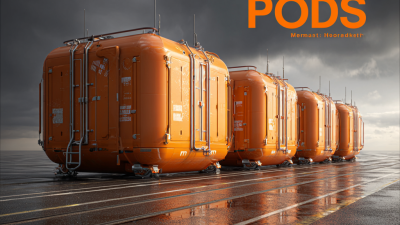
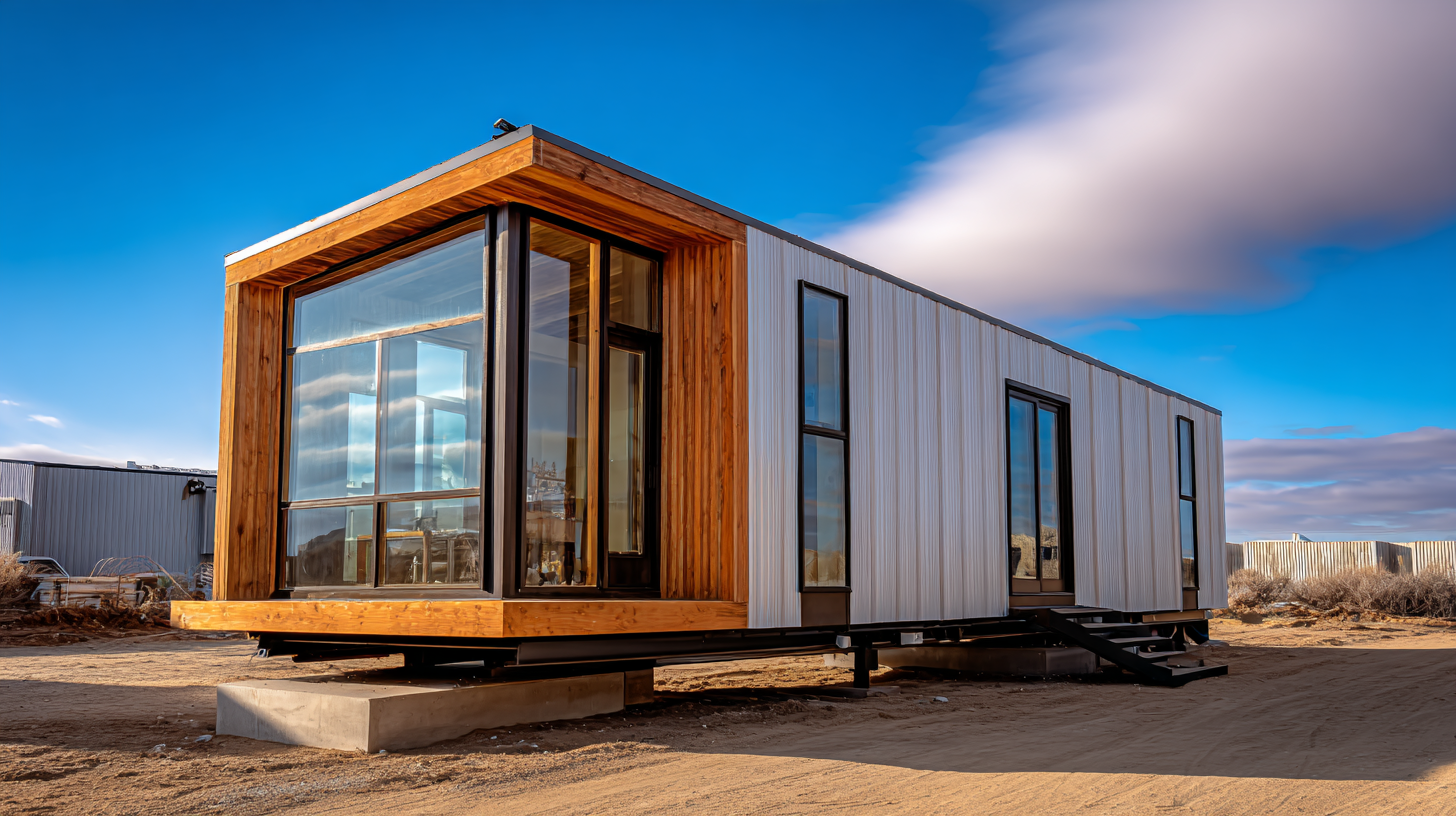
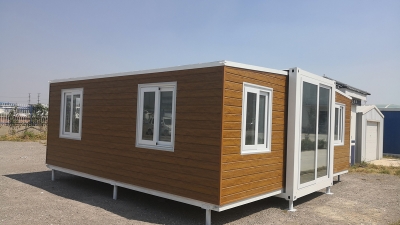
Lately, there’s been a huge buzz around Prefab Tiny Homes, and it’s really no surprise! This surge is mainly because folks are looking for more affordable and sustainable living options these days. You know, according to a report from the National Association of Home Builders, the tiny home market is set to grow a whopping 20% each year! More and more people are on the hunt for creative housing solutions that fit their lifestyles. So, there's this company, Nantong Huasha Movable House Co., Ltd., that’s been leading the charge since 2005. They’ve got quite the lineup of products—think container houses, expandable homes, light steel structures, and even movable pods. Pretty cool, right? They’re really focused on being a one-stop shop, helping customers with everything from site selection to design, production, and even installation. Plus, they offer technical support, making it easier for eco-conscious buyers to find what they need. As the market for these tiny homes keeps growing, it’s becoming super important to navigate the tricky world of import and export certifications. That way, businesses can stay compliant and really tap into their market potential!

Understanding Import and Export Certifications for Prefab Tiny Homes
If you're stepping into the world of importing and exporting prefab tiny homes, then you definitely need to wrap your head around certifications. It’s kind of a big deal, especially with the global modular construction market projected to hit a whopping $157 billion by 2023! Getting those certifications right can really make or break your business. We’re talking about important ones like the International Organization for Standardization (ISO) and different local building codes. These certifications are a must because they ensure your homes are safe and sturdy while also being kind to the environment. Plus, having these certifications not only smooths the trade process but also builds trust with your customers regarding the quality of what you're offering.
**Quick Tip:** To make that certification process a whole lot easier, it might be smart to bring in a compliance consultant who knows their stuff about local and international regulations. They've got the know-how to help you with the paperwork so you can sidestep those annoying delays that could end up costing you.
Also, it’s super important to keep yourself updated on changing import/export rules. Recently, there’ve been reports showing that shifts in tariffs and trade agreements can really shake up the prices and availability of building materials. With all these changes happening, you've got to be ready to adapt and roll with the punches if you want to thrive in the prefab tiny home biz.
**Another Tip:** Make it a habit to check government updates and industry reports to stay on top of the latest trade regulations. And don’t forget, joining industry associations can also be a great way to snag valuable insights and resources.
Navigating Import and Export Certifications for Best Prefab Tiny Homes
This chart illustrates the distribution of various import and export certifications required for prefab tiny homes, highlighting the most common certifications in the industry.
Key Certifications Required for International Trade of Prefab Tiny Homes
So, when we talk about international trade in prefab tiny homes, it’s super important to get a good grasp of the key certifications you need. This stuff can really make or break your success in this booming market! I mean, according to a report from Market Research Future back in 2022, they projected that the global prefab housing scene could hit a whopping $56 billion by 2027, thanks to trends in economic viability and sustainability. But here’s the catch: businesses really need to navigate this pretty complicated maze of certification requirements if they want to make sure they’re compliant and gain consumers' trust across borders.
In the U.S., there are two big players in the certification game—the International Code Council (ICC) and the American National Standards Institute (ANSI). They’re essential for getting your Prefab Homes certified. If you comply with theICC-ES standards, you’re basically saying your structures are safe and perform well, which is crucial for getting into the market. Over in the European Union, you can’t forget about the CE marking for construction products; it shows that your tiny homes meet EU safety standards. Plus, snagging an ISO 9001 certification just goes to show that your company is serious about quality management systems. All these certifications can really help businesses stand out in an ever-competitive field!
The Role of Quality Assurance in Sourcing from Chinese Factories
You know, quality assurance is super important when it comes to sourcing prefab tiny homes from factories in China, especially with how popular these little houses are getting all over the world. A report from McKinsey even says that the prefab housing market is set to grow by about 20% each year! A lot of that growth is really about being efficient and keeping things sustainable. But here's the catch: we need to make sure these homes meet international standards while still keeping costs down. That's where quality assurance comes in. It helps us show that we're following important certifications like ISO 9001, which can really boost the credibility of our products in global markets.
On top of that, a survey from Deloitte back in 2021 found that 70% of importers said the biggest headache they faced when sourcing from abroad was poor quality. So, it’s pretty clear we need solid quality assurance measures in place, right? Things like regular factory audits and testing the materials are key. Not only do these steps help reduce risks, but they also build buyer confidence. If businesses really make quality assurance a priority in their sourcing process, they’re gonna have a much easier time tackling the tricky world of importing prefab tiny homes—plus they’ll be able to take advantage of all the efficiency and innovation that Chinese manufacturers can provide.
Navigating Compliance: Regulations for Tiny Home Exports to Different Countries
You know, dealing with compliance when it comes to exporting tiny homes is getting pretty tricky these days. With all these new regulations popping up in different regions, it’s like trying to solve a puzzle that keeps changing. Take, for instance, what the U.S. Commerce Department’s Bureau of Industry and Security (BIS) just rolled out – they’re now enforcing tougher global due diligence rules that businesses need to follow before they even think about exporting. This isn’t just a small blip; it’s part of a bigger trend of tightening export controls, and it can really shake things up for manufacturers and exporters hoping to break into international markets. Analysts say around 30% of U.S. exports are snagged by one regulatory issue or another, so tiny home producers really need to be on their toes with proactive strategies.
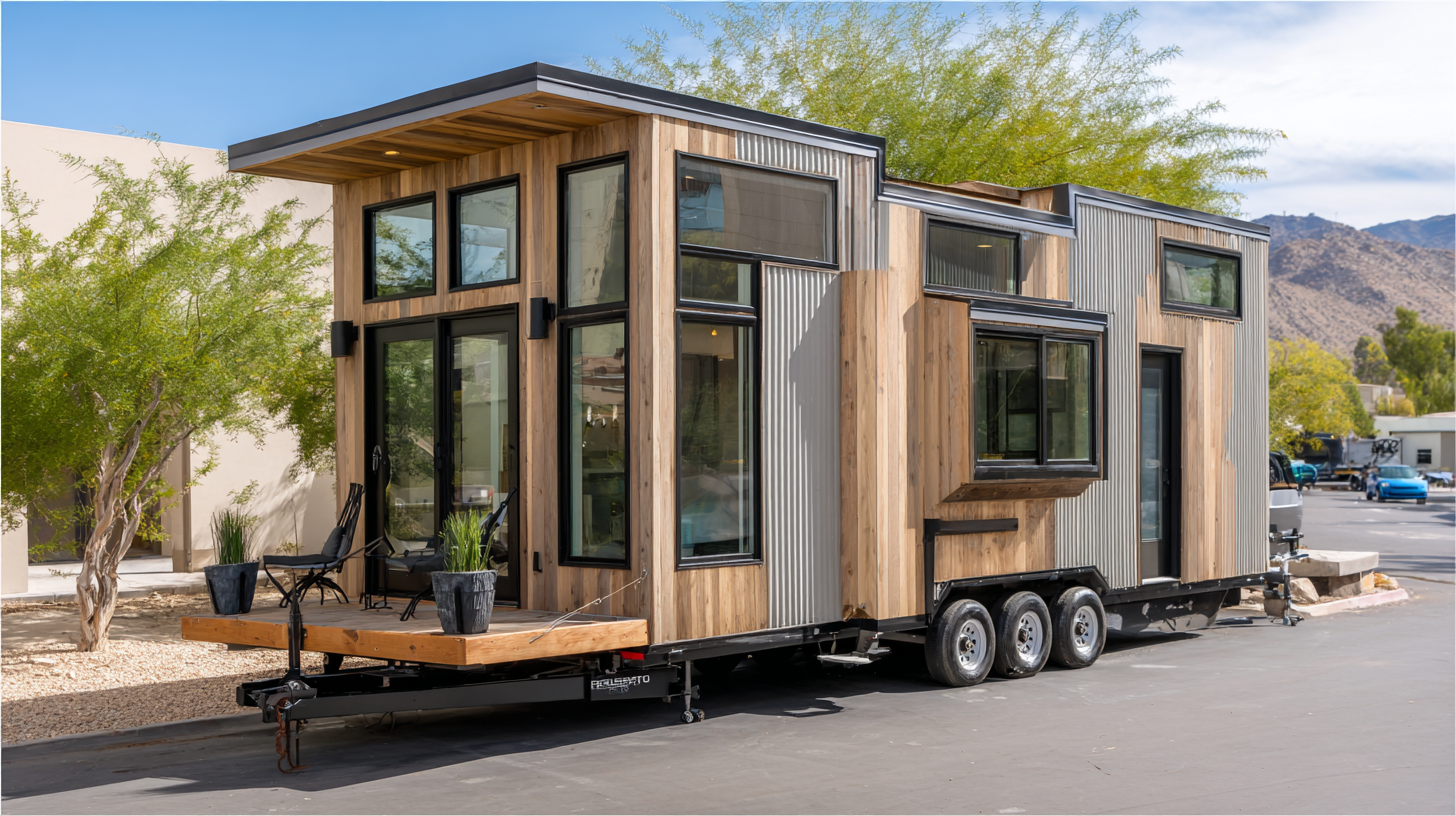
When it comes to sending prefab tiny homes overseas, you’ve really got to get a solid grip on the compliance landscape in your target countries. There’ve been some recent shake-ups in the EU focused on tightening import certifications – and that includes those green building standards everyone’s buzzing about. It’s a big deal! Regulations cover everything from what materials you can use to how energy-efficient your homes need to be. And get this, about 20% of tiny home manufacturers are running into roadblocks just trying to meet international market standards. As the demand for affordable and sustainable housing keeps taking off around the globe, companies really have to navigate these bumps in the road if they want to stay competitive and make a successful splash in these markets.
Tips for Ensuring Product Quality in the International Prefab Housing Market
Diving into the international prefab housing scene is no small feat, and let me tell you—ensuring product quality is absolutely crucial. At Nantong Huasha Movable House Co., Ltd., which has been around since 2005, we totally get that quality starts with the right materials and top-notch craftsmanship. Our experience in making everything from container houses to expandable homes and light steel structures really helps us stick to high-quality standards every step of the way, from design to installation.
Here’s a handy tip: it’s super important to carry out thorough inspections at different stages of production. You’ll find that having solid quality control measures in place during site selection and while manufacturing can really help cut down on risks. And don’t forget about communication! Keeping those lines open between suppliers and manufacturers makes a world of difference when it comes to spotting any problems early on.
Another key takeaway? Stay in the loop about the certification requirements in the markets you’re targeting. You need to have a solid grasp of local building codes and safety regulations that could affect your prefab housing projects. By weaving this information into our offerings, we’re able to give clients some pretty innovative one-stop solutions—from design and production to technical guidance—tailored to meet all sorts of international standards.
Navigating Import and Export Certifications for Best Prefab Tiny Homes Explained - Tips for Ensuring Product Quality in the International Prefab Housing Market
| Certification | Purpose | Requirement | Regions Applicable | Validity Period |
| ISO 9001 | Quality Management System | Audits and documentation | Worldwide | 3 years |
| CE Marking | Safety and Environmental Standards | Compliance with EU regulations | European Union | Ongoing |
| UL Listed | Product Safety | Testing by UL | United States | Ongoing |
| Energy Star | Energy Efficiency | Efficiency testing | Worldwide | Ongoing |
| EPA Compliance | Environmental Protection | Compliance with environmental laws | United States | Ongoing |
Leveraging Trade Agreements to Enhance Global Reach of Tiny Home Products
You know, the whole buzz around prefab tiny homes is really taking off! Manufacturers are jumping at the chance to tap into global markets, thanks to all those trade agreements. It’s pretty neat how these agreements can seriously broaden the reach of tiny home products, helping businesses tackle those tricky export regulations without breaking a sweat. Countries often team up to cut down on tariffs and simplify customs, so prefab tiny home companies can break into new markets much more smoothly. I mean, just look at deals like the USMCA (United States-Mexico-Canada Agreement)—these really pave the way for North American manufacturers, making it easier to get their goods flowing across borders and nudging the economy forward.
And here’s the thing: if you’re in the tiny home biz, you’ve got to get a handle on the specific rules tied to these trade agreements. It’s super important to follow all those import and export certifications; nobody wants to deal with legal headaches or shipping delays, right? By aligning their products with international standards, companies not only boost their credibility in new markets but also attract those eco-conscious folks who care about where their materials come from. So, embracing these trade deals really builds a solid foundation for tiny home makers looking to spread their wings globally, all while staying compliant and upping their game in this diverse market.
Innovative and Affordable Living: Exploring Two Bedroom Australia Prefab Container House Plans
Exploring innovative and affordable living options has never been more exciting, especially with the advent of prefab container houses. Our two-bedroom container house designs seamlessly combine functionality and style, making them an ideal choice for those looking to downsize without compromising on comfort. The thoughtful layout of these homes includes well-planned interiors featuring spacious living areas, modern kitchens, and cozy bathrooms, ensuring that every square foot is utilized effectively.
One standout example is the classic gray house from Nantong Huasha, which showcases our commitment to quality and design. With over 20 years of experience, we provide a range of customization options that allow homeowners to tailor their space to their unique preferences. From various roof combinations to aesthetically pleasing exterior wall materials, every element can be adapted to integrate beautifully with the local surroundings. This harmonious blend of innovation and traditional design principles ensures that families not only enjoy their homes but also enhance their lifestyle through thoughtful living spaces.
FAQS
: Quality assurance is crucial as it ensures that the homes meet international standards and maintain cost-effectiveness, enhancing product credibility in global markets.
A significant challenge is poor quality, with a survey showing that 70% of importers identified it as the foremost issue when sourcing internationally.
Implementing robust quality assurance measures, such as regular factory audits and material testing, can mitigate risks and boost buyer confidence.
Trade agreements facilitate access to new markets by reducing tariffs and streamlining customs processes, allowing companies to expand their reach effectively.
Aligning products with international standards and certifications enhances credibility in new markets and appeals to environmentally conscious consumers.
Compliance with trade regulations helps manufacturers avoid legal pitfalls and shipping delays, ensuring smoother operation in international markets.
The prefab housing market is growing due to rising demand for efficiency and sustainability, projected to increase by 20% annually.
By prioritizing quality assurance throughout the sourcing process, businesses can navigate complexities and demonstrate reliability, thus enhancing buyer confidence.
The USMCA can open up new markets and facilitate the flow of goods across borders, fostering economic growth for manufacturers in North America.
Material testing is essential to ensure that products meet quality standards, thereby reducing risks associated with poor quality in imported goods.