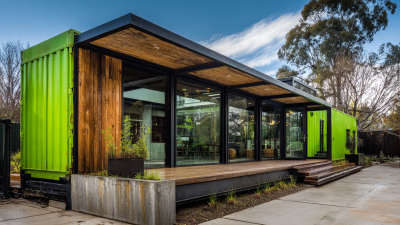
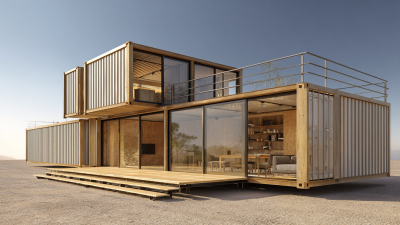
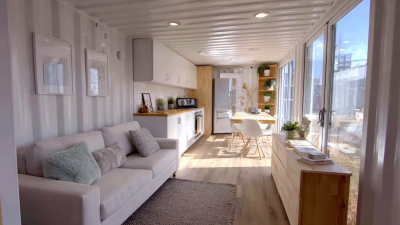
Lately, you might’ve noticed how Shipping Container Homes are getting a lot of buzz. I mean, these unique buildings are really capturing people's attention. According to the folks over at the Container Home Association, building one of these can cost anywhere from around $10,000 all the way up to over $100,000 — and honestly, that big jump mostly depends on how fancy or complicated the design is, not to mention where you’re putting it. Sarah Thompson, who’s a pretty well-known architect specializing in eco-friendly homes, also points out that, 'You don’t have to break the bank to live affordably without sacrificing style or quality.' So, it’s not all about the lowest price, you know?
Shipping container homes are pretty interesting because they seem like a creative way to tackle housing shortages worldwide. Still, if you’re thinking about jumping into this, it’s worth doing your homework first. For example, making sure the containers are sturdy enough for long-term use is super important, and good insulation is key to keeping things comfortable inside. A lot of folks underestimate the ongoing expenses too — like permits, land costs, and all that sort of thing.
And hey, while budget is definitely a big deal, it’s also good to keep in mind that not all container homes are created equal. Some builders really know their stuff and deliver top-notch quality, but others might cut corners to save a few bucks. So, it’s really worth taking the time to research any contractors you’re thinking of working with. All in all, investing in a shipping container home can be pretty rewarding — just make sure you do your due diligence and understand what you’re getting into.
Understanding Shipping Container Homes: An Overview
Shipping container homes are gaining popularity for their uniqueness and sustainability. They offer a wide range of design possibilities. However, building Inside Shipping Container Homes comes with its challenges. Many builders face difficulties like insulation and plumbing. Proper planning is crucial to maximize space and functionality. This often requires consulting with experts who understand the nuances of container construction.
While shipping containers are typically affordable, additional costs can arise. Modifications, permits, and utilities can drive up the total expense. It's important to conduct thorough research before starting the project. Potential homeowners should familiarize themselves with local regulations, which can help avoid unexpected legal issues down the line.
Engaging with experienced builders can lead to better outcomes. Their insights can refine plans and ensure safety. But, many DIY enthusiasts underestimate the complexity of such builds. Without adequate knowledge or skill, projects can stall or face serious setbacks. It’s vital to reflect on these challenges and seek guidance if needed. Ultimately, understanding both the allure and pitfalls of shipping container homes is essential for a successful venture.
Factors Influencing the Cost of Shipping Container Homes
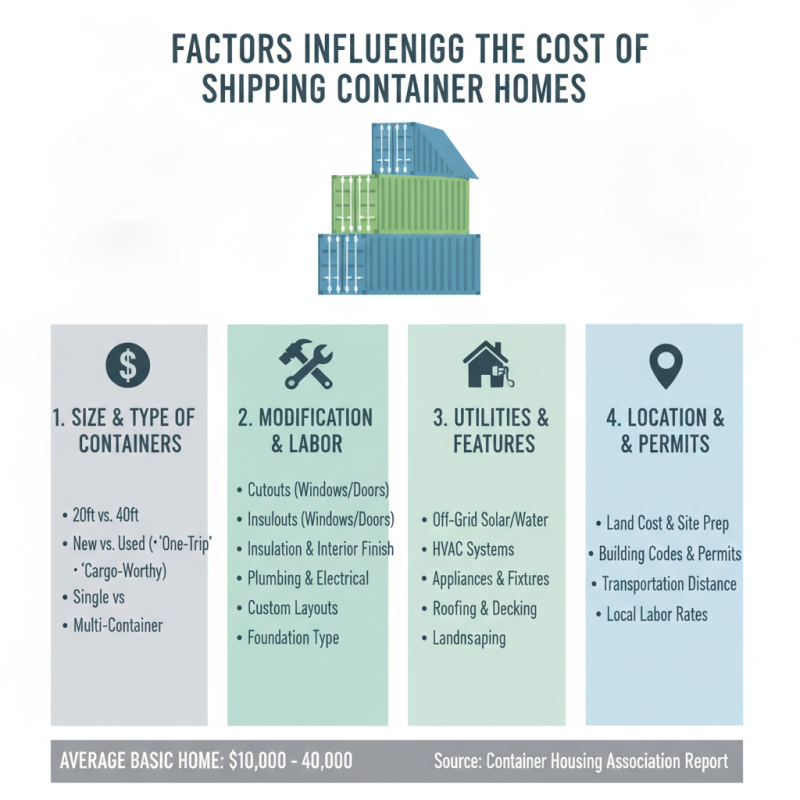
Shipping container homes offer a unique solution for affordable housing, but costs can vary significantly. According to a recent report by the Container Housing Association, the average cost of a basic shipping container home ranges from $10,000 to $40,000. However, several key factors influence this pricing.
One major factor is location. Prices for containers can change depending on regional shipping costs and local demand. Areas with high living costs may see inflated prices. Additionally, land permits and local building codes impact overall expenses. Some projects may also require extensive modifications, adding to costs. For example, insulation, plumbing, and electrical work are essential for comfort and compliance, potentially adding $15,000 to $30,000.
Materials are another significant factor. The type and quality of finishing materials can greatly influence the final price. Eco-friendly materials may initially seem costly but can reduce long-term utility costs. Custom designs will also increase expenses. While a standard layout may fit a budget, personalized touches can lead to unforeseen expenses. Balancing cost and creativity remains a challenge for many builders. Each choice leaves room for reflection on what makes a home feel unique.
Estimating the Base Cost of Shipping Container Units
When estimating the base cost of shipping container units, the first thing to consider is the container itself. Typically, a used shipping container costs between $1,500 and $3,000. Prices can vary based on the condition and local market demand. While this may seem reasonable, you also need to factor in transportation and site preparation costs. Finding a suitable plot of land adds another layer of complexity.
The Inside Of Shipping Container Homes often requires extensive modifications. Insulation, plumbing, and electrical installations can become costly. Basic interior finishing may range from $5,000 to $15,000, depending on how luxurious you want your space to be. A common mistake is underestimating these additional expenses. Many new owners find themselves exceeding their budget without realizing it.
Moreover, local regulations can impact costs significantly. Some areas require permits or inspections, which adds time and money to your project. You might find surprising fees associated with code compliance. Always research local laws before diving into a container home build. This step can save you from unexpected delays and expenses. Understanding these factors is crucial before making any commitments.
Additional Expenses for Customization and Renovation
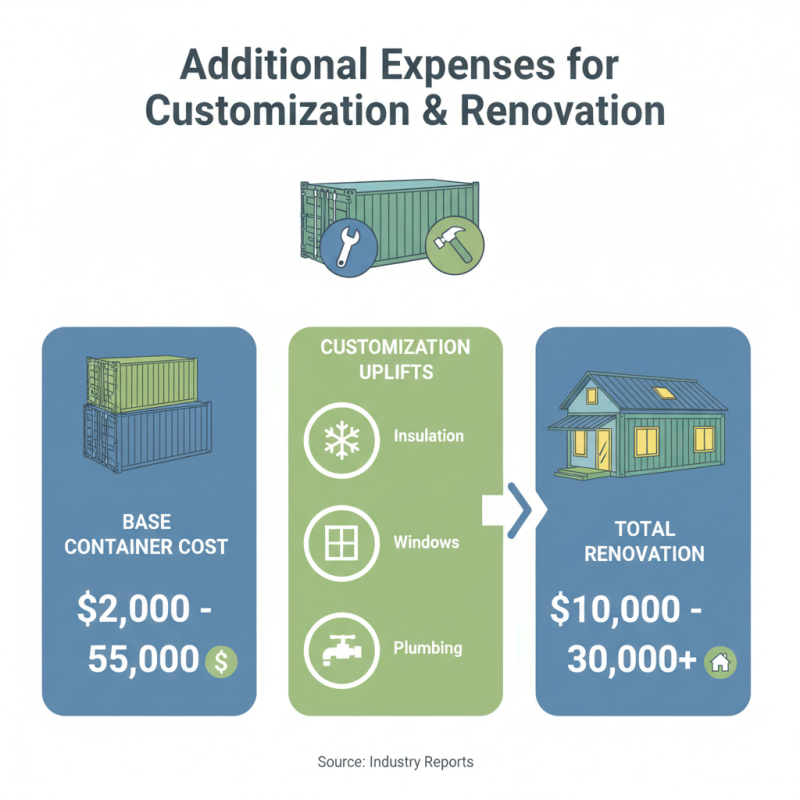
Customization and renovation of shipping container homes can significantly impact overall costs. According to industry reports, the average shipping container can cost between $2,000 to $5,000. However, additional expenses arise when homeowners choose to modify their containers. Custom insulation, windows, and plumbing can drive costs up by 20-30%. Renovation costs can easily escalate to $10,000 to $30,000 depending on the level of customization.
In addition, permits and inspections add another layer of expense. Building codes differ by location. This variance can lead to unexpected costs. Seeking permits can take time and money, sometimes adding thousands to the project. Homeowners often overlook these factors, leading to budget overruns. Quality contractors may charge 15-25% more for specialized work on container homes.
Homeowners should also consider aesthetic choices. High-quality finishes, eco-friendly materials, and modern appliances raise the price tag. Ultimately, while container homes are often marketed as affordable, true expenses can exceed initial estimates. Balancing budget with design goals is essential in this unique housing market. The allure of a trendy container home might come with hidden costs. Planning and careful budgeting are crucial to avoid disappointment.
Land and Foundation Costs for Container Homes
When considering the costs associated with shipping container homes, land and foundation expenses are crucial. The location of your land will heavily influence the overall budget. Urban areas typically command higher prices, while rural settings may offer more affordable options. Budgeting for land means evaluating utilities, access roads, and zoning regulations. Each of these factors adds to your costs, and ignoring them can lead to unpleasant surprises.
Foundation choices also affect pricing. Some homeowners opt for a simple gravel base, which is cost-effective and easy to install. Others may prefer a concrete slab or pier foundation for better stability. Each option has its pros and cons, and these must be weighed carefully. A solid foundation is a must for long-term durability, yet it can drive up initial expenses.
Affordable Shipping Container Homes still require investment in good land and a solid foundation. It's essential to conduct thorough research. Visit potential sites, consult with contractors, and get multiple quotes. Simple mistakes in planning could lead to higher costs later on. Attention to detail in this early stage can save you money and stress down the road.
Cost Breakdown of Shipping Container Homes
Ongoing Maintenance and Utility Costs
Ongoing maintenance and utility costs are crucial for anyone considering shipping container homes. These costs will impact your overall budget. On average, homeowners can expect to spend about $1,200 to $3,000 annually for maintenance. This includes repairs, insurance, and upkeep of the exterior.
Utility costs can vary significantly. According to the U.S. Energy Information Administration, an average household spends around $2,200 per year on energy. Container homes, if designed well, can be more energy-efficient. However, insulation quality and climate directly influence these expenses. Proper insulation can reduce heating and cooling costs by up to 30%.
Water and sewage are other critical expenses. A typical home uses about 80-100 gallons of water daily. For a container home, rainwater harvesting systems can reduce these costs significantly. However, initial setup can be pricey. While shipping container homes often seem affordable upfront, homeowners should plan for these ongoing costs realistically.
Comparative Analysis: Container Homes vs. Traditional Homes
Container homes are gaining popularity for their unique design and affordability. When comparing Shipping Container Tiny Homes to traditional houses, cost emerges as a key factor. A basic shipping container home can range from $30,000 to $150,000. This price depends on size, modifications, and location. In contrast, traditional homes often start at $200,000. The lower cost of container homes is appealing, especially for budget-conscious buyers.
However, there are considerations. Container homes may require significant customization. This can increase the overall price. Insulation and plumbing are two crucial areas that often need improvement. Builders may face challenges understanding local regulations, which can delay projects. Traditional homes usually come with more established codes, making them easier to navigate.
Aesthetic value also plays a role. Shipping container tiny homes offer modern designs, but some people prefer the warmth of traditional homes. The resale value can vary. While container homes are trendy now, lasting demand is uncertain. Buyers should reflect on their long-term plans. Weighing the pros and cons is essential before making a decision.
Innovative Living: Exploring the Advantages of 20ft 2-Bedroom Prefab Container Houses in Modern Mobile Homes
The modern approach to housing has taken a significant turn with the emergence of Prefab Container houses, particularly the 20ft and 40ft models. These innovative living solutions not only provide a sustainable alternative to traditional homes but offer distinct advantages. According to industry reports, the global modular housing market is projected to reach $157 billion by 2025, underscoring the increasing demand for efficient and flexible housing options.
The 20ft 2-bedroom prefab container house embodies efficiency in design and functionality. Its compact layout is ideal for smaller families or individuals seeking to maximize space without compromising comfort. However, for those needing a bit more room, the 40ft integrated cabin serves as a remarkable choice. This larger model boasts double the area of the 20ft, allowing for enhanced living space while minimizing onsite construction efforts. This modular setup not only reduces the time to move in but also lessens the overall labor costs, making it an attractive solution for many.
Customization plays a key role in the appeal of these container homes. Potential homeowners can specify the length of the cabin, allowing for adaptation to fit various land sizes. This flexibility is crucial in urban areas where space is often at a premium. As the contemporary housing landscape continues to evolve, prefab container houses are likely to become a standard choice for those looking for innovative, affordable, and sustainable living solutions.
FAQS
: The average cost ranges from $10,000 to $40,000, but various factors affect the final price.
Prices can vary by region due to local demand and shipping costs. High living costs may inflate prices.
Customization can increase costs by 20-30%. Modifications like insulation and plumbing can add $10,000 to $30,000.
Building codes vary by location. Overlooking this can lead to unexpected costs, sometimes adding thousands to the budget.
While basic container homes may cost less, customization can increase expenses. Traditional homes often start at $200,000.
High-quality finishes and eco-friendly materials raise costs. Balancing aesthetics and budget is crucial.
Yes, renovation costs can escalate depending on customization. Builders face unique challenges with containers compared to traditional homes.
Container homes' resale value can be uncertain. Market demand may fluctuate, requiring buyers to reflect on long-term plans.
Homeowners may underestimate expenses from permits, inspections, and specialized contractor fees, leading to budget overruns.
Planning and careful budgeting are essential. Reflection on priorities can help navigate potential hidden costs.
Conclusion
Shipping Container Homes have gained popularity as an innovative housing solution, offering a unique blend of sustainability and affordability. Understanding the costs associated with these homes involves several factors, including the base price of shipping container units, customization expenses, and additional financial considerations like land and foundation costs. These homes also entail ongoing maintenance and utility costs, which should not be overlooked.
When estimating the overall cost, it’s essential to compare Shipping Container Homes with traditional homes, as there can be significant differences in expenses. Customization and renovation can increase the initial investment, but many find the versatility and eco-friendliness of container living worth the cost. Ultimately, careful planning and budgeting are crucial to ensure that these modern dwellings remain a practical and economically viable choice.