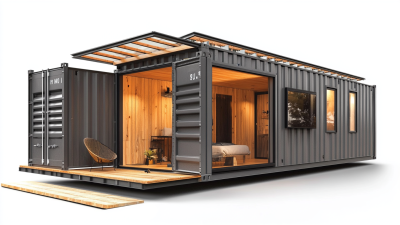
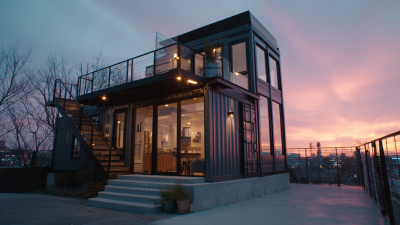
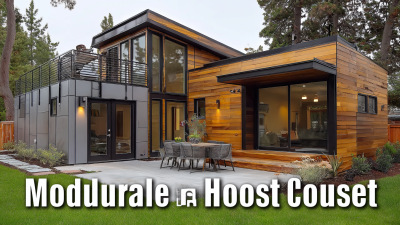
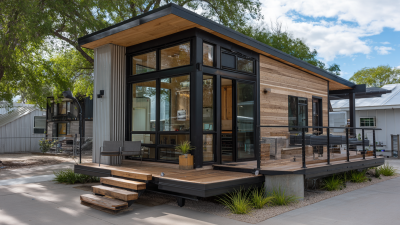
Container Homes are really gaining popularity these days as a pretty innovative and eco-friendly way to live. They’re actually a pretty cool choice if you’re thinking about your next project. Like Mark Taylor, who’s a big name in the container housing world and runs EcoContainer Homes, puts it: "Container homes bring together affordability, sustainability, and a creative vibe, giving a unique twist to the way we solve housing needs." That quote pretty much sums up what these modern structures are all about in today’s housing scene.
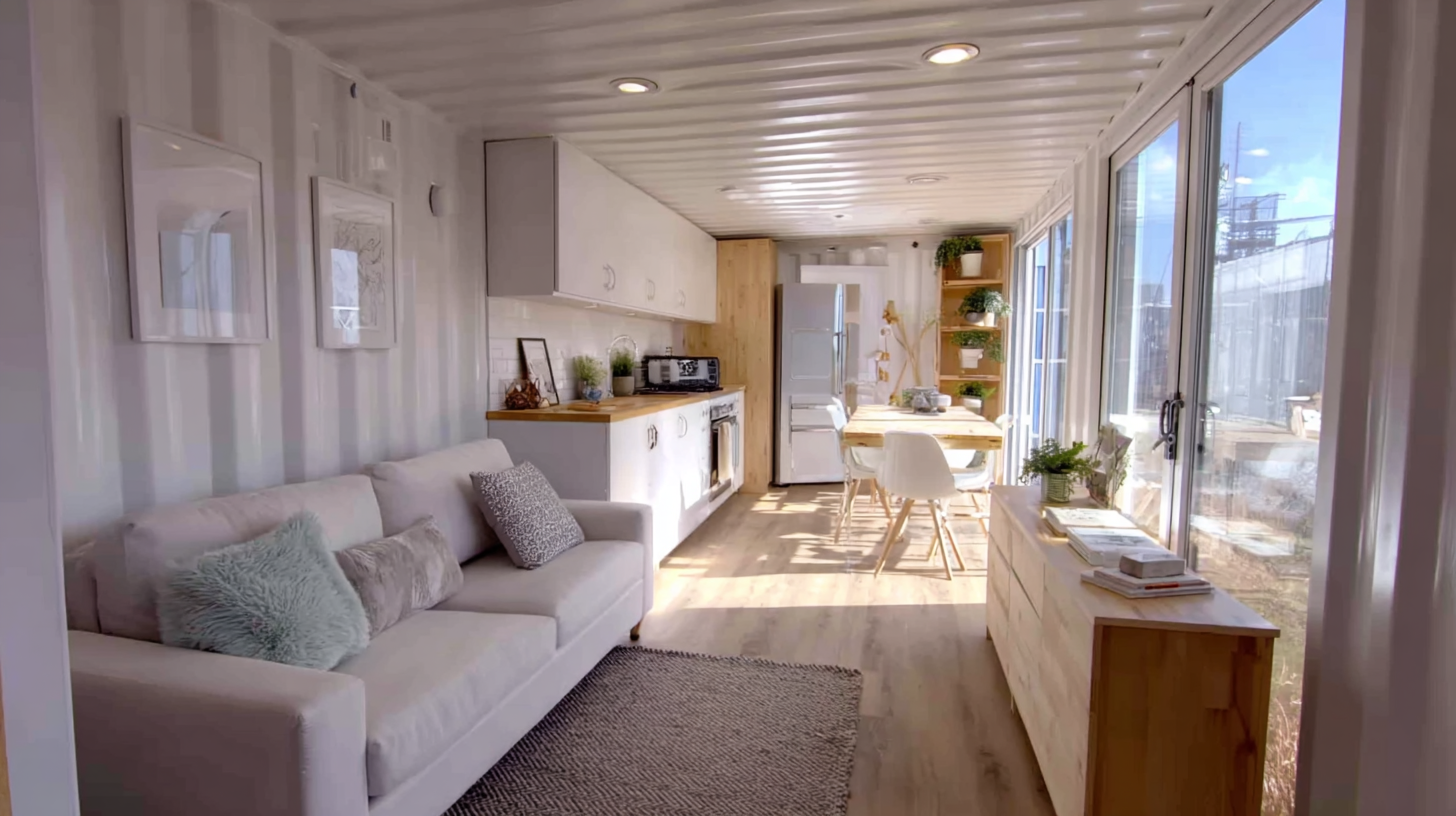
With more folks looking for affordable and greener living options, container homes stand out as something worth considering. They’re super versatile—allowing for lots of creative design ideas—plus, they’re pretty gentle on the environment. Since shipping containers are modular, they can be moved around easily, stacked in different configurations, and customized to suit various lifestyles and tastes. With a bit of imagination, these homes can turn everyday living into something pretty special.
In this discussion, I want to walk you through some of the biggest perks of container homes and why they might be a smart choice for your next housing project. From saving money and being energy-efficient to the endless design options, these homes pack a punch without sacrificing style or practicality.
Advantages of Using Container Homes for Sustainable Living
Container homes have emerged as a sustainable living solution, particularly in regions prone to natural disasters. As climate change increases the frequency of extreme weather events, the demand for resilient housing options has surged. According to recent industry reports, container homes not only provide rapid deployment capabilities, enabling swift response in disaster zones, but they also significantly reduce construction waste compared to traditional building methods. The prefab nature of these homes allows for a controlled assembly process that minimizes excess material use—an important factor in sustainable architecture.
Moreover, container homes offer flexibility and cost-effectiveness that appeal to urban environments facing housing shortages. The construction time for these homes can be reduced by up to 60%, an appealing statistic for developers and homeowners alike. With the capability to be stacked and configured differently, container homes can cater to diverse living needs while optimizing space usage. Industry analysis shows that by incorporating eco-friendly materials and design strategies, container homes can drastically lower energy consumption, contributing to a larger push toward sustainable living practices. This dual approach—serving immediate humanitarian needs while promoting long-term sustainability—positions container homes as a viable and smart choice for future housing projects.
Versatility of Container Homes for Various Project Needs
Container homes have emerged as a versatile and innovative housing solution, appealing to a wide range of project needs. According to a report by the Container Housing Association, the global market for container homes is projected to reach $73.2 billion by 2027, reflecting their growing popularity. These homes can easily accommodate diverse requirements, whether for residential living, commercial ventures, or temporary accommodations. Their modular design allows for easy customization and scalability, making them suitable for both small projects and large developments.
The adaptability of container homes is particularly beneficial in urban settings where space is at a premium. A study by the National Association of Home Builders indicates that container homes can be constructed for 30% less than traditional homes, offering a budget-friendly alternative without sacrificing quality. Furthermore, their sustainable construction methods align with increasing demand for eco-friendly living solutions. With the ability to incorporate energy-efficient designs and recyclable materials, container homes provide a compelling option for environmentally conscious individuals and developers alike. As more people look for innovative ways to build, the versatility of container homes continues to be a driving factor in their popularity.
Cost-Effectiveness of Container Homes Compared to Traditional Buildings
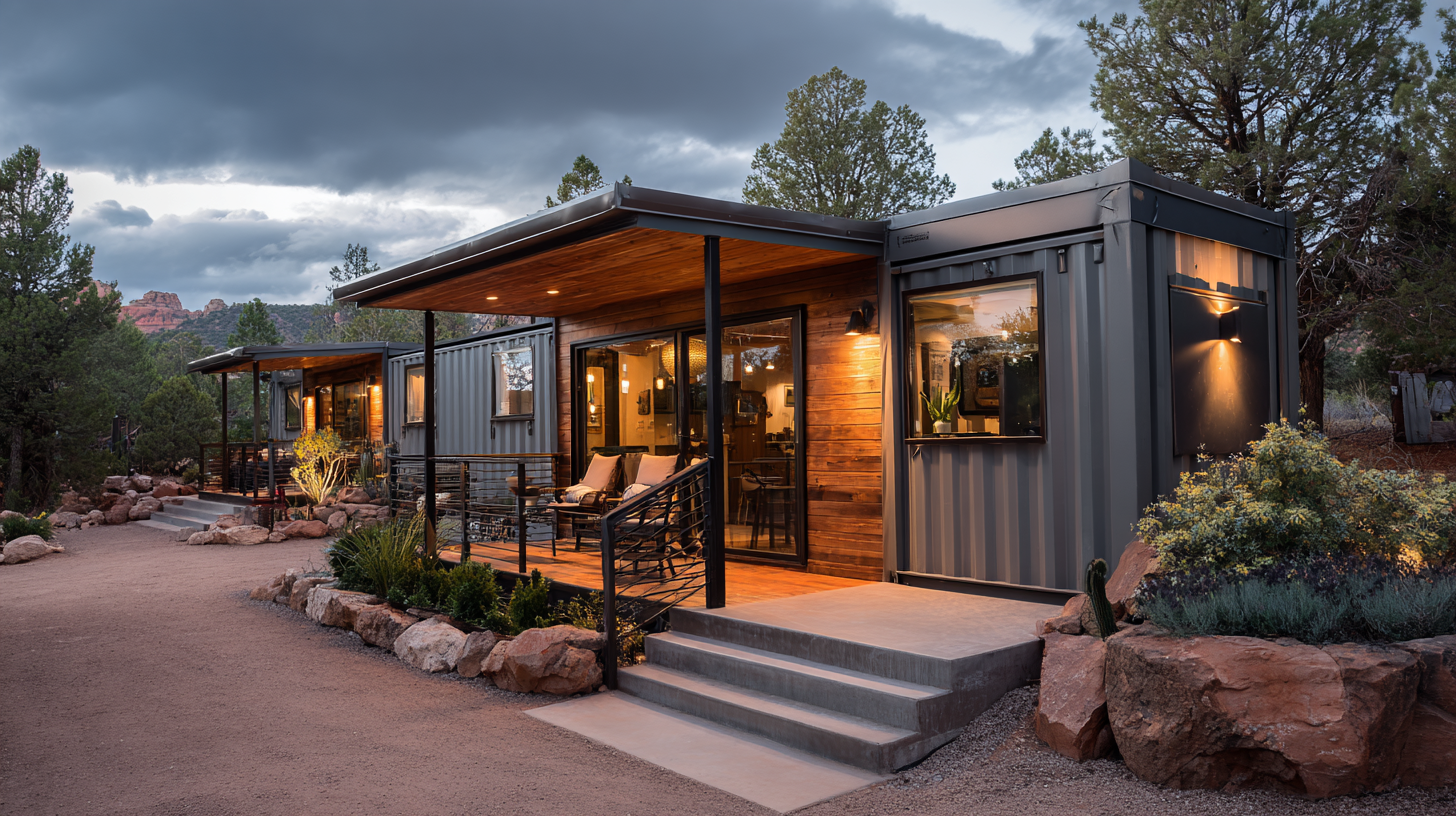 Container homes have gained popularity due to their unique construction and potential for significant cost savings. When compared to traditional buildings, container homes often come out on top in terms of affordability. The main reason lies in the reduced material costs and shorter construction time. Additionally, many Container Home Designs allow for flexibility, enabling owners to create custom layouts while avoiding the expense associated with extensive foundation work typically required for traditional builds.
Tips: If you’re considering a container home, be sure to research local zoning laws and building codes. Understanding these regulations can help streamline the building process and avoid potential delays. Furthermore, think about insulation and energy efficiency early on, as this can drastically reduce long-term utility costs.
Another factor to consider is sourcing. Purchasing used shipping containers can significantly lower your initial investment, especially if you shop around for the best deals. Additionally, incorporating eco-friendly materials and sustainable practices in your container home design can enhance its appeal and further contribute to cost savings over time.
Innovative Design Possibilities with Container Construction
Container homes are rapidly gaining popularity, not only for their affordability but also for their innovative design possibilities. According to a recent report by the Container Housing Association, the use of shipping containers in construction can reduce costs by up to 50% compared to traditional building methods. This affordability, combined with their modular nature, allows for a wide range of creative designs—from single-unit homes to multi-story complexes. The versatility of shipping containers makes them an attractive option for both residential and commercial projects, enabling architects to experiment with unique layouts and eco-friendly solutions.
When considering a container home, think about maximizing natural light and ventilation. Large windows and strategically placed skylights can transform the often boxy aesthetic into a warm and welcoming space. Additionally, incorporating sustainable materials, such as recycled insulation and solar panels, can enhance energy efficiency and reduce the overall carbon footprint of the structure.
Tip: Before starting your container home project, research local zoning laws and building codes to ensure compliance. This will save you time and avoid potential legal issues down the road. Another helpful tip is to collaborate with architects who specialize in container design; their expertise can help bring your vision to life more effectively.
Environmental Impact and Benefits of Choosing Container Homes
Container homes, constructed from repurposed shipping containers, represent an innovative approach to sustainable living. Their environmental impact is significantly lower than traditional building methods due to the recycling of materials that would otherwise contribute to landfill waste. By utilizing these containers, we minimize the demand for new resources and reduce the carbon footprint associated with manufacturing conventional building materials. This is especially crucial in an era where climate change and resource depletion are pressing concerns.
Moreover, choosing container homes can lead to energy efficiency, as they can be designed to incorporate green technologies such as solar panels and energy-efficient insulation. The compact structure of containers allows for less energy usage in heating and cooling, making them a viable option for eco-conscious individuals. Additionally, the versatility of container homes means they can be adapted to various climates and aesthetics, enhancing their appeal. By prioritizing container homes in building projects, we embrace a forward-thinking approach that aligns with sustainable living practices while demonstrating a commitment to environmental stewardship.
Steps to Start Your Own Container Home Project
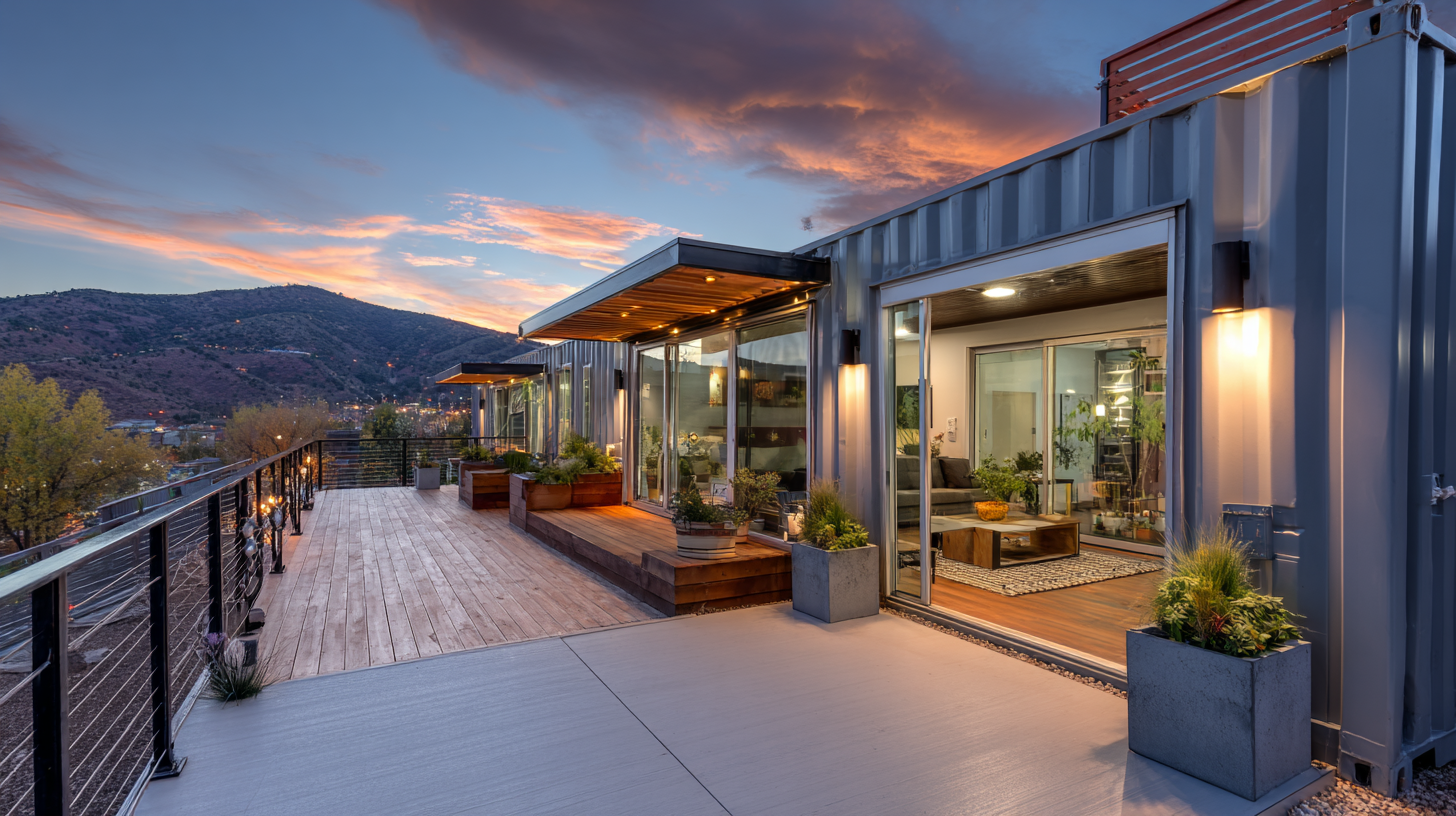
Starting your own container home project can be an exciting venture, offering both sustainability and affordability. The first step is to research and understand the various types of shipping containers available. You will want to decide whether you prefer new or used containers, as this choice impacts cost and condition. Once you've selected your containers, familiarize yourself with local building codes and zoning laws, which can influence design and placement on your property.
Next, plan your design meticulously. This involves laying out the interior spaces to optimize flow and functionality, as well as determining the structural modifications needed for windows, doors, and insulation. Consider enlisting the help of professionals, such as architects and builders experienced in container construction, to ensure your vision is both practical and compliant. Finally, secure the necessary permits before commencing construction, allowing for a smoother build process and adherence to local regulations.
Container Home Project Cost Analysis
This bar chart illustrates the estimated costs associated with different aspects of building a container home. It includes costs for land purchase, container acquisition, construction, interior design, utilities, and permits. These figures can help potential builders budget their container home projects effectively.
FAQS
: Container homes are housing solutions made from repurposed shipping containers, offering a versatile and innovative alternative to traditional housing.
The global market for container homes is projected to reach $73.2 billion by 2027, indicating their increasing popularity.
Container homes can be constructed for approximately 30% less than traditional homes, providing a budget-friendly option without sacrificing quality.
Container homes have a lower environmental impact due to the recycling of materials, which reduces landfill waste and minimizes the demand for new resources, helping to decrease carbon footprint.
Yes, container homes feature a modular design that allows for easy customization and scalability, making them suitable for a variety of residential and commercial projects.
Container homes can incorporate green technologies like solar panels and energy-efficient insulation, leading to reduced energy usage in heating and cooling.
Yes, container homes are particularly beneficial in urban areas where space is limited, providing an innovative solution for housing needs.
The versatility of container homes allows them to be adapted to various climates and aesthetic preferences, enhancing their appeal to different individuals and developers.
They align with sustainable living practices and demonstrate a commitment to environmental stewardship by minimizing resource depletion and supporting eco-friendly technologies.
Container homes appeal to a wide range of people, including environmentally conscious individuals, developers looking for innovative building solutions, and those in need of affordable housing options.
Conclusion
Container Homes are rapidly gaining popularity as a sustainable living option due to their numerous advantages. They offer exceptional versatility for various project needs, from residential living to office spaces. As budget constraints become a priority for many, it's worth noting that Container Homes can be significantly more cost-effective compared to traditional buildings. Additionally, the innovative design possibilities available with container construction allow for unique and functional spaces that can be tailored to individual preferences.
Moreover, the environmental benefits of choosing Container Homes cannot be overlooked. By repurposing shipping containers, these homes contribute to reduced waste and a smaller ecological footprint. For those considering embarking on their own Container Home project, Nantong Huasha Movable House Co., Ltd. provides comprehensive services, including site selection, design, production, installation, and technical guidance, ensuring a smooth and efficient process.