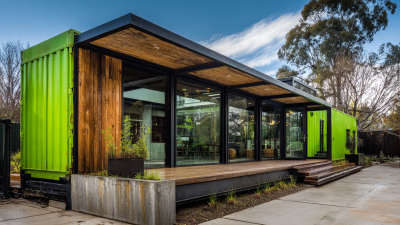
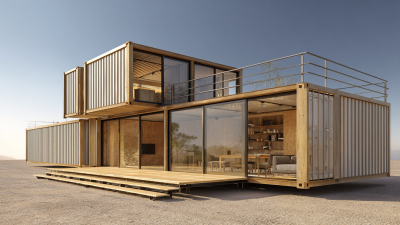
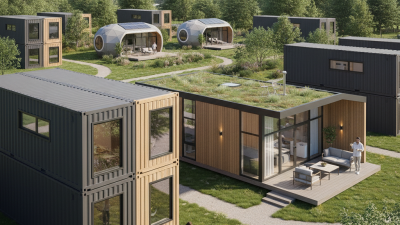
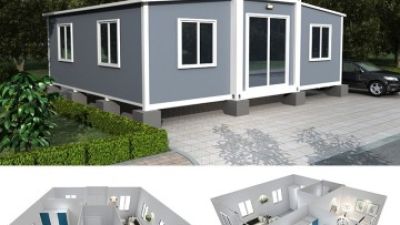
Choosing the right modular container can honestly feel pretty overwhelming at first. It’s so important to really get clear on what you actually need. These containers come in all sorts of sizes and setups, and each one is designed with a specific purpose in mind. So, you'll want to think about where you’re planning to use it and how you’ll be using it too.
Thinking about turning a modular container into a home? That can be a game-changer for your living situation! But, keep in mind, not every option works for everyone. Things like your local climate, what you’ll use it for, and your personal style matter a lot. Some folks love a sleek, modern vibe, while others need something super rugged to handle rough conditions.
It’s all about planning ahead. Take a moment to consider your current lifestyle and what you might need down the road. Are you after something temporary, or are you looking for a long-term setup? Weigh the good and the bad, and don’t be afraid to make adjustments once you've got a clearer picture. In the end, spending a little extra time to evaluate your options really pays off. When you pick your Modular Container Home wisely, it can make a huge positive difference in your life.
Remember, it's all about finding what fits best for you—not just rushing into a decision!
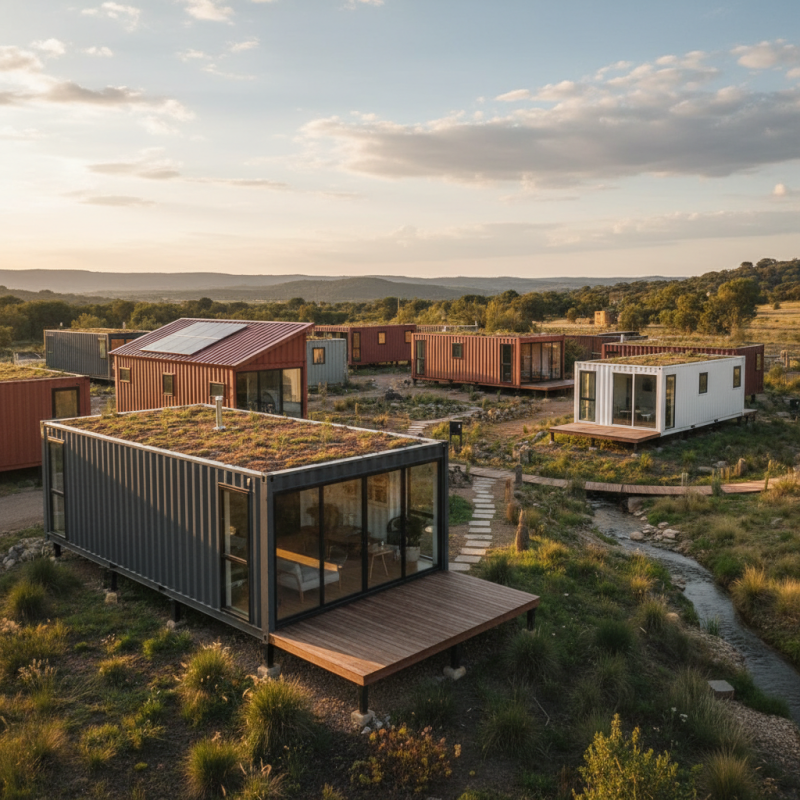
Understanding Modular Containers: Types and Benefits
Modular containers have gained popularity due to their versatility and practicality. They come in various types, including shipping containers, portable offices, and storage units. Each type serves a unique purpose, making them beneficial for different industries. According to a report from Grand View Research, the modular construction market is expected to reach $157 billion by 2023, reflecting a growing trend in this sector.
One of the key advantages of modular containers is their efficiency. They can be constructed and deployed faster than traditional buildings. This speed is particularly crucial in industries like construction and disaster response. Furthermore, Modular Shipping Container Homes offer eco-friendly solutions, often reusing materials that would otherwise contribute to waste. However, choosing the right type requires careful consideration of space, functionality, and budget.
Yet, there are challenges. Not all modular containers are designed the same. Quality can vary greatly depending on the manufacturer. Buyers should pay attention to structural integrity and insulation standards. A recent study indicated that 30% of buyers regret not researching their options adequately. This highlights the importance of thorough evaluation before making a purchase.
Identifying Your Specific Needs and Requirements
Choosing the right modular container involves identifying specific needs. Data from the Modular Building Institute indicates that modular construction can reduce project timelines by up to50%. Understanding your requirements helps streamline the process.
Consider the intended use of the container. Are you looking for temporary storage, a workspace, or housing? Each application demands different specifications. For instance, an OEM Modular Container Home might require insulation and plumbing. Storage units may not need such features. Assess your environment as well. Climate can dictate the materials and structure durability.
Budget is another crucial factor. Reports show that modular constructions typically save 10-20% compared to traditional building methods. However, additional services, like customization, can inflate costs. Reflect on how much flexibility you truly need. While customization sounds appealing, it can complicate timelines and budgets. Striking a balance between custom features and budget constraints is essential for success.
Key Features to Consider in Modular Containers
When choosing modular containers, focus on key features that align with your needs. One vital aspect is size. Ensure the dimensions fit your available space. Smaller units can serve as compact offices or living spaces. Larger options provide more versatility, accommodating families or groups. Flexibility in layout also plays a critical role. Open floor plans can be adjusted as your needs change.
Another essential feature is insulation. Proper insulation helps regulate temperature, reducing energy costs. Check the materials used for insulation and their effectiveness. Weather resistance is another consideration. Containers should withstand harsh environments, from heavy rain to intense heat. You might find some units offering built-in drainage systems for heavy rainfall.
Moreover, think about customization. Many modular container solutions allow personal touches, from exterior finishes to interior layouts. Custom options can enhance comfort and functionality. Review the construction methods too. High-quality construction ensures durability. Quality impacts longevity, especially for structures like ODM Modular Container Homes. Each aspect deserves thoughtful consideration as they contribute to your overall satisfaction.
Modular Container Features Comparison
This chart compares key features of modular containers including their size, cost, durability, insulation, and customization options, each rated on a scale from 1 to 10. This can help you decide which features are most important for your needs.
Comparing Costs: Budgeting for Your Container Project
When budgeting for a modular container project, it’s crucial to consider several key factors. The initial cost of the container itself can vary widely based on size, design, and condition. New containers may offer modern amenities but can strain a tight budget. Used containers provide a cost-effective alternative, yet they might require renovations or repairs, adding extra expenses.
Additionally, transportation costs must be factored in. Delivery fees can soar, especially if the container needs to be moved across long distances. Consider local suppliers who might offer better rates. Installation costs should also be part of your budget. DIY projects can save money but require time and effort. Hiring professionals can ensure proper setup but at a higher cost.
Finally, account for ongoing expenses like insurance and maintenance. These can accumulate quickly, especially if the container is used for business purposes. Planning for these additional costs can prevent financial surprises down the line. A thorough budget plan will enhance your project’s success, ensuring that you get the best value for your investment.
How to Choose the Best Modular Container for Your Needs? - Comparing Costs: Budgeting for Your Container Project
| Container Type | Size (sq ft) | Estimated Cost ($) | Delivery Cost ($) | Total Cost ($) |
| Standard Shipping Container | 160 | 2,500 | 500 | 3,000 |
| High Cube Container | 320 | 3,200 | 600 | 3,800 |
| Refrigerated Container | 160 | 4,500 | 700 | 5,200 |
| Flat Rack Container | 400 | 3,800 | 500 | 4,300 |
| Open Top Container | 240 | 3,000 | 600 | 3,600 |
Space Optimization: Choosing the Right Size and Layout
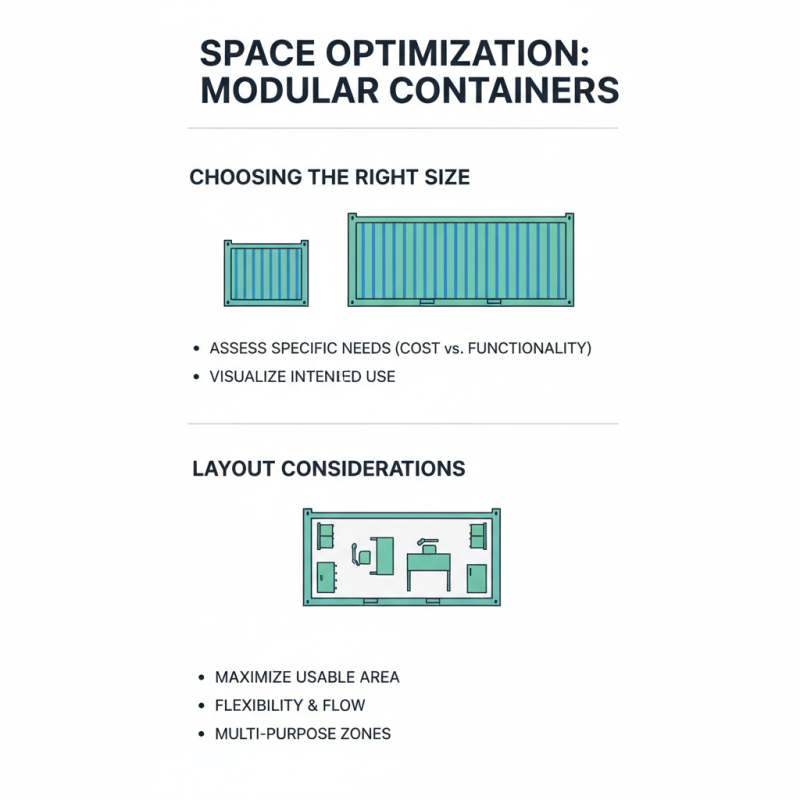
When considering space optimization in modular containers, size and layout play crucial roles. You must assess your specific needs before selecting a container. A smaller container may be more cost-effective but could limit functionality. Visualizing the intended use helps clarify what size is essential.
Layout is equally important. Think about how you want to organize the space. A well-planned layout maximizes usability. You may find that open spaces promote fluid movement, while designated areas improve focus and productivity. Adding windows or partitioning might enhance the atmosphere and overall experience, yet it can complicate the initial design.
Reflecting on your choices can reveal gaps in planning. A great layout may not compensate for inadequate space. Measuring the actual items you intend to store or use helps guide selections. Be prepared to adjust your vision based on the physical dimensions. Avoid rushing this process, as even minor miscalculations can lead to dissatisfaction down the line.
Sustainability and Material Considerations in Modular Design
When considering modular design, sustainability is paramount. Modular containers often utilize materials that can be recycled or repurposed. Reports indicate that about 90% of modular buildings reduce waste compared to traditional construction. This environmental impact is significant and should guide your selection.
Material choice plays a crucial role in the long-term value of modular containers. High-Quality Modular Container Homes typically incorporate eco-friendly materials. Steel and wood can be sourced sustainably, which lessens carbon footprints. However, many options exist that may not reflect this ethos. Identifying those materials is essential.
Additionally, the life cycle of these materials should be examined. Some may require heavy energy input for production. Thus, while a container may look appealing, it’s prudent to question its environmental implications. Effective decision-making acknowledges both aesthetics and sustainability. Balancing these aspects can lead to better choices that are not only functional but also responsible.
Installation and Maintenance: What to Expect and Plan For
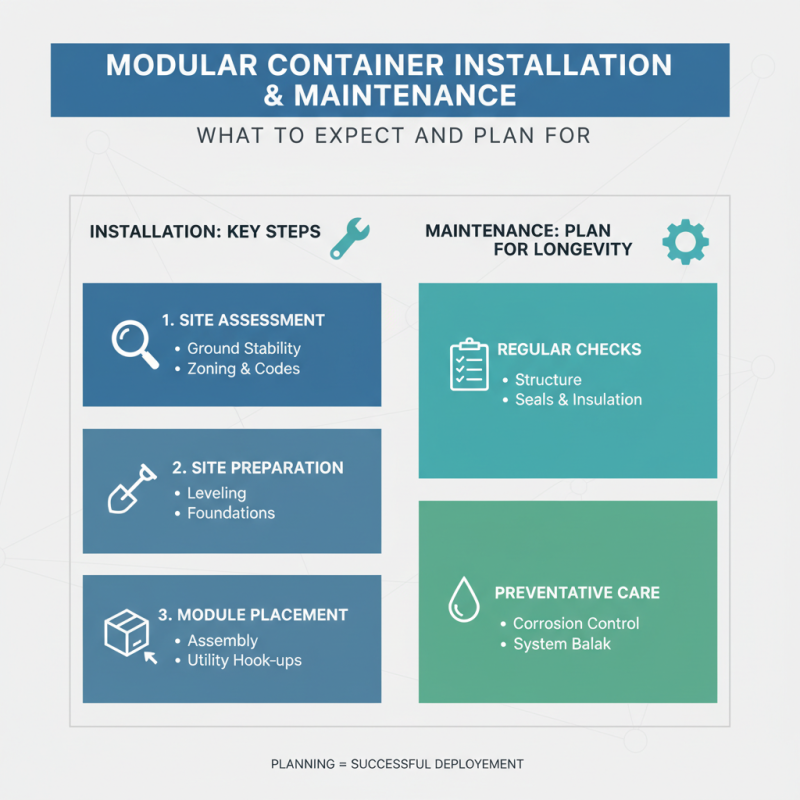
When installing a modular container, careful planning is essential. You need to assess the site conditions. Check if the ground is stable. This might involve clarification of zoning regulations, ensuring your container meets local codes. If the terrain is uneven, site preparation is necessary.
During installation, always consider access to utilities. Water, electricity, and sewage connections should be in place before moving forward. Failing to plan these aspects can lead to significant delays. Be ready to work with utility companies for timely connections.
Maintenance is another crucial factor. Regular inspections can prevent larger issues later. Look for signs of wear or leaks. Small problems can escalate if ignored. Keeping a maintenance schedule is beneficial. This ensures the longevity of your modular container.
Tips: Always document maintenance tasks. Use checklists to track inspections. This could be helpful for future reference. Don't forget seasonal preparations. Sometimes, changes in weather can impact the container's integrity. Being proactive can save you time and money.
Exploring the Future of Affordable Housing: Insights from the 2023 Australian Prefab Container House Market and Two-Bedroom Designs
The future of affordable housing is currently being shaped by innovative designs and materials, particularly within the Australian prefab container house market. The demand for two-bedroom designs has surged, thanks to their cost-effectiveness and versatility. With rising property prices, more Australians are turning to prefab solutions that offer sustainable and customizable living spaces. Statistics indicate that the use of preFabricated Homes is expected to grow by 9.6% annually, driven by a need for quick, affordable housing options that do not compromise on quality.
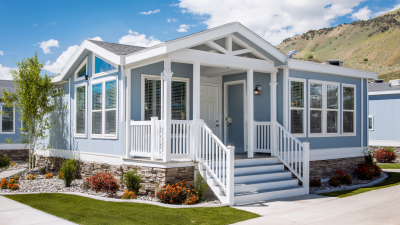
One notable advancement in this sector is the development of modular home designs, which allow for personalized layouts and functional spaces tailored to individual needs. These designs often incorporate multiple rooms like kitchens, bathrooms, and living areas that can be configured according to the homeowner's requirements. A prime example is the classic gray house model, an evolution of two decades of experience, which showcases flexibility in room arrangements and the aesthetic elements that can be added to fit local environments. As outreach for affordable housing continues, these homes can enhance community living by blending effortlessly with surrounding architecture and lifestyle.
Furthermore, the investment in high-quality materials ensures that these homes not only meet contemporary standards but also enhance durability and appearance. The choice of materials for exterior walls, roofing, and interior finishes can significantly impact both the look and feel of these dwellings. As the prefab market expands, more families will find that these thoughtfully designed homes provide a perfect mix of comfort, style, and affordability, responding effectively to the pressing housing challenges of modern Australia.
FAQS
: Modular containers are versatile units, including shipping containers, portable offices, and storage solutions. They serve unique purposes for various industries.
Their efficiency and speed of deployment set them apart. They can be built faster than traditional structures, meeting urgent needs.
Key factors include size, insulation, layout flexibility, and customization options. Make sure to evaluate your specific space and needs.
Proper insulation regulates temperature and enhances energy efficiency. Inspect insulation materials for effectiveness in your climate.
Yes, many modular containers offer customization options. You can modify exterior finishes and interior layouts for better functionality.
Quality varies by manufacturer. Some buyers regret not researching options adequately. Always assess structural integrity before purchasing.
Smaller containers are ideal for compact offices or living spaces. Larger ones provide more room, which is crucial for families or groups.
Yes, they often reuse materials, reducing waste. This eco-conscious approach appeals to many environmentally aware buyers.
Certain models are designed to resist extreme weather. Look for features like built-in drainage systems for heavy rainfall.
The modular construction market is projected to reach $157 billion by 2023, indicating a notable trend in this industry.
Conclusion
When selecting the best Modular Container for your needs, it's crucial to first understand the different types and benefits they offer. Modular containers provide versatile solutions for various applications, making it essential to identify your specific requirements, including intended use and environment. Key features such as insulation, durability, and security should also be considered to ensure your container meets your needs effectively.
Budgeting plays a significant role in your project, as costs can vary widely based on size and materials. Optimize your space by choosing the right size and layout, and do not overlook sustainability factors in your design choices. Finally, plan for the installation and maintenance of your modular container, as proper preparation can help you make the most of your investment and ensure long-term functionality.