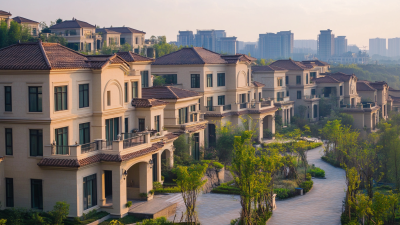
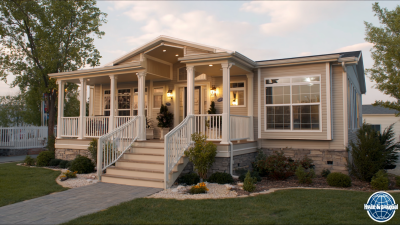
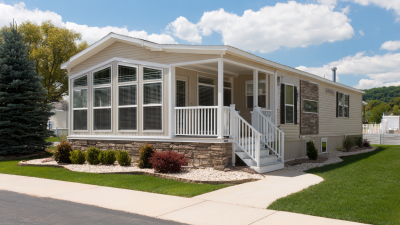
Lately, there's been quite a buzz around Small Prefab Homes in the real estate world. It's no surprise—more folks are looking for affordable, efficient, and eco-friendly living options these days. Whether it's downsizing, simplifying life, or just trying to cut down on environmental impact, these tiny homes really hit the mark. They’re super versatile and bring something fresh to the table compared to traditional houses. Companies like Nantong Huasha Movable House Co., Ltd., which was founded back in 2005, are really leading the charge. They specialize in making Container Homes, expandable units, and lightweight steel structures. What’s pretty cool is that they offer a full package—helping with everything from choosing the right site, designing, manufacturing, installing, to providing technical support. All this makes them pretty well-equipped to keep up with what today’s buyers are after. In this blog, I’ll dive into the latest trends and what people are looking for in 2023, giving you a peek at how Small Prefab Homes could totally change the game when it comes to modern living.
Understanding Small Prefab Homes: Definition and Key Features
Lately, small prefab homes have really been catching on. More folks are looking for smarter, more sustainable ways to live, and these homes fit the bill perfectly. You know, they’re essentially pre-made houses that you set up right on your property. What’s cool is that they come with tons of options—so you can totally customize them to your style. Plus, they’re all about being energy-efficient and eco-friendly, which a lot of people are really into these days.
One of the biggest perks? They can save you a bunch of time and money during construction. Thanks to new Modular Building methods, builders can put these homes together much faster and cheaper—no crazy delays, no sky-high labor bills. And because you can choose how big or small you want the place, they’re super versatile—perfect whether you’re buying your first home, looking for a cozy retreat, or downsizing for retirement. As trends keep shifting, it looks like small prefab homes are just going to keep growing in popularity, attracting everyone from young professionals to empty nesters craving a simpler, low-maintenance lifestyle.
Current Market Trends: Popularity and Demand for Small Prefab Homes in 2023
Hey, if you’ve been paying attention to housing trends lately, you probably noticed that small prefab homes are really taking off in 2023. A lot of folks are looking for stuff that’s affordable and easy to set up—kind of a no-brainer, right? According to a report from IBISWorld, this whole prefab housing scene is expected to grow about 4.5% each year over the next five years. It seems like more people are leaning towards sustainability and saving some cash these days. Interestingly, this trend is especially popular with Millennials and Gen Zers, who tend to care a lot about being eco-friendly and keeping things simple. A recent survey by Statista even found that over half of potential homebuyers—56%, to be exact—are really into small prefab homes. They love how quickly they can be built and their green features. It’s pretty clear that cost and eco-consciousness are big drivers here. Plus, the fact that there are now so many cool, customizable design options makes these homes even more appealing. People can really make them their own, fitting their personal style and needs. All in all, with traditional house building costs going up—about a 30% jump in the past year, according to the National Association of Home Builders—prefabs are looking like a smarter, more accessible choice. And honestly, they’re really hitting the mark with the modern, minimalist lifestyle that so many folks are after these days, especially those who want a simple, sustainable place to call home.
Buyer Preferences: What Features Are Buyers Looking For in Small Prefab Homes?
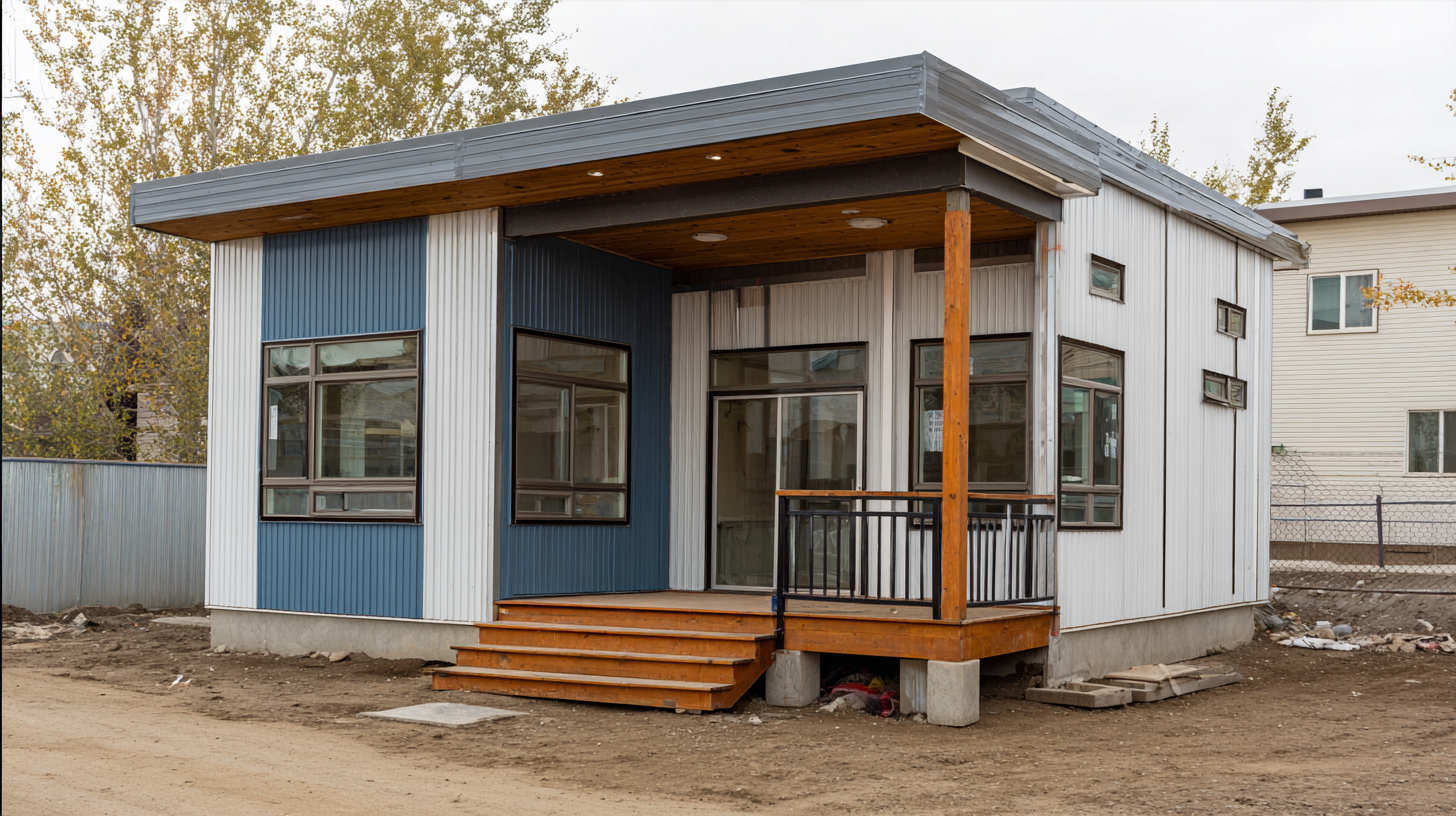 When it comes to small prefab homes in 2023, folks’ preferences have really shifted. More and more people are putting a big emphasis on sustainability and saving energy. Things like solar panels, good insulation, and energy-efficient appliances are now at the top of everyone’s list. Not only do these features help cut down on future costs, but they also mesh with our growing desire to be kinder to the environment.
But it’s not just about being eco-friendly — buyers are also super interested in clever, multifunctional spaces. Since these tiny homes are, well, small, making the most of every inch is a must. Think fold-out furniture, built-in storage, and open floor plans that make the space feel bigger and more flexible. People want homes that are both practical and stylish, favoring modern designs that look good and work well at the same time. All in all, today’s market really emphasizes a sweet spot where functionality and sustainability come together, shaping what people are looking for in a small prefab home.
Cost Considerations: Budgeting for Your Small Prefab Home Purchase
Thinking about grabbing a small prefab home? One thing you definitely don’t want to overlook is your budget — because it can really make or break your whole experience. Sure, these homes are often advertised as pretty affordable, but it’s easy to forget about all the extra costs that pop up once you start the process. The listed price might look tempting, but then you have to factor in things like buying land, prepping the site, getting permits, and hooking up utilities. And if you want to customize your place to suit your style? Yeah, that can bump up the costs even more. So, it’s super important to set a solid financial plan from the start, just to be safe.
Oh, and don’t forget about long-term stuff either — like energy bills and maintenance. Many prefab homes now come with cool, eco-friendly tech that actually saves you money in the long run, so it’s worth thinking about those features when you're crunching the numbers. If you’re unsure about how to piece it all together, chatting with a financial advisor who knows the ins and outs of prefab homes might be a real game-changer. They can help you explore financing options, grants, or incentives that could make things a lot easier on your wallet. By taking the time to really understand all the costs involved, you’ll be able to make smarter decisions and pick a home that fits both your budget and your lifestyle — no surprises, just a comfy new place to call yours.
Cost Considerations for Small Prefab Homes in 2023
Sustainability in Design: Eco-Friendly Aspects of Small Prefab Homes
You know, sustainability is really a big deal these days in modern architecture, and small prefab homes are a perfect example of that trend. More and more people are looking for eco-friendly options, and these homes are designed with materials and building methods that are gentle on the planet. You’ll often find them made with recycled stuff, packed with energy-efficient appliances, and built using sustainable practices — it's pretty attractive if you're conscious about the environment. Not only does this help lower the carbon footprint, but it also encourages a lifestyle that’s more in tune with nature.
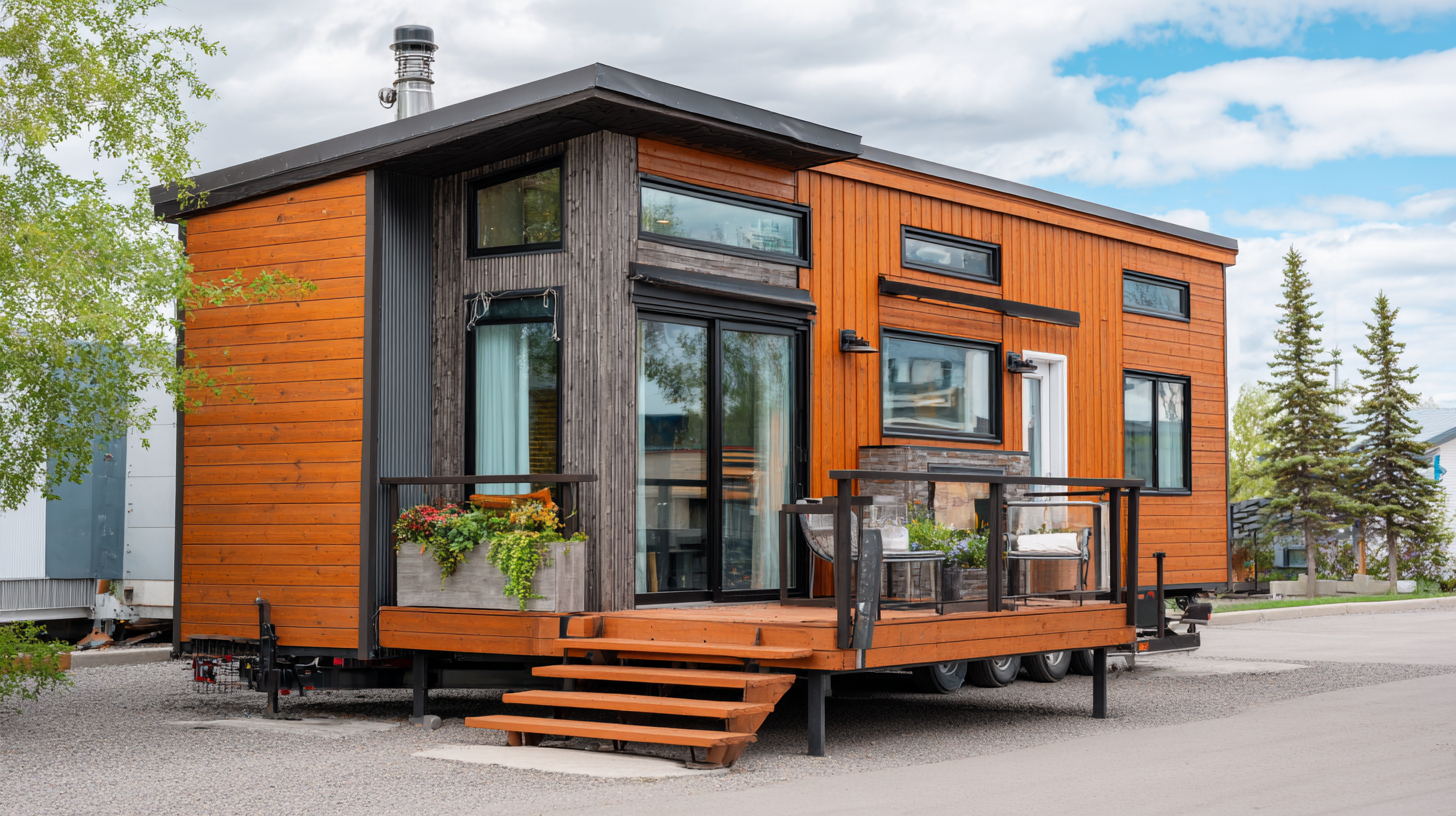
In 2023, it seems like folks are really into homes that include renewable energy features, like solar panels or green roofs. People want houses with better insulation and energy-efficient windows too — anything that helps save on energy bills and keeps things comfy. Plus, the smaller size of these prefab homes naturally pushes people toward more sustainable living practices — it’s kinda like a simpler, waste-minimizing way of life. As more buyers get interested in responsible and eco-friendly housing, small prefab homes aren’t just a passing trend—they really represent a shift toward a more sustainable way of living in home design.
Innovative Designs: Top Small Prefab Home Models to Consider in 2023
You know, small prefab homes are really catching people's eyes in 2023. They've got these cool, innovative designs that perfectly blend style with practicality. And since folks are more than ever into sustainability, modular homes are quickly becoming a top pick for eco-conscious buyers. Homes that feature energy-saving materials and smart tech are super popular right now, making sure these tiny spaces don’t skimp on comfort or convenience.
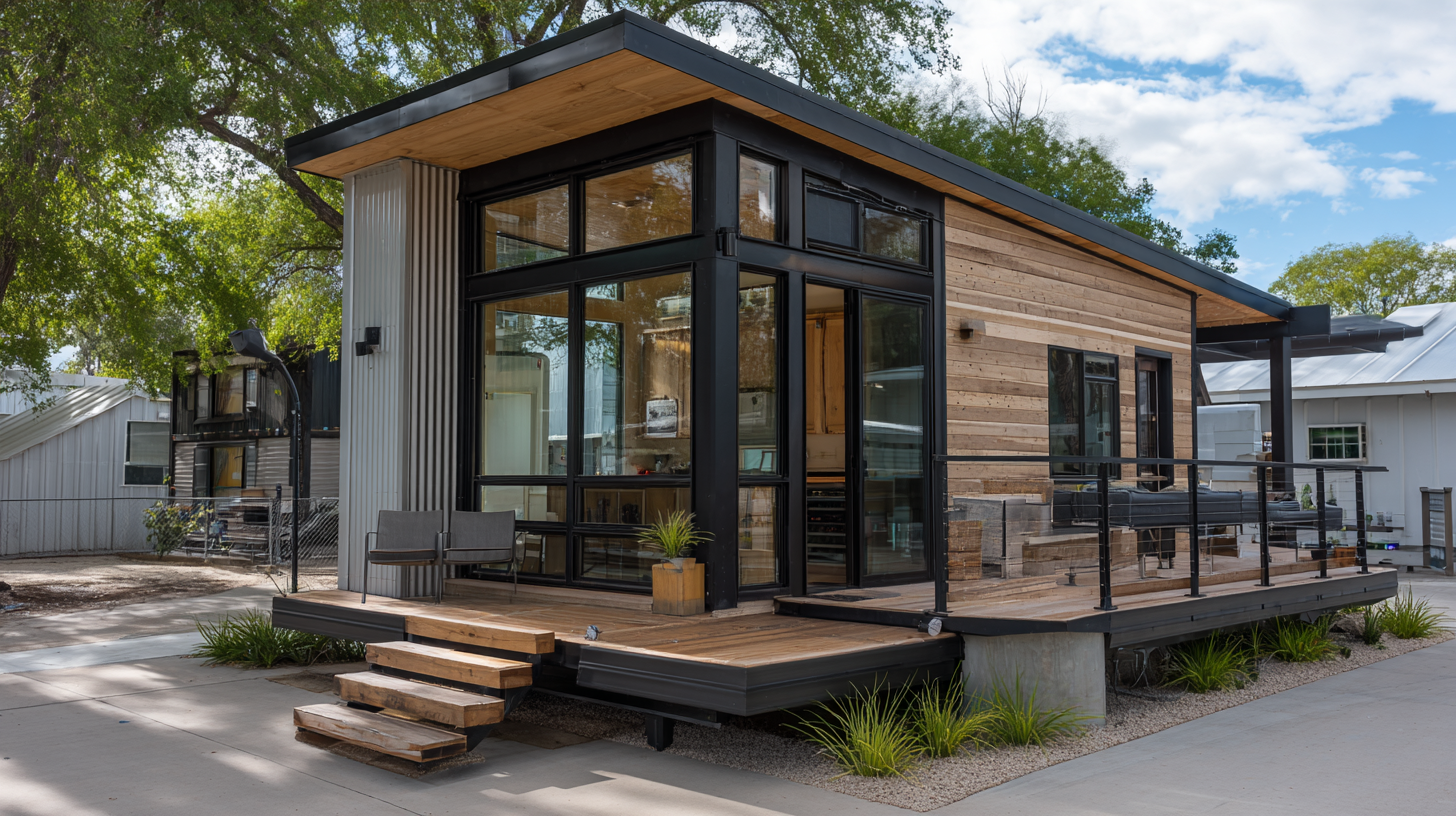
One of the standout options this year has to be the "Koda" house. It’s got this sleek, minimalist vibe that really makes good use of natural light and space. Built with eco-friendly wood and boasting a flexible layout, it’s perfect for all sorts of lifestyles and encourages a nice connection with nature. Then there’s the "Nest"—which is pretty cool because you can customize the interior to match your exact needs. These small prefab homes aren’t just about looking fresh—they actually reflect a bigger shift toward more sustainable, modern living, which makes them super attractive to more and more people looking to buy in 2023.
Transforming Living Spaces: Insights from 2023 Australian Market Trends on Two Bedroom Prefab Container House Plans
In 2023, the Australian market has seen a remarkable shift towards innovative living solutions, with two-bedroom prefab container house plans gaining significant traction. These contemporary designs not only embody practicality but also reflect a growing desire for sustainable living. By integrating the latest market trends, homeowners now have access to customizable living spaces that are both stylish and functional.
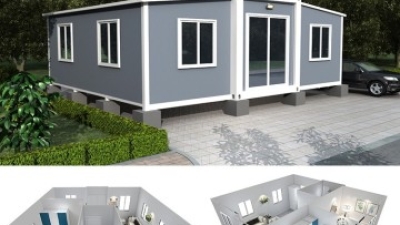
One standout example is the gray house from Huasha Home, which showcases a blend of modern aesthetics and practicality. With two decades of experience in planning and design, Huasha Home provides a foundational set of empty rooms, inviting clients to personalize their living spaces. The flexibility to design unique kitchens, bathrooms, balconies, and leisure areas allows for various combinations that cater to individual needs while ensuring a seamless integration with the surrounding environment. By using carefully selected materials for exterior decoration, owners can enhance the home's appearance, reflecting personal style and local culture.
Nantong Huasha continues to lead the way in transforming living spaces, offering meticulously designed homes that foster community and comfort. As more Australians seek out prefab options, the focus remains on creating spaces that harmonize with local landscapes, allowing residents to enjoy an innovative lifestyle without compromising on aesthetics or functionality.
FAQS
: Small prefab homes are pre-manufactured residences that can be assembled on-site, offering flexible design options and emphasizing energy efficiency and sustainability.
They can reduce construction time and costs through streamlined assembly processes and can be designed with scalable dimensions to suit various lifestyles.
These homes utilize recycled materials, energy-efficient appliances, and sustainable construction practices, helping to minimize environmental impact and promote eco-friendly living.
Consumers are increasingly seeking homes that incorporate renewable energy sources, such as solar panels, advanced insulation, and energy-efficient windows.
Yes, small prefab homes attract a diverse range of buyers, including young professionals and retirees, due to their customizable options and simplified living solutions.
Notable models include the "Koda" house, known for its minimalist design and natural light, and the "Nest," which offers customizable interiors for personalized layouts.
The compact nature of these homes encourages minimal waste and promotes sustainable living practices, aligning with a lifestyle that values efficiency and simplicity.
Yes, many small prefab homes are designed with energy-efficient materials and smart home technology, ensuring comfort without compromising energy savings.
Small prefab homes often use sustainable materials, including recycled products and eco-friendly construction techniques, to enhance their sustainability.
They are appealing due to their innovative designs, sustainability features, and ability to cater to the needs of modern buyers seeking efficient and eco-conscious living solutions.
Conclusion
You know, small prefab homes are really starting to pick up steam in 2023. People are drawn to them because of their cool features and the increasing need for affordable and efficient living options. Basically, since these homes are built off-site and then brought in, they’re super flexible when it comes to design, easy to set up, and eco-friendly too. No wonder they’re becoming pretty popular among folks who care about the environment. If you look at what's happening in the market right now, there's definitely a big buzz around modular living. And the variety of designs out there is pretty impressive—it seems like there’s something to suit every lifestyle and taste.
When folks are shopping for small prefab homes, they tend to focus on a few key things. Energy efficiency, modern looks, and how well the space actually works are at the top of the list. Plus, budgeting is a big deal—people want to find options that save money over the long run and are better for the planet. Companies like Nantong Huasha Movable House Co., Ltd. are really stepping up to the plate here, offering end-to-end solutions—from design all the way to installation—making it easier than ever for people to jump into the future of housing without a lot of hassle.