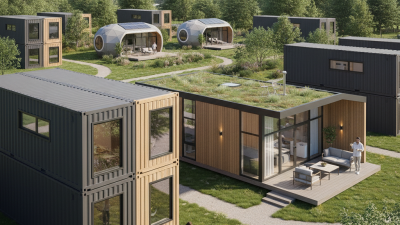
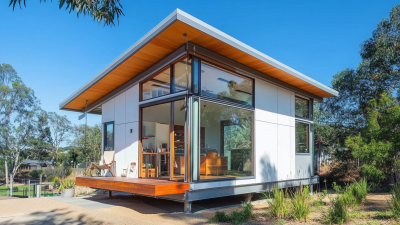
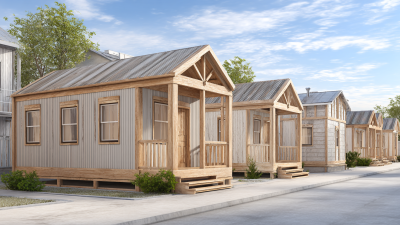
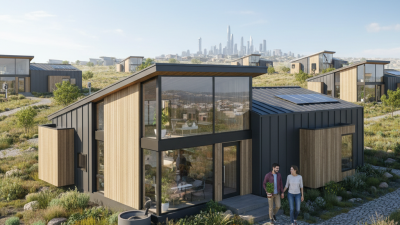
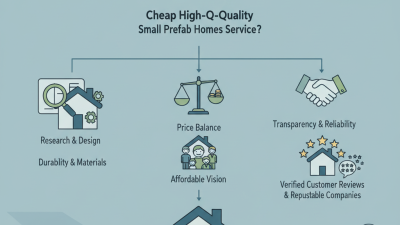
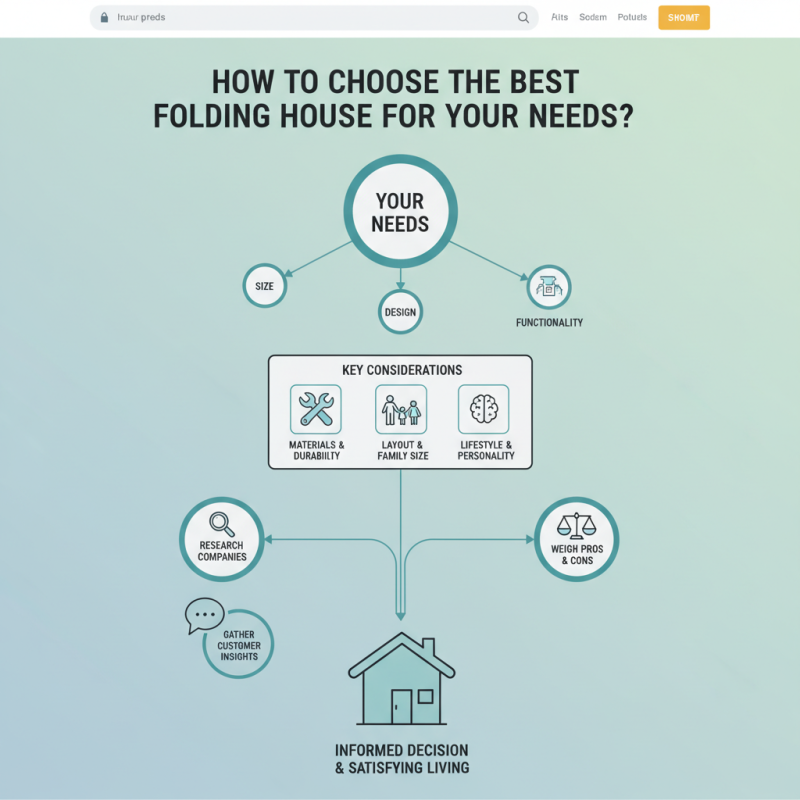
Picking the right Folding House really makes a difference in how you’ll feel living there. There are so many options out there, so it's super important to understand what you actually need. As you check out Folding Container Houses, think about the size, design, and features that fit your lifestyle best.
A bunch of things come into play when you're making this choice. For example, the materials used in building can impact how durable it is and how well it insulates. Different layouts are better suited for various family sizes or purposes. Taking these factors into account really helps you narrow things down.
And hey, remember, a Folding House isn’t just about convenience — it should also feel like you. Do some digging into companies that make these homes. Chat with past customers if you can, to get a real sense of their experiences. Weigh the pros and cons carefully. Doing all this homework ensures you’re making a solid, informed choice, leading to a living space you’re truly happy with.
Understanding the Concept of Folding Houses
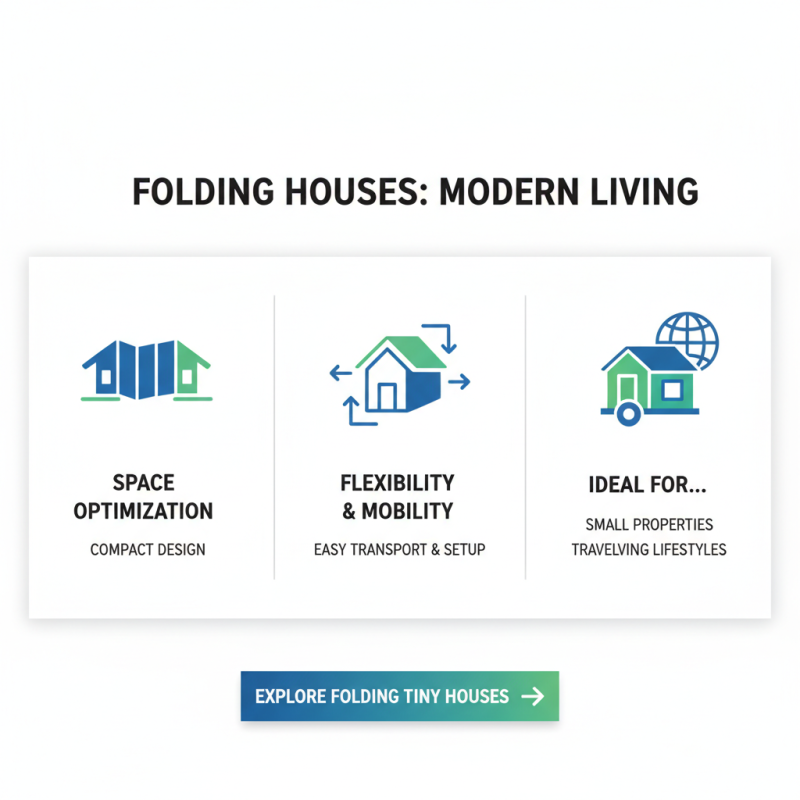
Folding Houses are an innovative solution for modern living. These compact structures are designed to optimize space while providing flexibility. Their unique folding design allows easy transportation and setup, making them ideal for small properties or traveling lifestyles. Understanding this concept is essential when considering aFolding Tiny House for your needs.
**Tips:** Assess your lifestyle needs. If you often relocate, a Folding Tiny House might be perfect for you. Think about your family size and daily activities. Space can feel cramped in smaller designs; ensure that there's enough room for comfort.
These homes come in various styles and materials. Some use lightweight materials for easy folding. Others might prioritize insulation and durability. It's vital to weigh these factors. Remember, aesthetic choices can impact functionality as well. Choosing a design that complements your surroundings is often overlooked.
**Tips:** Research local regulations regarding folding houses. Not every area permits such structures. It's wise to consult with local authorities before making a final decision. Stay informed on trends within sustainable living. A folding tiny house can significantly reduce your carbon footprint, aligning with eco-friendly living.
Key Features to Consider When Choosing a Folding House
When selecting a folding house, consider the materials used in its construction. Durable options like steel frames or heavy-duty fabrics increase longevity. Weigh the pros and cons of portability against sturdiness. For example, lightweight materials may facilitate easier transport but could compromise stability in harsh weather.
Space configuration is another critical aspect. A flexible layout allows for various uses, from family gatherings to personal retreats. Look for designs that maximize space while ensuring comfort. Identify features such as built-in storage or convertible furniture to enhance functionality in limited areas.
Lastly, do not overlook insulation and ventilation. Adequate insulation keeps the interior comfortable in changing temperatures. Proper ventilation prevents moisture buildup, safeguarding the structure and its occupants. Reflect on your climate and how these features can influence your experience. Failing to evaluate these elements could lead to dissatisfaction over time.
Assessing Space Requirements for Your Foldable Living Area
Choosing a folding house involves careful consideration of space requirements. Assessing your needs starts with understanding the layout. Most foldable living areas, according to industry reports, offer between 200 and 500 square feet. This can vary widely based on the design and purpose of the space. For individuals or couples, a smaller footprint may suffice. Families often require more room for comfort and functionality.
Before deciding, visualize how you'll use the space. A folding house can serve many purposes: a vacation retreat, a guest house, or even a permanent residence. Make a list of essential features such as a kitchen, bathroom, and sleeping areas. The National Association of Home Builders notes that around 70% of new homeowners prioritize effective space utilization. This is crucial in foldable designs, where every square foot counts.
Tips: Always account for storage. Foldable houses can lack traditional storage solutions, which might lead to clutter. Consider multifunctional furniture. Doing so maximizes utility within limited space. Lastly, measure your existing furniture. This ensures that when you move into the new space, everything fits comfortably. Planning carefully now can save you time and frustration later.
How to Choose the Best Folding House for Your Needs? - Assessing Space Requirements for Your Foldable Living Area
| Feature | Description | Size (sq ft) | Ideal For | Price Range ($) |
| Compact Design | A sleek and minimalistic layout that maximizes space usage. | 200 | Individuals or couples | 5,000 - 10,000 |
| Family-Friendly | Spacious layout with multiple sleeping areas, suitable for families. | 400 | Small to medium-sized families | 15,000 - 25,000 |
| Luxury Model | High-end finishes and spacious living areas for those seeking comfort. | 600 | Affluent individuals or couples | 30,000 - 50,000 |
| Eco-friendly Design | Constructed with sustainable materials, emphasizing energy efficiency. | 350 | Environmentally conscious individuals | 20,000 - 35,000 |
| Portable Unit | Lightweight and easy to transport, perfect for temporary setups. | 150 | Traveling individuals or campers | 2,000 - 5,000 |
Material Options for Durability and Insulation in Folding Houses
When choosing a folding house, the material is crucial. Durability and insulation are vital factors. Popular materials for Prefab Folding Houses include wood, metal, and composite options. Each choice comes with its own benefits and drawbacks. Wood offers warmth and aesthetic appeal but may require more maintenance. Metal provides strength but can be prone to temperature fluctuations.
Tips for selecting materials can guide you. Look for thermal insulation properties. Good insulation helps in temperature regulation. Check for weather resistance, especially if you live in challenging climates. Lightweight materials can be easier to transport and set up. However, don't overlook heavier materials that offer stability.
Balancing durability and insulation is often flawed. Sometimes, high-quality materials can be pricey. Consider your budget and maintenance preferences. Each material can impact the overall experience in subtle ways. Being aware of these nuances helps in making a more informed decision with your Prefab Folding House.
Evaluating Costs and Budget for Your Folding House
When evaluating costs and budget for a folding house, it's vital to consider several factors. According to a 2022 industry report, the average price range for Folding Houses is between $20,000 to $50,000. This price can fluctuate based on size, design, and location. It's essential to balance your needs with the available options within your budget.
Many buyers overlook hidden costs when budgeting for folding houses. Delivery and installation fees can add significantly to overall expenses. Additionally, ongoing costs for utilities and maintenance should be planned. Research by the National Association of Home Builders indicates that these extra costs can increase the total investment by up to 15%.
Financing options also play a crucial role. Some buyers may find it challenging to secure loans specifically for folding houses. Alternative lenders might offer unique terms, but they often come with higher interest rates. Therefore, assessing all financial avenues before making a decision is wise.
Location and Zoning Considerations for Folding House Placement
When considering a folding house, location and zoning become vital factors. Research your local zoning laws. These regulations dictate what types of structures you can place on your property. For example, some areas may only allow certain building heights or specific designs. Knowing these rules can save you time and money.
Also, think about the proximity to essential services. Access to water, electricity, and sewage systems is crucial. If these utilities aren’t readily available, you may face additional costs. Proximity to schools, hospitals, and shopping can enhance your living experience.
A well-chosen location can offer great benefits. However, even the ideal spot might present challenges. Check the environmental conditions too. Areas prone to flooding or heavy snowfall could complicate your living situation. Make sure to evaluate all aspects thoroughly. Remember, a location that seems perfect at first glance may have hidden issues. Take your time to consider all factors to avoid future regrets.
Sustainability and Eco-Friendliness in Folding House Designs
Sustainability and eco-friendliness are critical in modern folding house designs. More homeowners are looking for Portable Folding Houses that minimize their environmental footprint. Research shows that sustainable materials, like bamboo and recycled metals, can reduce energy consumption in construction by up to 40%. These choices not only sustain the planet but also offer durability.
A study by the Global Alliance for Sustainable Housing indicates that buildings contribute to about 39% of carbon emissions. Choosing portable folding houses made with eco-friendly materials can significantly lower these numbers. Furthermore, integrating design elements like solar panels and rainwater harvesting systems enhances the sustainability factor. However, not all designs successfully incorporate these features, which raises questions about effectiveness.
While many designs claim to be eco-friendly, some still rely on conventional building practices. This inconsistency can mislead buyers seeking sustainable solutions. Consumers must research thoroughly to avoid greenwashing. Evaluating the actual eco-credentials of portable folding houses is essential. Reliable certifications and credible assessments can help guide decisions.
Transforming Living Spaces: The Viral Tiny House Movement and Its Impact on Sustainable Housing Trends
The tiny house movement represents a significant shift towards sustainable living, emphasizing minimalism and eco-friendly design. This trend not only resonates with individuals seeking to reduce their environmental footprint but also fosters a sense of community as people come together to embrace shared values of simplicity and resourcefulness. As living spaces shrink, the need for multifunctional and efficient designs becomes paramount, prompting innovative solutions that cater to both aesthetic appeal and functionality.
In line with this transformation of living spaces, the demand for accessible facilities has never been more crucial. Portable restrooms designed for inclusivity serve as a perfect example of ensuring that everyone has access to quality sanitation. These units are crafted with spacious interiors and sturdy handrails, making them ideally suited for diverse environments, from rural gatherings to bustling urban events. The commitment to accessibility speaks volumes about the broader movement towards sustainability, highlighting the importance of creating solutions that accommodate all individuals, including those with disabilities.
Moreover, these portable restrooms are built from durable materials that not only promise longevity but also ease of cleaning, ensuring they remain hygienic in various settings. In embracing such initiatives, the tiny house movement and related trends in sustainable housing can truly reflect a commitment to inclusivity and comfort, promoting a lifestyle that is both mindful of the planet and considerate of all its inhabitants.
FAQS
: The average price is between $20,000 to $50,000. The cost varies with size and design.
Consider delivery and installation fees, utilities, and maintenance costs. These extras can add up significantly.
Hidden costs can increase your total investment by up to 15%. Always plan for these expenses.
Finding loans specifically for folding houses can be difficult. Alternative lenders often have higher interest rates.
Sustainable materials can reduce energy consumption in construction by up to 40%. They also offer lasting durability.
Buildings contribute to about 39% of carbon emissions. Eco-friendly designs can help reduce this impact significantly.
No, some designs may not effectively use sustainable practices. It's essential to research before making a decision.
Look for reliable certifications and assessments. This helps in avoiding misleading claims about eco-friendliness.
Design elements like solar panels and rainwater systems improve sustainability. However, they aren’t always included in designs.
Conduct thorough research on the materials and practices. Seek out credible information to verify sustainability claims.
Conclusion
Choosing the best Folding House involves understanding various factors that cater to your specific needs. Start by grasping the concept of folding houses, which are innovative and adaptable living solutions. Key features such as size, functionality, and design should be prioritized during your selection process. It’s essential to assess your space requirements to ensure the foldable living area fits your lifestyle.
When it comes to durability and insulation, selecting the right materials is crucial for a comfortable living experience. Evaluating costs and establishing a budget will help you determine the feasible options for your folding house. Additionally, consider location and zoning regulations to ensure compliance and ease of installation. Lastly, embracing sustainability and eco-friendliness in folding house designs not only benefits the environment but can also enhance your quality of life, making your choice even more rewarding.