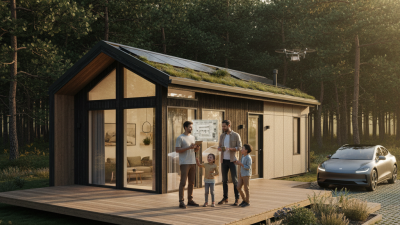
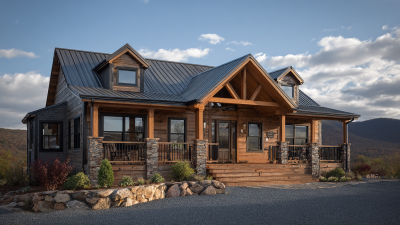
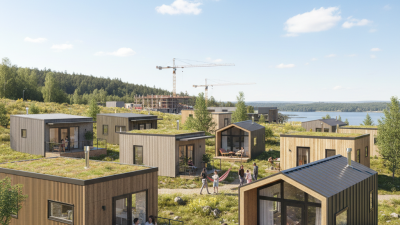
In the constantly changing world of housing options, Small Prefab Homes have really started to catch on. If you check out this link—Small Prefab Homes—you’ll see what I mean. I recently spoke with Mark Johnson, who’s pretty much a go-to guy in the prefab housing scene, and he told me, ‘Picking the right service for your prefab home can actually save you money—without sacrificing quality.’ That advice really hits home because, let’s be honest, who wants to blow their budget on something that won’t last? His insights just emphasize how crucial it is to find a good balance between affordability and quality, especially in such a niche market.
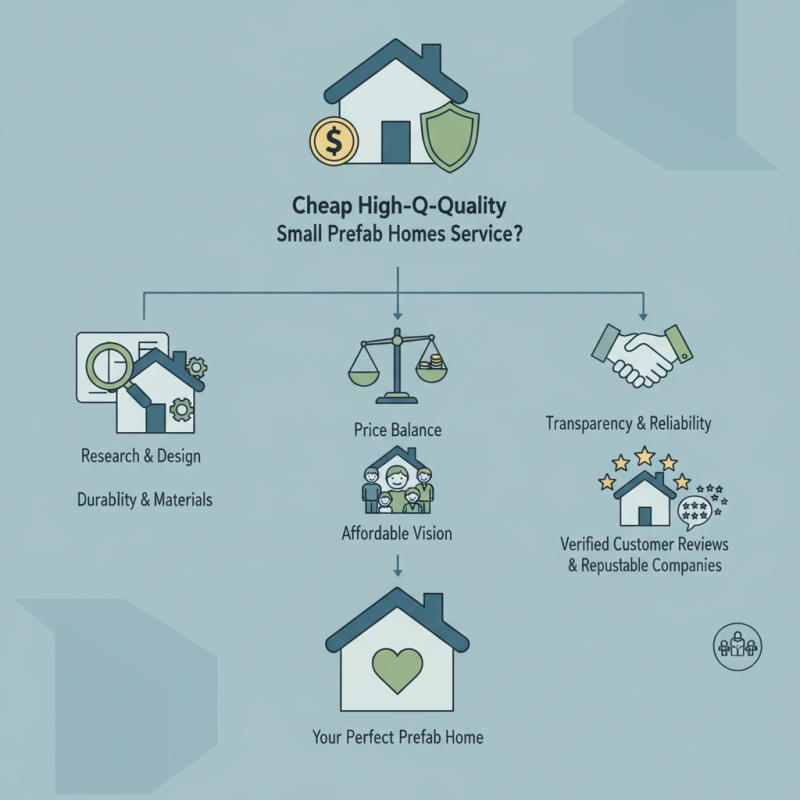
Now, I know it can feel super overwhelming trying to sift through so many options. But here’s the thing—getting familiar with the features and materials can make your life so much easier. Honestly, a lot of folks overlook those little details when they’re considering small prefab homes, and trust me, that can come back to bite you later. It’s all about weighing design, durability, and cost, really. When you do your homework and take your time, you’re more likely to make a solid choice.
And a little tip—watch out for companies that look good on paper but might not deliver. Transparency and trustworthiness are key. Look for reputable brands with genuine reviews from real customers. Take your time to really think about what you need—sometimes, rushing into it can lead to regrets. Finding the right service isn’t just about sticking to your budget but about matching your money with your dream of a cozy, stylish little home. Remember, it’s all about making the process as stress-free as possible while getting what you want in the end.
Understanding the Benefits of Small Prefab Homes in the Housing Market
The housing market is evolving, and small prefab homes are gaining attention. These homes offer an affordable alternative to traditional housing. According to a report by the prefab housing industry, the demand for Modular Homes has increased by 30% in the last five years. This growth highlights their appeal, especially among first-time homebuyers.
Small prefab homes can be built quickly and efficiently. With construction timelines cut by up to 50%, buyers find themselves moving into their new homes sooner. Additionally, these homes consume fewer materials and generate less waste. Thus, they are often seen as a more sustainable option in an increasingly eco-conscious market.
**Tip:** Research local zoning laws. Some areas have restrictions affecting prefab home placements.
Affordability plays a crucial role as well. On average, prefab homes cost 10-20% less per square foot than traditional homes. This cost advantage opens up homeownership to a wider range of people. However, buyers should remain cautious. Quality can vary widely. Always check the builder's credentials and reviews.
**Tip:** Visit completed projects. This helps in assessing the quality before purchase.
The benefits of small prefab homes are undeniable. They provide a practical solution to rising housing costs while maintaining style and comfort. However, potential buyers should remain vigilant and do their due diligence.
How to Find Cheap High-Quality Small Prefab Homes Service?
| Feature | Benefit | Cost Range ($) | Average Size (sq ft) |
| Eco-Friendly Materials | Reduced environmental impact | 25,000 - 50,000 | 300 - 800 |
| Quick Assembly | Faster occupancy | 30,000 - 55,000 | 400 - 900 |
| Modular Design | Customization options | 35,000 - 60,000 | 350 - 850 |
| Energy Efficiency | Lower utility bills | 30,000 - 52,000 | 300 - 800 |
| Space Optimization | Maximized living area | 28,000 - 48,000 | 350 - 900 |
Key Features of High-Quality Prefab Homes to Consider
When searching for affordable high-quality small prefab homes, several key features are essential to consider. The materials used in construction greatly affect durability. Look for homes made from eco-friendly, robust materials. This ensures longevity and reduces maintenance costs. Additionally, energy efficiency is a significant factor. Insulated walls and energy-efficient windows can significantly lower utility bills.
Tips: Examine the insulation quality. The right insulation can keep your home warm in winter and cool in summer. Research various insulation options available for prefab homes.
Another aspect to review is the design flexibility. Many prefab homes offer customizable layouts. This allows you to adapt the space to your unique needs. Choosing a design that fits your lifestyle can enhance comfort and functionality.
Tips: Consider future expansion plans. Some models can be easily modified as your needs change, making them a smart investment.
Lastly, verify the reputation of the prefab home provider. Read customer reviews and seek recommendations. Quality service and support are paramount. You want a builder known for reliability and high standards.
Evaluating Cost-Effectiveness: Price Ranges for Small Prefab Homes
When exploring small prefab homes, cost-effectiveness is critical. Understanding the price ranges can help you make informed decisions. Typically, small prefab homes can cost anywhere from $50,000 to $200,000. Factors like size, design, and materials directly influence these costs. It's essential to evaluate what fits your budget while maintaining quality.
Cheap doesn't always mean lower quality. Some manufacturers offer affordable options without sacrificing durability. Researching multiple suppliers is necessary. Look for reviews and verified customer experiences. It’s not just about the upfront cost; consider long-term value. Will the materials last? How efficient is the design?
Finding a balance is key. It can take time, and not every choice will feel right. Be careful with deals that seem too good to be true. Investing in a prefab home should align with both your budget and needs. It often requires patience and ongoing evaluations. Your efforts in finding the right balance will pay off in the end.
Finding Reliable Manufacturers: Industry Standards and Certifications
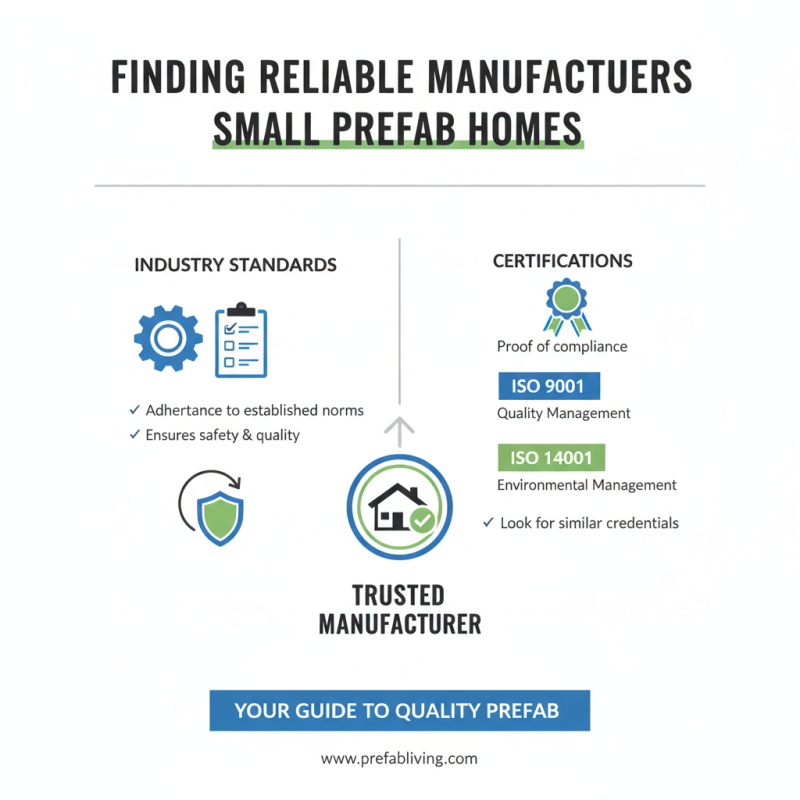
Finding reliable manufacturers for small prefab homes is crucial. Look for companies that adhere to industry standards. Certifications can reveal a lot about a manufacturer's quality. Check for ISO certifications or similar credentials. This indicates that the company meets recognized standards for safety and quality.
Experience plays a significant role. Manufacturers with years in the industry often understand the market better. They can offer insights into the best materials and practices. Research their previous projects to gauge their expertise. Positive client testimonials can serve as a reliable indicator of their service.
While seeking OEM Small Prefab Homes, consider the potential pitfalls. Not all manufacturers meet the same quality benchmarks. Some may cut corners to reduce costs, leading to subpar products. It's essential to ask the right questions. Request samples or visit existing installations. This hands-on approach can provide a clearer picture of what to expect. Balancing cost and quality is vital in this journey.
Comparing Construction Materials: Impact on Quality and Affordability
When exploring small prefab homes, the choice of materials significantly affects both quality and affordability. Many manufacturers use various construction materials, each with its own benefits and drawbacks. For instance, steel framing provides durability but can raise costs. Wood, on the other hand, offers excellent insulation and is often cheaper, but it may require more maintenance.
Opting for ODM Small Prefab Homes allows buyers to tailor their choices. This customization can help strike a balance between cost and quality. Using locally sourced materials can further reduce expenses and support the community. However, it's crucial to assess the long-term implications of these materials. Some might save money upfront but lead to higher maintenance costs down the line.
It's important to be aware of the potential trade-offs. High-quality materials often come at a price. For those on a tight budget, compromises may be necessary. However, making informed decisions about materials can lead to a satisfactory outcome. A well-researched choice enhances durability and attractiveness, ensuring that the investment pays off in the long run.
Comparison of Construction Materials on Quality and Affordability
Exploring Financing Options for Affordable Prefab Home Purchases
Financing options play a crucial role in acquiring High-Quality Small Prefab Homes at an affordable price. Many buyers are unaware that traditional banking methods may not be the only solutions. Reports indicate that a growing number of financial institutions now offer specialized loan programs for prefab homes. These programs consider the unique nature of such structures. Additionally, some offer lower interest rates compared to standard mortgages.
To enhance affordability, buyers should explore government-backed loan programs. Options like FHA loans can require as little as 3.5% down. Another viable option is a personal loan, which can cover the purchase price without the challenging qualification criteria. However, it's important to review terms carefully. Some lenders impose high fees or have strict repayment plans.
Tips: When considering financing, assess your budget realistically. Maintain a good credit score to secure better rates. Additionally, gather multiple quotes to compare offers. Potential home buyers should also familiarize themselves with local zoning regulations, as they can impact financing options. By understanding these factors, you can make informed decisions about your High-Quality Small Prefab Homes investment.
Top Resources for Researching Small Prefab Home Services and Reviews
Finding reliable services for Cheap Small Prefab Homes requires thorough research and consideration. Start by exploring online forums and communities focused on prefab homes. These platforms often feature honest reviews from homeowners. Engage in discussions and ask questions. This interaction can yield valuable insights that are hard to find through traditional sources.
Some websites compile reviews of various prefab home builders. Look for ones that provide a comprehensive breakdown of customer experiences and complaints. These resources can help you identify potential issues or advantages with different services. Be mindful of any red flags in the reviews, like repeated complaints about construction quality or customer service. A closer look at these factors can save you from costly mistakes.
Visiting local home shows or prefab exhibitions can also be beneficial. Here, you can meet builders face-to-face and gather brochures. It’s an excellent opportunity to ask specific questions that aren't easily answered online. Don’t hesitate to request detailed information on the materials used in Cheap Small Prefab Homes. Ultimately, the more informed you are, the better decisions you will make for your home investment.
Emerging Trends in Sanitation Solutions: Analyzing the Growth of Factory Prices Portable Prefab Toilets in the Global Market
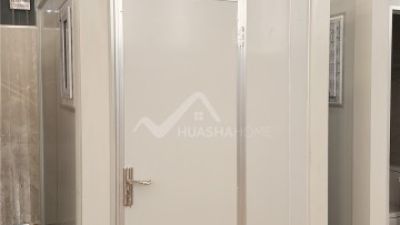
The global demand for innovative sanitation solutions has led to the rise of portable prefab toilets, which are increasingly being recognized for their convenience and efficiency. These modern sanitation units are manufactured entirely in factories, ensuring high standards of quality and reliability. Each unit is designed to meet the diverse needs of various settings, making them ideal for construction sites, outdoor events, and emergency response situations.
Weighing around 560 kilograms, these portable toilets are fully equipped with essential facilities, including a toilet, shower room, and basin. Their robust construction features a roof made from a single steel plate, providing enhanced durability and preventing leaks, which is crucial for maintaining hygiene standards. Additionally, these units are built to comply with various national electrical standards, ensuring safety and suitability across different regions. As the market for portable sanitation solutions continues to expand, the factory-assembled design not only assures quick deployment and relocation using a forklift or crane but also offers an effective answer to the growing need for reliable sanitation options globally.
FAQS
: Look for eco-friendly, durable materials. They ensure longevity and lower maintenance costs.
Very important. Insulated walls and energy-efficient windows can significantly reduce utility bills.
Yes, many prefab homes offer customizable layouts. This helps adapt the space to your needs.
Consider future expansion. Some models allow modifications as needs change, making them a smart choice.
Read customer reviews and seek recommendations. Quality support and service are key factors.
Explore specialized loan programs for prefab homes. Government-backed loans can also be affordable.
High-quality materials may have higher upfront costs but can save on maintenance over time.
Each material has trade-offs. For instance, wood is cheaper but needs more maintenance than steel.
Assess your budget. Maintain a good credit score and gather quotes from different lenders.
Yes, some lenders impose high fees. Review loan terms carefully to avoid surprises later.
Conclusion
Small prefab homes offer a viable solution in the housing market, providing benefits such as affordability, flexibility, and quicker construction times. When considering these homes, it's essential to understand key features such as design, energy efficiency, and sustainability that define high-quality options. Evaluating the cost-effectiveness of small prefab homes involves examining various price ranges and ensuring they fit within budget constraints while meeting quality standards.
To ensure a successful purchase, potential buyers should find reliable manufacturers by looking into industry standards and necessary certifications. Additionally, comparing different construction materials can help assess their impact on both quality and affordability. Exploring financing options can further ease the path to ownership. Ultimately, thorough research using top resources and reviews will guide buyers in finding the best small prefab homes that meet their needs and desires.