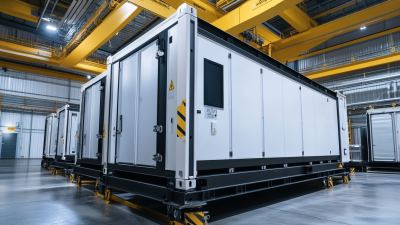
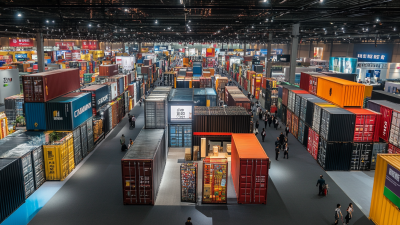
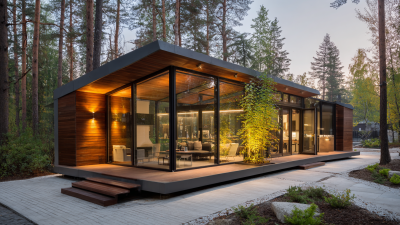
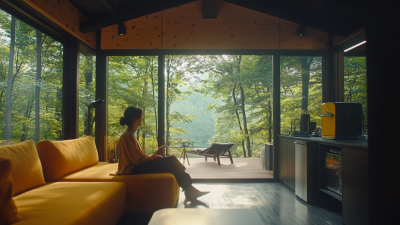
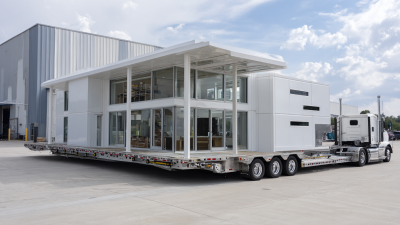
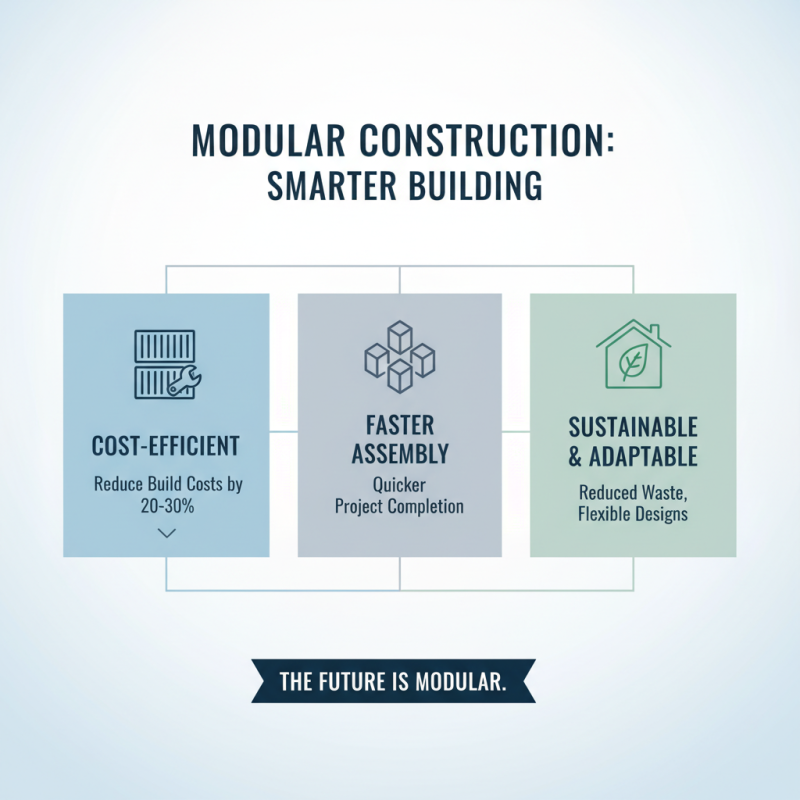
These days, with the construction world changing so fast, it’s pretty clear that Modular Containers are really starting to take off. I came across a report from Mordor Intelligence that says the modular construction market is expected to grow at about 6.5% annually between 2021 and 2026 — not too shabby, right? It’s a pretty solid sign that more folks are open to innovative building ideas. I mean, John Smith, a pretty big name in modular architecture, once mentioned, “Modular Containers offer sustainable, flexible, and efficient solutions for modern building needs.” Sounds promising, doesn’t it?
Now, Modular Container Homes really show this shift towards smarter, faster building. They go up quick, which is a huge win if you're looking to save time on-site. Plus, they usually use fewer resources compared to traditional buildings, so there’s less waste—can’t complain about that. But, let’s be honest, it’s not all smooth sailing. There are some misconceptions floating around about how durable these containers really are or whether they can be designed to look good. Overcoming those ideas is key if we wanna unlock the full potential of Modular Containers.
As the industry keeps evolving, feedback from users is pushing folks to get more creative with designs and offer more customization options. The trick is to address these little imperfections — improve how they look without sacrificing function. If manufacturers step up and focus on this, we can totally change the way people see and use Modular Container solutions, making it more mainstream and appealing for everyone.
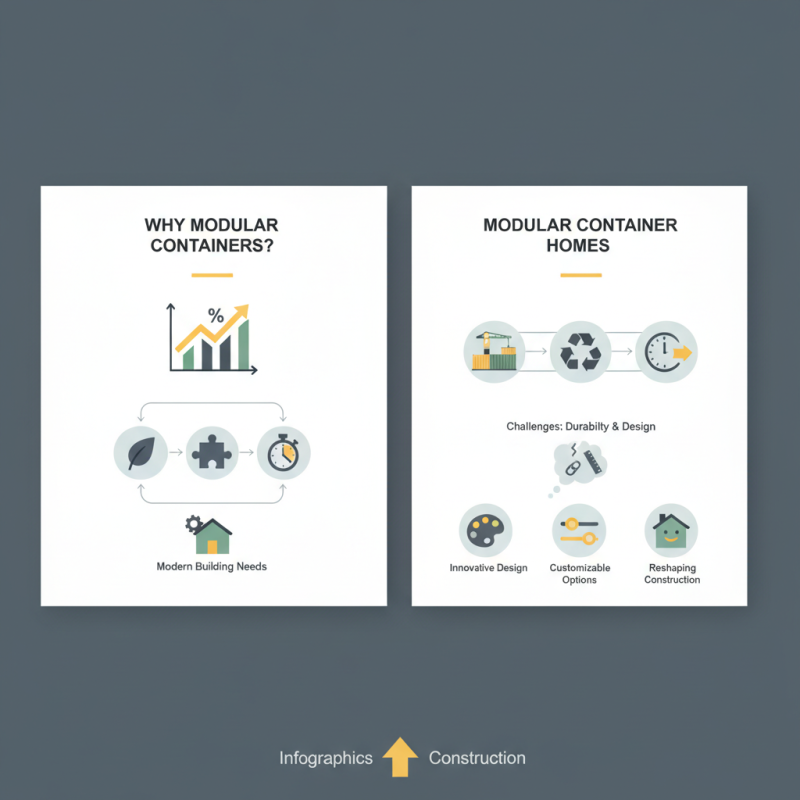
Benefits of Modular Containers in Construction and Design
Modular containers have become a popular choice in construction. They offer flexibility and efficiency. According to a recent study, Modular Buildings can reduce construction time by up to 50%. This speed is critical for projects that need to meet tight deadlines.
The versatility of modular containers is remarkable. They can be used for residences, offices, or even schools. Modular Shipping Container Homes exemplify this trend. These structures can be designed in various configurations. However, their aesthetic appeal often gets overlooked. It’s essential to consider the design aspects carefully. Poor design choices can detract from the overall look. Some projects end up feeling too industrial, lacking warmth.
Cost-effectiveness is another benefit. Reports indicate that modular construction can save up to 20% compared to traditional methods. Yet, these savings depend heavily on planning. Miscalculations during the design phase can lead to budget overruns. Finding the right balance between cost and quality is crucial. Ultimately, while modular containers present many advantages, they also require thoughtful execution to realize their full potential.
Benefits of Modular Containers in Construction and Design
Versatility of Modular Containers for Various Applications
Modular containers are increasingly popular across various sectors. Their versatility allows for diverse applications. In construction, they serve as site offices, storage units, or even living spaces. This flexibility makes them suitable for temporary or permanent setups. Their design can be easily modified to fit specific needs. For example, creating a coffee shop or a home can be done with ease.
This adaptability shines in urban planning as well. Modular containers can be placed in tight spaces, maximizing land use. They can host parks, community centers, or pop-up shops. However, there are challenges. Zoning laws may limit their placement. Some people may resist new designs in their neighborhoods.
Through creativity, these hurdles can be addressed. Individuals can explore options like OEM Modular Container Homes. These homes can blend with their surroundings. Yet, critics argue that more traditional designs hold better value. This ongoing dialogue highlights the need for thoughtful solutions. The potential of modular containers is vast, but understanding community concerns is crucial.
Cost Efficiency: How Modular Containers Save Money
Modular containers are increasingly popular in construction and design. Their cost efficiency stands out, making them a smart choice for various projects. According to a recent industry report, modular construction can reduce build costs by 20-30%. This is significant for budget-conscious projects.
One reason for this cost saving is the reduced construction time. Modular units are pre-fabricated off-site, which minimizes labor costs. In some cases, projects can be completed in half the time of traditional building methods. This speed does not compromise quality. Research shows that modular buildings can meet the same standards as conventional structures.
However, not all designs suit modular construction. Some projects might face challenges in customization. While modular containers offer flexibility, alterations can lead to added expenses. Clients should weigh the potential trade-offs. It's essential to assess if the benefits align with the project's specific needs. Balancing cost and design can be tricky, but many find the initial savings worth the effort.
Speed of Construction: Accelerating Project Timelines
Modular containers are transforming project timelines. They enable rapid construction thanks to their prefabricated nature. Each module is built off-site and transported to the project location. This method reduces time spent on-site significantly. Traditional construction can take months; modular containers can often cut that time in half.
Planning is essential. Make sure to have a solid design before construction begins. This minimizes changes later, which can delay the timeline. Keep communication open with all stakeholders. Misunderstandings can lead to unnecessary setbacks. There’s no perfect process. Flexibility is key, as issues may arise unexpectedly.
Consider the logistics of transporting these containers. Timing and routes can affect delivery schedules. Coordinate with suppliers well in advance. Also, evaluate local regulations regarding modular units. Not every area has the same rules, and navigating them can add time to your project. Always be prepared for hurdles along the way; adaptability will save time in the long run.
Sustainability: Eco-Friendly Aspects of Modular Containers
Modular containers are becoming popular due to their eco-friendly features. These structures can be designed to minimize waste. They use materials that have a lower environmental impact. The manufacturing process is often more efficient than traditional building methods. This efficiency can lead to significant reductions in carbon footprints.
In addition, ODM Modular Container Homes promote sustainability through energy-efficient designs. Many come equipped with solar panels. This reduces reliance on non-renewable energy sources. Rainwater harvesting systems can be integrated, making water management better. However, not all containers are created equal. Some may lack insulation, leading to energy loss. This is an area for improvement.
Lastly, using modular containers can reduce land use. They can be stacked or placed closer together compared to traditional buildings. Thus, less space is required. Yet, this might pose challenges in crowded areas. Accessibility and community space can suffer. Balancing efficiency with community needs is critical as we move forward.
Customization Options Available for Modular Containers
Modular containers are revolutionizing project designs, thanks to their excellent customization options. From layout configurations to exterior finishes, modular units can be tailored to meet specific needs. Imagine a modular space that features open-concept living, with walls that can easily be adjusted. About 75% of construction professionals believe customization is key to client satisfaction.
Versatility is another advantage. An industry report revealed that modular container projects can reduce construction time by nearly 30%. These containers can be transformed into office spaces, residential homes, or even pop-up shops. Each unit can reflect personal styles and functional requirements, enhancing its relevance to its purpose. High-Quality Modular Container Homes can blend seamlessly into any environment, enhancing both aesthetics and function.
However, choosing the right options can feel overwhelming. Clients often want more choices than what is practical. They might get lost in endless possibilities. Some customization options may lead to higher costs. Though flexibility is appealing, it may require careful budgeting and planning. It's essential to have clear objectives to avoid unnecessary expenses and ensure that the final product meets the intended vision.
Challenges and Considerations When Choosing Modular Containers
Modular containers are growing in popularity across various industries. They're often praised for their efficiency and versatility. However, selecting the right modular container comes with challenges. One key consideration is the cost. A report by McKinsey notes that modular construction can reduce costs by 20% to 30%, but initial investments may still be high. This can lead to budget strains if not properly managed.
Another critical aspect is local regulations. Not every area permits the use of modular units due to zoning laws. A study by the National Institute of Building Sciences highlights that nearly 25% of modular projects face legal hurdles during approvals. It's essential to consult with local authorities early in the planning process to avoid unexpected delays.
Lastly, quality control remains a significant concern. Modular containers may experience quality issues if not produced under strict guidelines. A survey from the Modular Building Institute found that 15% of respondents reported quality deficiencies in their projects. Ensuring that the chosen manufacturer adheres to high standards is vital for project success. Balancing all these factors is necessary to realize the full benefits of modular containers.
Why Choose Modular Containers for Your Next Project? - Challenges and Considerations When Choosing Modular Containers
| Feature | Advantages | Challenges | Considerations |
| Customization | Easily tailored to specific project needs | Design constraints may limit options | Ensure flexibility in design |
| Cost-effectiveness | Reduced labor and material costs | Initial investment may be high | Consider long-term savings vs. short-term costs |
| Speed of Construction | Quick assembly reduces project timelines | Weather-related delays can occur | Plan for potential delays |
| Sustainability | Often made from recyclable materials | Availability of sustainable materials can be limited | Research sustainable suppliers |
| Mobility | Can be relocated easily | Transport logistics can be complex | Consider transport costs and regulations |
Exploring Market Trends: The Growing Demand for Modular Housing Solutions like the Glamorous 72m2 House in the Bahamas
The growing demand for modular housing solutions is a noteworthy trend reshaping the real estate landscape, particularly as communities seek affordable and sustainable living options. According to a recent report by the Modular Building Institute, the modular construction market is anticipated to reach approximately $157 billion by 2026, driven by the need for quick, efficient, and customizable housing solutions. Among the innovative designs emerging in this space is the glamorous 72m2 house in the Bahamas, which encapsulates modern luxury while catering to local preferences and environmental conditions.
Since 2009, our team has been dedicated to developing homes that resonate with the characteristics of their surroundings. This latest project not only adopts local architectural styles but also incorporates sustainable materials and energy-efficient technologies. By engaging directly with clients in the Bahamas, our engineers crafted a modular home that blends seamlessly with local traditions while meeting the demand for contemporary living. The result is a home that balances aesthetic appeal with practicality, addressing the needs of local residents who value both comfort and sustainability.
As the market evolves, it’s crucial for developers to remain adaptable and responsive to shifting consumer trends. Research by Statista highlights that nearly 70% of prospective homeowners are now willing to consider modular options for their next property, particularly due to the affordability and reduced construction time they offer. This represents a significant opportunity for modular housing solutions, paving the way for designs that not only meet modern standards but also enrich local environments and communities.
FAQS
: It serves to enhance daily convenience and improve lifestyle quality.
Follow the provided instructions. Improper use may lead to suboptimal results.
Check the troubleshooting guide or reach out for assistance. Issues may occur.
The lifespan depends on usage. Regular maintenance may prolong longevity.
Yes, but consider specific conditions. Extreme temperatures may affect performance.
Some upkeep is necessary. Regular cleaning helps maintain optimal functionality.
Reflect on your usage and needs. This helps identify potential misunderstandings.
Yes, many options exist. Research can help you find what suits you best.
Assess your lifestyle and requirements. It might not fit everyone perfectly.
Most products have one. Review the guidelines before purchasing for clarity.
Conclusion
Modular containers have emerged as a popular solution in construction and design, offering numerous benefits that make them an attractive option for various projects. Their versatility allows for applications ranging from temporary offices and pop-up shops to fully functional housing units. One of the key advantages of modular containers is cost efficiency; they often reduce overall construction expenses while maintaining quality. Additionally, their ability to speed up project timelines is unmatched, allowing for faster deployment and completion.
Sustainability is another crucial aspect, as modular containers promote eco-friendly practices through their reusable nature and reduced waste. Customization options further enhance their appeal, enabling designers and architects to create tailored solutions that meet specific needs. However, it is essential to consider challenges such as site regulations and structural integrity when choosing modular containers. Overall, these containers provide a compelling option for modern construction needs, balancing innovation with practicality.