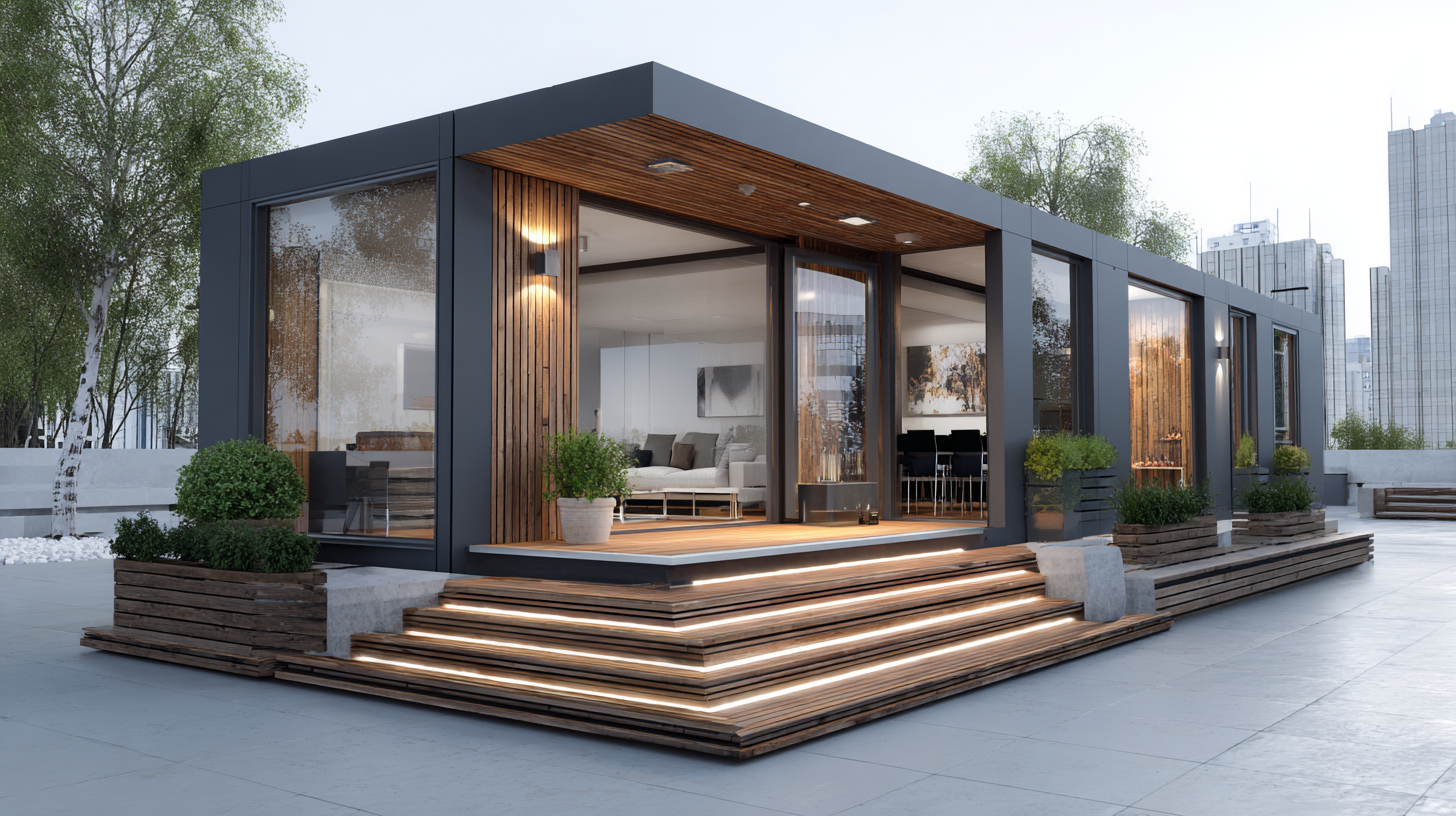
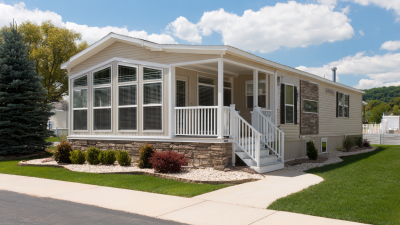
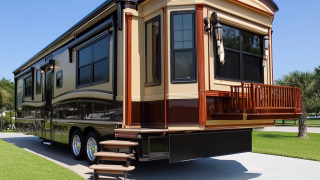
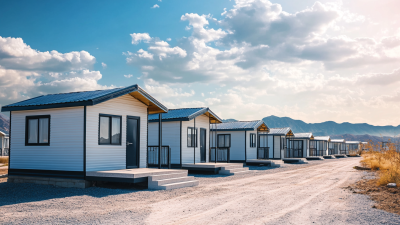
In today’s fast-changing global procurement scene, there’s never been a better time to look at flexible, efficient housing options. 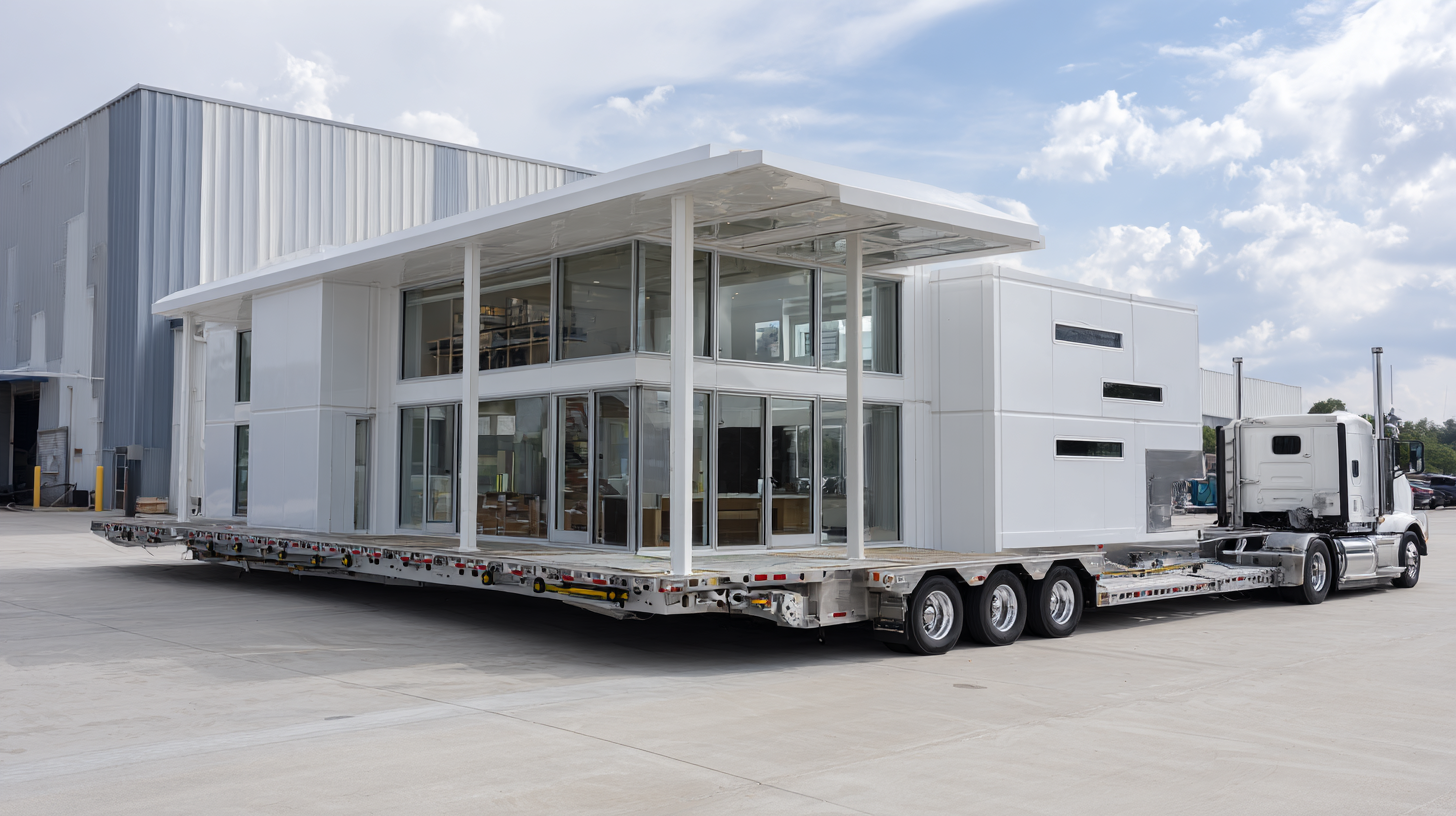 Mobile Houses, especially those made by Nantong Huasha Movable House Co., Ltd.—a company that’s been around since 2005—are really shaking things up when it comes to meeting housing needs across different sectors. They focus on all sorts of innovative solutions like Container Homes, expandable houses, lightweight steel structures, and portable pods. What’s cool is that Nantong Huasha doesn’t just stop at building—they’re your one-stop shop, helping you from picking the right site, designing, manufacturing, installing, to offering full technical support. This blog is all about diving into the many benefits of mobile houses—showing how they can make procurement easier and more flexible, while offering spaces that are adaptable and eco-friendly. Stick with us as we explore the amazing ways Mobile Homes can transform markets worldwide, making them perfect for today’s modern construction and development needs.
Understanding the Concept of Mobile Houses in Global Procurement
You know, mobile houses—sometimes called portable or modular homes—are really starting to make waves in the global markets. They’re pretty popular because they’re flexible and super efficient. Honestly, being able to move them around easily makes them perfect for industries that need to stay adaptable, like construction sites or disaster relief efforts. I read a recent report from the Modular Building Institute, and it says the worldwide market for modular buildings is expected to hit around $157 billion by 2023. That’s a solid growth rate of about 6.5% annually. It just shows how more folks are seeing mobile houses as a smart, cost-effective, and time-saving option.
If you're thinking about including mobile houses in your project, it’s a good idea to really evaluate what your needs are and how quickly you need to deploy. Partnering up with reputable manufacturers can definitely help things go smoother.
And here’s the cool part—mobile houses are better for the environment too. According to the U.S. Green Building Council, modular construction can cut down waste by up to 90%. Because these homes are built in controlled factory settings, they cause less environmental harm while still hitting high quality standards.
Oh, and don’t forget to consider energy-efficient features and sustainable materials when choosing your mobile homes. These upgrades not only boost ecological benefits but can also save you money in the long run by lowering operational costs.
Exploring Cost-Effectiveness: Why Mobile Houses are Budget-Friendly
You’ve probably noticed that mobile homes are becoming pretty popular worldwide, mainly because they’re so cost-effective. I came across a report from Grand View Research that says the modular construction market might hit around $157 billion by 2023. That’s mainly because more folks are looking for affordable housing options. Companies like Nantong Huasha Movable House Co., Ltd. are leading the way with innovative and budget-friendly solutions that make building a lot easier. These mobile homes are designed for quick setup and can adapt to all kinds of environments, which means they cut down on labor costs and drastically reduce the usual construction timelines we’re used to with traditional buildings.
Now, if you’re thinking about using mobile houses for your projects, it’s really important to look at the full picture—what some call the total cost of ownership. That’s not just the buying price, but also installation, upkeep, and how energy-efficient they are. Interestingly, modular homes can actually save you up to 20% on energy costs compared to traditional houses, thanks to their smart design and quality materials.
Plus, the cool thing about mobile houses is how flexible they are. They allow businesses to grow or shift operations quickly without a lot of fuss. Nantong Huasha offers a variety of options—like container-style houses and expandable models—that can be customized for lots of different needs. Using these solutions, companies can stay agile and respond faster to market changes, all while keeping costs in check.
Enhancing Supply Chain Flexibility with Mobile Housing Solutions
You know, integrating mobile housing solutions is really changing the game when it comes to making supply chains more flexible, especially with the global procurement markets nowadays. In a world where being agile is everything, these mobile houses let companies adapt quickly to shifts in the market or logistical hiccups—you just can't ignore how important that is. And with all the rapid progress in cloud tech and IoT within construction and supply chains, this flexibility becomes even more of a game-changer. Recent studies show that companies using cloud platforms have seen their operational efficiency jump by up to 30%, making coordination smoother and data analysis much faster.
Plus, there's been a big push toward sustainability lately, which only stacks the deck in favor of innovative mobile housing options. As industries get more serious about their green efforts, adding renewable energy features into mobile homes is a smart move. The market for battery energy storage is booming too, pointing to a real demand for more sustainable power sources. By integrating these systems into mobile housing, companies can cut costs and help the environment — a win-win that’s increasingly seen as vital for long-term success.
All in all, the options offered by mobile housing don’t just tick the boxes for modern supply chain needs—they also mesh well with the push for greener tech and faster, smarter solutions. As businesses keep evolving, investing in mobile housing might just give them that little edge needed to handle today’s complex, global procurement scene.
Sustainability in Mobile Housing: A Green Alternative for Procurement
Mobile housing is really gaining attention as an innovative solution in global markets, especially because sustainability is such a big deal these days. Did you know that the construction industry accounts for around 39% of worldwide CO2 emissions? Yeah, that’s pretty staggering. So, the push for eco-friendly options is more urgent than ever. Companies like Nantong Huasha Movable House Co., Ltd. are leading the way with their mobile homes, which mark a big step forward in sustainable building practices. These homes are often built from recyclable materials and designed to produce as little waste as possible during manufacturing — pretty cool, right? It’s all about aligning with modern green standards.
One of the biggest perks? Space efficiency. Mobile houses can be easily moved around and reconfigured, which means you don’t need to do a lot of heavy groundwork or use tons of materials. This not only makes things more flexible for users but also helps cut down their environmental impact. According to a report on the global modular construction market, this sector’s expected to grow at about 6.7% annually through 2025 — largely because people want adaptable living and working spaces. Nantong Huasha offers a full package, from design right through to installation, making sure that mobile homes are both practical for today’s procurement needs and better for our planet.
Overcoming Regulatory Challenges in Mobile House Implementation
Mobile houses have really taken off as a game-changer in the global housing scene, especially when it comes to tackling those tricky regulatory hurdles that often slow down traditional building projects. If you’ve looked into the stats, a report by ResearchAndMarkets highlights that the market for portable accommodation is expected to grow at a solid rate of over 8% annually from 2021 to 2026. This just goes to show how much people are craving flexible, easy-to-deploy housing options right now. Companies like Nantong Huasha Movable House Co., Ltd. are leading the charge—they use their expertise to create innovative designs that tick all the regulatory boxes while still meeting what the market actually needs.
Getting past those regulatory roadblocks is super important if you want your mobile houses to be a success. It’s really about staying in the loop with local building codes and zoning laws—which can change a lot from one place to another. Taking a thorough approach—like selecting the right site and carefully evaluating your designs—can make the approval process way smoother. Here’s a quick tip: chatting with local authorities early on can help you spot and sort out potential legal issues before they become big problems.
Plus, investing a little time in training your installation teams on the specific regulations can save you a ton of headaches on site. And here’s another tip: putting together a checklist of all the regulatory requirements for each step of your project can help you stay compliant and avoid risks that come from missing a detail. Nantong Huasha offers integrated solutions that include these strategies—they’re all about making mobile housing projects not just possible, but efficient and hassle-free for their clients.
Case Studies: Successful Mobile House Deployments in Various Markets
Have you noticed how mobile houses are starting to become a real game-changer in the global procurement scene? They pack quite a punch with their flexibility and how quickly they can be set up. Just look at some case studies—they show that deploying these mobile setups can really boost efficiency and save costs across different industries.
For example, there's this innovative project focusing on building mobile network cloud resource pools, and it’s actually pushing forward the development of 5G services. With mobile infrastructure like this, companies can ramp up their operations pretty fast to keep up with changing demands—especially in those rapidly growing tech markets where agility is key.
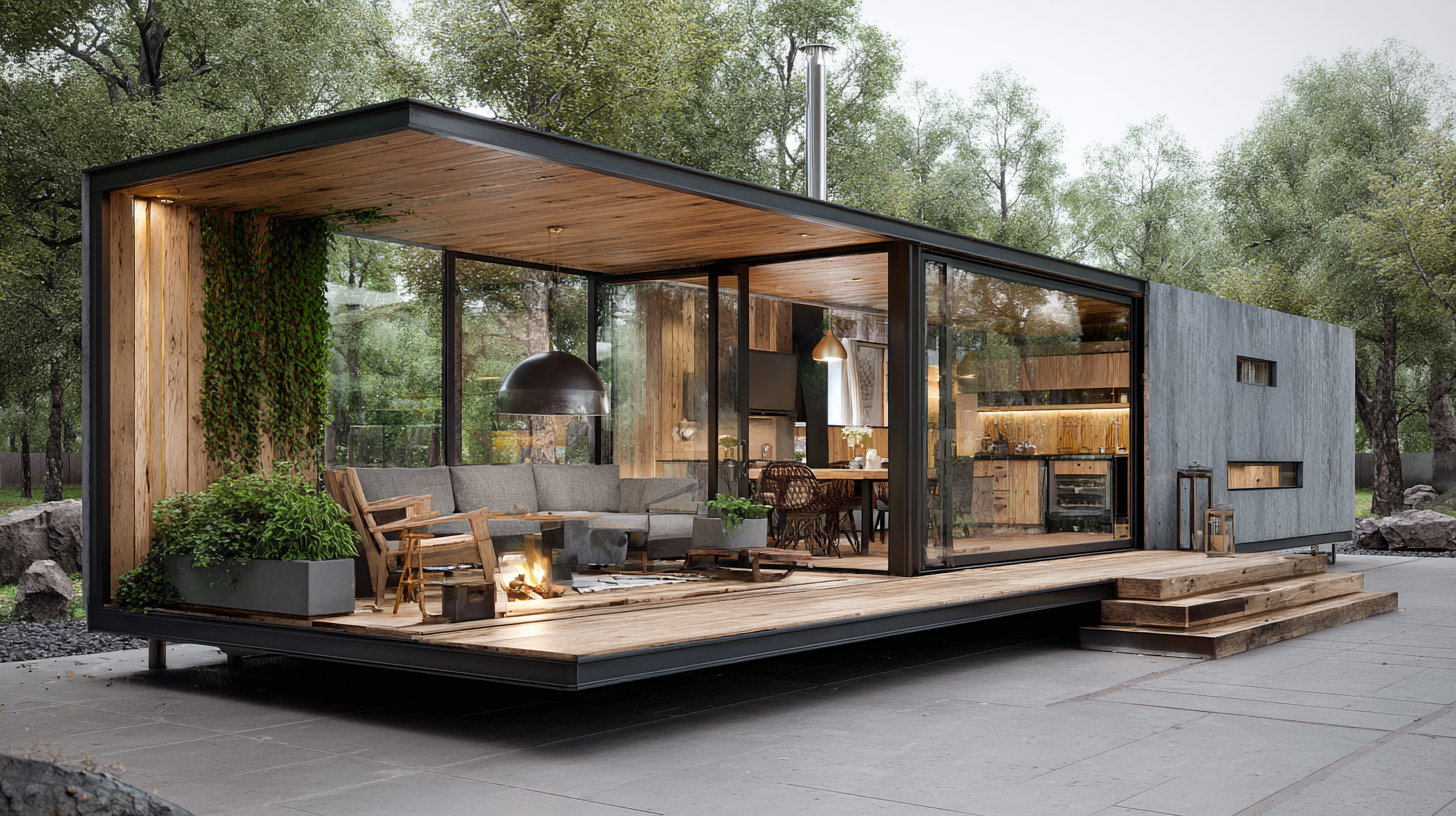 And then there’s another interesting example: a major telecom provider in Spain launched a multi-service platform that combines fixed and mobile services into one seamless package. This not only helped them grow their subscriber numbers but also showed how important it is to be flexible with service offerings. These kinds of success stories really show that mobile houses aren’t just a trend—they can be a crucial part of smart, innovative business strategies.
They help foster new ideas and support market growth across all sorts of sectors, from IoT solutions to telecom giants—and that’s pretty exciting.
FAQS
: Mobile houses are innovative, budget-friendly housing solutions that are gaining traction due to their cost-effectiveness and efficient construction processes, making them attractive in the global procurement market.
Mobile houses can offer savings of up to 20% in energy costs compared to conventional homes, thanks to their efficient design and materials, alongside lower labor costs and quicker assembly times.
When considering mobile houses, it's essential to look beyond just the initial purchase price and include installation, maintenance, and energy efficiency in the total cost of ownership analysis.
Mobile houses represent a shift toward sustainable construction practices as they are often made from recyclable materials, designed to minimize waste, and reduce CO2 emissions compared to traditional buildings.
Mobile houses utilize space efficiently, can be easily relocated and reconfigured, and drastically reduce the need for extensive groundwork and construction materials, thereby lowering their environmental footprint.
Yes, companies like Nantong Huasha Movable House Co., Ltd. offer customizable options such as container houses and expandable homes, allowing for diverse applications tailored to specific market demands.
Successful deployments of mobile houses have shown to significantly enhance operational efficiency and cost-effectiveness, particularly in sectors like telecommunications, where rapid scaling and agility are crucial.
Mobile houses are being utilized to build mobile network cloud resource pools, enabling companies to efficiently scale their operations and meet fluctuating demands in fast-growing tech markets such as 5G services.
The modular construction market is anticipated to grow due to increasing demand for affordable and adaptable living and working spaces, with a projected CAGR of 6.7% through 2025.
Mobile houses are designed to minimize waste during production and use recyclable materials, aligning them with eco-friendly practices and contemporary green building standards.
Conclusion
In today’s fast-changing global procurement scene, Mobile Houses really stand out as a game-changer, tackling a bunch of strategic needs all at once. These clever little structures are not only budget-friendly—they can also cut down your overhead costs like crazy—plus, they’re super flexible when it comes to managing your supply chain. Using mobile housing options means businesses can get up and running in new locations quickly, without missing a beat. Honestly, they’re pretty much a no-brainer for lots of different uses.
On top of that, Mobile Houses are eco-friendly, making them a more sustainable choice for tackling procurement challenges. At Nantong Huasha Movable House Co., Ltd., we’ve been around since 2005, specializing in all kinds of mobile housing—from container-style setups to expandable designs. We don’t just deliver the structures; we walk with you through the entire process—from picking the right site to offering technical support—so everything runs smoothly and complies with regulations. And we’ve got plenty of successful stories to back it up across different markets, so you know you’re in good hands.