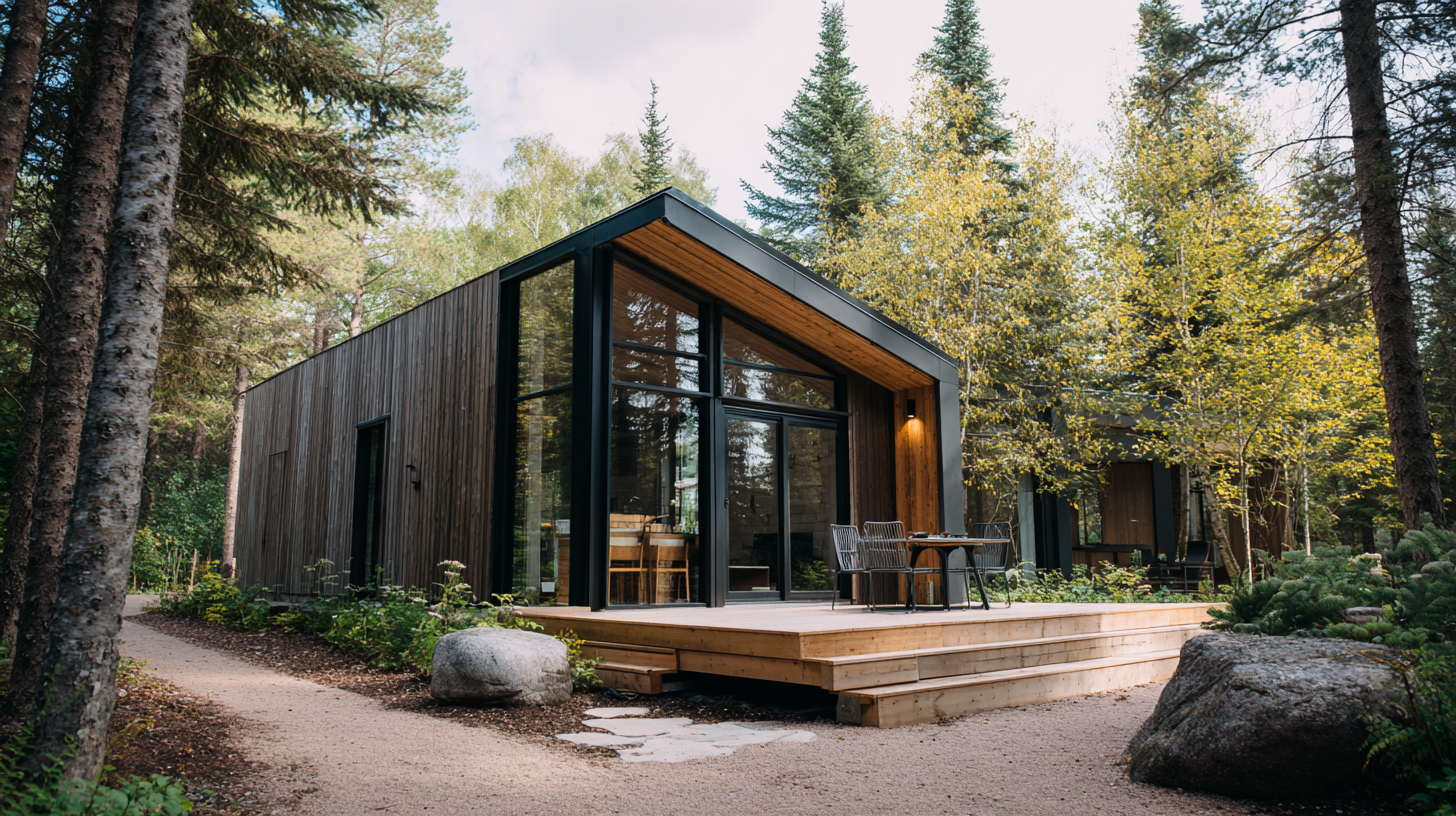
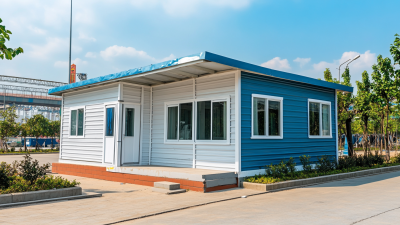
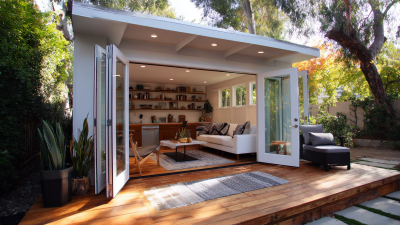
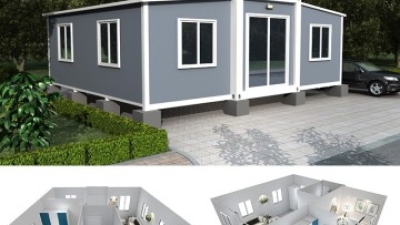
Lately, more and more folks are jumping on the sustainable living bandwagon, and one trend that’s really catching on is tiny, eco-friendly homes. You know, those Small Prefab Houses? They've become quite popular among people looking forpractical, affordable, and eco-conscious living options. These homes aren’t just about saving some bucks—that’s a big plus—they also help shrink your environmental footprint, which lots of us care about these days.
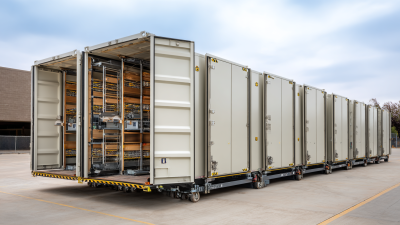
Take Nantong Huasha Movable House Co., Ltd., for example. They've been in the game since 2005 and are really leading the charge when it comes to modular housing, like Container Homes and expandable models. What’s cool is that they offer a full package—from scouting out the perfect site and designing the space to manufacturing, installing, and even providing technical support. Basically, they’re making it easier for individuals and families to jump intosmall living without all the hassle.
This article's gonna walk you through all the great reasons why small prefab homes could seriously change the way we think about housing—think smaller, greener, and smarter living all around.
Benefits of Sustainable Living in Small Prefab Homes
Lately, small prefab homes are really gaining popularity for their benefits, especially when it comes to sustainable living in tighter spaces. With cities facing housing shortages and the ever-present threat of climate change, these homes seem like a pretty smart, modern solution that checks all the eco-friendly boxes. They’re designed with energy efficiency in mind, often using innovative materials and techniques to cut down on waste and keep energy use low. Plus, they tend to look pretty sleek and stylish, and you can customize them to fit your needs — so you get both looks and sustainability rolled into one.
If you’re thinking about making the jump to a small prefab home, a few tips might help. First off, really think about what your space needs are. Smart, multi-use furniture can make your tiny place feel way more open and functional. And if you’re into green tech, adding solar panels or rainwater collection systems can give your home an extra eco-friendly boost.
Also, don’t forget to check out your local rules and regulations—these can vary quite a bit depending on where you are. Some cities might have zoning laws that make things a little tricky when it comes to tiny homes. It’s a good idea to get involved with community groups or local initiatives focused on sustainable housing; they can be a big help in navigating any hurdles along the way.
Benefits of Sustainable Living in Small Prefab Homes
Cost Efficiency of Compact Living Spaces
Lately, there’s definitely been a big rise in people looking for smaller living spaces. More homebuyers and minimalists are drawn to tiny prefab homes — and honestly, it makes sense. These types of homes aren’t just trendy; they’re also kind of a smart move in terms of cost and sustainability. By 2025, we’re probably going to see cities like Los Angeles and Houston turning empty office buildings into thousands of affordable tiny apartments, helping to tackle the urban housing crunch.
If you’re thinking about going the compact route, I’d definitely recommend focusing on furniture that’s multifunctional — stuff that saves space but still feels cozy. Things like foldable dining tables or sofas that convert into beds can really make a difference without sacrificing comfort.
Plus, the cool thing about prefab homes is how customizable they are. You can choose from fully furnished tiny homes or tweak layouts to suit your style and needs. It’s empowering — gives you the ability to create a space that’s perfect for you, all while staying eco-friendly. Jumping into the tiny home trend can lead to a simpler, greener lifestyle that fits right in with city living today.
Minimalism and Mindfulness: Embracing Simple Living
In today’s super fast-paced world, you can really see that minimalism and mindfulness are becoming more and more popular, especially among younger folks. It’s like a vibe that’s all about keeping things simple and peaceful. You’ve probably heard of this idea called ‘beige parenting’ — basically, creating a calm, not-overwhelmed environment when you’re raising kids. By cutting out the clutter and focusing on what really matters, parents can create a space that's better for emotional health and sparks of creativity. It’s not just about tidying up; it’s about building stronger connections and having more meaningful moments. Honestly, it’s a reminder that living simply can make life a lot more fulfilling, both in how we raise our children and how we choose to live ourselves.
Looking ahead to 2024, the whole trend of living simply is showing up everywhere — from how people handle their money to the way they choose to spend their time. Generation Z, in particular, is really leading this change, turning away from material stuff and focusing more on experiences and relationships. The ‘No Buy’ movement, for example, is all about thinking twice before buying things, encouraging folks to be more conscious about what they consume. Living with intention like this can actually make us happier, because it shifts the focus to what truly counts — living mindfully and embracing minimalism, instead of chasing after more stuff all the time.
Exploring the Benefits of Small Prefab Homes: Sustainable Living in Compact Spaces
| Feature | Description | Benefit |
| Energy Efficiency | Designed with insulation and energy-efficient systems. | Lower utility bills and reduced environmental impact. |
| Reduced Carbon Footprint | Utilizes sustainable materials and technologies. | Contributes to a healthier planet by minimizing resource use. |
| Affordability | Lower construction costs compared to traditional homes. | Makes home ownership accessible for more people. |
| Customizable Designs | Variety of floor plans and finishes to choose from. | Allows homeowners to create a space that reflects their personal style. |
| Minimalist Living | Encourages a simpler lifestyle with less clutter. | Promotes mental clarity and focus on what matters most. |
| Quick Assembly | Prefab homes can be assembled quickly on-site. | Reduces time spent in temporary housing and construction mess. |
Environmental Impact: Reducing Carbon Footprint with Prefabs
You know, traditional housing really takes a toll on the environment. It uses tons of resources, gobbles up energy, and heaps of waste get thrown out. On the flip side, small prefab homes are kinda like a breath of fresh air for sustainable living. Since they’re built off-site with streamlined manufacturing, they end up using fewer materials and creating less trash. The cool thing is, because they’re modular, it’s easier to plan everything perfectly—cutting down on waste and making the most of eco-friendly stuff.
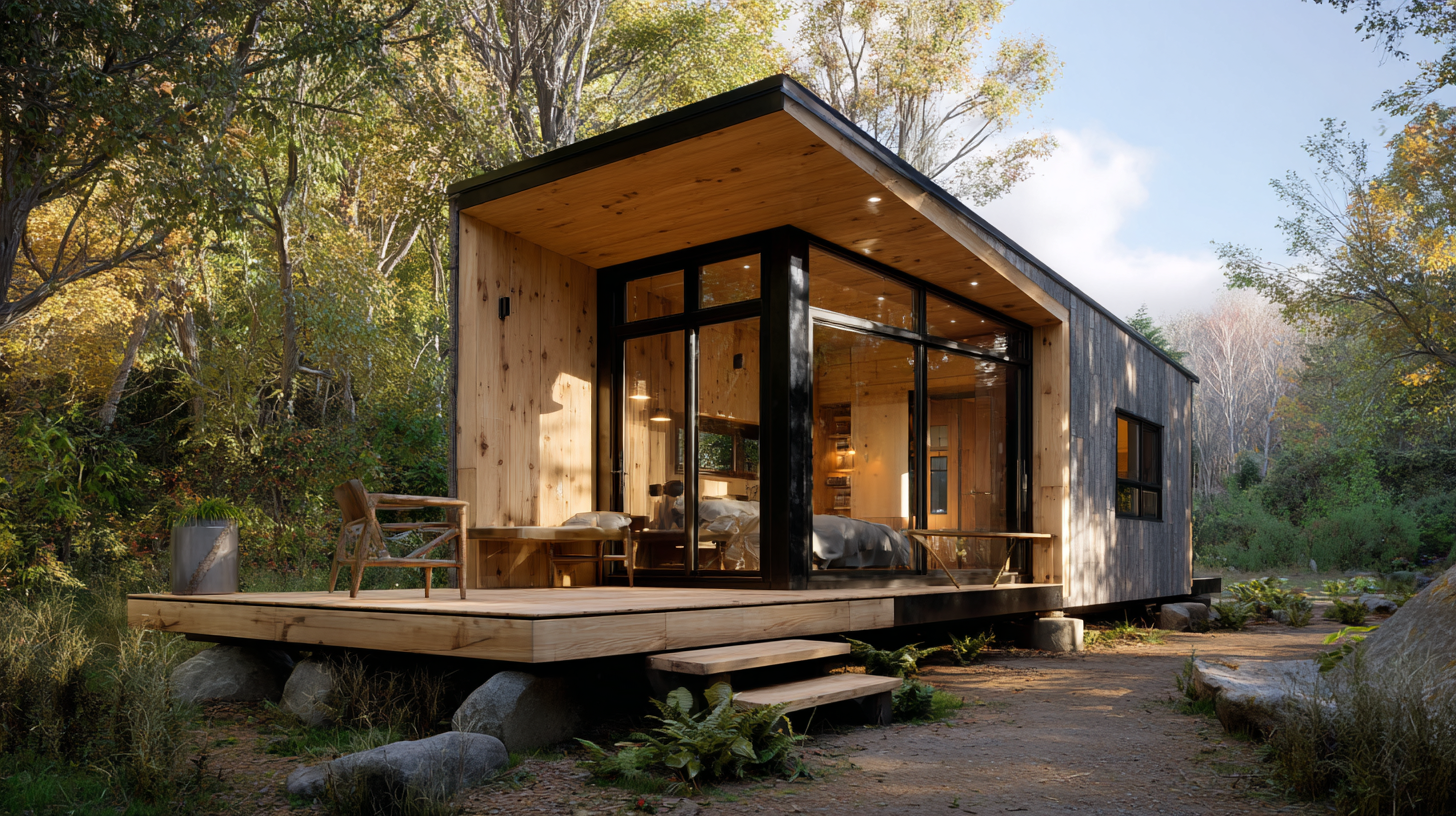
Plus, these prefab homes can be pretty much customized to be more eco-conscious. Think solar panels, top-notch insulation, energy-efficient appliances—you name it. Living in one of these encourages a simpler lifestyle too; since they’re usually smaller, you tend to buy fewer things, which is a nice bonus. It’s a bit of a mindset shift—less resource use, more connection to nature, and a boost to your overall well-being. So, if you go for a prefab, you’re not only shaving off your carbon footprint but also getting a modern, stylish, and practical space that feels right at home.
Flexibility and Mobility: The Advantages of Prefabricated Homes
Hey, you know, with more folks looking for ways to live more sustainably, small prefabricated homes are really gaining popularity. They kind of blend flexibility and mobility with a sleek, modern design—pretty cool, right? I read in a report from the National Association of Home Builders that these homes can cut down on construction waste by over 30%, which is a big plus for green building practices.
Basically, they’re built in sections in a factory, then moved to the site, so it cuts down on the carbon footprint tied to traditional building methods. Plus, it speeds things up—people can get into their new place faster if they’re into that quick, eco-friendly lifestyle.
And beyond just being better for the planet, these prefab homes are super flexible, which makes them attractive for all kinds of living situations. In fact, a survey from the Modular Home Builders Association found that about 70% of owners really value how easy it is to relocate their homes if needed. That kind of mobility is perfect for folks with changing jobs or growing families.
As cities get more crowded and affordable housing gets tighter, prefab homes seem like a practical alternative to traditional houses. They really offer a nice balance between modern living and the freedom to move when you want to.
Design Innovations for Functional Small Spaces
So, lately, there's been a lot of buzz around these small prefab homes and how they're changing the way we think about living in compact spaces. Honestly, reports suggest that the global market for these tiny homes could hit around $25 billion by 2025 — crazy, right? It’s all about people wanting more sustainable options that are budget-friendly. Designers are really getting creative now, focusing on making spaces that do double duty—think multifunctional rooms, foldable furniture, built-in storage, and open-plan layouts. Basically, every inch is being used smartly, without sacrificing style or comfort.
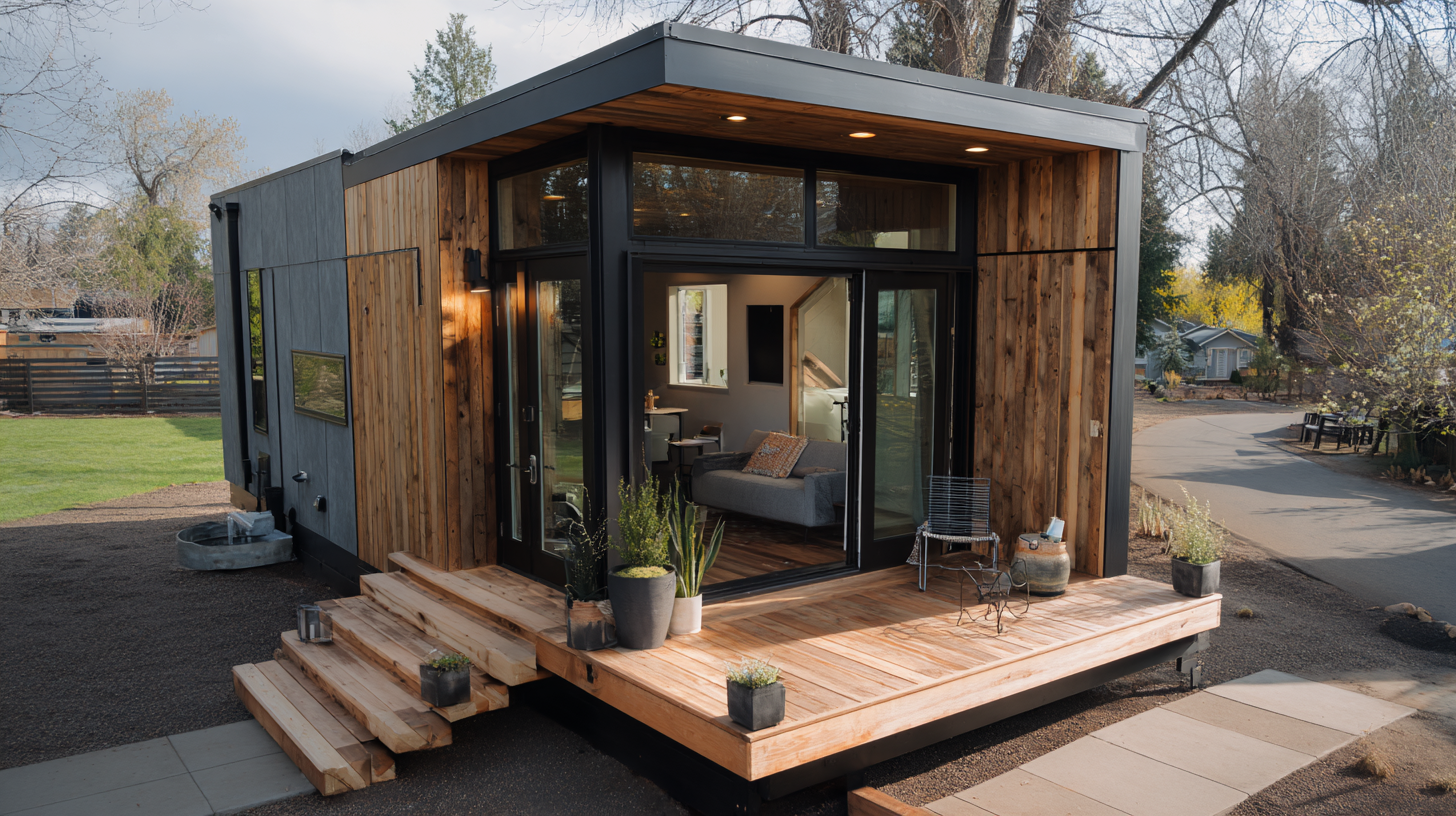
If you’re thinking about jumping onto this trend, a good tip is to pick furniture that can serve more than one purpose. Like, a dining table that also works as a desk—super handy and keeps things from feeling cluttered. And don’t forget about smart home tech; automating stuff makes life way easier and keeps your space feeling organized. The National Association of Home Builders points out that smaller homes aren’t just easier on the wallet—they also use fewer resources, which totally supports the whole sustainability vibe.
Oh, and letting in more natural sunlight with well-placed windows can make a tiny space feel way bigger, plus it saves energy. Using eco-friendly materials in construction isn’t just good for the planet; it makes the homes more durable too. Bottom line? Trying out these innovations can totally make living in a small prefab home more fun, functional, and cozy. It’s all about making the most of your space and living smarter, you know?
Innovative Two Bedroom Prefab Container House Plans for Sustainable Living in Australia
In Australia, the demand for sustainable living solutions is increasingly leading homeowners to explore innovative prefab container house designs. Our two-bedroom prefab container house plans offer an ideal balance of functionality and eco-friendliness. Taking inspiration from our successful Huasha Home model, which has been providing comfort for over 20 years, these structures are meticulously designed to blend harmoniously with their surroundings.
The layout includes flexible spaces for kitchens, bathrooms, and living areas, allowing homeowners to customize according to their lifestyle needs. Each house can be further enhanced with additional features such as balconies and leisure spaces, providing outdoor enjoyment and maximized usability. Our attention to detail extends to the exterior as well, where we select appropriate materials for wall finishes, creating a visually appealing aesthetic that complements the local environment. This commitment to thoughtful planning ensures that every prefab home is not only practical but also a welcoming haven for its residents.
FAQS
: The movement focuses on embracing simple living by stripping away excess and concentrating on what is essential, promoting emotional well-being and creativity.
Minimalism aligns with beige parenting, advocating for a tranquil environment that fosters deeper connections and meaningful interactions with children.
Generation Z is leading the shift, rejecting traditional materialism in favor of prioritizing experiences and relationships over possessions.
The "No Buy" trend encourages individuals to critically examine their consumption habits and reduce unnecessary purchases, focusing instead on what truly matters.
Design innovations include the use of multifunctional spaces, foldable furniture, integrated storage, and open-plan designs to optimize utility without sacrificing comfort.
Smaller homes are becoming popular due to their affordability, sustainability, and lower resource consumption, aligning with the growing demand for eco-friendly living.
Homeowners can use versatile furniture that serves multiple purposes and implement smart home technologies to efficiently manage their space.
Natural light can create an illusion of a larger space, improve energy efficiency, and enhance the overall ambiance of small living areas.
Eco-friendly materials enhance durability and support environmental sustainability, making tiny living a more appealing choice for environmentally conscious individuals.
Conclusion
Small prefab homes are honestly a pretty great option if you're looking for a sustainable way to live in a cozy space. They really encourage a minimalist mindset—think less clutter, more focus on what truly matters, like your well-being. Plus, they’re usually easier on the wallet, since building and maintaining such smaller homes tends to be more affordable. It’s a win-win, right?
And let’s not forget about the environmental perks—these homes have a pretty positive impact by helping to cut down on energy use and carbon footprints, thanks to smart design and eco-friendly materials. With all the clever design features out there today, these houses aren’t just functional—they’re adaptable and mobile, so you can tweak your space as your needs change. As a company leading the way in this scene, Nantong Huasha Movable House Co., Ltd. really knows their stuff. They offer everything from picking the right site and designing your home to installing it—all to make sustainable living easier and more accessible for everyone.