Looking for affordable housing solutions? Well, have you heard about Light Steel Containers? They’re actually turning some heads lately as a pretty cool option. Experts like John Smith from EcoContainer Solutions even say, “Light Steel Containers can totally change the way we think about living spaces.” It’s a modern engineering marvel, but honestly, it’s not just about stacking up containers — you’ve gotta pay attention to the design and how livable they really are.
What’s kinda awesome about these containers is that they’re durable and super versatile. You can stack them, arrange them differently, or tweak them to fit into all sorts of landscapes. But here’s the thing — a lot of folks skip over the basics like insulation or proper airflow, which can make the space feel kinda off. Because if you don’t plan well, a Steel Container Home can end up feeling pretty cramped.
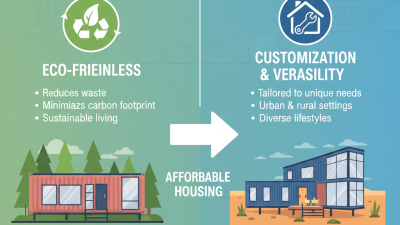
And let’s not forget about the environment. While these containers are recyclable — which is great — the bigger picture really depends on how they’re used. So, it’s important to think about all this stuff if you want something that’s both functional and eco-friendly. Finding that sweet spot between cost, style, and comfort? That’s a bit of a balancing act and definitely calls for some creative thinking.
Benefits of Light Steel Containers in Affordable Housing Solutions
Light steel containers are becoming a popular option for affordable housing. Their sturdy nature and cost-effectiveness make them appealing. According to a report by the International Organization for Migration, housing made from steel containers can be up to 50% cheaper than traditional methods. This drastic reduction in cost can address urgent housing needs in various communities.
The benefits extend beyond savings. Steel Container Houses can be produced quickly, allowing for faster relocation after a disaster. Conversion from shipping containers to homes can take as little as eight weeks. However, not every project runs smoothly. Issues like insulation and interior layout require thoughtful planning. Investing time in design can prevent costly changes later.
Tip: Research local building codes before starting. Compliance can save time and money. Additionally, consider the environmental impact of your materials. Steel is recyclable, which can improve sustainability.
Affordability and efficiency offer significant advantages. However, each project must be carefully evaluated for its specific needs. Addressing potential challenges can make a big difference in success. By focusing on thoughtful design, steel Container Homes can serve as more than just a temporary solution.
Design Considerations for Light Steel Container Homes
When designing light steel container homes, several critical considerations come into play. The structure's durability must align with local environmental conditions. Insulation is essential. Poor insulation can lead to discomfort. Using materials that resist moisture can prevent long-term damage. This is particularly vital in rainy areas where containers might rust.
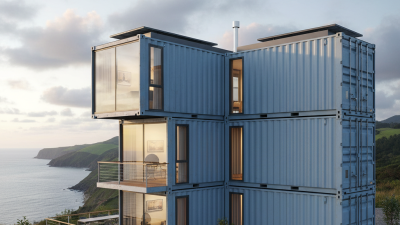
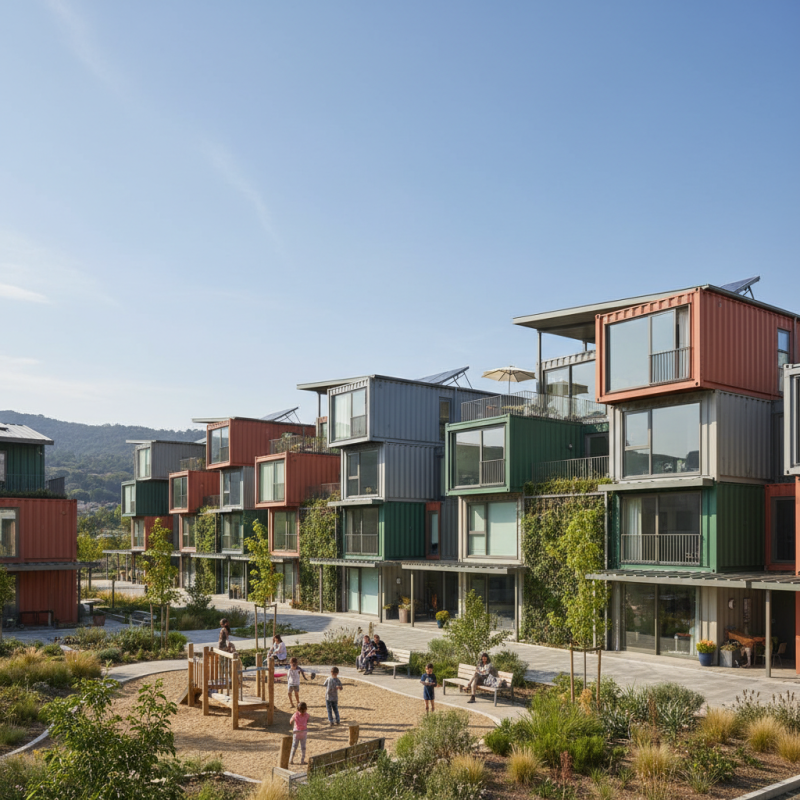
Layout matters. Open floor plans maximize space and light. Avoiding clutter is key. Think creatively about how to use vertical space. Storage solutions can often be overlooked. Choosing the right windows and doors affects ventilation and light. A well-placed window can make small spaces feel larger. Outdoor areas should also be part of the design. Balconies or gardens can enhance living comfort.
Cost is always a challenge. Keeping the budget in check while ensuring quality is tough. Choose a design that reflects needs, not trends. Trends can often lead to overspending. Regular reflection on the design process is important. Are the materials eco-friendly? Will the home provide a sustainable solution? Keeping these questions in focus can lead to better outcomes.
Cost Analysis: Comparing Light Steel Containers to Traditional Housing
When considering affordable housing, light steel containers provide a compelling alternative. They are often more cost-effective than traditional brick-and-mortar homes. Lightweight and durable, these structures can cut down construction costs significantly. Initial investments may be lower, but there are long-term savings as well. Maintenance costs for Steel Modular Homes tend to be less than that of conventional homes.
Tips: Consider the location. Some areas offer tax incentives for using alternative housing. These savings can further enhance affordability. Also, think about insulation needs. Proper insulation is crucial to ensure energy efficiency in steel modular homes.
However, it’s important to reflect on design options. Not every design meets everyone’s needs. Customizing may increase costs. Besides, zoning laws can be restrictive in some regions. Be aware of these regulations before moving forward. Despite these challenges, light steel containers remain a viable solution for those seeking affordable living solutions.
Sustainability and Environmental Impact of Steel Container Housing
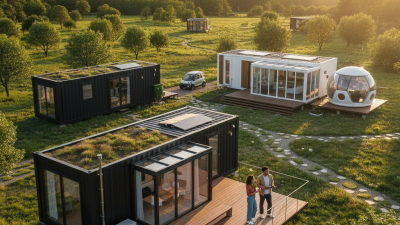
Light steel containers are becoming popular for affordable housing solutions. Their lightweight structure can be moved easily. This flexibility makes them suitable for various locations. The use of steel containers also aligns with sustainable building practices. They can be recycled at the end of their life cycle. This reduces waste and promotes a circular economy.
However, there are challenges to consider. Not everyone may appreciate the industrial look of Prefab Steel Homes. The initial insulation can be less effective, leading to temperature issues. Proper modifications are essential to improve livability. Additionally, using steel may contribute to urban heat islands, raising local temperatures. It’s crucial to weigh these environmental impacts against the benefits.
Water runoff management is another concern. Steel containers can direct rainwater away quickly. This can lead to erosion or flooding if not properly managed. Choosing the right site is vital for sustainability. People must be aware of these issues as they explore light steel container housing. Potential homeowners should consider both pros and cons before deciding.
Regulations and Zoning Laws for Container Home Construction
When considering the use of light steel containers for affordable housing, understanding local regulations and zoning laws is crucial. Many regions have specific guidelines about how these structures can be designed and where they can be placed. For instance, municipal governments often require permits for container home construction. A survey by the National Association of Home Builders showed that 72% of developers find navigating zoning laws challenging.
Building codes vary significantly. Some areas accept Prefabricated Steel Homes easily, while others impose strict limitations. It’s essential to research local laws before purchasing containers. Understanding these hurdles can save time and money.
Tips: Always consult local planning departments. This ensures compliance with zoning laws. Engage with professionals who specialize in container homes. They often understand the nuances of the regulations. Consider joining online communities. They can provide insights and support based on others’ experiences.
There are, unfortunately, continuous challenges with lighting, ventilation, and insulation in steel containers. Planning for these issues from the start is vital. While the concept is promising, many people overlook the importance of these aspects. Addressing such concerns will lead to more sustainable living spaces.
Light Steel Containers for Affordable Housing: Cost Comparison
Interior and Exterior Finishing Options for Steel Container Homes
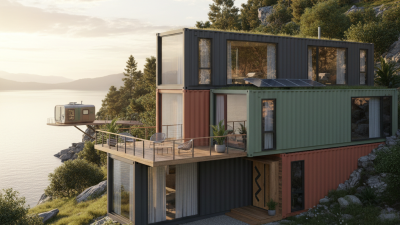
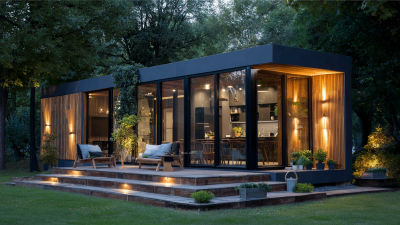
Light steel containers offer a unique option for affordable housing. When it comes to finishing, both interior and exterior choices play a crucial role. On the outside, you can incorporate vibrant colors. A fresh coat of paint can transform a dull container into a stunning home. Additionally, wood accents can create a warm look. This blend of materials enhances the visual appeal. Using sustainable materials for cladding is also a fantastic idea.
Inside, the possibilities are equally exciting. Using minimalist designs can maximize space. Open floor plans work well in container homes. However, careful planning is essential. Too much furniture can make the space feel cluttered. Bright lighting options can create an inviting atmosphere. Consider adding large windows; they can bring in natural light. But ensure privacy is also a priority.
Finishing touches are what truly make a house a home. Personal artwork or unique fixtures can add character. However, some may find it challenging to balance aesthetics and function. Reflect on your choices and how they align with your lifestyle. Ultimately, the aim is to create a living space that feels both comfortable and practical.
Conclusion
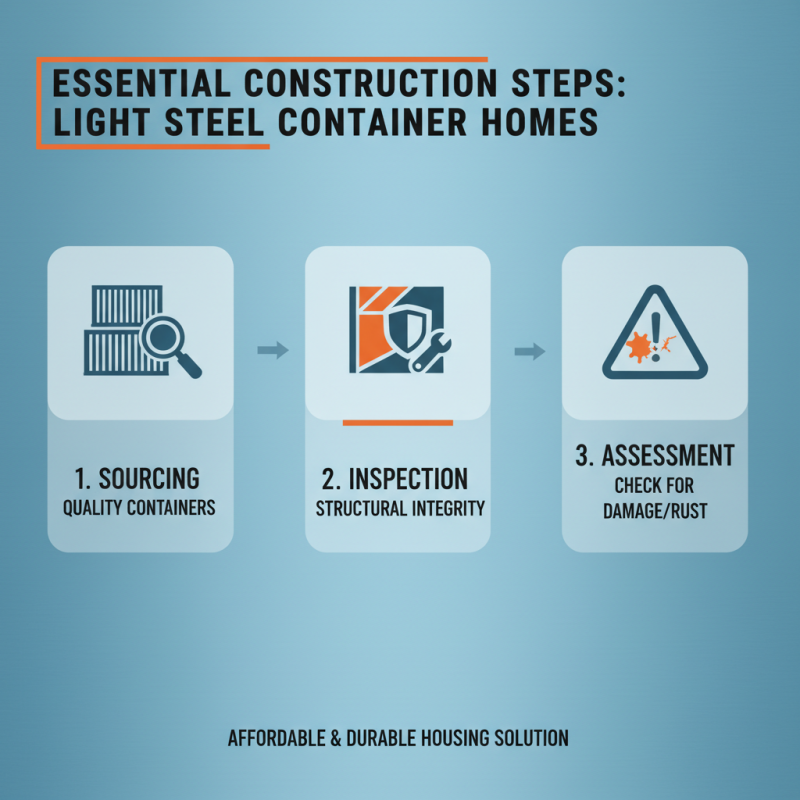
Light Steel Containers have emerged as a practical solution for affordable housing, providing numerous benefits such as cost savings and quick assembly. Their lightweight nature and durability make them ideal for various climates, and they can be designed creatively to fit different architectural styles. When planning a light steel container home, it's essential to consider design elements, including space utilization and aesthetic appeal, alongside necessary construction steps that ensure structural integrity.
In addition to their economic advantages, a thorough cost analysis reveals that light steel containers can be more budget-friendly compared to traditional housing options. The sustainability of steel as a material further enhances its appeal, as it is recyclable and has a lower environmental impact. It's crucial for potential builders to understand local regulations and zoning laws that may affect container home construction. Finally, various interior and exterior finishing options allow homeowners to personalize their light steel container homes while maximizing comfort and livability.