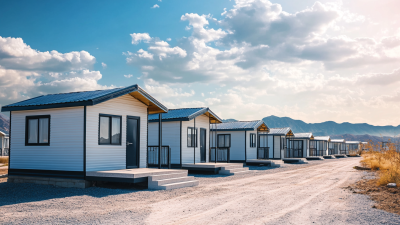
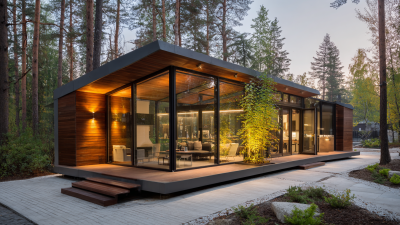
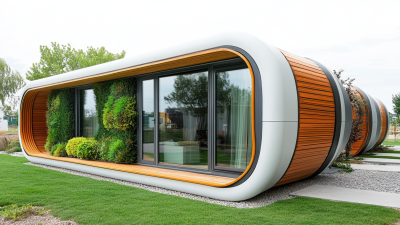
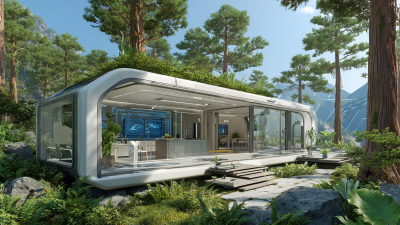
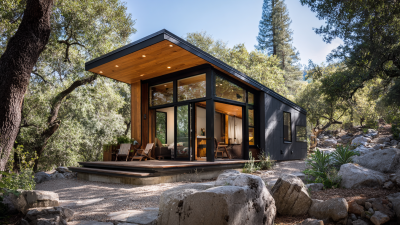
Manufactured Homes have really been gaining popularity lately, especially among folks looking for affordable and flexible housing options. Did you know that, according to the U.S. Census Bureau, they now make up over 6% of the housing market? That’s pretty significant! These homes offer some pretty cool advantages, like lower costs and quicker build times, making them an attractive alternative to traditional houses. As more people are seeking innovative ways to find a home, companies like Nantong Huasha Movable House Co., Ltd.—which has been around since 2005—are stepping up with a bunch of different solutions. They make everything from container homes and expandable models to light steel structures. What’s really great is that they take care of the whole process—from picking the site and designing the home to manufacturing and providing technical guidance—so they can meet a wide range of customer needs. It’s pretty exciting to see how manufactured homes are shaping the future of housing, don’t you think?
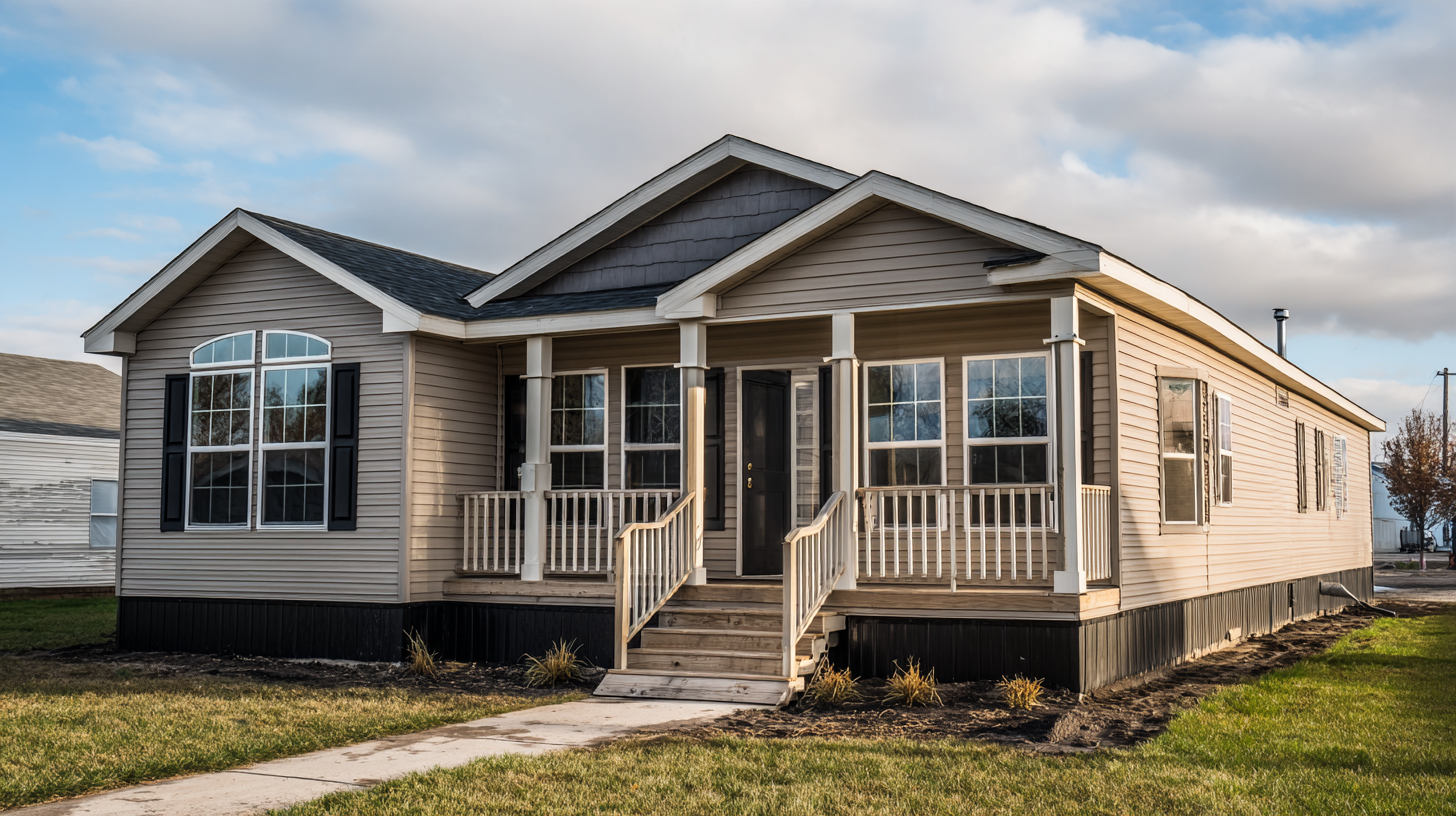
Understanding Manufactured Homes: Definitions and Features
Manufactured homes, sometimes called Mobile Homes, are houses built in factories that are then moved to their final spot. According to the Manufactured Housing Institute, around 22 million folks in the U.S. are living in these kinds of homes. They’re a pretty affordable alternative to traditional houses, which is a big reason why a lot of people choose them. These homes are built following the HUD Code, so you know they’re safe, durable, and energy-efficient. They often come with modern amenities, can be customized to fit your style, and usually include energy-saving appliances — making them pretty appealing whether you’re downsizing or just looking for a more budget-friendly place.
Compared to regular houses, manufactured homes can really cut down on costs while still being comfortable and livable. A report from the U.S. Census Bureau mentions that these homes typically cost about 10% to 20% less per square foot than site-built homes. Plus, they give you a lot of flexibility when it comes to location, often situated in communities with shared resources or amenities. With the rising need for affordable housing, these homes are becoming more and more popular, especially among first-time buyers or folks looking to simplify and downsize their lives.
Key Differences Between Manufactured Homes and Traditional Houses
When you really compare manufactured homes to traditional houses, you’ll notice some pretty big differences. For starters, their whole construction process is quite different. Manufactured homes are built entirely in a factory – kinda like a big assembly line – then they get hauled over to their final spot. This way of building outside of the actual lot usually makes things more efficient and can lower the cost quite a bit because of economies of scale. On the flip side, traditional homes are built right on the property, which means you might get more personalized touches, but it also tends to take longer and end up costing more overall.
Then there's the legal and financing side of things — it’s a bit of a gray area sometimes. Manufactured homes are often regulated differently compared to regular houses. For instance, they’re sometimes considered personal property rather than real estate, which can totally affect your financing options. Getting a traditional mortgage for a manufactured home might be trickier than you’d expect. Plus, while these homes are usually cheaper and can be energy-efficient, they sometimes carry a bit of a stigma or face restrictions in certain neighborhoods. That can be a pain if you're looking to sell later or just want long-term value.
Bottom line? Both options have their perks and their quirks, so it really depends on what you’re after.
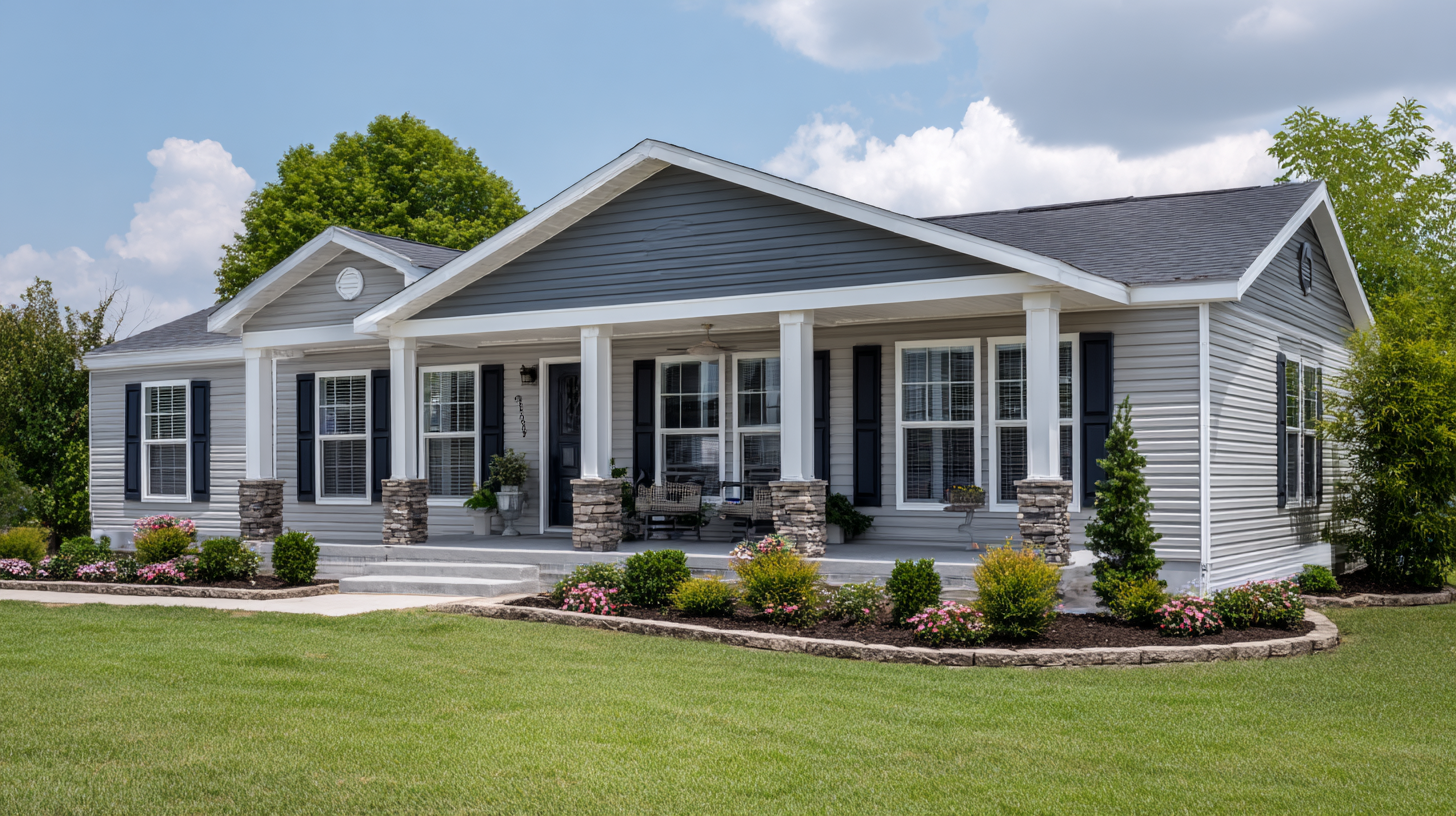
Cost Comparison: Manufactured Homes vs. Traditional Houses
When you're looking at the financial side of buying a home, it's pretty important to compare the costs between manufactured homes and traditional houses. Usually, manufactured homes are way more budget-friendly—think somewhere around $50,000 to $100,000, though it really depends on the size and where you are. On the flip side, traditional homes tend to start at much higher prices, often over $200,000. That big difference in the initial price can make manufactured homes super appealing, especially if you're a first-timer or just want to downsize without feeling like you're cutting corners on quality.
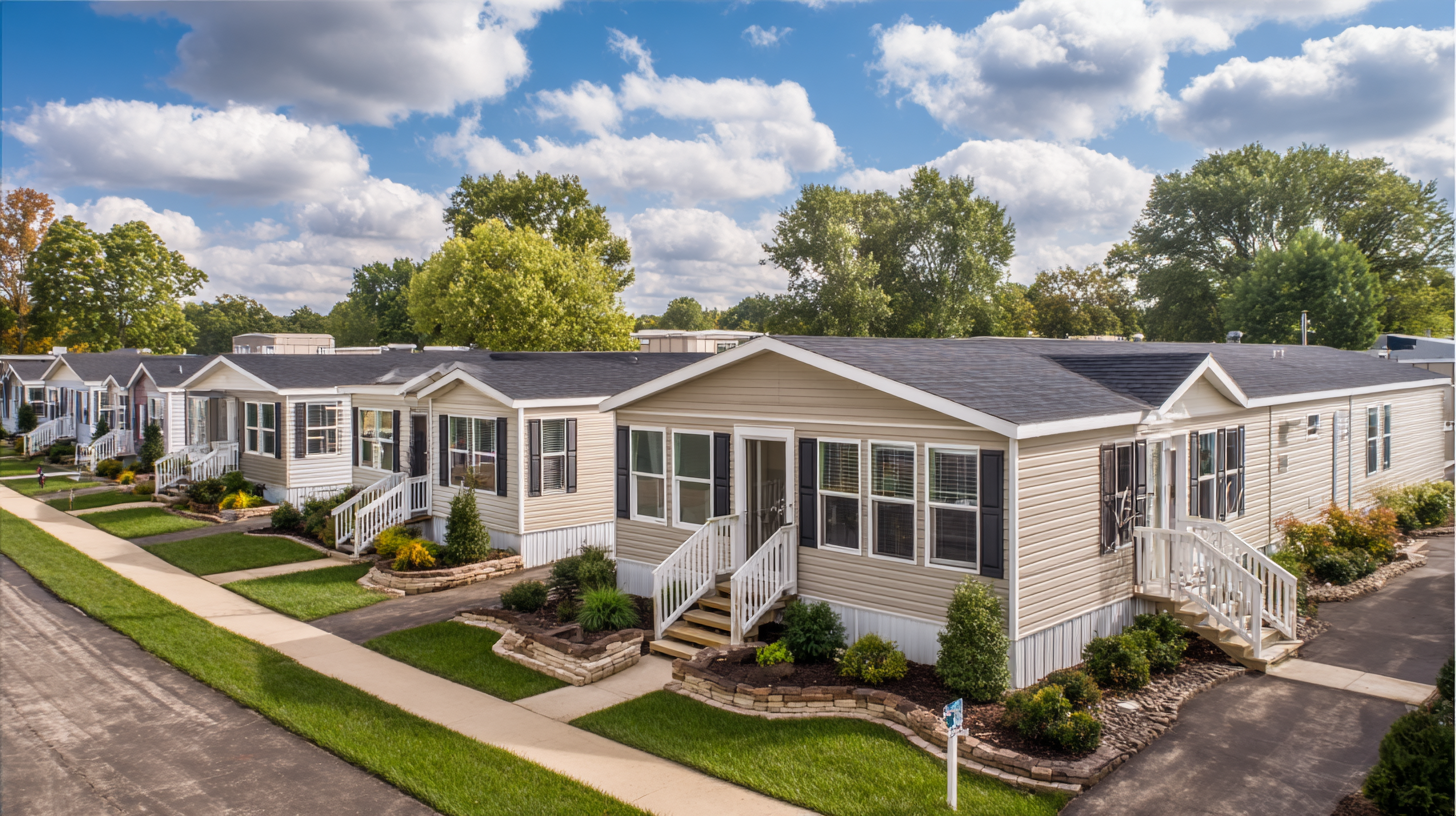
Plus, you gotta consider other stuff like maintenance and energy bills when you're crunching the numbers. While manufactured homes are cheaper upfront, they might have different maintenance needs compared to traditional houses, which can sometimes be more costly to keep up. That said, modern construction tech has boosted the energy efficiency of manufactured homes, so your utility bills could be lower over time. All in all, with the initial savings plus the potential for reduced energy costs, manufactured homes are really vying for a spot in today’s housing scene—no doubt about it.
Regulatory Standards and Safety: Manufactured vs. Traditional Housing
You know, manufactured homes—sometimes folks call them mobile homes—have their own set of rules that set them apart from regular houses. They're built in factories, which is pretty different from how traditional homes are constructed. These homes need to follow something called the HUD Code, which is a set of federal standards covering everything from design to safety. Basically, it’s there to make sure they’re sturdy and safe. On the flip side, traditional houses are built according to local building codes, and those can vary quite a bit depending on where you are. That’s why safety standards, construction methods, and the materials used can differ so much between the two.
When it comes to safety, manufactured homes do have some cool features like fire-resistant materials and design elements that help keep them stable. Plus, they have to go through thorough inspections before being sold and set up on a site. But, of course, traditional homes often come with a wider array of safety options—think things like basements or higher-end materials—depending on what the builder went with. All in all, both types of homes aim to be safe and reliable, but the different rules and standards they follow definitely influence how they’re built, their durability, and how they stand up to different environmental conditions.
What Are Manufactured Homes and How Do They Compare to Traditional Houses?
| Aspect | Manufactured Homes | Traditional Homes |
| Construction Standards | Built under HUD Code | Adheres to local building codes |
| Cost | Generally lower cost | Higher purchase and maintenance costs |
| Financing Options | Limited financing options, often personal loans | Wider range of mortgage options |
| Durability | Durably built but may be less sturdy than site-built homes | Typically more durable, built with solid foundations |
| Resale Value | Depreciates faster | Appreciates over time |
| Mobility | Can be relocated | Typically stationary |
| Energy Efficiency | Modern models have good energy ratings | Varies widely based on construction |
The Benefits and Drawbacks of Living in Manufactured Homes
Manufactured homes, which some folks still call mobile homes, offer a pretty unique housing option — and like anything, they come with their perks and downsides. Did you know that nearly 22 million people in the U.S. live in manufactured housing? According to the Census Bureau, they’re praised for being affordable and efficient. One of the biggest selling points? Price. The average cost per square foot for these homes is about $50, way cheaper than the roughly $100 you’d pay for a traditional stick-built house. That makes them super appealing, especially if you’re a first-time buyer or working with a tighter budget.
But, of course, it’s not all sunshine and rainbows. There are some things to keep in mind — like, manufactured homes tend to appreciate much slower than conventional homes. That means if you're thinking long-term, your investment might not grow as much. The Manufactured Housing Institute points out that while those initial costs are low, the resale value often drops over time, making it less of a sturdy investment. Plus, zoning laws and community rules can be a real pain; they might restrict where you can park or place your home, which isn’t great if you want freedom or flexibility.
So, if you’re considering making the switch to a manufactured home, it’s definitely worth understanding both the pros and cons first. It’s all about weighing what’s most important to you and what kind of lifestyle you want to lead.
FAQS
: Manufactured homes typically range from $50,000 to $100,000, whereas traditional houses generally start at over $200,000.
Manufactured homes offer affordability, as they have a lower average price per square foot (around $50) compared to traditional homes (about $100), making them appealing to first-time buyers and those on a budget.
Manufactured homes must comply with the Federal Manufactured Home Construction and Safety Standards, also known as HUD Code, which sets regulations for their design, construction, and safety.
Manufactured homes use fire-resistant materials and must pass strict inspections, while traditional homes are built according to local codes that can vary widely and may offer a broader range of safety features.
While manufactured homes may be cheaper initially, they can incur different maintenance costs, which could potentially affect their overall cost-effectiveness compared to traditional houses.
Manufactured homes typically appreciate at a slower rate than traditional homes, which may impact their long-term investment potential and resale value.
Zoning regulations and community restrictions can limit where manufactured homes can be placed, which may not appeal to everyone's housing preferences.
Advancements in construction technology have enhanced the energy efficiency of manufactured homes, potentially lowering utility costs over time compared to traditional homes.
Approximately 22 million people in the United States live in manufactured housing, highlighting its role as a unique and affordable housing solution.
Some drawbacks include slower appreciation in value compared to traditional homes and potential limitations due to zoning and community regulations.
Conclusion
Manufactured homes are essentially pre-built structures that come with their own set of features, setting them apart from traditional houses. They’re made in factories and then shipped out to their final spots, which helps keep costs down and construction time quick. Some of the main differences include how they’re built, the standards they have to meet, and safety rules. While they can save you a good chunk of money, it’s worth noting that, unlike traditional homes, they might not always increase in value over time.
Also, the rules and standards for manufactured homes are there to make sure they’re safe and solid. But, honestly, these standards can change depending on where you live. It’s super important for anyone thinking about getting one to weigh the pros and cons. With the rising need for affordable housing, companies like Nantong Huasha Movable House Co., Ltd. are really stepping up. They’re offering cool, innovative options like container houses and lightweight steel structures, focusing on things like choosing the right site, cool design, and smooth installation so customers get exactly what they need.