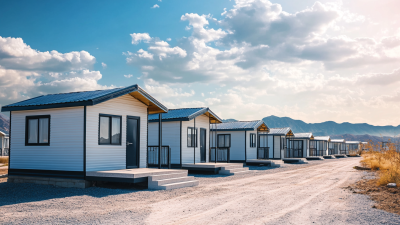
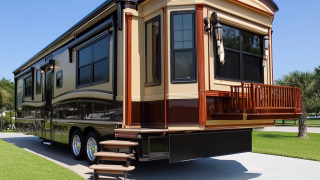
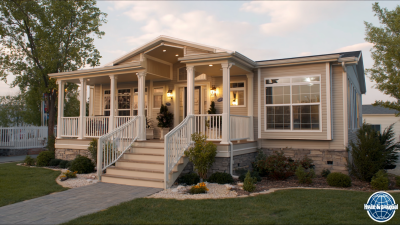
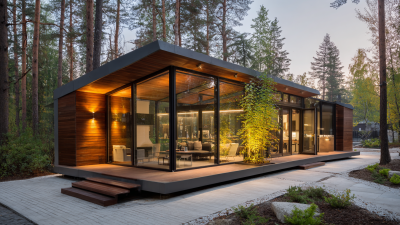
Lately, Manufactured Homes have really gained popularity, and they've become an appealing option for folks looking for affordable housing. In fact, according to the U.S. Census Bureau, more than 22 million Americans are now living in manufactured homes—that’s pretty significant when you think about the overall housing market. As the industry keeps evolving, some innovative companies—like Nantong Huasha Movable House Co., Ltd., which was founded back in 2005—are really leading the way. They focus on making container houses, expandable homes, and lightweight steel structures. Not only do they provide these cool, modern living options, but they also handle everything from helping with site selection and design to production, installation, and offering technical support. This guide is here to break down what makes manufactured homes pretty special, so anyone thinking about jumping into this kind of housing can get a good idea of the benefits—and a few things to keep in mind—in this ever-changing real estate scene.
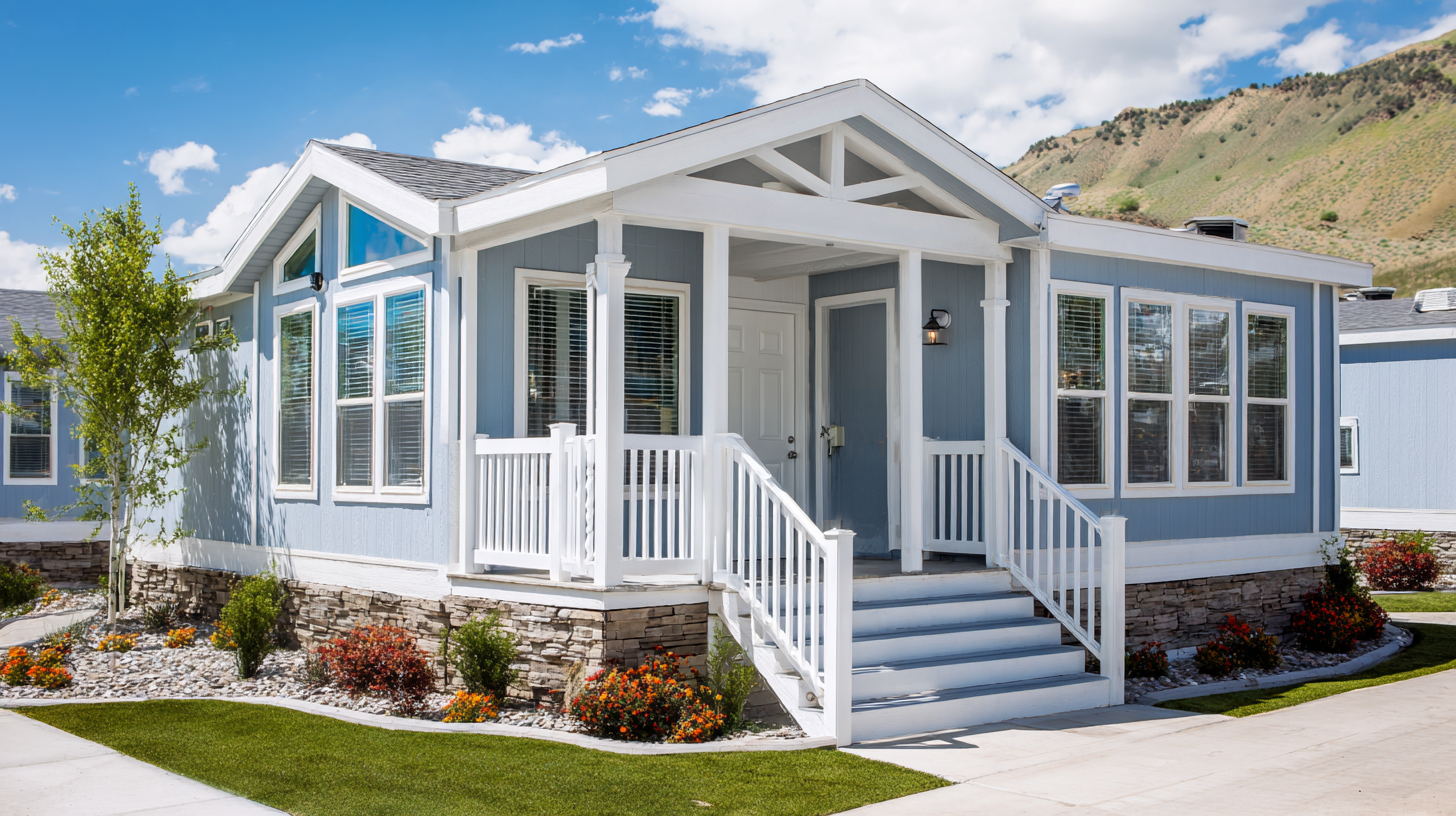
Key Differences: Manufactured Homes vs. Traditional Homes
When you start comparing manufactured homes to traditional ones, you'll notice there's quite a difference in how they're built, how much they cost, and even how portable they are. For starters, manufactured homes are built entirely in a factory and then trucked over to your land—it's kind of like buying a big, ready-made box you just set up. On the other hand, traditional homes are built right on the spot, piece by piece, using conventional construction methods. This difference can really influence what kind of designs you can get and how long the whole building process takes—usually, manufactured homes get done way faster than their stick-built counterparts.
If you're thinking about going the manufactured home route and you're on a budget, you might find that these options are pretty attractive because they tend to be cheaper. But keep in mind, there are extra costs involved, like buying land, preparing the site, and setting everything up. It’s a good idea to do some homework on financing options tailored specifically for manufactured homes—makes things a lot easier.
Here's a pro tip: before you get too deep into the process, check in with local building and zoning authorities to make sure everything’s on the up-and-up. Also, it’s never a bad idea to get a proper inspection of the home to see how solid it is and how long it might last. Taking these steps can really help you make smarter decisions and find a home that actually fits what you’re looking for.
All in all, just remember to do your research, ask questions, and don’t rush—finding the right home isn’t supposed to be stressful!
Understanding the Construction Process: How Manufactured Homes Are Built
Manufactured homes are built using a pretty unique process that really sets them apart from your typical site-built houses. It's an approach that’s gotten pretty innovative, often involving modern methods of construction—think efficiency and going green at the forefront. One of the coolest parts? They use modular techniques, where big chunks of the home are assembled in factories under controlled conditions. This not only speeds things up but also cuts down on waste and helps keep the quality in check—so you end up with a reliable, well-made home.
If you're thinking about buying a manufactured home, do your homework on local regulations first. Zoning laws can have a big say in where you can actually place the thing. Also, checking out features like energy-efficient materials can really make a difference—it can boost your home’s sustainability and slash those utility bills. And don’t forget, the whole idea of mass customization means you can tweak the design to suit your personal vibe without blowing your budget—pretty awesome, right?
Thanks to tech advances like 3D printing in architecture, building these homes is getting even more creative and cutting-edge. With more folks paying attention to eco-friendliness and smart design, a manufactured home isn’t just a quick fix; it’s actually a smart, modern choice for anyone looking to keep up with changing lifestyles and environmental concerns. It’s really about creating a home that fits your life, not the other way around.
Financing Options: What You Need to Know About Manufactured Home Loans
Manufactured homes have really become more popular these days, mainly because they’re an affordable and flexible housing option. Did you know that around 22 million folks in the US live in manufactured homes? That’s a pretty big chunk and shows how much this sector has grown. But, honestly, one of the biggest hurdles for people wanting to buy one? Financing. Traditional mortgages aren’t always an option for these homes, but luckily, there are special loans—like FHA, VA, and USDA loans—that can help make the purchasing process a lot smoother.
If you're thinking about financing, it's important to understand the difference between loans for the home itself and loans that include buying land. A report from the National Association of Realtors even says that buyers often get better interest rates when they’re also purchasing the land along with the manufactured home. Plus, companies like Nantong Huasha Movable House Co., Ltd. offer full-service support—from helping you pick a site to installing your home—so you're covered every step of the way. By taking advantage of these specialized financing options designed for manufactured homes, you can make smarter choices and really enjoy the perks of this innovative housing option.
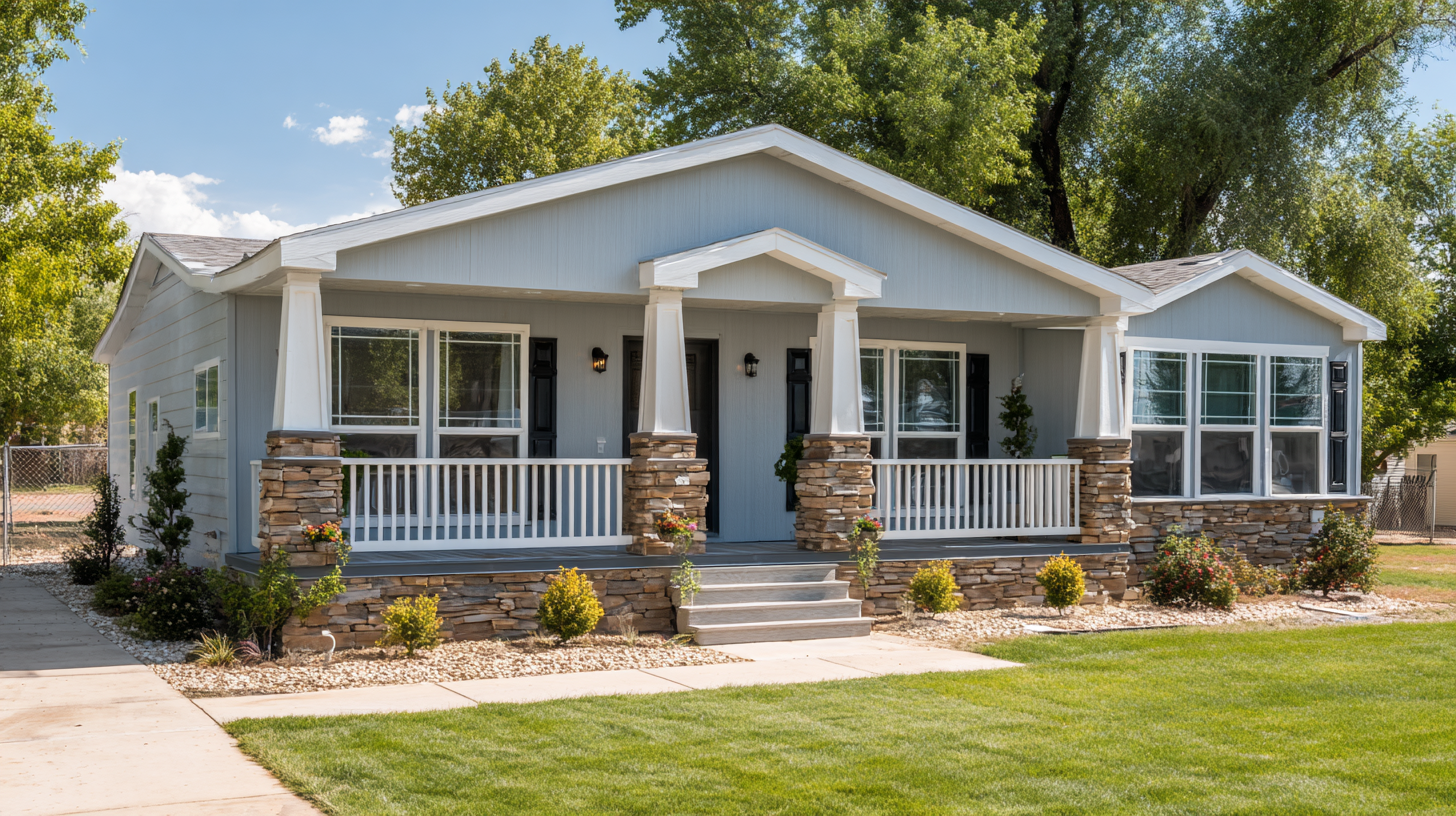
Navigating Zoning and Regulations: Essential Tips for Homebuyers
So, if you're thinking about buying a manufactured home, one of the biggest things you’re gonna want to get a handle on is the local zoning laws and regulations. Honestly, a lot of folks don’t realize that these rules can be totally different depending on where you are. That’s super important because it can really affect where you’re allowed to put your new place. Did you know that over 22 million Americans live in manufactured homes? According to HUD, those local rules can make a huge difference when it comes to placing your home and fitting into the community. The key is to do your homework early – check out what your local zoning laws say so you’re not caught off guard when you decide on a spot.
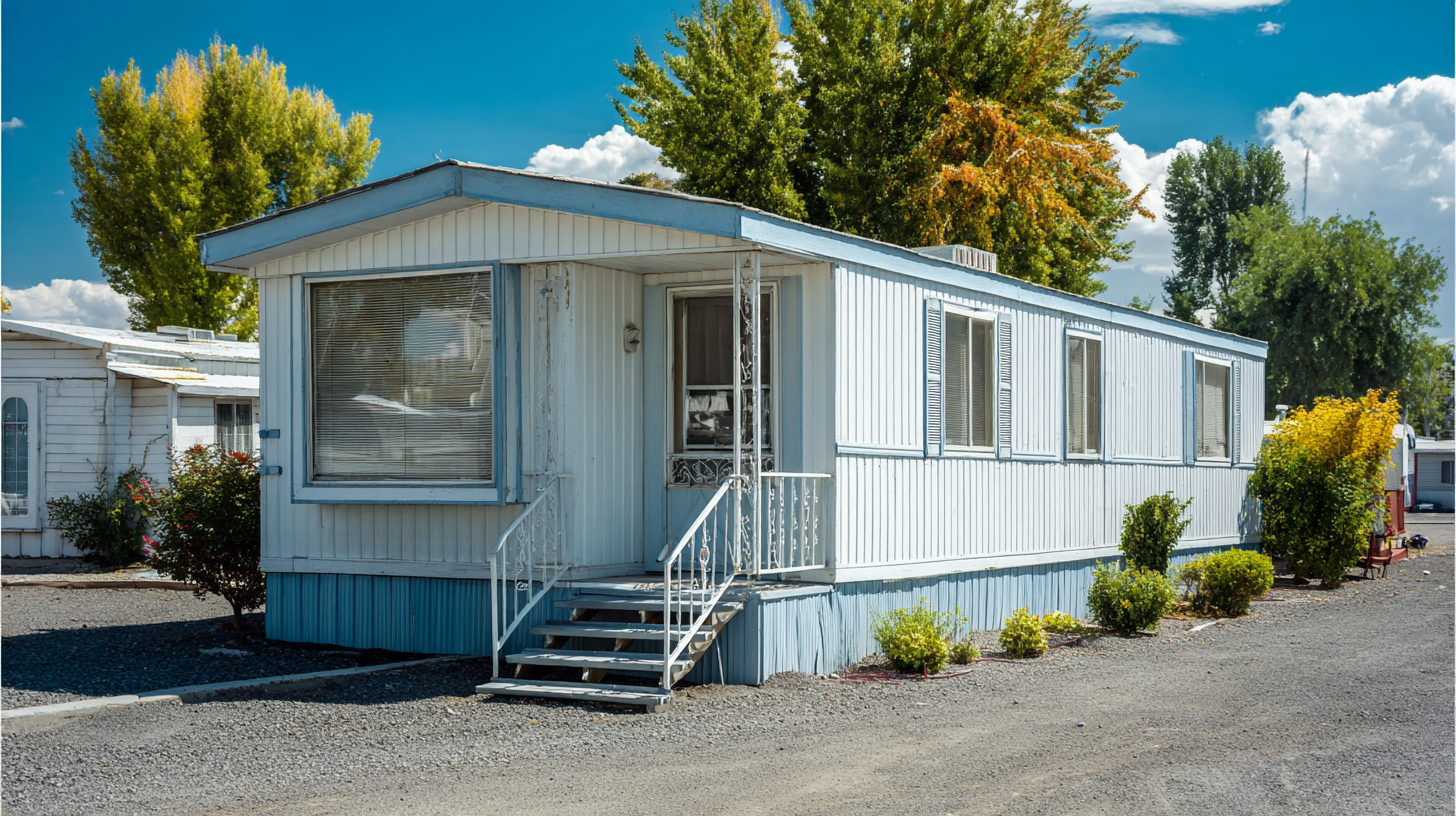
Oh, and don’t forget — each state has its own building codes too. These can impact things like the design, safety features, and overall livability of your home. The Manufactured Housing Institute shared that back in 2021, about 74% of manufactured homes in the U.S. were installed in communities that followed stricter local zoning rules. So, it pays to chat with local government offices or housing authorities ahead of time to understand what permits you might need and what rules you have to follow. Being in the loop on all these regulations can really save you a lot of headaches later on and make the whole process smoother. In the end, knowing what to expect makes finding the right home way less stressful and helps you avoid trouble down the line.
Maintenance and Upkeep: Best Practices for Manufactured Home Care
When it comes to taking care of manufactured homes, knowing the best maintenance practices is really important if you want to keep them in good shape and maintain their value. Did you know that around 22 million Americans actually live in manufactured homes? Regular upkeep can do more than just keep them looking nice — it also makes them safer to live in. Simple things like inspecting the roof, foundation, and plumbing now and then can help spot small problems before they turn into expensive repairs. It’s a good idea for homeowners to set up a routine: check for leaks, make sure ventilation’s working right, and keep the exterior well-maintained to protect against weather damage.
On top of that, a report from the U.S. Department of Housing and Urban Development points out that staying on top of maintenance can really help cut down on energy bills. Stuff like sealing gaps with caulk, cleaning out the gutters, and making sure your insulation is up to par can boost your home’s energy efficiency by up to 30%. And having a professional come out once a year for a tune-up isn’t a bad idea — they might catch things you missed and give your home some expert TLC. All of these little efforts can really help extend the life of your manufactured home and keep its value going strong.
Maintenance and Upkeep: Best Practices for Manufactured Home Care
Insurance Insights: Protecting Your Investment in a Manufactured Home
Looking into insurance for manufactured homes? It’s pretty essential to really get what makes these homes a bit different when it comes to risks—after all, protecting your investment should be a top priority. You might not realize it, but data shows that manufactured homes tend to be hit harder by natural disasters. With more climate-related events happening lately, worries about flooding and wind damage are on the rise. In fact, reports from the UK reveal some serious flooding issues already—so having solid coverage isn’t just a good idea, it’s pretty much a must to keep your home safe from unpredictable disasters. Basically, the right insurance policy can be your financial safety net, giving you some peace of mind.
And don’t forget, picking the right insurance provider really matters. Recent rankings highlight the best Mobile Home insurance companies—places that understand exactly what manufactured homeowners need. These specialized insurers often offer not only competitive premiums but also coverage options like liability protection and extra living expenses if a disaster strikes. Plus, from what I’ve seen, factors like lifestyle choices—say, vaping—that can bump up health-related costs might even influence premiums, so it’s super important to be informed and choose wisely. All in all, making sure your manufactured home is properly insured is definitely worth the effort to keep you protected when it counts most.
Understanding the Unique Features of Manufactured Homes: A Comprehensive Guide
| Feature | Description | Insurance Considerations |
| Affordability | Manufactured homes are typically less expensive than traditional homes, providing a cost-effective housing solution. | Lower home value may result in lower insurance premiums; however, factors like location can influence costs. |
| Customization | These homes often offer a variety of design options and upgrades, allowing for personal customization. | Custom features should be adequately covered by insurance to protect investment value. |
| Mobility | Manufactured homes can be relocated, offering flexibility in housing options. | Insurance may vary based on whether the home is stationary or mobile; ensure coverage reflects its status. |
| Building Standards | They are built to federal standards, ensuring safety and quality. | Verify that the home meets all insurance requirements; updated models may attract better rates. |
| Energy Efficiency | Newer models often include energy-conscious features, aiding in lower utility costs. | Energy-efficient homes may be eligible for discounts on insurance premiums. |
Conclusion
Hey there! So, I wanna talk about this blog titled "Understanding the Unique Features of Manufactured Homes: A Comprehensive Guide." Basically, it dives into what makes manufactured homes stand out compared to traditional houses. We go over the main differences, especially the building process that helps these homes be both innovative and budget-friendly. It also gives some helpful tips on financing options you might consider if you're thinking about buying one, plus some advice on how to handle zoning rules and keep these homes in good shape.
On top of that, the article shares useful pointers on maintaining manufactured homes, so they stay a solid investment in the long run. It even covers insuring your home properly, which is super important. All in all, this guide is a fantastic resource for anyone who's considering buying a manufactured home — making sure you’re well-informed along the way. Here at Nantong Huasha Movable House Co., Ltd., we’re proud to be part of this growing market, offering top-quality, customizable housing solutions that fit your needs.
Hope this helps! If you’re curious about anything, feel free to ask.