These days, a lot of folks are really feeling the pinch when it comes to affordable living. That's part of why we're seeing some pretty cool new housing options popping up. One of the most interesting ones? Check out Prefab Tiny Homes. They promise to keep costs low without skimping on quality, which attracts a lot of people craving simplicity and a more laid-back lifestyle.
Now, these tiny homes aren't just small—they're actually pretty cleverly designed. Many feature modern kitchens and clever layouts that make good use of space. Perfect for singles or small families looking to downsize. Living tiny can totally inspire you to embrace minimalism, but honestly, letting go of stuff isn’t always easy. It can be quite an emotional thing.
Plus, Prefab Tiny Homes often lean toward being eco-friendly. They’re built with green materials, which means you can help out the planet a bit while saving some cash. Still, not everyone is sold on the tiny living idea—some folks really miss the comforts of a larger home. Ultimately, it’s a personal choice. But what really draws people to prefab tiny homes is how they combine affordability with practical living—pretty appealing, right?
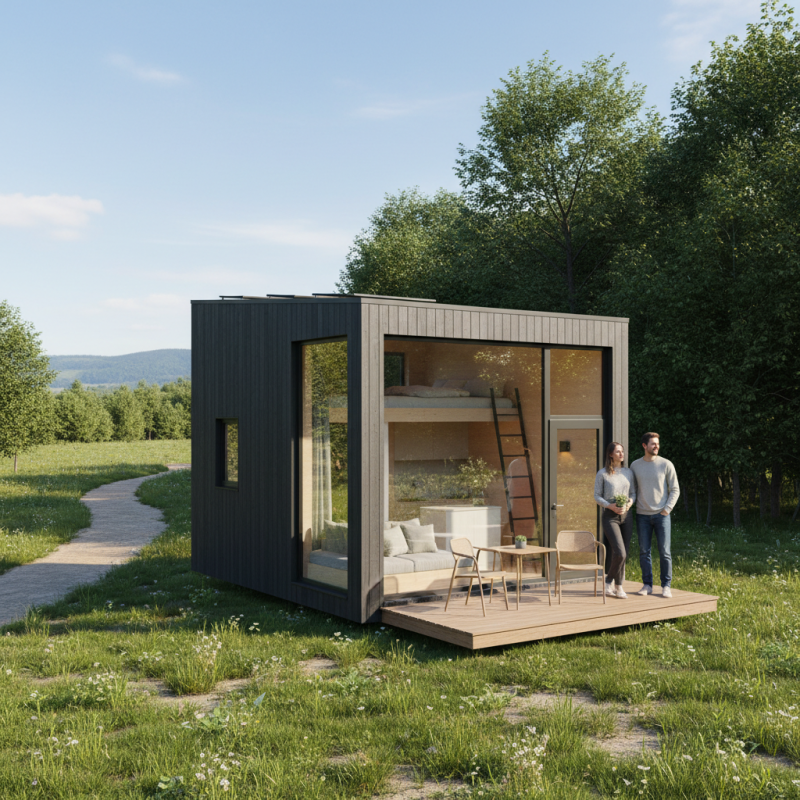
What Are Prefab Tiny Homes? An Overview of the Concept
Prefab tiny homes have gained popularity in recent years. These homes are prefabricated in a factory and then transported to a specific location. This process significantly reduces construction time and cost, making them an attractive option for budget-conscious individuals. The concept promotes minimalistic living, encouraging people to downsize and reduce their environmental footprint.
Living in a tiny home can simplify life. However, it is essential to remember that space is limited. Organizing belongings and maximizing storage becomes crucial. A thoughtful design can make a small space feel larger and more functional. Use multi-purpose furniture to minimize clutter and maintain openness.
Tips: Consider purchasing foldable or convertible furniture. This helps create versatile spaces. Also, avoid impulse buying. Prioritize what you truly need. Reflect on your lifestyle choices; living in a tiny home often requires sacrifices. Embrace the challenge of reducing possessions while gaining freedom and flexibility.
The Economic Advantages of Choosing Prefab Tiny Homes
Prefab tiny homes are gaining popularity as a solution for affordable living. Their economic advantages are clear. Reports indicate that the average cost of building a conventional home has surged past $300,000. In contrast, Prefab Tiny Homes Under K offer a striking alternative that appeals to budget-conscious buyers.
The efficiency of prefab construction can save significant time and labor costs. A recent study shows that Prefab Homes can be built in half the time compared to traditional methods. This quick turnaround means lower construction expenses and reduced financial strain. Moreover, smaller spaces typically lead to lower utility bills. Energy-efficient designs help homeowners save on heating and cooling.
However, one must consider the trade-offs. Living in a tiny home means less space for personal belongings. Storage solutions become essential but can be challenging to design. Additionally, zoning laws and land issues can complicate placement. Potential owners should research local regulations before deciding. While the benefits are enticing, careful consideration is crucial.
Environmental Benefits of Living in a Tiny Home
Living in a tiny home offers numerous environmental benefits. These compact spaces use fewer materials during construction. This reduces waste and keeps natural resources intact. Moreover, the energy efficiency of tiny homes is impressive. Less space means less energy needed for heating or cooling. Proper insulation can further save energy in such homes.
The impact on the environment extends beyond construction. Fewer resources consumed lead to lower carbon footprints. Many choose OEM Prefab Tiny Homes because they often utilize sustainable materials. Solar panels are a popular addition, harnessing clean energy from the sun. This reduces reliance on non-renewable resources, promoting a healthier planet.
However, living small isn't without challenges. Adjusting to limited space can be difficult. Storage solutions must be carefully planned. Surprising clutter can accumulate in tiny homes. Reflecting on individual needs is key to successfully embracing this lifestyle. Prioritizing essential items fosters a mindful living approach.
Environmental Benefits of Living in a Tiny Home
Customization Options for Prefab Tiny Homes
Prefab tiny homes offer unique customization options. These homes are designed to cater to individual needs. You can modify everything, from layout to finishing touches. This allows homeowners to create a space that truly feels like their own.
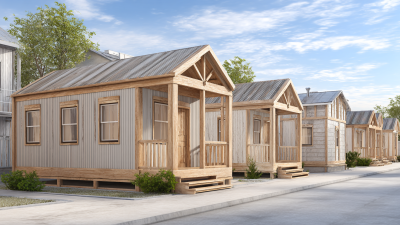
When considering ODM Prefab Tiny Homes, flexibility is a key advantage. You might choose a minimalist design with open spaces or a cozy layout with defined rooms. The exterior finishes can vary as well, from wood siding to modern metal cladding. Each option provides a chance for personal expression, making your home stand out.
However, customization also has its challenges. It can be overwhelming to make countless choices. Sometimes, the perfect design can exceed your budget. Reflecting on what truly matters in your new home can help streamline decisions. Prioritizing functionality over aesthetics might lead to a more satisfying outcome.
Why Choose Prefab Tiny Homes for Affordable Living? - Customization Options for Prefab Tiny Homes
| Feature | Description | Benefits |
| Cost Efficiency | Prefab tiny homes are generally more affordable than traditional homes. | Lower mortgage and utility costs, making home ownership accessible. |
| Customization | Options for layout, finishes, and features tailored to individual preferences. | Personalized living space that reflects the owner’s personality and needs. |
| Sustainability | Many prefab tiny homes are built with eco-friendly materials and energy-efficient systems. | Reduced carbon footprint and lower environmental impact. |
| Quick Construction | Prefab homes can be assembled quickly on-site since they are pre-manufactured. | Less time waiting for construction, enabling faster occupancy. |
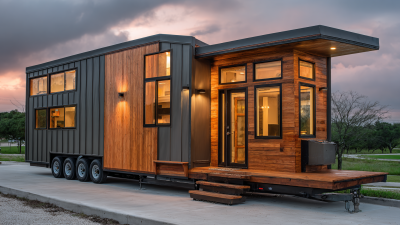
| Mobility | Some tiny homes are designed on trailers for easy relocation. | Flexibility in location and lifestyle changes. |
Mobility and Location Flexibility of Tiny Homes
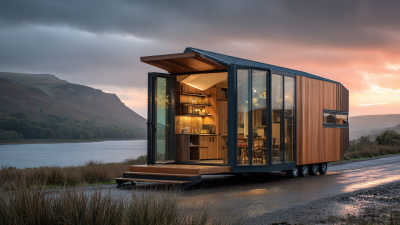
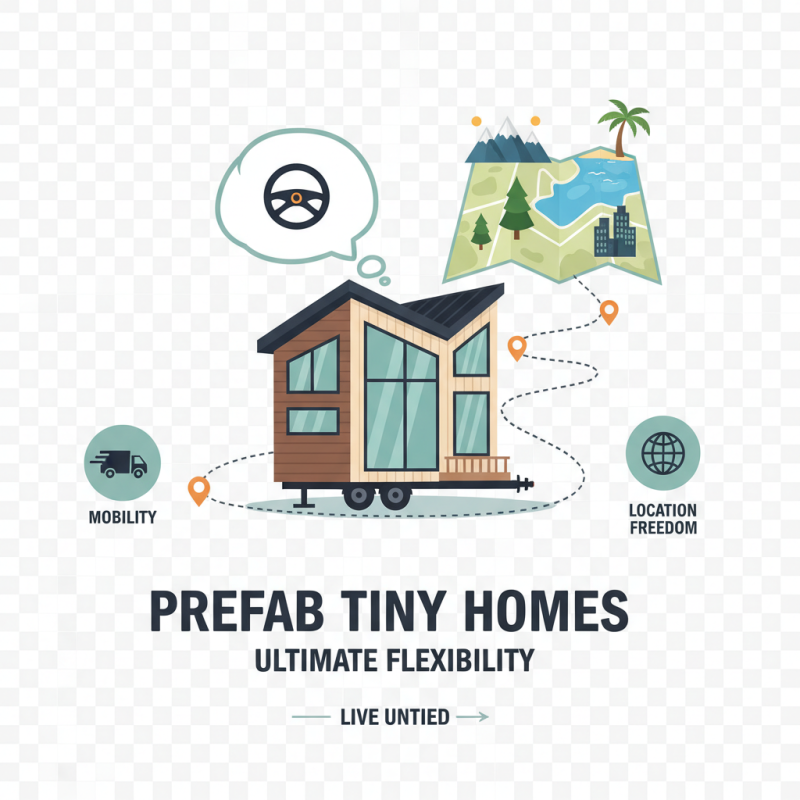
Prefab tiny homes offer a unique advantage when it comes to mobility and location flexibility. Many people dream of living a life less tied to one place. Tiny homes make this dream possible. Imagine loading everything into your compact space and hitting the open road. It sounds appealing. But it can also be daunting.
Having the ability to relocate on a whim allows for exciting adventures. You can follow the seasons or seek out new landscapes. Need a change of scenery? Why not move your home to the mountains or by the beach? However, frequent moving can be a logistical challenge. Finding the right spot, ensuring utility hookups, and adjusting to new environments requires effort and planning.
Living in a tiny home means embracing simplicity, which is rewarding but not always easy. You’ll have to adapt to smaller spaces, often making sacrifices. Maybe you’ll miss the comfort of a larger kitchen or a garden. But what you gain is freedom. The choice to live anywhere you desire is powerful. Yet, this freedom also asks for personal reflection on what truly matters in life.
Comparing Prefab Tiny Homes to Traditional Housing
Prefab tiny homes are rapidly gaining attention as viable alternatives to traditional housing. These compact structures often come with lower costs, allowing many to enter the housing market. A typical tiny home may range from 100 to 400 square feet. This makes them easier to construct and maintain. In contrast, traditional homes usually require larger budgets and more extensive upkeep.
While prefab tiny homes offer affordability, they do present challenges. Space is limited, which can lead to clutter if not managed. Some individuals find it difficult to downsize their belongings. However, the simplicity of living in a tiny home encourages more mindful consumption. Additionally, many tiny homes are designed with sustainability in mind. They often utilize eco-friendly materials and energy-efficient systems.
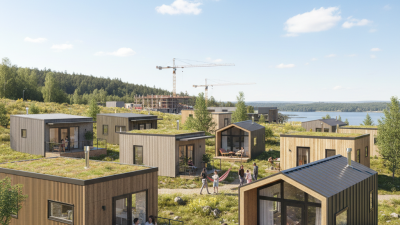
Traditional houses usually provide more privacy and space for families. They often have yards and a sense of community. Meanwhile, tiny homes may lack that conventional neighborhood feel. This can make some feel isolated. However, tiny home communities are emerging, promoting a sense of camaraderie among residents. Living small can lead to intentional connections, boosting social interactions.
Common Misconceptions About Tiny Home Living
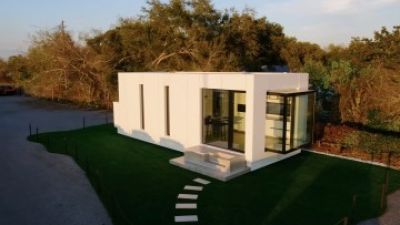
Tiny home living often faces misconceptions. Many believe that these homes lack comfort and style. However, High-Quality Prefab Tiny Homes can offer both efficiency and aesthetics. They may seem small, but clever designs maximize every inch. Cozy nooks and multifunctional furniture create a warm and inviting space.
Another common myth is that tiny homes are impractical. People worry about storage and limited space. In reality, minimalism promotes a simpler, clutter-free life. You can find smart storage solutions like under-bed compartments. These homes encourage intentional living, but you may need to rethink belongings. It’s a challenge, but it leads to reflection on what truly matters.
Some doubt the durability of prefab homes. Yet, many manufacturers prioritize quality materials. This misconception can deter potential homeowners. Living in a tiny home might seem unorthodox, but it's an opportunity for adventure. It invites a lifestyle change that's both exciting and daunting. Embracing this choice often requires a willingness to let go of conventional norms.
Creating a Cozy Retreat: Designing Your Dream Luxury Tiny House
Creating a cozy retreat in a luxury tiny house involves thoughtful design choices that prioritize comfort and accessibility. A key element in ensuring a welcoming atmosphere is the inclusion of accessible amenities, particularly when it comes to essential facilities like restrooms. By incorporating spacious and well-equipped portable restrooms, you can enhance the usability of your tiny house, making it a more inviting space for guests of all abilities. Features such as sturdy handrails and generous interior space not only cater to accessibility needs but also promote a sense of safety and ease.
Moreover, the materials used in these restroom designs play a crucial role in the overall experience. High-quality, durable materials ensure that the facilities are not only easy to maintain but also withstand the rigors of various settings, from intimate gatherings to larger outdoor events. Emphasizing inclusivity in your design further fosters a relaxing retreat atmosphere, ensuring that every guest feels comfortable and cared for. By blending functionality with style, you can create a luxury tiny house that truly stands out as an oasis of comfort and accessibility.
FAQS
: Tiny homes use fewer materials, reducing waste and conserving resources. They also require less energy for heating and cooling.
They consume fewer resources, leading to lower carbon footprints. Energy-efficient designs further minimize environmental impact.
Limited space can lead to clutter, making organization crucial. Residents may struggle with downsizing their belongings.
The simplicity of tiny living promotes thoughtful purchasing. Individuals must prioritize essential items, reducing unnecessary clutter.
Many prefab tiny homes are built with quality materials. Concerns about durability are often based on misconceptions.
Tiny home communities are emerging, fostering connections among residents. While privacy may be limited, social interactions can increase.
Yes, clever designs can maximize space. Multifunctional furniture and cozy setups enhance both comfort and aesthetics.
While it may initially seem impractical, tiny living promotes a simpler life. It requires rethinking storage and belongings.
Tiny homes are more affordable and easier to maintain. Traditional houses usually offer more space and privacy.
People often think tiny homes lack comfort or style. In reality, they can be efficient and inviting with smart design choices.
Conclusion
Prefab Tiny Homes offer an innovative solution for affordable living, blending comfort and sustainability. These compact dwellings are prefabricated, allowing for quicker construction and often lower costs compared to traditional housing. The economic advantages are significant, including reduced utility bills and maintenance expenses. Additionally, Prefab Tiny Homes promote an eco-friendly lifestyle, minimizing the environmental footprint through efficient use of resources.
Customization is another key feature of Prefab Tiny Homes, enabling homeowners to tailor their living spaces according to personal preferences and needs. Their mobility and location flexibility allow residents to adapt to various environments, making tiny home living appealing for many. While there are common misconceptions about tiny living, such as limited space and amenities, the reality is that these homes can provide versatile and comfortable living options, often surpassing traditional housing in certain aspects.