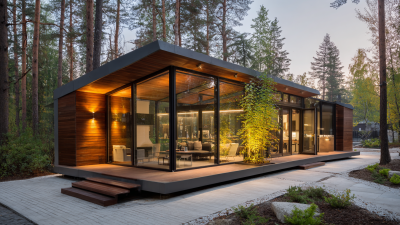
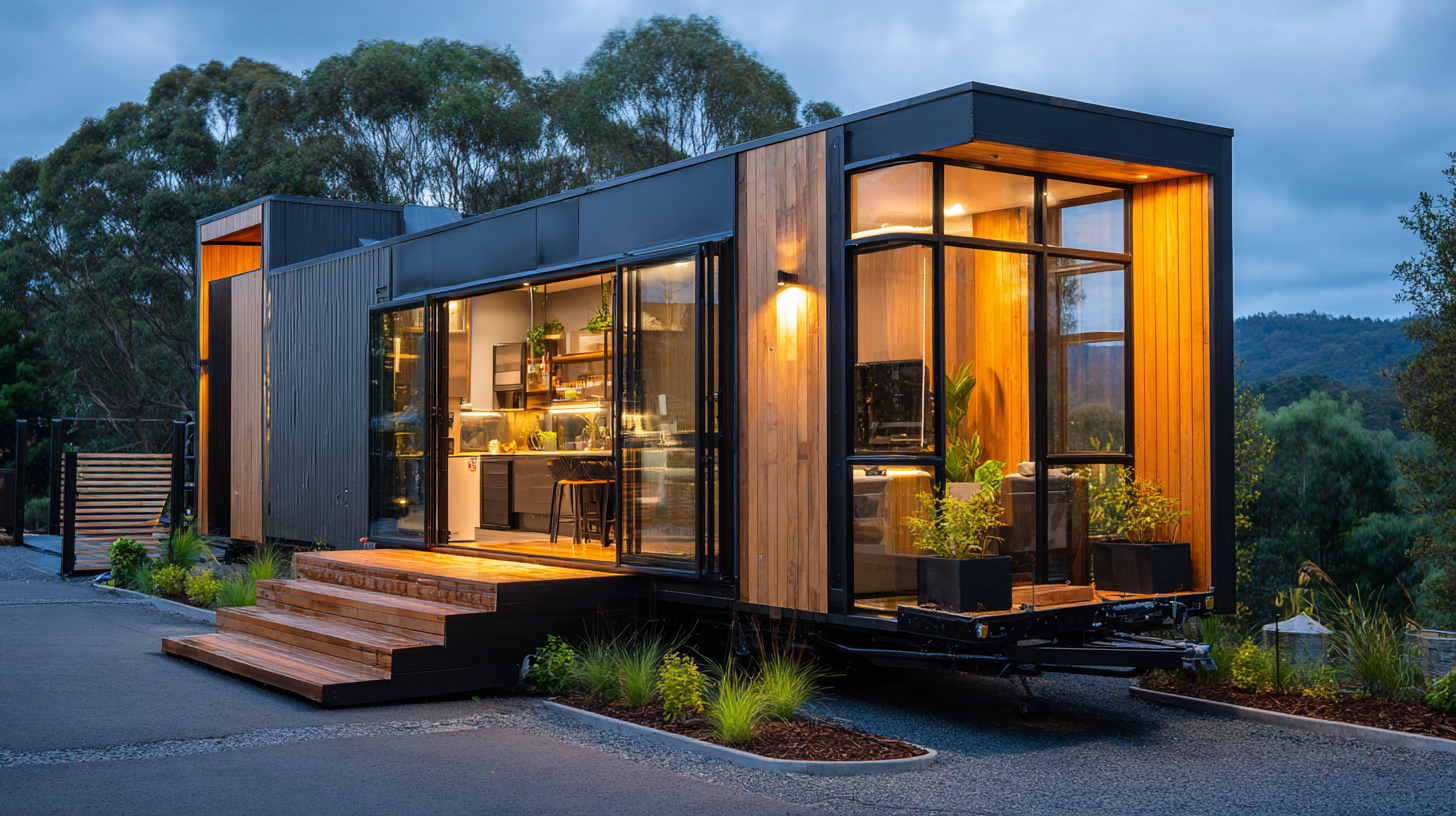
Honestly, the way housing is heading these days is pretty exciting — it's all about innovative and eco-friendly solutions. Mobile Houses, in particular, are really starting to make a mark in this whole shift. I was reading that, according to the International Institute for Sustainable Development, the demand for sustainable homes has been climbing fast — like, they’re predicting a 25% jumpin mobile and Prefab Homes by 2025. Our company,Nantong Huasha Movable House Co., Ltd., which has been around since 2005, is right there in the thick of it. We’re pretty diverse — from Container Homes to expandable models and light steel structures. What’s nice is that we don’t just make the houses; we help with everything —picking the right site, designing, producing, installing, and even giving technical advice. It’s really about meeting that rising need for flexible, eco-friendly living spaces and staying in tune with global trends. With urban areas growing faster than ever, these movable homes are becoming more crucial than ever, and we're excited to be part of shaping the future of sustainable housing.
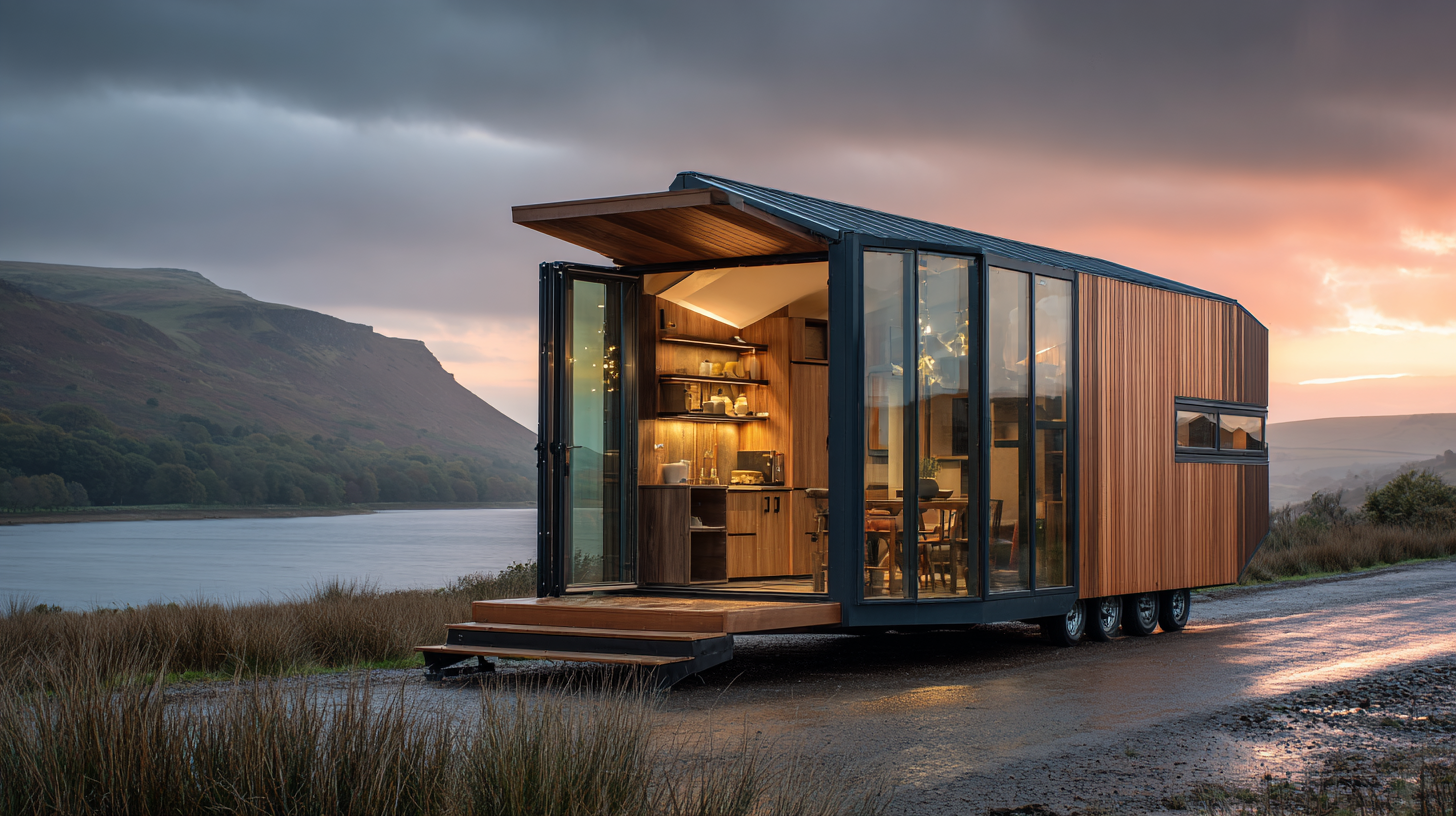
Understanding the Concept of Tiny Living: Benefits and Necessities
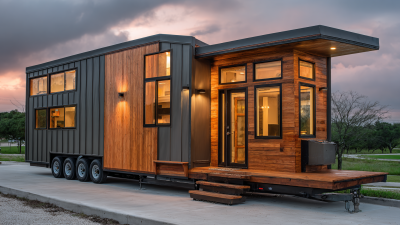
You know, the idea of tiny living has really started picking up steam lately. People are looking for more sustainable housing options, especially with environmental issues and economic worries on the rise. I read somewhere that according to the Tiny House Society, over 10% of Americans are now thinking about downsizing and moving into smaller homes. It’s like a big shift towards minimalism and caring a bit more about the planet. Usually, these tiny homes are somewhere between 100 and 400 square feet — so they really cut down on the environmental impact compared to regular-sized houses. Plus, they often incorporate eco-friendly stuff like solar panels and smart water systems, which just makes a lot of sense given the current push for sustainable living.
And honestly, the perks of living tiny aren’t just about saving the planet. A study by the National Association of Home Builders found that about 68% of tiny home owners pay significantly less for housing — many spend less than half of what the average person does. That kind of savings gives folks a bit more financial breathing room, so instead of pouring money into a big mansion, they can put it into experiences or adventures. Living minimalistically also means less clutter and more meaningful connections — a lot of tiny house owners seem to be part of tight-knit communities that share resources and support each other. It’s pretty inspiring, really.
The Role of Mobile Houses in Sustainable Housing Solutions
You know, the rise of mobile homes really is making a big splash when it comes to sustainable living options, especially with housing prices just going up all over the place. For many folks, especially the younger generations, owning a traditional home feels more and more out of reach. That’s where portable homes come in—they’re not just trendy, but also practical. These tiny spaces are often budget-friendly and built with eco-friendliness in mind, meaning you can live comfortably without hurting the planet. Think about shipping container homes—they’re a pretty hot choice right now because they combine affordability, flexibility, and a smaller environmental footprint.
When you're thinking about mobile homes, a good tip is to keep an eye on their energy features. For example, look for options that have solar panels or are made from recycled materials—that way, you're really making a sustainable choice.
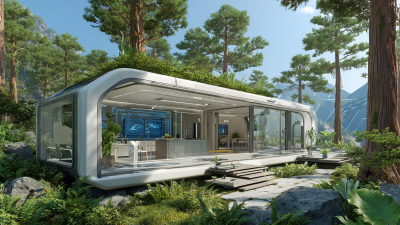
Plus, the tiny home market is set to boom even more, especially with tech advancements like AI opening up all sorts of new design and functionality possibilities. We've seen some pretty cool innovations lately, like 3D printed mobile homes and solar-powered models. It’s pretty exciting to see how technology is making these homes better and encouraging a more minimalist lifestyle.
And it's not just about saving money and being eco-friendly—mobile homes are also playing a crucial role in disaster recovery efforts, proving they’re not just a passing trend but a real solution to urgent housing needs.
A little tip: embracing small living can be a game-changer. Try decluttering your space, focusing on what you really need, and using multi-purpose furniture to get the most out of every square inch. It’s all about making small spaces work for you.
Designing Efficient Spaces: Tips for Tiny House Layouts
Lately, tiny living has really been picking up speed. More folks are looking for sustainable ways to house themselves, and mobile homes—like those made by Nantong Huasha Movable House Co., Ltd.—are becoming pretty popular because they’re so flexible in design and really practical. They focus on making smart use of space, so these movable homes can fit into all sorts of environments. Honestly, they’re a great option for anyone living a modern, on-the-go lifestyle.
When you’re planning out a tiny house, it’s a good idea to include multi-purpose furniture—stuff that can do double duty. For instance, a dining table that can also work as a desk is super handy—it saves space without sacrificing functionality. And don’t forget about vertical storage, like wall-mounted shelves, which helps keep things tidy and opens up the floor area.
Plus, making the most of natural light by placing windows thoughtfully can really boost both comfort and the feeling of openness. It makes your space seem bigger and creates a cozy ambiance. With Nantong Huasha’s know-how in crafting innovative movable houses, there’s definitely a solution out there that fits your needs — all while encouraging a more sustainable way of living.
Sustainable Materials and Technologies in Tiny House Construction
Lately, there's been a pretty cool shift towards tiny living, and it’s opening up some really innovative ways to build sustainable homes. People are getting creative with eco-friendly materials and tech in tiny house design. Builders are leaning more and more on stuff like reclaimed wood, bamboo, and recycled steel — not only does that cut down on waste, but it also makes the whole building process much greener. And these materials? They’re actually pretty impressive — strong, light, and great at insulating, which is super important when you’re trying to make the most out of a small space.
But it’s not just about what they’re using; tech is a huge part of the game changer too. Things like solar panels, rainwater collection systems, and energy-efficient appliances are really helping these tiny homes shrink their carbon footprint. Plus, with smart home gadgets, folks can keep track of their energy use and make adjustments on the fly. As more people jump on the tiny house bandwagon, it’s pretty inspiring to see how dedicated they are to sustainability — honestly, this could be a sneak peek into what the future of housing might look like, encouraging more minimalism alongside caring for the planet.
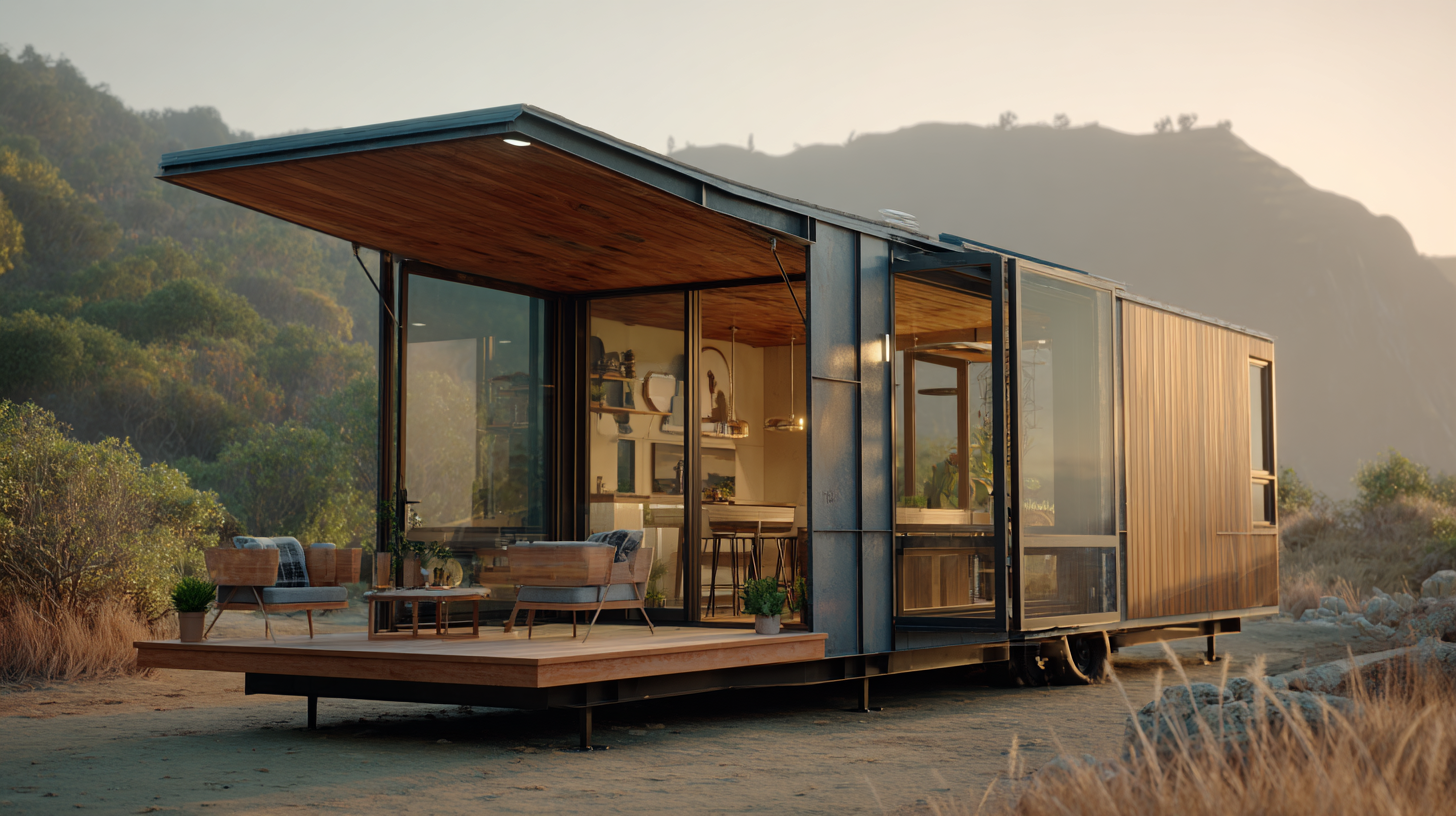
Navigating Legalities and Regulations for Mobile Homes
As more folks are jumping into mobile living, it’s really important to get a good grip on the legal stuff that comes with it. You know, figuring out local zoning laws, building codes, and all those regulations for mobile homes can be a bit tricky—especially because rules can differ a lot depending on where you are. So, if you're thinking about going the mobile route, it's pretty much a must to do your homework first, to avoid any surprises down the line.
And just like how laws are cracking down on using your phone for GPS while driving, there’s also a bunch of rules around mobile homes that you need to be aware of to stay on the safe side. As more cities start adjusting their laws to better support people living on the go, it’s really a good idea to stay in the loop with any local ordinances—things that could impact land use, utilities, or permits. Knowing these rules inside and out can actually make your transition into mobile living way smoother, helping you build something that's not only legal but also sustainable and eco-friendly. It’s all about making this lifestyle work for you without hassles, you know?
Community Living and Social Impact of Tiny House Movement
You know, the tiny house movement is really picking up steam lately. More and more communities are exploring sustainable living options that not only save the planet but also encourage neighbors to connect and share. With housing costs skyrocketing these days, lots of folks are turning to mobile homes as a practical, affordable alternative. Interestingly, a report from the American Tiny House Association shows that over 10% of tiny house owners have, at some point, shared their space with others. It’s pretty clear that community vibes are a big part of this movement. These little homes don’t just shrink your carbon footprint—they also foster a lifestyle centered on collaboration, sharing resources, and building bonds with those around you.
At Nantong Huasha Movable House Co., Ltd., we've been doing our thing since 2005, focusing on innovative housing options like container homes, expandable units, and lightweight steel structures. But we don’t just stop at building — we’re big on supporting the whole process, from picking the right site, designing your home, right down to installation. That’s super important because it helps create communities where people can live, work, and hang out together, making neighborhoods stronger and more connected.
If you’re thinking about jumping into the tiny house scene, my advice? Do a bit of homework first—look into local zoning laws and community rules. It’s smart to make sure your tiny home plans fit within what your area allows. The more you understand and respect local regulations, and get to know your neighbors, the more rewarding and connected your living experience will be. It’s all about finding that balance and making the most of tiny living!
Innovative Two Bedroom Australia Prefab Container House Plans: Design, Benefits, and Construction Tips
Innovative Two Bedroom Australia Prefab Container House Plans: Design, Benefits, and Construction Tips
The growing popularity of prefab container homes in Australia is a testament to their innovative designs and numerous benefits. These homes offer an efficient solution to affordable housing without compromising quality or aesthetic appeal. As highlighted in various industry reports, such as those from the Australian Housing and Urban Research Institute, the demand for sustainable living spaces is on the rise, with prefab construction contributing to reduced waste and faster build times. The use of containers allows for a customizable living experience, where layouts can be tailored to individual needs, including open-plan living rooms, functional kitchens, and versatile outdoor spaces.
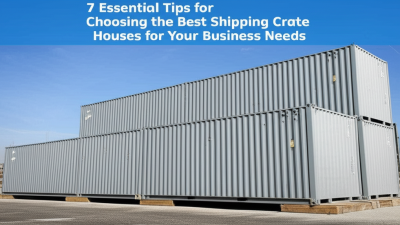
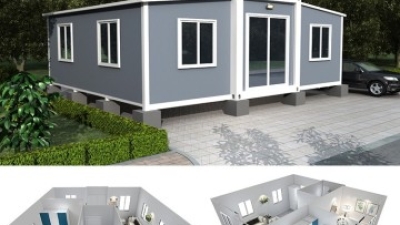
A notable example of this design innovation is demonstrated in the gray prefab house from Nantong Huasha, which effectively showcases 20 years of expertise in combining functionality with modern living. It offers an initial set of empty rooms that can be transformed according to the homeowner's vision—whether it be for a cozy kitchen, inviting bathroom, or relaxing balcony. The selection of quality materials and thoughtful beautification of the exterior walls not only enhances the home’s appeal but also ensures durability against the Australian climate. According to the Prefab Housing Report 2022, homes like these can decrease construction time by up to 40%, which significantly benefits both builders and buyers alike.
Incorporating the latest trends in prefab design, such as eco-friendly materials and energy-efficient systems, further amplifies the appeal of two-bedroom container houses. As stated by the Green Building Council of Australia, these homes can dramatically lower energy consumption, making them a smart choice for environmentally-conscious consumers. By integrating unique architectural styles and sustainable features, homeowners can enjoy a space that is not only aesthetically pleasing but also aligned with modern sustainability practices. This fusion of design, efficiency, and environmental responsibility is what makes prefab container homes a compelling option in the Australian housing market.
FAQS
: Mobile houses are portable homes that offer affordable and eco-friendly living spaces, playing a crucial role in sustainable housing solutions as traditional homeownership becomes less accessible.
Builders often use renewable resources like reclaimed wood, bamboo, and recycled steel, which reduce waste and minimize environmental impact while providing efficiency in compact living spaces.
Technology enhances sustainability through the incorporation of solar panels, rainwater harvesting systems, energy-efficient appliances, and smart home technologies that optimize energy consumption.
The tiny house market is expected to grow significantly, driven by advancements in technology and increasing interest in minimalist lifestyles.
Community living promotes social interaction, collaboration, and sharing of resources, fostering a sense of connection among residents while reducing individual carbon footprints.
Individuals should research their area's zoning laws and community resources to ensure their tiny living solution aligns with local regulations and encourages harmonious living.
Nantong Huasha Movable House Co., Ltd. specializes in container houses, expandable houses, and light steel structures while providing comprehensive services such as site selection, design, and installation.
To maximize space, focus on decluttering, keeping only essential items, and consider multi-functional furniture that enhances efficiency in small living areas.
Mobile houses provide flexible and immediate housing solutions in disaster recovery scenarios, showcasing their viability in addressing urgent housing challenges.
The tiny house movement encourages a minimalist lifestyle, helping individuals embrace simpler living while reducing their environmental impact and promoting sustainability.
Conclusion
You know, I came across this really interesting article called "Exploring the Future of Tiny Living: The Rise of Mobile Houses in Sustainable Housing Solutions." It dives into why tiny living is becoming such a big deal these days—talking about all the benefits and why it’s needed now more than ever. Mobile houses are actually a pretty big part of this trend, offering flexible, eco-friendly options that fit well with our shifting environmental and social needs. The article covers stuff like smart tips for making the most of tiny spaces, using sustainable materials in building, and the legal stuff you need to understand if you’re thinking about jumping into tiny home living. Honestly, that’s some pretty useful info for anyone considering making the switch.
What’s really cool is how the article touches on tiny house communities and the social side of things. It kind of paints a picture of a tight-knit group of folks who share a sense of belonging and teamwork. Plus, companies like Nantong Huasha Movable House Co., Ltd. are leading the charge with innovative mobile home solutions. Looks like the future of tiny living isn’t just bright—it’s exciting, especially as it lines up with sustainability and adaptability. Pretty inspiring stuff, really.