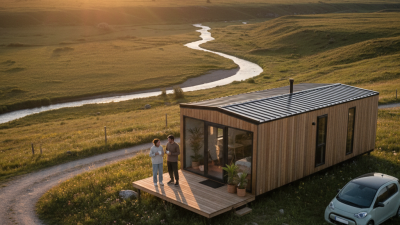
Hey, have you noticed how more people around the world are getting interested in affordable housing options? Well, in China, Mobile Homes are really starting to pick up steam. According to a report from Statista, the market for mobile homes there could hit a whopping $5 billion by 2025! That’s pretty big, and honestly, it shows that more folks—from international buyers to locals—are looking for sustainable and flexible living options. You know, the tiny home movement? It’s pretty much on the rise globally, reflecting a shift towards minimalism and practical efficiency.
Major companies like Nanjing Jinsheng and Zhejiang Yueling are jumping into the game, coming up with some pretty innovative designs now. They’re focusing on making these homes versatile and energy-efficient—definitely a win for eco-conscious folks out there. But, no lie, there are some not-so-easy parts too, like dealing with regulations and making sure quality stays consistent across different folks making these homes. Plus, China’s a big country with lots of cultural and regional differences, so what works in one area might not in another.
If you’re thinking about buying one, just a heads-up: do your homework! It’s super important to look into the reputation of the companies and check the quality of their products. The market’s definitely evolving, and while it can seem a little complicated, the demand for mobile homes looks pretty promising. Taking the time to understand the local scene and connecting with trusted providers can really pay off in the long run. It’s an exciting time for this industry, for sure!
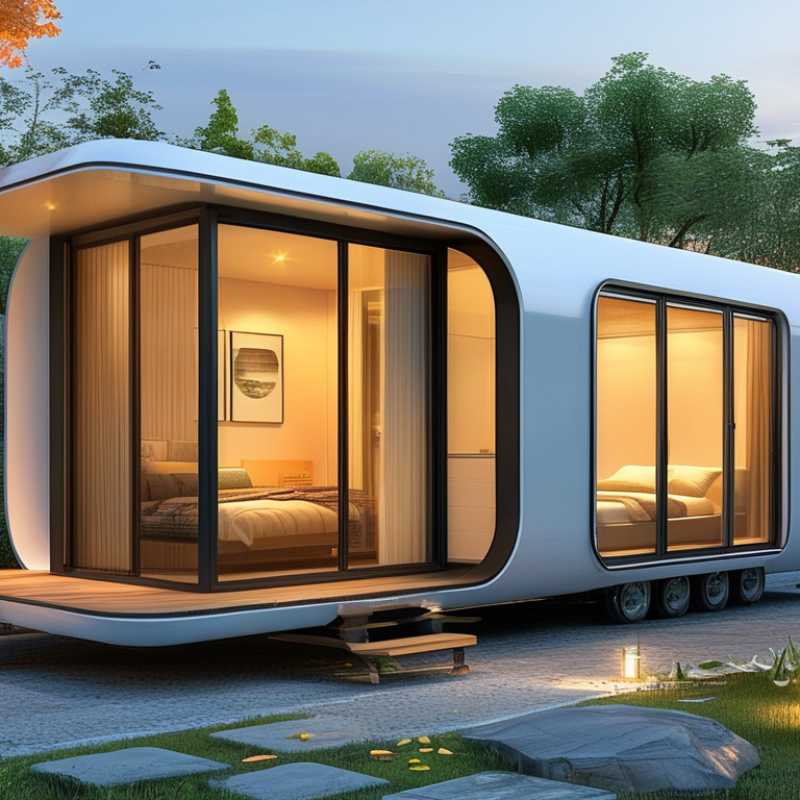
Overview of Mobile Homes in China for Global Buyers
Mobile homes are becoming an attractive option for global buyers in China. The increasing demand for affordable housing has driven a rise in this sector. According to a recent report from the ChinA Mobile Home Association, production of mobile homes has grown by 15% annually over the past five years. This growth is fueled by urbanization and a shift in lifestyle preferences among younger buyers.
These homes often provide cost-effective solutions compared to traditional housing. Many units can be customized to suit individual needs. Despite these advantages, there are challenges to consider. Land use regulations can be complex and vary by region. Infrastructure may also lag behind, impacting accessibility and convenience. In some areas, mobile homes are not yet widely accepted, leading to potential community resistance.
Globally, mobile homes represent a versatile housing solution. In China, they symbolize a blend of innovation and practicality. Despite the growth, buyers should thoroughly research local regulations and community sentiments before investing. Understanding these nuances is crucial for a successful purchase in this evolving market.
Key Features of Mobile Homes in the Chinese Market
Mobile homes in China offer unique features that appeal to global buyers. Many options focus on energy efficiency, which is crucial in today's market. Homeowners often prefer materials that minimize environmental impact. The use of sustainable materials not only helps the planet but also supports local economies.
Compact design is another key feature. Many mobile homes maximize space without sacrificing comfort. Creative layouts are common, giving homeowners flexibility. However, buyers should consider storage solutions carefully, as space can be limited. Some designs may not accommodate all needs.
Quality varies significantly across the market, which is vital to understand. Prospective buyers should inspect homes closely to ensure they meet standards. Structural integrity and durability are essential, especially in varying climates. Individuals may need to look beyond aesthetics to find homes that truly fit their requirements. In the end, thorough research and careful consideration are necessary steps for making informed choices.
Popular Types of Mobile Homes Available in China
Mobile homes in China offer diverse options for global buyers. Various types cater to different needs. One popular option is the OEM Tiny Home Mobile Home. These units are compact yet functional, ideal for urban living. They often include essential amenities like a small kitchen, bathroom, and sleeping areas. The design opts for efficiency, balancing space and comfort.
Another type is the modular mobile home. These homes are built in sections and assembled on-site. This process allows for customization and quick installation. Potential buyers appreciate the modern aesthetics and flexible designs. However, the durability of materials can be a concern, making it essential to choose wisely.
When exploring these options, buyers should consider local regulations and the availability of land. Investing in mobile homes may require additional research. Understanding these factors can enhance the buying experience. Balancing affordability and quality is crucial in making the right choice.
Understanding the Pricing and Cost Factors for Mobile Homes
When exploring the mobile home market in China, understanding pricing is crucial. Mobile homes can vary widely in cost, influenced by materials and features. A basic model might start under the equivalent of $10,000, while fully customized options can exceed $30,000. Buyers should consider this range based on their budget and desired amenities.
Factors affecting pricing include location, size, and interior finishes. Homes in urban areas are often pricier due to land costs. A mobile home with upgraded insulation or eco-friendly materials may have a higher initial cost, but it can lead to long-term savings. It’s essential to evaluate trade-offs when making a decision.
While the market offers many options, availability can fluctuate. Not all features are accessible everywhere. Some buyers face challenges in understanding local regulations and standards. These gaps in knowledge can lead to unintended pitfalls. Engaging with local experts is vital to navigate these complexities.
Legal Regulations for Foreign Buyers of Mobile Homes in China
Navigating the legal landscape for foreign buyers of mobile homes in China can be complex. Though regulations vary by region, national policies generally favor domestic buyers. A study by the China Housing and Urban-Rural Development Ministry indicates that non-residents may face restrictions on property ownership. Legal hurdles can lead to confusion, especially for those eager to invest in ODM Tiny Home Mobile Home options.
It's important to note that many regions in China require a residency permit for property transactions. This may discourage some foreign investors. Additionally, purchasing land directly is often prohibited, meaning buyers can only acquire the rights to use land for a set period. According to a report by Statista, demand for mobile homes is significantly rising, with forecasts suggesting a market growth rate of over 10% annually. However, understanding these regulations is crucial for potential buyers to avoid costly mistakes.
Foreign buyers must also consider local taxation laws. These taxes can significantly impact overall investment costs. Moreover, language barriers may complicate communication with local authorities. Engaging a local expert can mitigate some risks. However, challenges remain, emphasizing the need for thorough research and reflection before making a commitment to an ODM Tiny Home Mobile Home in China.
Top Mobile Home Options in China for Global Buyers
| Option | Price Range (USD) | Size (sq ft) | Amenities | Legal Regulations |
| Standard Model | $25,000 - $35,000 | 400 - 500 | Basic kitchen, bathroom | Foreigners can buy with a local partner |
| Luxury Model | $50,000 - $70,000 | 600 - 800 | High-end kitchen, multiple rooms | Property ownership limited to 70 years |
| Eco-Friendly Model | $30,000 - $45,000 | 500 - 650 | Solar panels, green materials | Must comply with local environmental regulations |
| Compact Model | $15,000 - $20,000 | 300 - 350 | Basic amenities, space-saving design | Easier for foreigners with limited budgets |
Tips for Choosing the Right Mobile Home in China
When considering a mobile home in China, various factors demand attention. The landscape of mobile homes is diverse, yet quality varies significantly. A critical step is assessing the builder’s reputation. Check for reviews and past projects. Engaging with local communities can provide insights into reliable manufacturers.
Here are some essential tips. Focus on materials used. High-Quality Tiny Home Mobile Homes feature durable, sustainable materials. This ensures longevity and comfort. Ask about insulation standards to stay cozy in various climates. Explore layout options that fit your lifestyle. A well-thought-out design maximizes space and functionality.
Do not overlook local regulations. Different regions have different laws regarding mobile home ownership. Understand zoning requirements before making a purchase. This can prevent future legal hassles. Lastly, reflect on your long-term plans. Consider how a mobile home fits into your future. Are you seeking a temporary getaway or a permanent residence?
Future Trends in the Chinese Mobile Home Industry for Buyers
The future of the mobile home industry in China is evolving rapidly. Emphasizing affordability, many new models of Cheap Tiny Home Mobile Home are gaining popularity among global buyers. Innovative design elements and sustainable materials are becoming standard. Manufacturers are now focusing on compact living spaces that maximize functionality while reducing costs. This approach resonates with urban dwellers seeking affordable housing solutions.
Trends also show a growing interest in customizations. Buyers want flexible layouts that suit their lifestyles. As a result, manufacturers are experimenting with modular designs. This allows for easy upgrades and personal touches. Environmental consciousness drives much of this demand; buyers want energy-efficient homes. However, challenges remain. Not all manufacturers can ensure consistent quality. Some models may fall short of durability and livability.
The market is also witnessing an increase in digital platforms for purchasing. Buyers can explore diverse options from the comfort of their homes. Yet, navigating these platforms can be overwhelming. Feedback and reviews are essential for buyers to make informed choices. This landscape may shift further as technology advances. Real estate regulations could impact future developments, necessitating ongoing research and adaptation.
Top Mobile Home Options in China for Global Buyers
This chart illustrates the popularity of various mobile home options in China based on the number of online searches. Tiny homes lead the chart, followed by modular and container homes, indicating a growing trend among global buyers interested in alternative housing solutions.
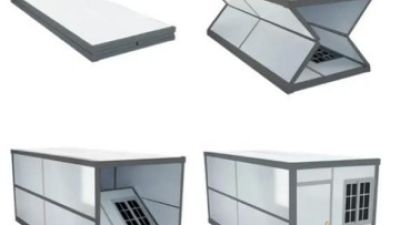
Exploring the Efficiency of X-type Quick Assembled Tiny House Container Homes: Insights from the Latest Industry Reports on Sustainable Living Trends
In the realm of sustainable living, the growing interest in quick-assembled tiny house container homes has gained significant traction, particularly as individuals and families seek eco-friendly housing solutions. Recent industry reports indicate that these innovative homes not only offer affordability but also promote efficient use of space and resources. With the demand for sustainable living increasing, tiny house container homes are becoming a preferred choice, as they can be constructed rapidly and tailored to meet specific needs, including accessibility for those with mobility challenges.
In alignment with the principles of inclusive design, portable restroom solutions are also evolving. These modern restrooms, engineered for accessibility, provide essential facilities that cater to all users, regardless of mobility levels. Data revealing that 1 in 5 people live with some form of disability demonstrates the necessity of incorporating accessible designs in public and private restrooms alike. Events, construction sites, and public facilities increasingly recognize the importance of creating inclusive environments, which contribute positively to community engagement and satisfaction.
The synergy between tiny house living and accessible facilities paves the way for a more sustainable future. As more people embrace tiny homes, the market for supporting infrastructure such as inclusive restrooms will likely expand, reflecting the industry's commitment to fostering spaces that are not only innovative but also welcoming for everyone. The approach of focusing on accessibility within sustainable living trends is pivotal in enhancing quality of life and promoting a culture of inclusivity in housing solutions.
FAQS
: Mobile homes in China focus on energy efficiency and sustainable materials. Compact designs maximize space while maintaining comfort.
Buyers should inspect homes closely for structural integrity and durability. Aesthetics alone are not enough; quality is crucial.
Basic models start under $10,000, while customized options can exceed $30,000. Consider your budget and desired features.
Pricing varies by location, size, and interior finishes. Urban homes tend to be pricier due to land costs.
Yes, regulations can be complex. Foreigners may face restrictions on property ownership and require residency permits.
Regulations vary by region, and understanding them is crucial. Local knowledge can help avoid pitfalls in the buying process.
Local taxation laws can significantly impact investment costs. Be aware of these when evaluating your overall budget.
Local experts can help navigate legal regulations and potential language barriers, reducing risks for foreign buyers.
While creative layouts offer flexibility, storage solutions are essential. Limited space can be a challenge, so plan accordingly.
Researching regulations, understanding costs, and assessing personal needs are vital steps before making a decision.
Conclusion
Mobile homes have gained popularity among global buyers looking for affordable and flexible housing options in China. This article provides an overview of the mobile home market in the country, highlighting its key features, including customization options and mobility. Various types of mobile homes are available, catering to diverse preferences and budgets, while understanding pricing and cost factors is essential for potential buyers.
Additionally, the article addresses the legal regulations governing foreign ownership of mobile homes in China, ensuring that buyers are well-informed. Practical tips for selecting the ideal mobile home are provided, alongside insights into future trends within the industry, indicating a growing acceptance and innovation in mobile living solutions. This comprehensive guide aims to empower global buyers in making informed decisions in the Chinese mobile home market.