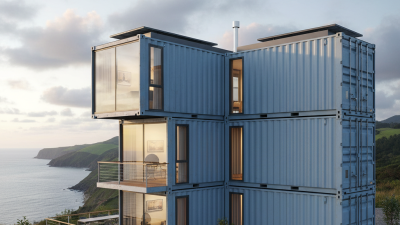
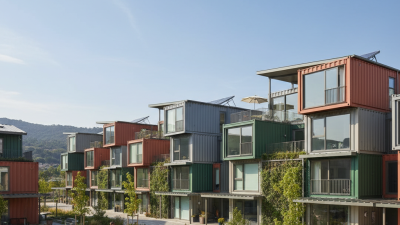
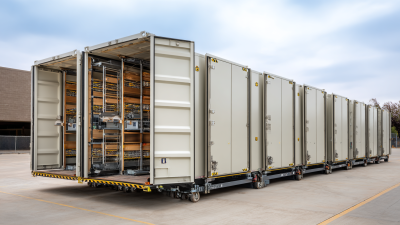
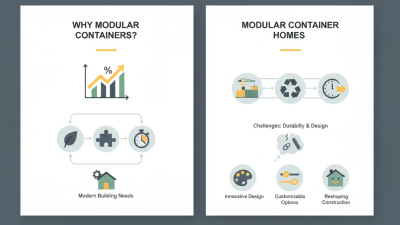
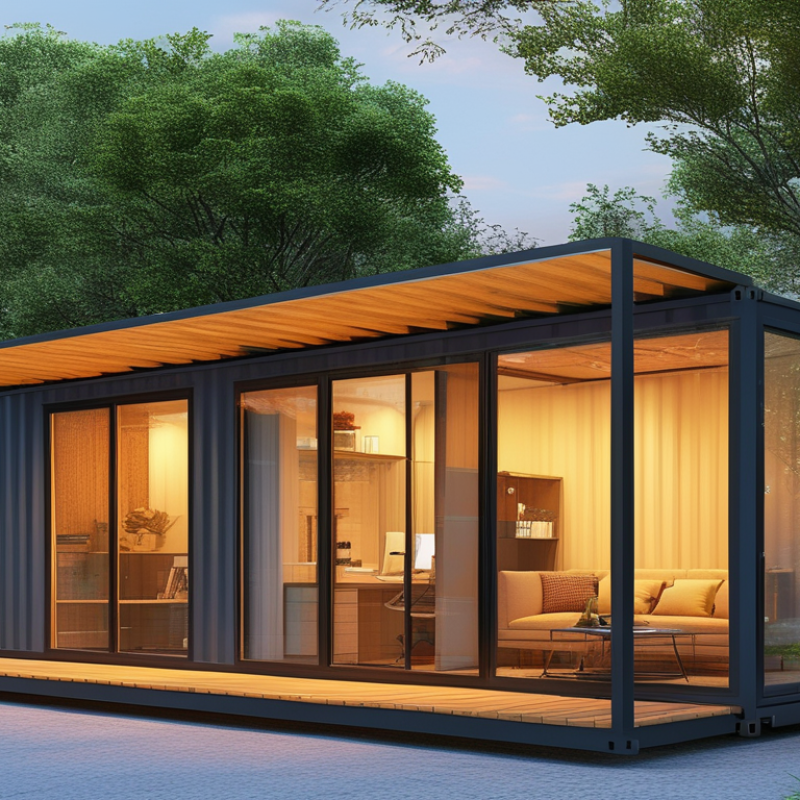
Lately, we've been seeing a big surge in mobile living spaces, and it's pretty exciting! People are really starting to catch on to ideas like Light Steel Containers. You know, according to the Global Prefabricated Building Market report, this market might hit a whopping $600 billion by 2025 — talk about a major shift toward smarter, more efficient living. Light Steel Containers are pretty fascinating because they pack a punch: they're durable, affordable, and eco-friendly, which makes them super appealing for folks looking for modern solutions.
These containers aren’t just tough; they’re versatile too. You can turn them into cozy homes, functional offices, or even pop-up shops — the possibilities are pretty much endless. Have you seen those Steel Container Homes? It’s such a cool trend — shows how adaptable these containers really are. Plus, as Container Home Hub pointed out, building homes from these containers takes less energy during manufacturing and transportation, which is great for the environment. And get this — they can even slash construction costs by up to half compared to traditional building methods.
That said, it’s not all sunshine and rainbows. If you’re thinking about jumping into Container Living, you’ll want to research permits and zoning laws, because it can be a bit tricky to navigate at first. Some folks also find insulation or aesthetics a little challenging, so it’s definitely something to think about. Overall, while Light Steel Containers have a lot going for them, making sure you understand all the pros and cons will help ensure your investment is a good one.
Definition and Overview of Light Steel Containers
Light steel containers are versatile units made from lightweight steel, designed for various applications. They are increasingly used in construction, shipping, and storage. According to industry reports, the global light steel container market is expected to grow by 5.3% annually through 2027.
These containers offer several advantages for buyers. Their durability ensures longevity, making them cost-effective over time. In addition, light steel containers are fire-resistant and can withstand harsh weather conditions, providing security for stored items. They are also environmentally friendly, as they can be recycled at the end of their lifecycle. With the rise in demand for affordable housing, Steel Container Houses have gained popularity, offering efficient and sustainable living solutions.
Tips: When choosing a light steel container, consider insulation options. Proper insulation can improve energy efficiency. Also, ensure you check local regulations on container usage. These factors can greatly affect your investment.
While light steel containers come with many benefits, there are a few drawbacks. The initial investment may be higher compared to traditional storage units. Users should assess the local climate and environmental factors before purchasing. Additionally, finding reliable suppliers can be challenging in some regions.
Key Features of Light Steel Containers
Light steel containers are gaining traction in the logistics sector due to their unique features. Made from galvanized steel, these containers weigh significantly less than traditional options. This reduction in weight can enhance fuel efficiency during transport. According to a report by the International Transport Forum, every 10% decrease in container weight can lead to a 2% reduction in fuel consumption. Buyers benefit financially from the savings on fuel costs.
Durability is another key feature of light steel containers. They withstand harsh weather conditions better than wood or plastic. A study from the Steel Construction Institute highlights that steel containers have a lifespan of over 25 years with proper care. Their strength also reduces the risk of cargo damage. This aspect is crucial for industries that transport fragile items.
However, light steel containers are not without challenges. They may require more initial investment compared to traditional materials. Buyers need to weigh these costs against long-term savings. Additionally, corrosion resistance is vital; steel containers must be coated properly. This requires ongoing maintenance. Potential buyers should consider these factors carefully.
What is Light Steel Container and its Benefits for Buyers? - Key Features of Light Steel Containers
| Feature | Description | Benefits for Buyers |
| Durability | Made from galvanized steel that resists corrosion and wear. | Longer lifespan reduces replacement costs. |
| Weight | Lightweight compared to traditional materials. | Lower transportation costs due to reduced shipping weight. |
| Versatility | Can be used for various applications, including storage and transportation. | Flexible usage options for different business needs. |
| Eco-Friendly | Made from recyclable materials and reduces waste. | Appeals to environmentally conscious buyers. |
| Security | Robust construction provides enhanced security against theft. | Peace of mind knowing goods are well protected. |
Advantages of Using Light Steel Containers for Buyers
Light steel containers are gaining traction among buyers for various compelling reasons. One of the primary advantages is their durability. These containers can withstand harsh weather conditions, ensuring contents remain safe. According to a report by the World Steel Association, steel containers have a lifespan of over 25 years if maintained properly. This longevity appeals to businesses looking for sustainable solutions.
Another key benefit is weight efficiency. Light steel containers are significantly lighter than traditional steel options, making transportation more economical. Companies can save on fuel costs due to reduced weight. A study by the International Maritime Organization indicates that lighter containers can enhance shipping efficiency by up to 15%. This improvement leads to substantial cost reductions, making them an attractive choice for logistics firms.
Cost-effectiveness also arises from their modular design. Light steel containers can be easily stacked and assembled, promoting flexible operational methods. However, one must consider installation challenges when using these structures. Proper site assessment is essential to prevent mishaps. Buyers should weigh these factors against the benefits to ensure a well-informed decision.
Cost-Effectiveness and Affordability of Light Steel Containers
Light steel containers are gaining traction for their cost-effectiveness and affordability. These containers provide a durable solution for various needs, especially in construction and storage. They are designed for strength while remaining lightweight, which translates to lower transportation costs.
One of the key benefits is the material's resilience. Light steel has a long lifespan, making it a favored choice for buyers who want reliability. Its inherent properties allow for easy customization, which can meet specific project requirements. This adaptability can significantly reduce expenses during the planning phase.
Tips: Consider your specific needs before making a decision. Assessing the dimensions, purpose, and insulation requirements can lead to better investments. Remember to factor in potential future uses or modifications. Emphasizing long-term value over initial cost sometimes leads to smarter purchasing decisions.
Purchasing light steel containers can also support the growing trend of Steel Modular Homes. These homes utilize the same materials and principles, making them an economical and efficient choice for sustainable living. The combination of affordability and adaptability makes light steel containers an attractive option for modern buyers looking to optimize their investments.
Benefits of Light Steel Containers
Environmental Benefits of Light Steel Containers
Light steel containers have emerged as an innovative solution in various sectors, especially due to their environmental advantages. These containers are often made from recycled materials and can be recycled themselves at the end of their life cycle. Their production process typically requires less energy compared to traditional building materials. This aspect significantly lowers the carbon footprint associated with manufacturing. Buyers appreciate that these containers contribute to sustainability while serving functional needs.
Using light steel containers can promote environmental responsibility in construction projects. They help reduce waste, as repurposed containers eliminate the need for new materials. Their durability means they can withstand harsh weather conditions, reducing the need for frequent replacements. This longevity leads to fewer resources consumed in the long run. Buyers benefit from reduced maintenance costs and an eco-friendly image.
Tips: When considering light steel containers, think about their adaptability. They can be customized for various uses: from housing to storage. For those exploring options for Prefab Steel Homes, consider how these containers can fit into your design vision. A mindful selection ensures a balance between functional and aesthetic needs in an eco-conscious way.
Applications and Use Cases of Light Steel Containers
Light steel containers offer versatile solutions in various industries. Their robust design makes them suitable for storage and transport. These containers are used in construction sites, warehouses, and even remote work camps. They withstand extreme weather conditions, making them reliable for outdoor use. The steel structure provides security against theft and damage.
In construction, light steel containers serve as site offices or storage units. Workers can easily set them up and repurpose them as needed. They can also be modified for different functions, such as break rooms or tool storage. In retail, these containers are gaining popularity as pop-up shops. Their mobility allows businesses to test new markets quickly.
However, there are challenges to consider. Transportation costs can be high if the distance is significant. Some buyers may struggle with the initial setup costs. Additionally, finding appropriate land for placement can be tricky in urban areas. Despite these challenges, the adaptability of light steel containers makes them an increasingly popular choice across various sectors.
Comparative Analysis with Traditional Container Options
Light steel containers are gaining popularity in the construction and shipping industries. They provide an alternative to traditional shipping containers, which are typically made from heavy steel. A comparative analysis reveals that light steel containers weigh about 30% less, offering cost savings in transportation and fuel efficiency. According to recent industry reports, using these containers can reduce shipping costs by up to 15%. Their lightweight nature also enhances structural design flexibility, making them suitable for Prefabricated Steel Homes.
In contrast, traditional containers can pose challenges due to their weight and rigidity. They may require additional reinforcements in construction projects. Light steel containers are easier to transport and maneuver. They can be quickly converted into livable spaces, which is an attractive feature for many buyers. This adaptability makes them an effective solution for various construction needs.
Tip: When considering container options, focus on the long-term benefits. Evaluating the total cost of ownership can reveal potential savings. Additionally, always consider local regulations regarding container modifications. Being informed can lead to better investment decisions in prefabricated steel homes.
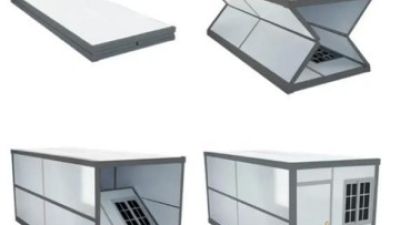
Innovative Living: Exploring the Benefits and Features of the X-type Quick Assembled Tiny House Container Home
The X-type Quick Assembled Tiny House Container Home represents a transformative approach to modern living, merging innovative design with practicality. As urbanization continues to surge, efficient and sustainable housing solutions are more critical than ever. According to recent studies by the World Urbanization Prospects, by 2050, over 68% of the world’s population will reside in urban areas. This shift necessitates not only affordable shelter but also spaces that are adaptable to various lifestyles. The container home design offers a customizable, rapid assembly solution that meets these demands, while also promoting eco-friendly construction practices.
Moreover, the emphasis on accessibility in modern architecture cannot be overstated. The rise of accessible housing solutions supports an inclusive society where individuals with mobility challenges can thrive. Industry reports indicate that nearly 1 in 5 people live with some form of disability. Therefore, incorporating accessible features in housing designs, such as wider doorways and step-free entrances, is essential. This focus aligns with the growing trend of creating spaces that are not just livable, but also welcoming for everyone, regardless of physical ability.
As innovative living continues to evolve, the integration of practical amenities and thoughtful design in tiny house solutions—coupled with a commitment to accessibility—will pave the way for a more inclusive and sustainable future. By prioritizing these elements, we can ensure that urban living does not come at the expense of community and inclusivity, essential pillars for any thriving society.
FAQS
: Light steel containers offer durability and can withstand harsh weather. They last over 25 years with proper maintenance.
Their lighter weight reduces transportation costs, enhancing shipping efficiency by up to 15%. This leads to significant savings.
Yes, they can be easily customized to meet specific requirements, allowing flexibility during project planning.
Assess dimensions, insulation needs, and future modifications. This helps in making informed investments that provide long-term value.
Yes, their durability and lightweight design make them ideal for construction and storage needs.
Proper site assessment is crucial to avoid mishaps during installation. Buyers need to prepare adequately for these challenges.
Their modular design allows for stacking and efficient assembly. This promotes flexible operations and lower overall costs.
Emphasizing long-term savings can lead to better decisions compared to focusing solely on initial costs, which may overlook future uses.
Yes, they align with trends like modular homes, combining affordability and environmental considerations in modern living solutions.
No, thinking long-term can lead to smarter decisions. Initial costs matter, but future flexibility is equally important.
Conclusion
Light Steel Containers are innovative storage solutions constructed from robust steel, designed to offer enhanced durability and versatility. They feature key characteristics such as lightweight design, modularity, and excellent resistance to environmental factors, making them suitable for a variety of applications ranging from transportation to temporary shelters.
For buyers, the advantages of using Light Steel Containers are numerous. These containers are cost-effective, providing significant savings due to their longevity and low maintenance requirements. Additionally, they are environmentally friendly, as they are recyclable and often made from sustainable materials. The comparative analysis with traditional container options highlights their superior performance, ensuring that buyers can benefit from a reliable and efficient solution for their storage and transport needs.