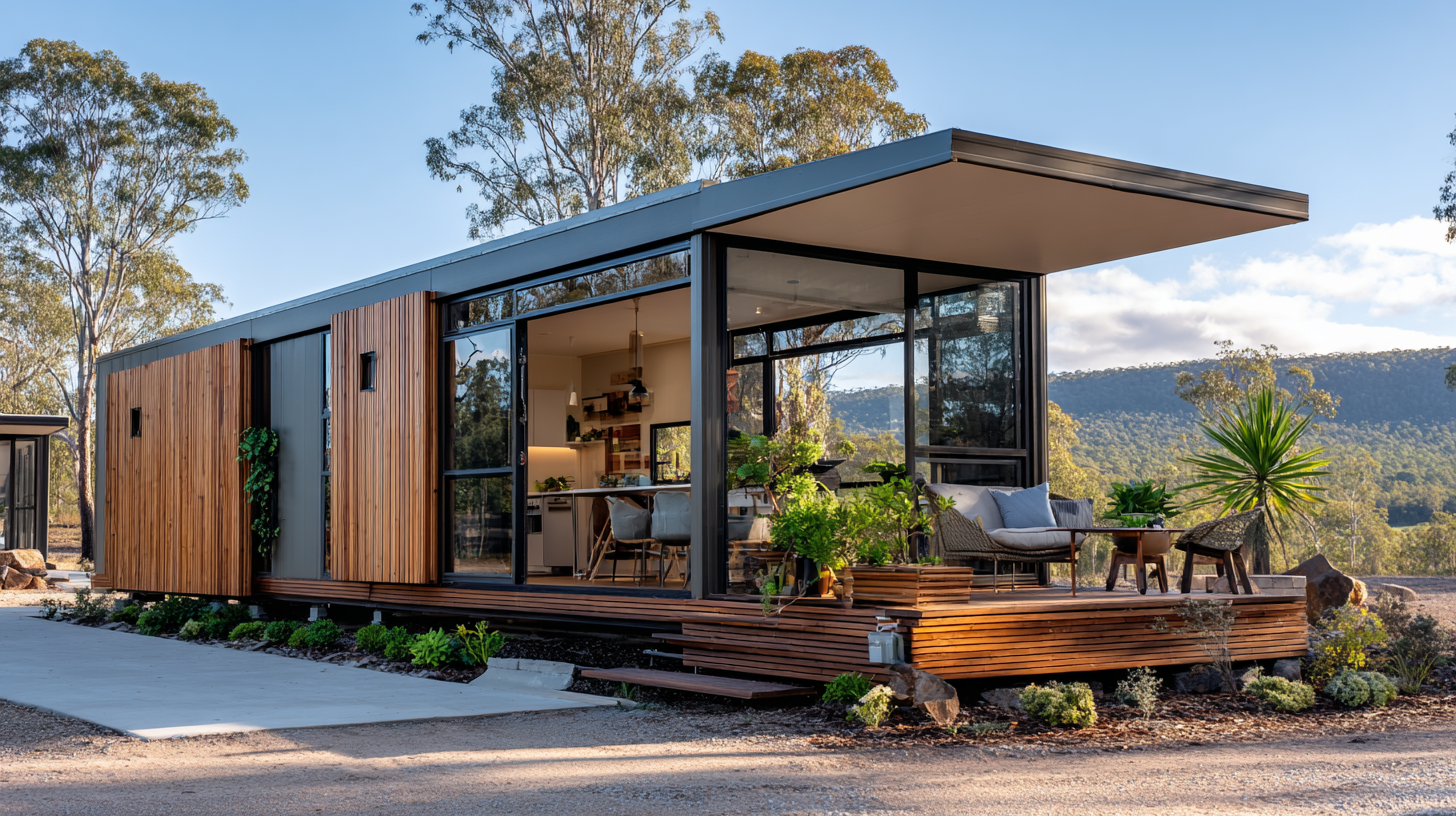
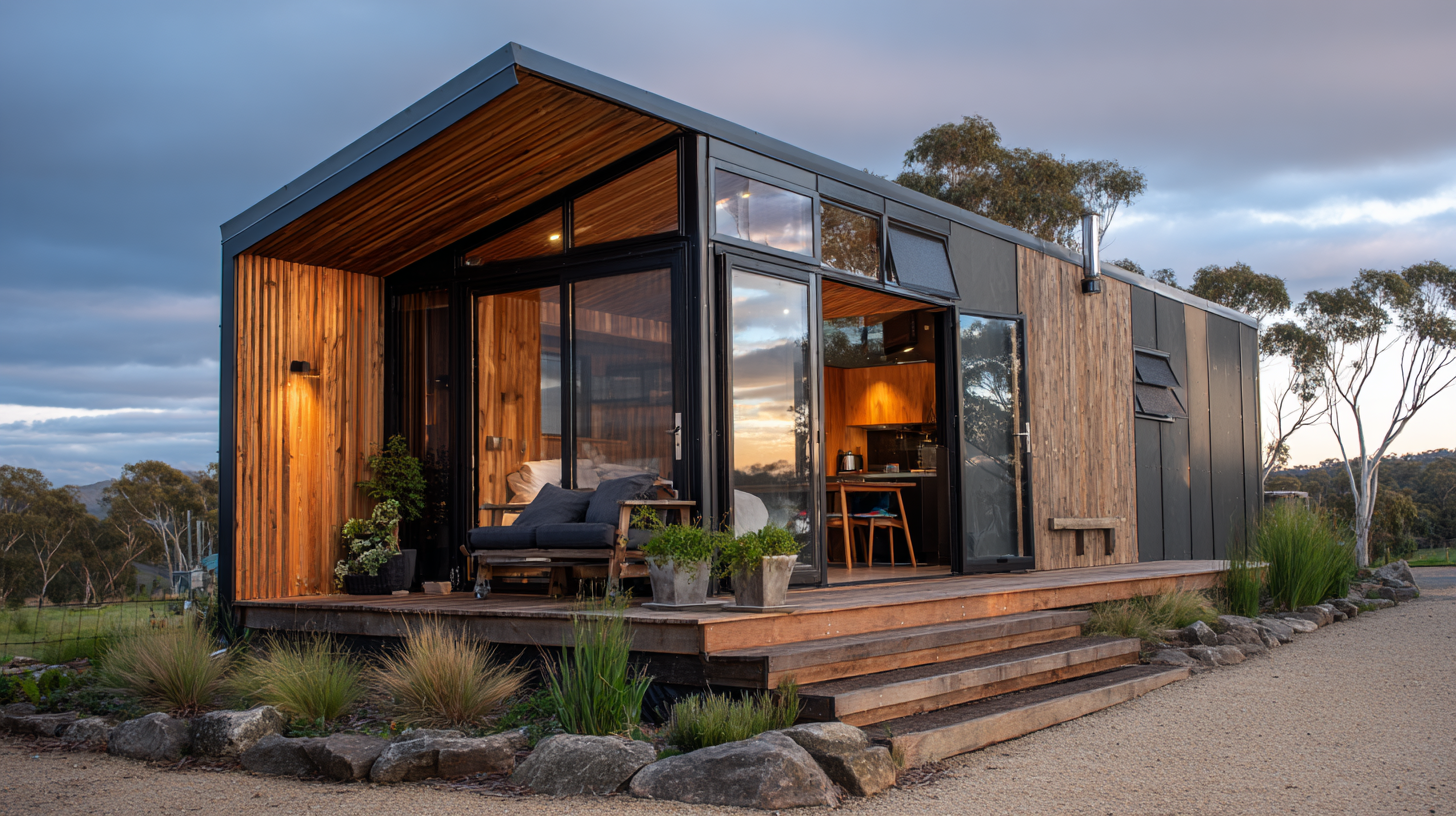
Picking the perfect spot for your Prefab Tiny Home is really key if you want to get the most out of it and live sustainably. Did you know that, according to a recent report by the Tiny House Industry Association, demand for tiny homes—especially prefab ones—has shot up by over 40% in just the past five years? It’s part of this huge shift towards minimalism and eco-conscious living that a lot of folks are jumping on.
At Nantong Huasha Movable House Co., Ltd., we’ve been around since 2005, and we’re all about offering innovative, all-in-one solutionsfor modular housing—think Container Homes and expandable designs. When you’re deciding where to place your tiny home, it’s really important to think about the site itself, local rules, and the environment. Getting a good grip on these factors helps make sure your living space is smooth sailing. With housing changing so fast these days, making informed choices is more important than ever to create a space that truly feels right for you.
Factors to Consider When Selecting a Site for Your Prefab Tiny Home
Choosing the perfect spot for your tiny home isn’t just about finding a nice piece of land—it’s about making sure it fits your lifestyle and feels right. First off, you gotta look into the local zoning rules and building regs for that area. Every town or city has different stuff you need to follow when putting in a tiny home, and knowing these early on can save you from a major headache later on. Also, think about how close you are to the essentials—things like grocery stores, healthcare facilities, and parks or places to unwind. After all, a tiny home should make your life easier and more enjoyable, not make you feel cut off from what you need daily.
Then, don’t forget to consider the environmental factors. Check out the climate—think about cold winters, rain, or even floods if they’re common. Some places might need special foundations or materials to hold up against the weather. And the terrain? A flat, easy-to-access spot could make things run smoother, but a hillside might give you a killer view—though it might make delivery or setup a bit more tricky.
As more folks are leaning towards a simpler, more intentional way of living, paying attention to these details really matters. It’s all about finding that perfect spot where your tiny home can be your cozy little retreat, perfectly suited to what you need and want.
Top 5 Scenic Locations for Building Your Prefab Tiny Home
Thinking about where to put your prefab tiny home? The surroundings really make a difference in how much you’ll enjoy the place. I’ve put together five gorgeous spots that could be perfect for building your dream tiny home — each with its own special charm and a feeling of peace and quiet.
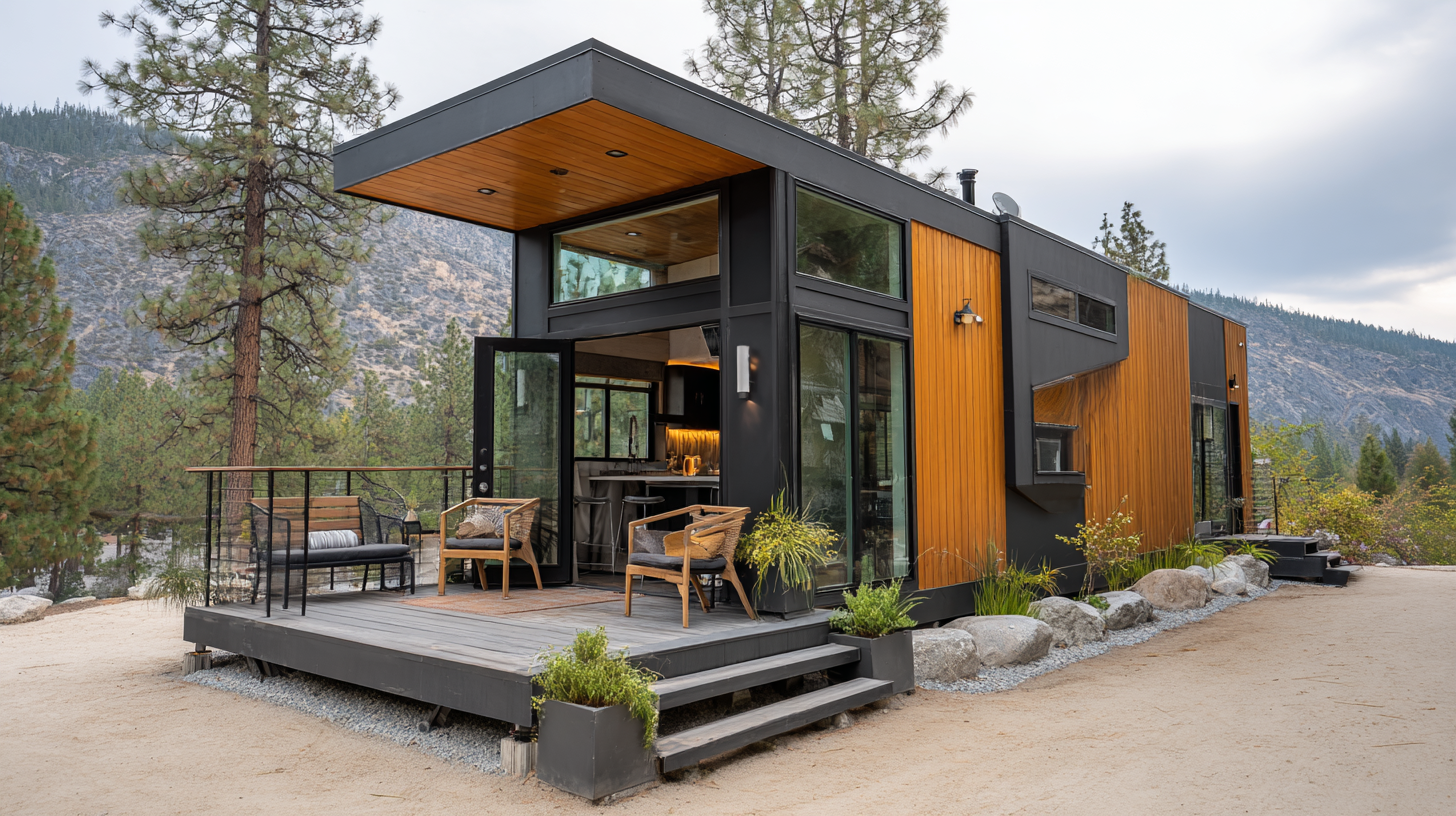
First up, mountain retreats. Imagine your tiny home tucked away in the hills, with jaw-dropping views and a super chill vibe. Being up high means cooler summers and breathtaking scenery all year long. Just a quick tip: make sure the land has good drainage so that rain doesn’t turn your cozy spot into a soggy mess.
Next, there’s lakeside living. Building near a lake? That’s like having your own mini paradise for fishing, kayaking, or just relaxing by the water. The calmness of the lake can really be a big boost to your mood. A little tip here: pick a spot that’s not right at the water’s edge — it helps avoid flooding and keeps things private from passersby.
Then, of course, there’s the beachfront option. If you’ve ever imagined falling asleep to the sound of waves and looking out at stunning sunsets, this might be the one for you. Just remember to consider coastal rules and weather patterns when choosing your site. And don’t forget, using weather-resistant materials is a smart move — that salt spray and sea breeze can be tough on your home.
At Nantong Huasha Movable House Co., Ltd., we’re here to help you find the perfect location and make sure your tiny home meets all the standards for quality and design. Since 2005, we’ve been customizing solutions for site selection, design, and installation, so you can turn that dream spot into a reality with a little less hassle.
Essential Utilities and Amenities to Look for in Your Tiny Home Location
When you're picking the perfect spot for your tiny home, it’s super important to think about the basics – like water, electricity, and sewage. I mean, according to a 2022 report by the Tiny Home Industry Association, having reliable access to these utilities really makes a big difference in how happy folks are living in tiny homes. Choosing a place with solid infrastructure isn’t just about convenience – it’s about giving yourself peace of mind and those simple comforts that make daily life a lot easier. Plus, it’s more sustainable too!
And don’t forget about how close you are to things like grocery stores, clinics, or parks. A survey from the National Association of Realtors in 2023 found that a huge 82% of homebuyers care a lot about being near essential services when they pick a location. Living near parks, walking trails, or community spots not only makes your everyday life more enjoyable but also helps you feel more connected. Especially in a tiny home, where space is a bit tight, having those social hotspots nearby can make a real difference. So, if you’re on the hunt for the right spot, look for areas that tick both those utility boxes and have a lively neighborhood vibe. Trust me, it makes everything way better!
How Climate and Weather Impact Your Prefab Tiny Home Site Choice
When you're picking the perfect spot for your prefab tiny home, understanding the climate and weather pretty much has to come first. I mean, different places can really change not just how comfy your home feels but also how long it lasts and how well it holds up over time. For instance, if you're thinking about putting your tiny in an area that gets heavy snowfall, you'll want to pay extra attention to the roof pitch and insulation — trust me, those little details matter. On the other hand, if your spot tends to be super humid, you'll probably need moisture-resistant materials to keep mold at bay. Honestly, taking a good look at the climate patterns where you want to build can help you pick the right materials and design features that keep your living space cozy and practical all year round.
At Nantong Huasha Movable House Co., Ltd., we’re all about helping you find the best solutions—from choosing the right site to designing your home and guiding you through all the technical stuff. We don’t just make Container Houses and lightweight steel structures; we get that climate plays a huge role in planning your tiny home. Whether you're dreaming of a home in a hot desert or a windy coastal area, our team’s here to help you evaluate the environment and customize your tiny home so that it’s tough enough to handle whatever nature throws at it — all while giving you a comfy little oasis to call your own.
How to Choose the Perfect Location for Your Prefab Tiny Home - How Climate and Weather Impact Your Prefab Tiny Home Site Choice
| Factors | Considerations | Ideal Conditions | Potential Issues |
| Climate Zones | Assess local climate zone: tropical, temperate, arid, etc. | Temperate zones offer the best balance for Prefab Homes. | Extreme weather conditions can lead to wear and tear. |
| Sun Exposure | Evaluate direct sunlight vs. shaded areas. | South-facing locations maximize passive solar heating. | Excessive shade can reduce energy efficiency. |
| Wind Conditions | Consider dominant wind directions and speeds. | Locations with natural windbreaks are ideal. | High winds can damage structures and increase heating needs. |
| Precipitation | Analyze yearly rainfall and snow levels. | Dry regions can reduce maintenance issues. | Heavy rainfall can cause flooding and erosion. |
| Terrain | Study slope, soil type, and stability. | Level ground reduces complications during setup. | Steep or unstable terrain can complicate foundation work. |
Best Practices for Assessing Land and Zoning Regulations for Tiny Homes
When you're trying to pick that perfect spot for your tiny home, it’s super important to get a good handle on local land and zoning rules. Every place has its own set of regulations, and they can really make a difference in figuring out where your tiny home can go. Doing a bit of research upfront helps you avoid surprises down the line. A good starting point is checking out your local planning department’s website or just dropping by their office to get the scoop on zoning categories, minimum lot sizes, and any rules specifically about tiny homes.
Pro tip: Chat with folks in local communities or hop onto online forums dedicated to tiny living. Tons of tiny home lovers have been there, done that, and can give you the lowdown on tricky zoning issues or which towns are a bit more tiny-home-friendly. Their tips might save you a headache later on.
Oh, and don’t forget to think about the nature of the land itself. Is it close to shopping, hospitals, parks, or other places you’d want easy access to? Knowing the terrain matters too—are there hills, wetlands, or flat land? All this stuff impacts how you'll connect utilities like water, power, and waste disposal.
Tip: Take advantage of online maps to get a sense of potential spots. Look for areas that strike a good balance between easy access and natural beauty—this can really boost your day-to-day life in your tiny home, all while sticking to the local rules.
Unique Environmental Features to Enhance Your Prefab Tiny Home Experience
Picking out the perfect spot for your prefab tiny home isn't just about convenience—it’s actually about making your living experience better by taking into account the natural environment around you. The American Institute of Architects mentions that things like the climate, the landscape, and how close you are to nature can really affect your overall well-being. For example, choosing a place with lots of sunlight isn’t just good for saving on energy bills; it can actually lift your mood too. Honestly, it’s pretty important to find a spot that gets plenty of sun because studies show that homes with big windows and easy outdoor access tend to make people happier and even help with mental health.
And if you’re into nature, adding features like being near water or surrounded by trees can totally boost your tiny home experience. The National Association of Home Builders points out that locations with green spaces and clean air tend to lower stress and increase satisfaction with home life. Whether it’s a peaceful lake nearby or a cozy spot among the trees, those natural touches not only make your place look better, but they also promote a healthier, happier lifestyle. So, keeping these things in mind will help you pick a location that’s just right for you, and honestly, it’ll make living in your tiny home so much more enjoyable.
Innovative and Affordable Solutions: Exploring the Benefits of Huasha Portable Squat Toilets for Every Need
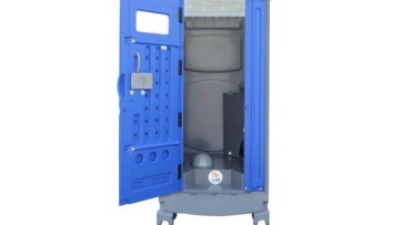
The demand for innovative and affordable sanitation solutions has led to the rising popularity of Huasha portable squat toilets, particularly in sectors that prioritize hygiene and efficiency. Long-term construction sites, where access to traditional restroom facilities may be limited, have reported significant improvements in user satisfaction with the implementation of squat toilets. A study by the World Health Organization indicates that proper sanitation facilities can reduce the incidence of waterborne diseases by up to 50%. With this in mind, the functionality of portable squat toilets becomes an essential consideration for many industries.
One of the standout features of Huasha portable squat toilets is their double water tank system, which not only provides clean water for handwashing but also allows for deodorant disinfectants to be added to the flush. This ensures enhanced hygiene, particularly in environments with frequent usage. The ease of maintaining cleanliness in such portable solutions is critical. According to a report by the International Portable Sanitation Association, facilities equipped with user-friendly sanitation solutions significantly improve contractor productivity and promote a healthier workforce. As more industries recognize the need for hygienic restroom options, the Huasha squat toilet emerges as a viable alternative that addresses both hygiene and affordability.
FAQS
: It's important to understand the local zoning laws and building regulations, as different municipalities may have varying rules about tiny home installations. This knowledge can save you from potential legal issues later on.
Access to essential amenities like grocery stores, healthcare facilities, and recreational spaces is crucial, as it significantly enhances the livability of your tiny home and offsets the isolation that can come with small living spaces.
Consider the local climate and natural disaster risks, such as flooding or heavy snow, which may require specific building materials or elevated foundations to ensure durability.
Yes, flat land simplifies construction and access, while hilly locations might offer scenic views but can complicate the delivery and assembly of the tiny home.
Access to reliable utilities like water, electricity, and sewage systems is vital for comfort and daily living. Established infrastructure provides peace of mind and supports a more sustainable lifestyle.
Proximity to parks, walking trails, and community hubs fosters a sense of community, which is beneficial in a tiny home setting where social interactions are more common due to limited living space.
A survey by the National Association of Realtors in 2023 indicated that 82% of homebuyers prioritize easy access to essential services when selecting a location for their homes.
Selecting a site that offers both utility access and a vibrant neighborhood atmosphere can significantly enrich your daily life and ensure that your tiny home serves as a perfect retreat.
Yes, homes in areas prone to natural disasters may require specific foundation types, building materials, or designs to safely withstand environmental challenges.
Being near recreational areas helps enhance your living experience, providing opportunities for leisure activities and fostering a sense of community among tiny home residents.
Conclusion
Picking the right spot for your prefab tiny home is kinda a big deal if you want it to feel just right. You’ll wanna think about how pretty the area is—like, are there nice views? Also, how easy is it to access utilities and local amenities? Don’t forget to consider the weather and climate because they can really impact your home’s comfort and maintenance. Exploring some of the top scenic spots can definitely help spark ideas, but it’s equally important to get a grip on land and zoning rules so you’re not caught off guard—and so you can enjoy your tiny home without worries.
At Nantong Huasha Movable House Co., Ltd., we’re all about offering innovative, personalized solutions if you’re thinking about building a prefab tiny home. We've been around since 2005, and we do way more than just manufacture—our team helps with choosing the perfect site and offers technical advice to make the whole process easier. When you take into account the special features of your environment, you can really make your tiny home experience more enjoyable and sustainable. It’s all about creating a cozy, smart living space that fits your lifestyle and surroundings.