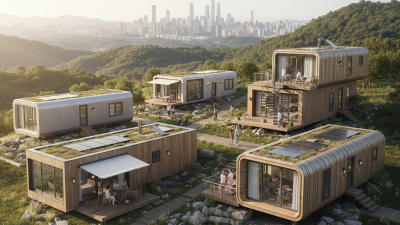
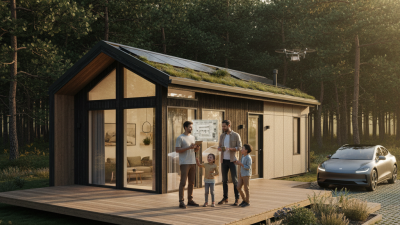
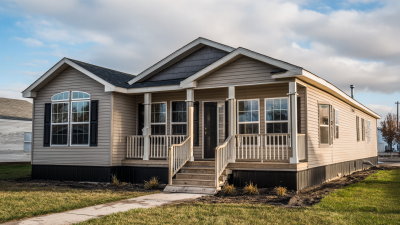
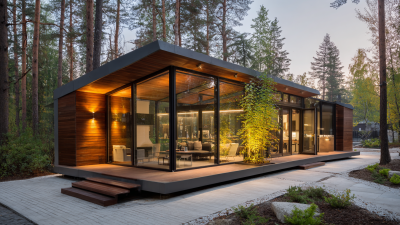
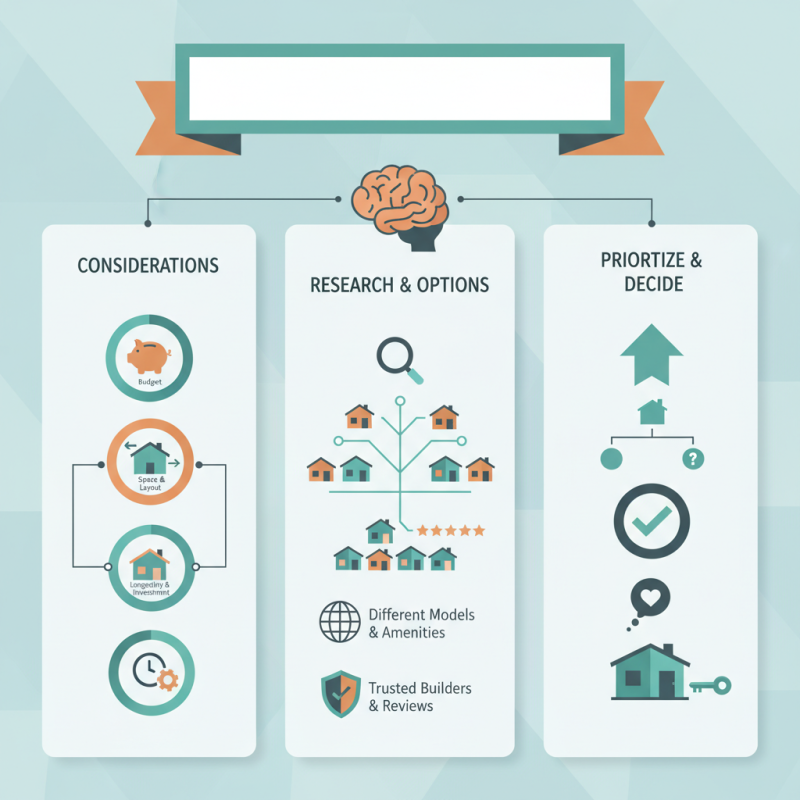
Picking out the right Mobile Housecan feel pretty overwhelming at first. There are so many things to consider to make sure it really fits your needs. Honestly, experience plays a big role — knowing what features work best for your lifestyle can make all the difference. Each Mobile House has its own unique layout and amenities, which adds to the variety, but it can also make choosing one a bit tricky.
It’s totally normal to feel swamped with all the options out there. The market's got a range—from tiny, cozy designs to more spacious, family-friendly models. Doing a bit of research, especially checking out trusted companies like Tiny Home Builders, can really help you narrow things down. Looking at customer reviews is also super helpful. They often share what they loved or didn’t like about certain models, giving you a clearer picture.
At the end of the day, it’s all about figuring out what’s most important to you. Think about your budget, how much space you actually need, and how long you want the house to last. Since a Mobile House is a pretty big investment, it’s worth taking your time to make an informed choice. Don’t rush it — give yourself the space to really reflect on what’s the best fit for your lifestyle and needs.
Factors to Consider When Choosing a Mobile House
Choosing a mobile house requires careful thought. The first factor is size. Consider how many people will live in this space. A couple may need less space than a family. Are you planning for pets or home offices? Each need increases your size requirements.
Next, think about layout. Open floor plans can create a spacious feel. However, defined spaces can offer privacy. Assess how you plan to use each room. Storage is another crucial aspect. Mobile houses often have limited space. Look for creative storage solutions. Higher ceilings can also provide a feeling of openness.
Lastly, consider the features that matter to you. Energy efficiency is essential. It can save you money in the long run. Do you prefer modern appliances or a traditional feel? These choices reflect your lifestyle. Be open to adapting your dreams based on your practical needs.
How to Choose the Best Mobile House for Your Needs?
| Factor | Description | Importance Level |
| Size | Consider how many people will live in the mobile house and the space required for comfort. | High |
| Budget | Determine a budget that includes purchase costs, maintenance, and additional expenses. | High |
| Location | Choose a location that meets your needs, considering climate, access to services, and privacy. | Medium |
| Construction Quality | Assess the materials and workmanship to ensure durability and safety. | High |
| Amenities | Identify the features you want, such as kitchen space, bathroom count, and storage. | Medium |
| Regulations | Understand local zoning laws and regulations that may affect mobile house placement. | High |
| Resale Value | Consider how the mobile house will hold its value over time, as this impacts future sales. | Medium |
Types of Mobile Houses: A Comprehensive Overview
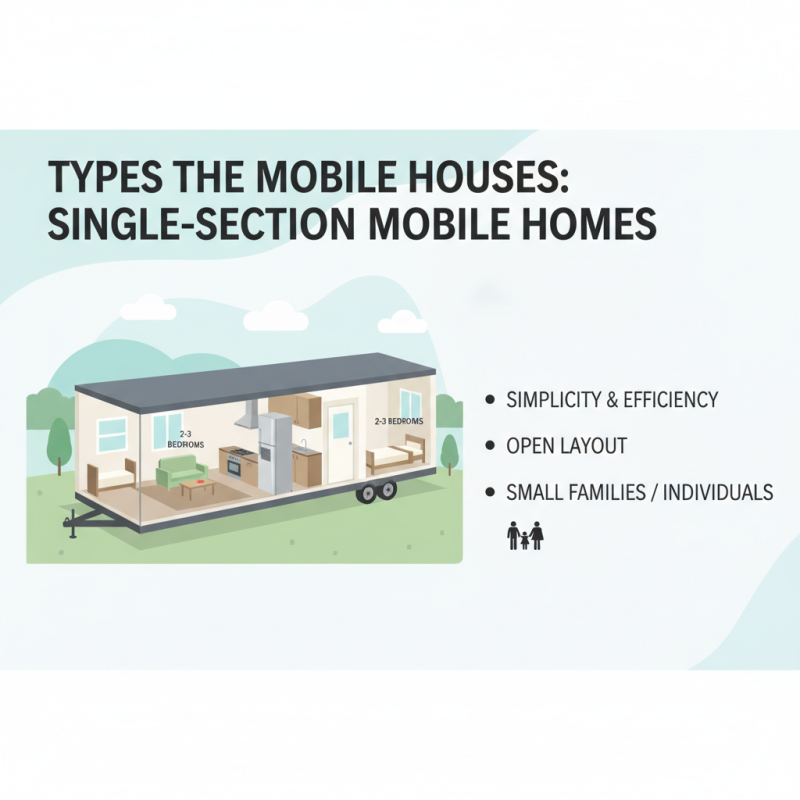
When considering the types of mobile houses, it's essential to understand their various forms. There are single-section Mobile Homes, designed for simplicity and efficiency. They often feature an open layout, with a cozy living area and two or three bedrooms. This option can suit small families or individuals seeking minimalism.
Double-section mobile homes offer more space and can include additional features. These homes provide separate living and dining areas, often feeling like traditional houses. They can be an excellent choice for larger families or those needing more room for activities. Some may require a bit more maintenance.
Finally, Modular Homes are a hybrid choice. Built in sections and transported to the site, these homes provide a custom feel. While they can be pricier, they typically offer more design flexibility. This can lead to a more satisfying living experience. However, buyers must weigh the pros and cons carefully. Each type comes with distinct advantages and potential challenges that need reflection before making a decision.
Assessing Your Budget for a Mobile House Purchase
Assessing your budget is crucial when considering a mobile house purchase. Start by listing all potential costs. These include the price of the Mobile Tiny House, transportation fees, and setup costs. It’s easy to overlook utility connections and permits. Research local regulations to avoid future expenses.
Consider ongoing costs too. Property taxes or maintenance fees may be higher than expected. Insurance is also important. Get quotes from different providers to find the best deal. Factor in your lifestyle as well. If you plan to move often, ensure your budget accommodates easy transportation and setup.
Many people face unexpected financial challenges during their purchase process. This can be stressful. It's vital to review your budget regularly. Adjust it as needed to avoid pitfalls. Explore financing options if your savings fall short. A well-planned budget can make owning a mobile tiny house a reality.
Understanding Mobile House Size and Layout Options
When considering a mobile house, size and layout are crucial. These factors significantly impact your comfort and lifestyle. Often, people overlook the importance of personal needs in these decisions. A Mobile Container House can offer various configurations, but it’s essential to reflect on what works for you.
One key consideration is space requirements. Think about how many people will live in the house. Will you need separate bedrooms, or is an open layout more appealing? A smaller layout might save costs but could feel cramped. Use a measuring tape to envision furniture placement. Visualize where everything will go before making a commitment.
Another critical point is functionality. Some prefer compact designs with multi-purpose areas. For instance, a living area that doubles as a workspace could maximize utility. Do not rush this process. Test out layouts in person if possible. Remember, what looks good on paper may not feel right.
Tips: Always assess how the mobile house will match your lifestyle. Don't ignore your instincts. If something feels off, reconsider your choice. When visiting potential options, take notes on what you like and dislike. This reflection helps clarify your preferences.
Mobile House Size Comparison
Evaluating Mobility and Transportation Needs
When choosing a mobile house, evaluating your mobility and transportation needs is crucial. According to a 2022 report by the National Association of Home Builders, over 60% of mobile homeowners prioritize easy transport and relocation. This data highlights the importance of considering how often you plan to move. For instance, if you travel frequently or relocate for work, a lightweight option like the Bastone Mobile Expandable Prefab House can offer flexibility.
Many people underestimate the long-term costs of moving a mobile home. Transportation fees can accumulate quickly, impacting your budget. A study from the Mobile Home Dealers Association found that transportation costs can range from $1,000 to $5,000 depending on distance and home size. Evaluating these factors upfront can save you stress later.
It's important not to just focus on the initial purchase. Investigate local regulations as well. Some areas impose restrictions that could affect your ability to move. Insufficient research may lead to frustration and added expenses. Your choice of a mobile home should reflect not only your immediate needs but also your long-term lifestyle.
Key Features and Amenities to Look For in a Mobile House
When selecting a mobile house, focus on key features that match your lifestyle. Look for energy efficiency. Homes with high R-values can reduce heating and cooling costs by up to 30%, according to the U.S. Department of Energy. This feature is essential for long-term savings.
Interior layouts matter. Open floor plans are popular. They maximize space and create a sense of freedom. However, some find these layouts can feel cramped with furniture. Aim for a balance between style and functionality.
Amenities add value. Many mobile homes now include modern appliances, quality insulation, and smart home technology. A report by the Manufactured Housing Institute shows that homes with these features can sell for 15% more. Yet, be cautious; some amenities may lead to higher maintenance costs.
Tips: Prioritize features that fit your needs. Don’t rush. Consider future family needs. Evaluate the importance of outdoor space. Each element plays a role in your comfort and lifestyle.
Researching Local Regulations and Zoning Laws for Mobile Homes
When considering a mobile house, understanding local regulations and zoning laws is crucial. Many areas have specific rules governing the placement and construction of mobile homes, which can vary significantly. Research shows that approximately 30% of prospective mobile homeowners encounter zoning restrictions, affecting their plans.
Engaging with local government resources can help clarify these regulations. Check for building codes that may impact the type of mobile house you choose. Sometimes, certain areas may limit the types of structures allowed, such as a Container House. This can limit not just the potential for mobile living, but also the style and features you want in your home.
In addition, neighboring properties and local amenities can influence zoning decisions. Understanding your surroundings is just as important as knowing the regulations. Some regions may welcome innovative designs, while others can be restrictive. Research is vital. Drone surveys or community surveys can reveal valuable insights into zoning landscapes. Access to mobile home communities can also offer helpful perspectives. Many existing homeowners have faced similar challenges and can provide information on navigating local laws.
Transforming Living Spaces: Insights from Industry Reports on the Quick Assembled Container House Market Growth and Benefits
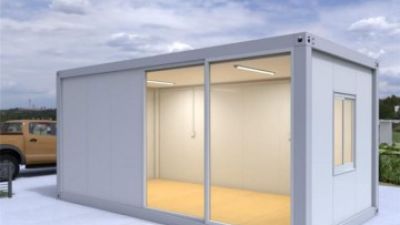
The quick assembled container house market is witnessing significant growth, driven by a surge in demand for flexible and affordable living spaces. This innovative housing solution offers not only efficiency in construction but also a stylish appeal that adapts to various environments. With its elegant appearance, the container home design features specific dimensions—3 meters in width, 6 meters in length, and a height of 2.8 meters, making it a practical choice for both urban and rural settings. The thoughtful design ensures a balance of aesthetic and functional attributes that meet modern living needs.
One of the standout features of this container house is the 160mm wide-edge column design, which enhances structural integrity while contributing to its sleek look. Such design innovations reflect the industry’s commitment to developing sustainable living solutions without compromising on comfort or style. The rapid assembly process offers significant advantages for those seeking a quick turnaround for their living spaces, whether for temporary accommodation or permanent residences. As the market continues to evolve, the emphasis on quality, efficiency, and aesthetic appeal will undoubtedly play a crucial role in shaping the future of container housing.
FAQS
: Size, layout, storage, and features are key. Think about who will live there and your needs.
Size should match your living situation. A couple needs less space than a family. Pets also require more room.
An open layout feels spacious. Separate rooms offer privacy. Decide how you will use each area.
Mobile houses often have limited storage. Seek creative solutions. Higher ceilings can help with storage issues.
Different areas have unique zoning laws. These may dictate where and how you can place your mobile house.
Research prevents surprises later. You may find restrictions that affect your plans and design choices.
Engage with local homeowners. They have faced similar challenges and can offer valuable advice on local laws.
Consider energy efficiency and appliance preferences. These reflect your lifestyle and can save you money.
Yes, be flexible. Your practical needs influence your choices, so adapt your vision as necessary.
Conclusion
Choosing the right mobile house involves several critical factors. First, potential buyers should assess their specific needs, considering factors such as size, layout options, and essential features that enhance comfort and usability. Understanding the various types of mobile houses available can help in making an informed decision, tailored to both lifestyle and mobility requirements.
Budget assessment is also crucial, as it influences the type and quality of mobile house one can afford. Additionally, evaluating local regulations and zoning laws will ensure compliance and suitability for the chosen location. Ultimately, thorough research and consideration of these factors will lead to a satisfying mobile house purchase that aligns with financial capacity and personal preferences.