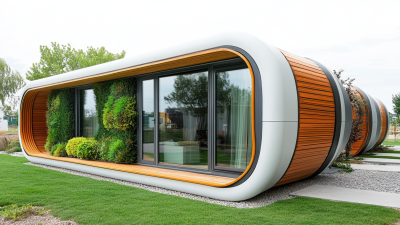
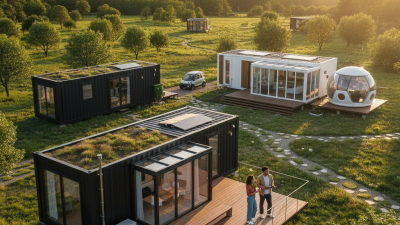
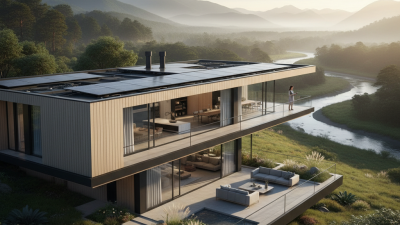
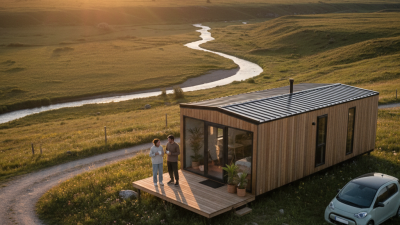
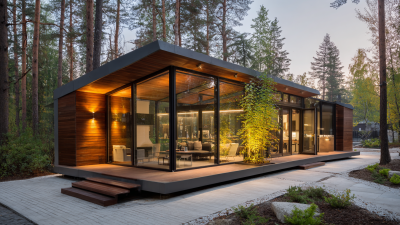
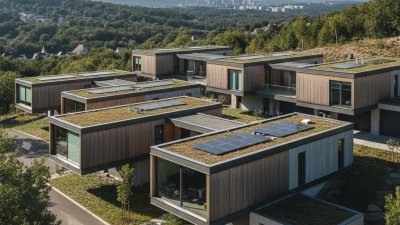
Looking ahead to 2026, it's pretty clear that the demand for Small Prefab Homes is really going to be on the rise. A report from Allied Market Research suggests that the global market for prefab housing could hit a whopping $171 billion by then. People love these homes because they’re affordable and super efficient. They really catch the eye of a mix of folks—like millennials wanting to keep things budget-friendly, or retirees looking for sustainable, low-maintenance options.
But honestly, trying to figure out which small prefab home is right for you can feel a bit overwhelming. The market is pretty diverse, with a variety of designs, materials, and price ranges. Big names like Koto Design and Method Homes are pushing hard on features like energy efficiency and modular layouts—definitely great for modern living. Still, folks need to keep in mind things like local rules, land availability, and other logistics, which can make the decision process a bit tricky.
At the end of the day, what matters most is personal what-works-for-you kind of stuff. A home that's perfect for a family of four might not be ideal for a single working professional. So, taking the time to really understand your needs can make a big difference when choosing your tiny home. And with the market constantly evolving, keeping an eye on new trends and innovations will totally help you make a more confident, informed choice.
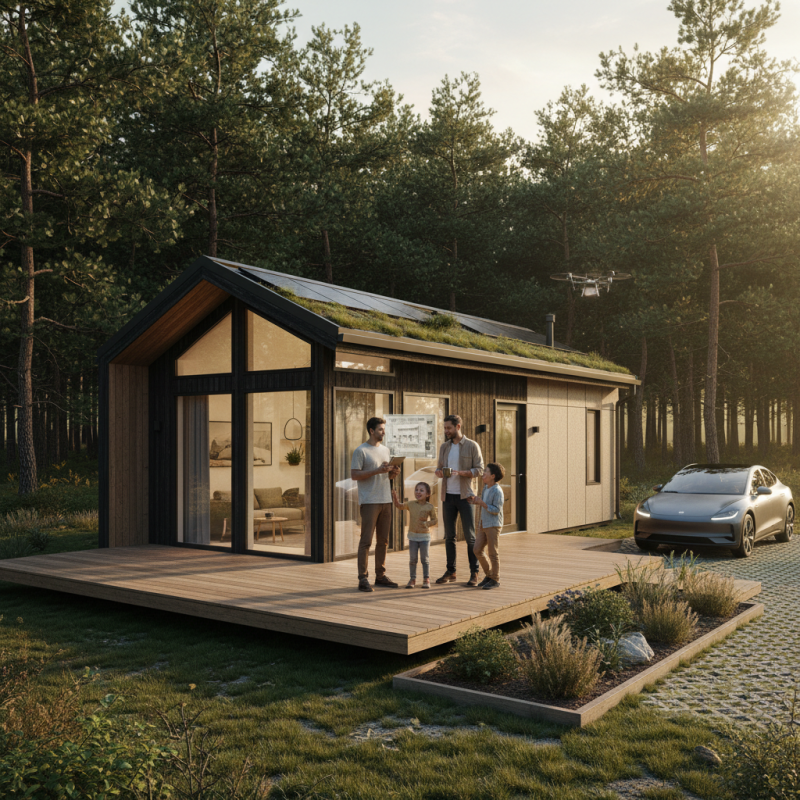
Factors to Consider When Choosing Small Prefab Homes
When selecting Small Prefab Homes, there are essential factors to consider. The layout is a primary aspect. Open floor plans often maximize space effectively. Think about how each area will function for your daily activities. Customizations like adding extra windows can enhance natural light and boost your overall mood.
Another crucial factor is energy efficiency. Look for homes designed with sustainable materials. These homes often feature superior insulation, reducing energy costs. It's smart to research energy ratings for various models. Additionally, consider local climate conditions. This can impact the durability of your home.
Budgeting is also key in this decision-making process. Understand all costs involved, including land, installation, and maintenance. Getting quotes from multiple builders can provide a clearer picture. Remember to weigh quality against cost. Sometimes, cheaper options might not provide the durability needed. Reflecting on these points will lead you closer to finding the best fit. Consider OEM Small Prefab Homes for affordable yet quality options.
Understanding Different Types of Small Prefab Homes Available
When exploring small prefab homes, understanding the different types available is crucial. Each design caters to unique lifestyles and needs. Some models emphasize sustainability, using eco-friendly materials and energy-efficient designs. Others focus on affordability, providing budget-friendly options without compromising quality. Choosing the right model requires careful consideration of factors like climate, location, and personal style.
Becoming familiar with ODM Small Prefab Homes can provide valuable insights. These homes are often customizable, offering various layouts and finishes to suit individual preferences. However, customization can lead to unexpected costs or delays in construction. It’s essential to research thoroughly and ask the right questions during the selection process.
Another aspect to consider is the construction method. Some small prefab homes are assembled on-site, while others are delivered fully built. On-site assembly can offer more flexibility in design, but it may require more time and planning. Fully built options provide convenience but might be less adaptable to specific site conditions. Reflecting on your priorities will lead to a more satisfying decision.
Evaluating Design and Aesthetic Preferences for Your Small Home
When considering a small prefab home, design and aesthetics are paramount. You want a space that reflects your personality and meets your functional needs. Think about the overall style that resonates with you—modern, rustic, or minimalist. Each style holds unique characteristics that can influence your mood and daily life. Look at color palettes that appeal to you. Soft hues create calm, while vibrant shades add energy.
Natural light plays a significant role in how a space feels. Large windows can create a feeling of openness. Consider how different design elements—like high ceilings or open floor plans—impact your living experience. Yet, balancing aesthetics with practicality is crucial. Ensure your fixtures are not only beautiful but also durable and functional.
Remember to reflect on space usage. Are you prioritizing an airy kitchen or a cozy living area? Think about your habits and routines. Aesthetics should serve a purpose beyond visuals. Can your design choices adapt as your needs change over time? It's worth pondering how your home can evolve with you. Striving for aesthetic perfection is tempting, but true beauty often lies in the imperfections that tell your story.
Assessing Energy Efficiency and Sustainability Features
When choosing small prefab homes, energy efficiency should be a vital factor. Many designs now utilize insulation materials that reduce energy use. Homes with double-glazed windows minimize heat loss. Look for models that can harness solar energy, offsetting energy costs. You may find that passive solar design can also stabilize temperatures, thus lowering energy bills.
Sustainability features are becoming more prominent. Recycled and eco-friendly materials are common in High-Quality Small Prefab Homes. Rainwater harvesting systems may help you conserve water. Yet, remember that some features may require additional investment. Assess if these initial costs align with your long-term benefits. It is essential to weigh efficiency against affordability.
Ultimately, the best choice blends durability with sustainability. Avoiding quick, flashy designs is wise. Instead, aim for homes that show a commitment to reducing environmental impact. Research is vital. Consult with experts on how to improve sustainability while maintaining comfort. You want to create a living space that stands the test of time.
Budgeting for Your Small Prefab Home Purchase
Budgeting for a small prefab home in 2026 requires careful consideration. Begin by assessing your financial situation. Understand your savings, monthly income, and expenses. This gives you a clear picture of what you can afford. Consider not only the purchase price but also additional costs like land, utilities, and permits.
When setting your budget, prioritize your needs. A smaller footprint means lower construction and maintenance costs. However, choose quality materials to avoid future repairs. Balancing cost and quality can be challenging. Think about long-term investment over initial savings.
Tips: Track your spending. Use budgeting apps to keep everything organized. Have a contingency fund for unexpected expenses. Research financing options. Some lenders specialize in prefab homes and can offer tailored solutions. Remember, budgeting requires regular review and adjustments. Regularly reflect on your financial goals and reset priorities as needed.
Examining Location and Land Requirements for Installation
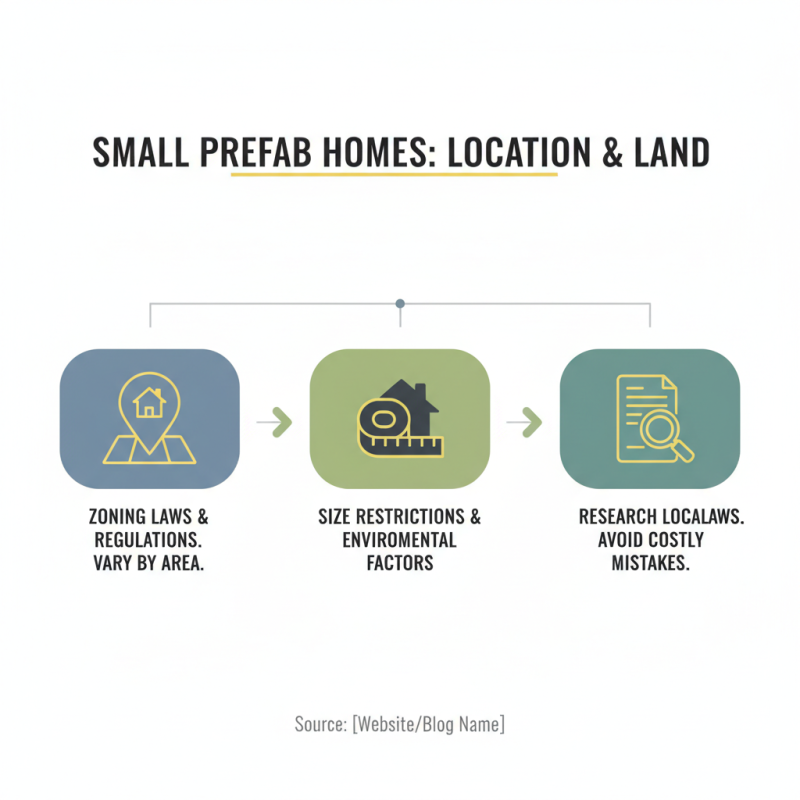
When considering small prefab homes, location and land requirements are crucial. Each area has distinct zoning laws. Understanding these regulations is essential before deciding where to place your home. Some regions may have size restrictions or unique environmental considerations. Researching local laws will help avoid costly mistakes.
Land requirements also vary significantly. You need to consider the soil type and drainage. Some lots may be unsuitable for prefab homes due to unstable soil. Access to utilities is another vital factor. If the site lacks water, power, or sewage systems, installation can become complex and expensive. Ignoring these elements may lead to frustration during the construction process.
Additionally, accessibility plays a role. A remote location might offer peace but can complicate transportation. You may need to account for construction equipment access. Reflection on the ease of access will save time and resources. Evaluate arguments for and against each location carefully. The right choice will align your lifestyle needs with site characteristics.
Researching Reputable Manufacturers and Builders in 2026
When searching for reputable manufacturers and builders of small prefab homes in 2026, it’s crucial to focus on their credibility and past projects. A recent industry report highlighted that 75% of buyers emphasized the importance of manufacturer reputation. Reviews and testimonials should be thoroughly examined. Websites like Better Business Bureau can provide insights into customer experiences.
Look for companies that showcase their portfolios. Visual samples of their work can reveal the quality and craftsmanship of their homes. It's important to verify qualifications and certifications, ensuring they meet industry standards. Many reputable builders also offer virtual tours of their models, which can greatly aid in your decision-making process.
Tips for selecting the right builder: Examine their years of experience in the prefab market. A builder with a solid track record often indicates reliability. Seek out transparent pricing information. This is particularly relevant for those looking for affordable options like Cheap Small Prefab Homes. Websites that display clear cost breakdowns can make budgeting simpler.
Remember to visit completed projects if possible. Seeing a home in person can reveal much about durability and design. Engage with previous customers to gain firsthand insights. Each interaction can help shape a well-informed choice, guiding you toward the best fit for your needs.
Innovative Solutions for Modern Living: Exploring the Benefits of Prefab Toilets and Container Houses
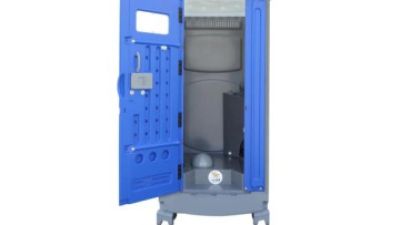
The concept of modern living increasingly embraces innovative solutions that cater to convenience, hygiene, and sustainability. Among these solutions, prefab toilets and Container Houses stand out, especially in contexts such as long-term construction sites. Portable squat toilets, designed for high traffic and frequent use, provide an efficient solution where traditional facilities may not be feasible. The ergonomics of squat toilets promote better hygiene and comfort, significantly enhancing the user experience.
These portable toilets are equipped with a double water tank system, which serves dual purposes. The clean water tank is not only essential for basic sanitation but also allows users to wash their hands effectively. Additionally, a component in the system accommodates deodorant disinfectants, ensuring that the facility remains clean and odor-free despite continuous use. This functionality is crucial in high-demand environments where maintaining hygiene standards is paramount.
In conjunction with prefab housing solutions, which offer flexibility and quick deployment, these innovative toilet designs contribute to a more sustainable and efficient living or working environment. The integration of such utilities within portable container homes enhances the overall quality of modern living, aligning with the growing preference for prefabricated solutions that cater to diverse needs in a rapidly evolving world.
FAQS
: Layout is essential. Open floor plans maximize space effectively.
Customizations, like adding extra windows, enhance natural light and mood.
Look for homes with sustainable materials and superior insulation to reduce energy costs.
Climate can influence durability. Research local conditions before selecting a model.
Consider land, installation, and maintenance costs. Get multiple quotes for better insight.
Not necessarily. Lower prices can lead to less durability and quality.
Options include eco-friendly designs and budget-friendly models, reflecting diverse needs.
Customization offers flexibility but can incur unexpected costs or delays.
Some are delivered fully built, while others are assembled on-site, affecting flexibility.
Understand your lifestyle needs and reflect on climate and personal style.
Conclusion
Choosing the best small prefab homes in 2026 involves several critical factors. First, it’s essential to understand the different types of small prefab homes available, as they vary in design, materials, and functionality. Evaluating design and aesthetic preferences will help ensure that the home aligns with your personal style. Energy efficiency and sustainability are also key considerations, as they contribute to long-term savings and environmental impact.
Budgeting for a small prefab home is crucial, as prices can vary widely depending on features and location. Examining land requirements and the specific location for installation is necessary to determine feasibility. Finally, researching reputable manufacturers and builders will ensure you choose a quality home that meets all your expectations. By carefully assessing these factors, you can find the perfect small prefab home that suits your needs in 2026.