Lately, there's been quite a buzz around Modular Homes — more folks are interested in them than ever before. As we get closer to 2026, it's really important to get a handle on what theModular House Cost looks like. The thing is, the costs are not as straightforward as they seem; a bunch of factors have shifted, so staying up-to-date is key.
Prices for materials tend to bounce around because of supply chain issues—nothing's quite stable. Plus, labor costs can vary a lot depending on where you are and how skilled the workers are. Companies like M Modular Homes have had to tweak their pricing to keep up with these changes. When planning your budget, don’t forget to think about the quality and sustainability of the materials you pick — they can really impact the long-term worth of your new home and its environmental footprint.
And here’s something people often overlook—unexpected costs pop up during the building process. Things like permits, land prep, and connecting utilities can add up quickly. It’s a smart move to factor these in when you’re planning your finances. Honestly, many folks skip over these details at first, only to be caught off guard later — not fun. So, taking a closer look at all these bits will definitely help you make smarter decisions about the Modular House Cost as 2026 approaches.
Understanding Modular Housing: An Overview of Costs
Modular housing is becoming more popular. It offers a flexible solution for affordable living. Understanding the costs involved is crucial. Various factors influence modular house costs in 2026. One major aspect is materials. Prices for wood, steel, and other materials fluctuate. Buyers often underestimate these variations. Ignoring market trends could lead to overspending.
Another cost aspect is labor. Skilled workers are essential for quality construction. However, labor costs can vary significantly by region. Some areas may experience shortages, driving wages up. In other areas, there might be a surplus. This disparity can affect the final price of your modular home. Planning ahead will help avoid unpleasant surprises.
Additionally, think about added features. Basic modular homes are affordable. But, upgrades can quickly increase the overall cost. Customizations such as energy-efficient solutions or modern designs are popular. Many people forget to budget for these extras. Similarly, the cost of a trailer house can fluctuate widely. Be sure to consider these factors carefully.
Factors Influencing Modular House Costs in 2026
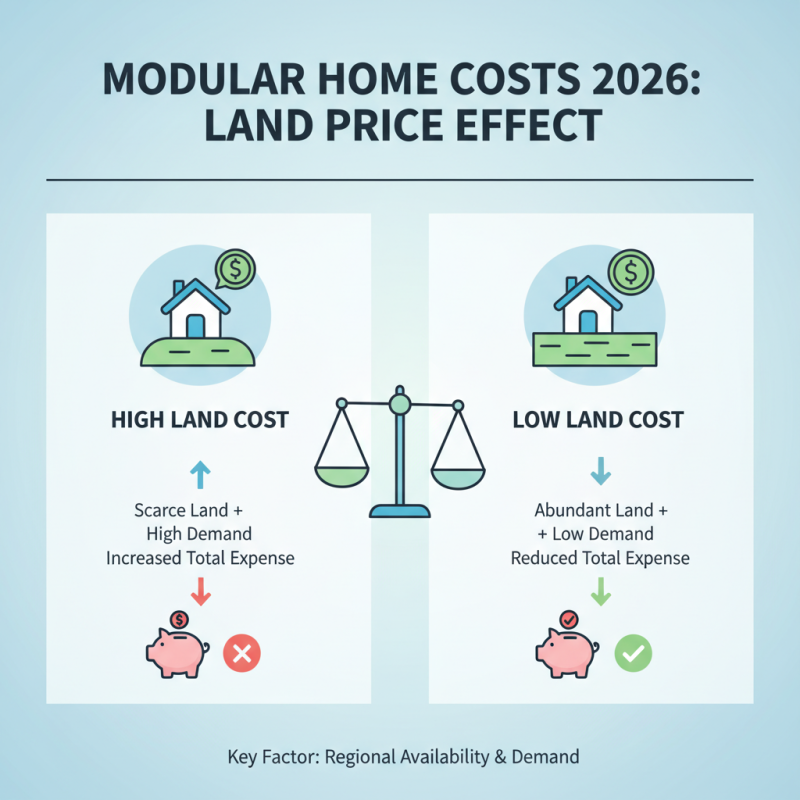
When preparing for modular houses in 2026, various costs must be considered. Land prices are one major influence. In some areas, land may be scarce and expensive. This can significantly raise your total expenses. In contrast, regions with lower land demand could offer better pricing.
Material costs will also play a vital role in determining the total price. Prices for steel, wood, and insulation fluctuate constantly. Even small changes can impact the overall budget. A homeowner must stay informed about the trends in material sourcing. The eco-friendly materials, though sometimes pricier, can lead to long-term savings.
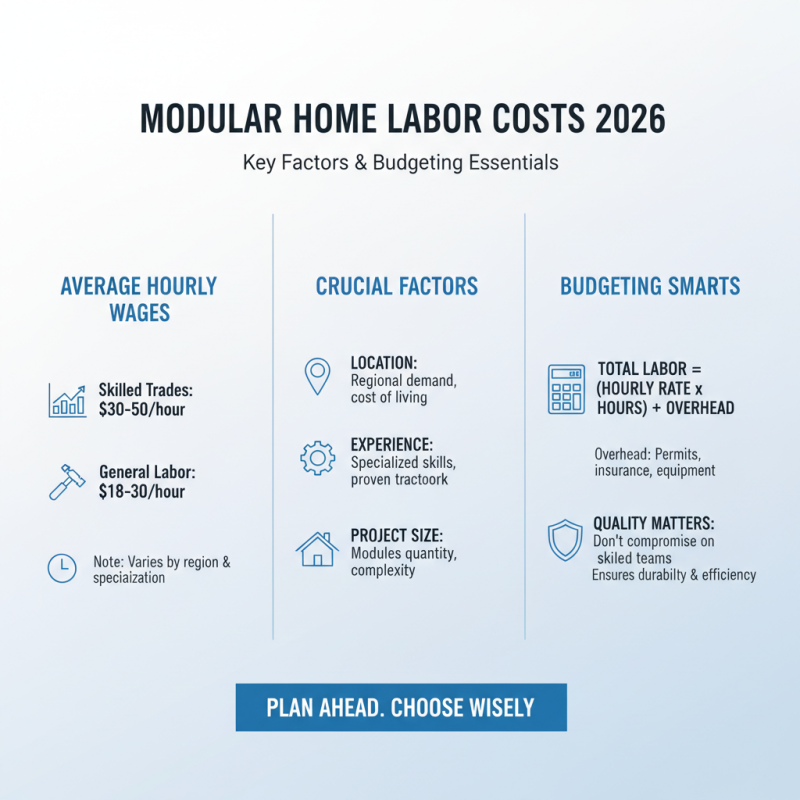
Labor costs are another important factor. In 2026, skilled labor may be in high demand. This can drive wages higher. However, employing local workers might be more economical. It is essential to weigh how these elements affect your Prefab House Cost. Balancing quality with budgetary constraints requires careful planning. Not all modular homes are built equally, and a focus on quality will help avoid future repairs.
Calculating Land and Site Preparation Expenses for Modular Homes
When calculating costs for modular homes, land and site preparation play a significant role. The location you choose affects overall expenses. Some areas may require extensive grading or land clearing. This adds to initial costs. A well-prepared site can streamline your building process. However, unexpected issues often arise. Rocky soil or drainage problems can cause delays and additional fees.
In addition to land preparation, utility connections matter. Water, electricity, and sewage systems must be properly set up. These connections can become expensive. For example, remote sites might need long utility lines. Think about potential hidden fees. You might also need permits or inspections. These are crucial for compliance, but can also increase costs.
Another consideration is the foundation type. A concrete slab may be cheaper upfront but not always suitable for every climate. You may need piers for stability in flood-prone areas. The Shipping Container House Cost can vary greatly depending on the foundation design. These decisions significantly impact your overall budget. Be prepared for unexpected expenses, and plan your finances accordingly.
Estimating Construction and Material Costs for Modular Houses
Estimating the construction and material costs for modular houses in 2026 requires careful analysis. According to the Modular Building Institute, the average cost for modular home construction can vary widely. Many reports suggest costs between $100 to $200 per square foot. The actual figure depends on the design and materials selected.
Material costs are expected to change as demand fluctuates. For instance, the price of lumber has seen significant variations recently. In early 2023, lumber costs surged, with a 50% increase compared to 2021, raising concerns about overall affordability. Steel and concrete prices are also factors. Data shows a steady rise, with concrete prices increasing by around 3% annually.
Additionally, labor costs play a crucial role. As the demand for modular homes grows, the need for skilled labor increases. Current statistics from the Bureau of Labor Statistics indicate that construction labor wages may rise by approximately 4% over the next few years. This will inevitably impact overall project budgets, requiring updated estimations for potential homeowners. Careful planning and consideration of these variables are essential for accurately calculating total project costs.
Assessing Labor Costs in Modular Home Construction
Labor costs play a crucial role in calculating the overall expenses of building a modular home in 2026. Understanding how much to budget for labor is essential. It's not just about hourly wages; factors such as experience, location, and project size greatly affect these costs. Skilled labor is vital for achieving quality results, and finding the right team can be challenging.
In many cases, contractors have different pay scales that depend on the complexity of the work. For instance, standard framing may cost less than custom kitchen installations. Homeowners often overlook this, leading to budget overruns. Additionally, project delays can arise due to insufficient labor, causing additional expenses. It’s important to plan for such contingencies.
Consideration of alternative building options, like a Low Cost Container House, may offer some cost flexibility. These structures can significantly reduce labor and material expenses, but they come with their unique challenges. Understanding these trade-offs is crucial for informed decision-making. Ultimately, careful planning and execution are vital to optimizing labor expenses in modular home construction.
Analyzing Additional Expenses: Permits and Infrastructure
Building a modular house is more than just construction costs. You need to understand various additional expenses that could arise, especially permits and infrastructure. Permits can vary greatly by location. Some areas require multiple permits, which can drive up costs significantly. Always check local laws to avoid unexpected fees.
Infrastructure is another crucial factor. You may need to pay for utilities, roads, and other access points. These expenses can add up quickly. Think about water systems, sewer connection, and electricity. Each of these can incur installation fees or ongoing charges.
Tips: Research local permit requirements early. This could save you time and money. Consider hiring a local expert to navigate these processes. It’s often easier to work with someone familiar with the area. Keep a contingency budget for unforeseen infrastructure costs. You never know what might come up during installation.
Comparing Traditional vs. Modular House Cost Structures
When evaluating costs, traditional houses and modular homes present different financial structures. Traditional houses often incur higher labor costs. Skilled labor is needed for a variety of trades. Materials also contribute significantly to the overall price. On the other hand, modular homes are often built faster. They use pre-fabricated materials, which reduce some of the costs.
One key tip for budgeting is to consider the hidden costs. Traditional homes might surprise you with hidden fees for permits or land preparation. Modular homes can also have extra expenses, such as transportation and assembly.
Another point is the flexibility of designs. Traditional homes offer customization at a price. Modular homes provide a range of design choices, often at lower rates. However, not every option may be perfect. It’s important to weigh your priorities. Reflect on what you truly need in a home versus what might be just a want. In the end, costs are only part of the decision-making process.
Comparing Traditional vs. Modular House Cost Structures in 2026
Embrace Minimalism: Exploring the Allure of Luxury Tiny Houses
Embracing minimalism in our living spaces often leads us to explore innovative solutions that not only prioritize style but also accessibility. The allure of luxury tiny houses lies in their ability to combine sleek design with functional features, ensuring that everyone can enjoy comfort and convenience, regardless of their physical capabilities. This philosophy aligns perfectly with the growing demand for inclusive facilities, where thoughtful design makes a significant difference in daily life.
Portable restrooms designed with accessibility in mind serve as an excellent complement to the minimalist lifestyle. These units are not just practical; they embody the ethos of inclusivity that modern living demands. Featuring spacious interiors and sturdy handrails, they ensure ease of use for all individuals, particularly those with mobility challenges. Moreover, the use of durable materials ensures that these restrooms remain functional and easy to maintain, making them suitable for various environments such as events, construction sites, and more.
By focusing on design that promotes comfort and accessibility, we can create spaces that reflect a commitment to equality in living conditions. The integration of accessible sanitation solutions within the realms of luxury tiny homes enhances the overall experience, allowing everyone to embrace the simplicity of minimalism while ensuring that essential needs are met. This approach not only uplifts the quality of living but also fosters a sense of community and respect for individual needs.
FAQS
: The article aims to provide insights on a specific topic. Key themes are discussed in detail.
You can use the insights for practical applications in daily life. Consider how they relate to your situation.
Yes, the advice may not suit everyone. Individual circumstances vary and require personal reflection.
Sharing is encouraged, but ensure the context is clear. Misunderstandings may arise without proper explanation.
Reflect on your own experiences and needs. Consider if the situation relates to your life.
It’s okay to disagree. Everyone has different perspectives and experiences. Engage in thoughtful discussion.
The article targets a broad audience. However, specific groups may find it more relatable.
You can revisit it anytime. Each read may provide new insights depending on your current mindset.
Take your time to process it. Breaking down complex ideas can help clarify meaning.
While there are no direct recommendations, exploring further information can enhance understanding and context.
Conclusion
The article "How to Calculate Modular House Cost in 2026?" provides a comprehensive guide to understanding the various factors that influence the cost of modular homes. It begins with an overview of modular housing and its financial implications, emphasizing key components that contribute to the overall Modular House Cost in 2026. These include essential factors such as land acquisition and site preparation costs, which set the foundation for further expenses.
Additionally, the piece delves into estimating construction and material costs, assessing labor expenses, and considering additional costs such as permits and infrastructure development. By comparing the cost structures of traditional versus modular housing, the article highlights the potential for savings and efficiency that modular homes can offer. This structured approach equips prospective homeowners and builders with the knowledge to navigate and calculate modular house costs effectively.