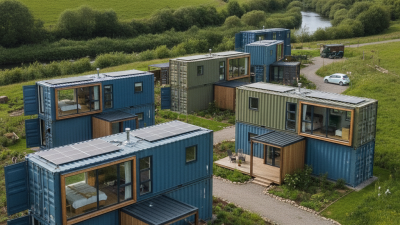
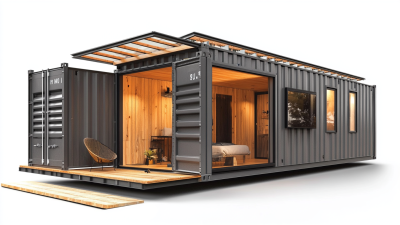
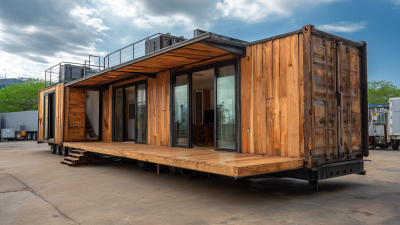
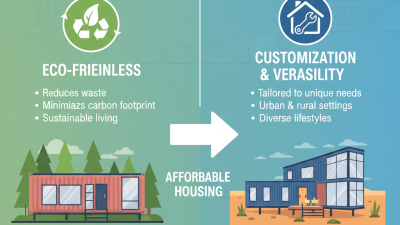
Building Container Homes on a budget is an exciting journey. These innovative dwellings offer flexibility and unique charm. The appeal lies in their affordability and sustainability.Shipping Container Homes can transform your living space while minimizing expenses.
Designing a Container Home requires creativity. It's essential to choose a location wisely. Consider access to utilities and local regulations. Basic modifications can enhance comfort but may also increase costs. Finding reliable contractors is crucial. Research the pros and cons of DIY versus hiring professionals. Note that not every project goes smoothly.
Efficiently utilizing space is a challenge. Every square foot counts, especially in smaller containers. Open layouts can create a sense of space. Incorporating natural light makes a significant difference. Don't forget to factor in insulation and ventilation for comfort. Building Container Homes can be rewarding, yet it requires careful planning and reflection.
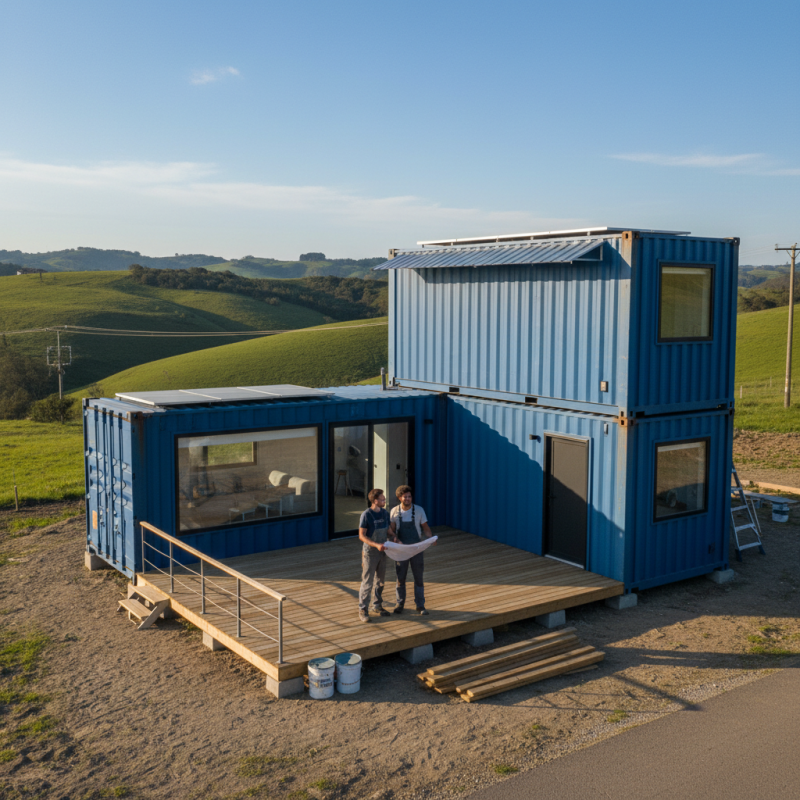
Understanding the Basics of Container Homes and Their Cost Efficiency
Container Homes have become popular due to their cost efficiency. They offer an affordable alternative to traditional housing. These homes are made from shipping containers, which are widely available. The price of a used container can be surprisingly low, sometimes starting at just a few thousand dollars. This makes it easier for individuals on a budget to explore homeownership.
Building a container home involves several considerations. You must account for insulation, plumbing, and electricity, which can add to the overall cost. Choosing the right design can also impact your budget. While a simple layout is cheaper, complex designs can lead to extra expenses. Not all containers are in perfect condition. You may encounter rust or structural issues that require additional repairs. It’s essential to assess the container's quality before committing.
Additionally, the location of your container home can affect expenses. Land costs vary significantly across regions. If you are not careful, these expenses can quickly add up. While container homes can offer significant savings, proper planning is necessary to avoid unexpected costs. Balancing your vision with practicality is key to turning your dream of container homes into reality.
Cost Breakdown of Building Container Homes
This bar chart illustrates the breakdown of costs associated with building container homes. Each category reflects the estimated expenses in USD, showing how budget-efficient container homes can be when considering multiple construction aspects.
Exploring the Average Costs for Building Container Homes per Square Foot
Building container homescan be an appealing option for budget-conscious individuals. The average cost to Build A Container Home typically ranges from$100 to $200 per square foot. This pricing can vary based on location, design, and materials used. In urban areas, costs may skew higher, sometimes exceeding $250 per square foot. These figures come from industry reports which highlight the importance of careful planning.
When budgeting for a container home, consider additional expenses. Land costs, permits, and utility connections add to the overall price. For instance, land may cost more than the containers themselves. Make sure to factor in insulation and interior finishes, which can drive up costs significantly.
Tips:
- Research local building codes. Unexpected regulations can add costs.
- Reuse shipping containers as structures. This may reduce material expenses.
Identifying Budget-Friendly Container Home Materials and Their Availability
Building a container home on a budget requires careful planning and the right materials. Storage Container Homes can be an affordable option, but sourcing quality materials at low prices is crucial. Many builders use recycled materials to cut costs. For instance, reclaimed wood and metal can be found in local salvage yards. According to a recent report by the Container Housing Industry Association, using recycled materials can reduce overall construction costs by up to 30%.
Not all locations have a wide variety of materials available at a budget price. It's important to research your local options. Prefabricated parts can sometimes be less expensive than custom builds. Look for sales or discounts from local suppliers. Some areas have seen a rise in container home projects, driving down costs as competition increases. However, it's wise to avoid impulsive purchases. Take time to compare prices and quality.
The insulation and weatherproofing materials often require significant attention. Many people overlook this, leading to higher energy costs later. Spray foam insulation may initially seem costly, but it can provide savings in the long run. Balancing immediate budget constraints with future efficiency is essential. Remember that making informed choices can lead to attractive and functional storage container homes without breaking the bank.
Designing a Functional Layout to Maximize Space and Minimize Costs
Designing a functional layout for Tiny Container Homes is key to creating a livable space on a budget. Start by visualizing how each area will serve you. Consider an open-floor plan to enhance flow. Using multifunctional furniture can save space and reduce costs. Think about a foldable dining table or a sofa bed. These options create flexibility in your tiny container home.
Efficient storage solutions are essential. Use vertical space with shelves and cabinets. Hooks can hold items while keeping surfaces clear. Observe where items can hide away to avoid clutter. It’s helpful to measure your belongings and plan accordingly. A lack of careful planning may lead to a cramped feel.
Be mindful of natural light. Large windows can make Tiny Container Homes feel more spacious. However, think about placement carefully. Oversized windows can compromise privacy and insulation. Reflect on these decisions to create a cozy yet practical environment. Finding the right balance will enhance your container home experience.
How to Build Container Homes on a Budget? - Designing a Functional Layout to Maximize Space and Minimize Costs
| Aspect | Details | Estimated Cost |
| Container Purchase | Used shipping containers (20ft) | $1,500 - $3,000 |
| Foundation | Concrete piers or slab | $1,000 - $2,500 |
| Insulation | Spray foam or rigid board | $1,500 - $3,000 |
| Utilities | Plumbing, electrical, and HVAC | $3,000 - $5,000 |
| Interior Finishes | Walls, flooring, and cabinetry | $2,000 - $4,000 |
| Exterior Finishes | Painting and siding | $1,000 - $2,000 |
| Total Estimated Cost | Overall budget for a basic container home | $10,000 - $19,500 |
Cost-Effective Insulation Solutions for Container Homes
Insulating container homes on a budget is vital for comfort. Many overlook this step, thinking it’s too costly. However, there are practical solutions to create a cozy living environment. Foam board insulation is one option. It’s lightweight, easy to install, and offers excellent thermal performance. Plus, it fits snugly in corners and nooks.
Another cost-effective method is using recycled materials. Old blankets or clothing can serve as makeshift insulation. They aren't aesthetically pleasing, but they add warmth. Be mindful, though, as moisture issues can arise. Proper ventilation is crucial in Inside Shipping Container Homes to prevent mold.
Reflecting on these choices, it's clear that budget-friendly insulation often requires creativity and compromise. You might need to sacrifice certain comforts for savings. This might mean less polished finishes or unconventional materials, yet the end result can still be a cozy, functional space. The journey challenges you to think outside the box.
Utilizing DIY Techniques to Lower Labor Costs in Container Home Construction
Building container homes can be a rewarding project, especially on a budget. DIY techniques can significantly reduce labor costs. A lot of skills can be learned through online tutorials. Constructing your own shelves, walls, and even the interior can be feasible. You might not achieve perfection, but that’s part of the journey. It’s essential to embrace minor imperfections; they add character.
Planning is crucial. Start by assessing which tasks you can tackle yourself. Painting, insulation, and basic electrics can be DIY-friendly. You might face challenges with plumbing or structural changes. Consulting with experts for these areas is a good idea. Spend time on research before starting. Setting realistic goals will help manage your expectations.
Gather materials from local sources. Use reclaimed wood or recycled windows to save costs. Your local hardware store may have clearance sections. Be prepared for trial and error. Not every method will work as planned. Reflect on what you learn from mistakes. This experience can teach valuable skills for future projects. Embracing challenges leads to creative solutions, making your container home truly unique.
Financing Options and Grants Available for Container Home Projects
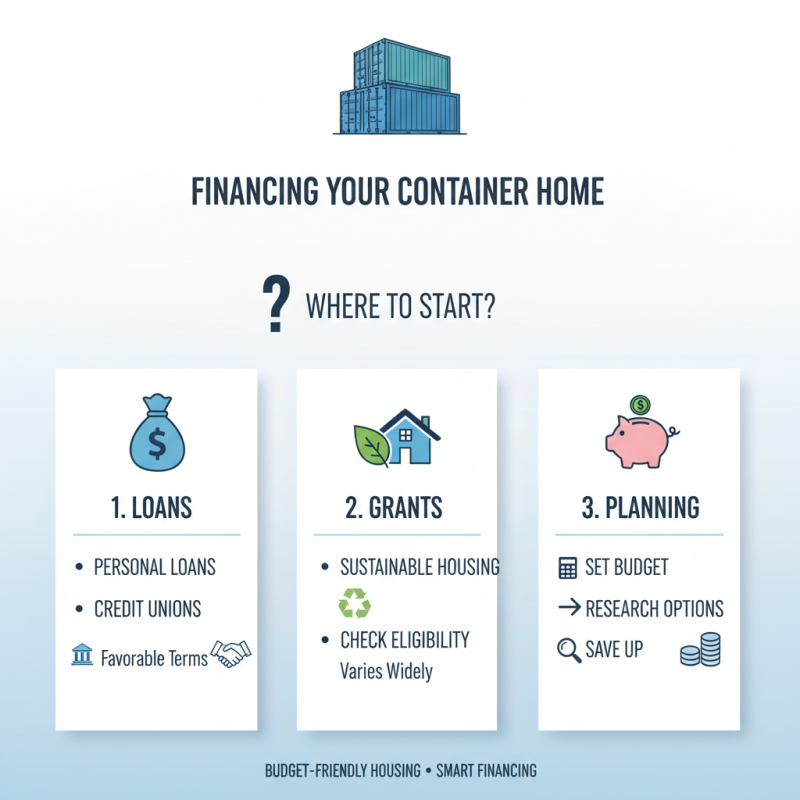
Building container homes can be a budget-friendly option. However, financing such projects requires careful planning. Many potential homeowners may not know where to begin. Exploring various financing options is essential. Consider personal loans or local credit unions that may offer favorable terms. Grants might also be available for sustainable housing projects, but eligibility varies widely.
Research is key. Some organizations fund creative housing solutions. Look for local nonprofits or government programs. These often aim to promote affordable housing. Each grant has specific requirements. Gather documents carefully to strengthen your application. It can feel overwhelming. Don’t rush; take the time to understand what you need to succeed.
Some projects may face unexpected costs. Be prepared for surprises. Revisit your budget regularly. Adjust as needed. Engaging with experienced builders can offer insights. They may help identify cost-saving measures. Networking can reveal hidden resources and funding avenues. Building a container home is a journey with many twists. Staying informed will guide you through uncertainties.
Innovative Living Solutions: Exploring High Quality Flat Pack Storage Container Houses for Convenient Prefabricated Living
In today’s fast-paced world, innovative living solutions are becoming increasingly essential. High-quality flat pack storage container houses are an excellent option for those seeking both convenience and sustainability. These modular buildings provide a flexible solution for various applications, ranging from temporary housing to permanent structures. Their eco-friendly design not only reduces environmental impact but also promotes efficient use of resources, making them an appealing choice for environmentally conscious consumers.
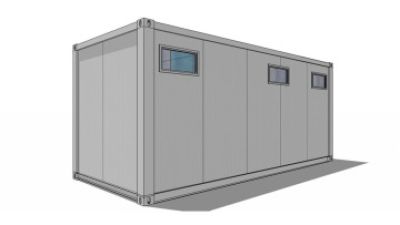
Measuring 5910mm x 2500mm x 2800mm, flat pack container houses are designed with a sturdy steel frame and insulated walls, ensuring durability and comfort. The inclusion of UPVC sliding windows enhances natural light and ventilation while providing energy efficiency. One of the standout features is the customizable electrical system, allowing homeowners to tailor their living space to their specific needs. The quick assembly and easy transportation capabilities make these units ideal for a variety of situations, including site offices, housing for displaced persons, or even as emergency shelters in times of crisis.
The versatility and cost-effectiveness of flat pack storage container houses play a crucial role in addressing housing needs around the globe. With reusable components, they not only reduce waste but also adapt to diverse living requirements. As more individuals and organizations seek pragmatic solutions to housing challenges, these container houses represent a forward-thinking approach to modern living.
FAQS
: Meditation reduces stress and improves focus. It can also enhance emotional well-being. Many find it promotes inner peace.
Beginners can start with just 5-10 minutes daily. Gradually, you can increase the duration. Consistency is key.
Yes, many users report lower anxiety levels. Mindfulness can change the way we respond to stressors. Results may vary.
It's normal to struggle. Thoughts will arise during meditation. Gently return your focus to your breath or mantra.
Choose a comfortable position. You can sit, lie down, or even walk. The goal is to feel relaxed yet alert.
Absolutely! Simple techniques work well for kids. It can help them manage emotions and improve concentration.
Feeling restless can happen. It’s an opportunity to explore those feelings. Breathing exercises can help refocus your energy.
No age limits exist. People of all ages can benefit. Tailor practices to suit individual needs and preferences.
Set a specific time daily. Create a peaceful space for it. Be patient; habits take time and effort to develop.
Change takes time. Regular practice is important. Reflect on your experience and adjust your approach as needed.
Conclusion
Container homes have gained popularity as an affordable housing option, especially for those on a budget. The article explores the fundamentals of container homes, highlighting their cost efficiency and average construction costs per square foot. It emphasizes the importance of selecting budget-friendly materials and suggests practical layouts to maximize space while minimizing expenses.
Additionally, it discusses cost-effective insulation solutions that are essential for maintaining comfort in container homes and outlines several DIY techniques that can significantly reduce labor costs during construction. Lastly, the article reviews various financing options and grants available to support container home projects, making this innovative housing approach more accessible to a broader audience.