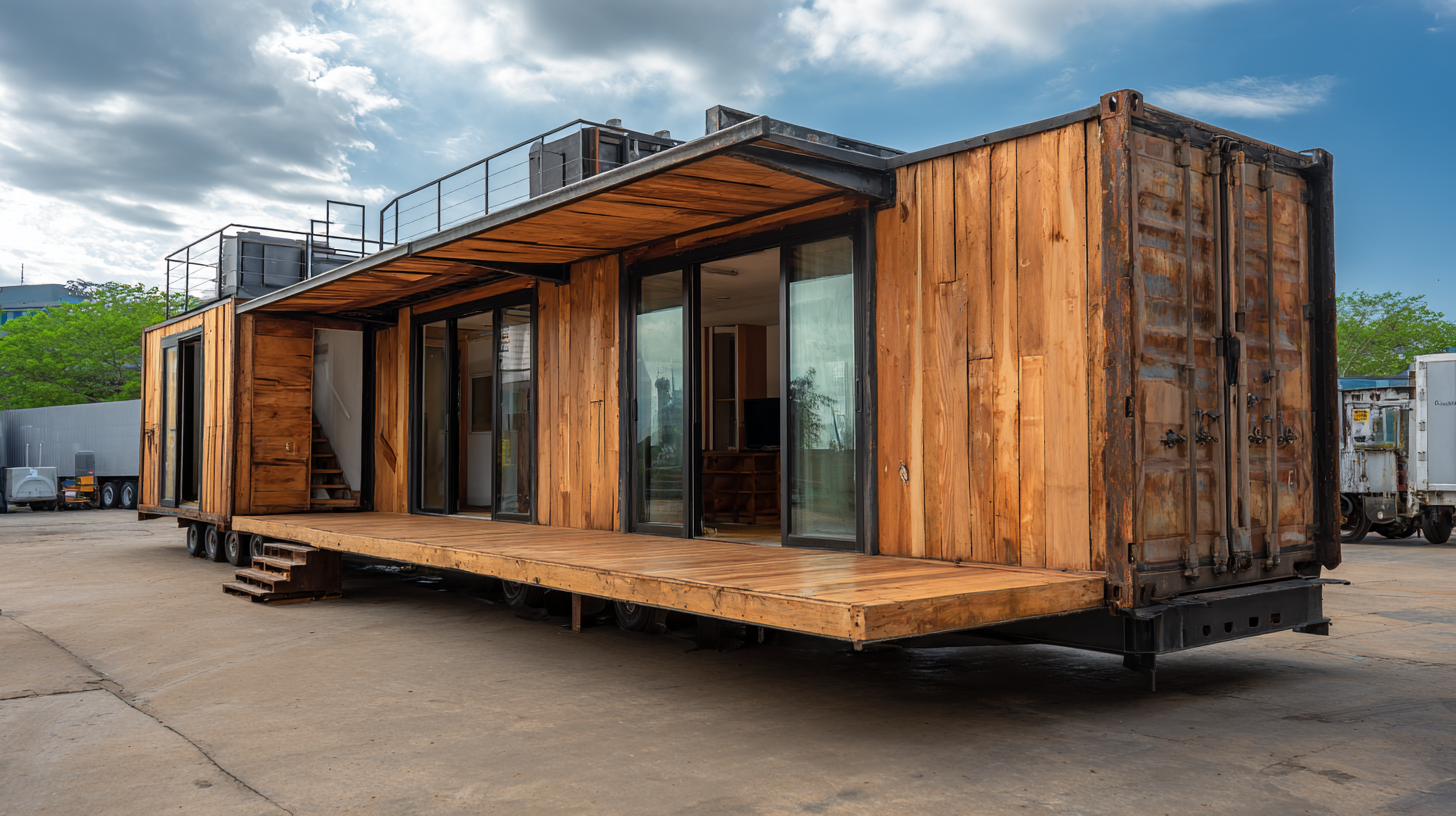
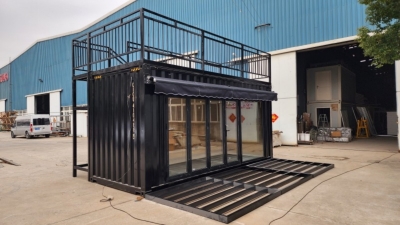
In recent years, the concept of sustainable living has gained traction, with innovative housing solutions like Shipping Crate Houses emerging as viable alternatives to traditional structures. According to a report by the World Green Building Council, buildings contribute approximately 39% of global carbon emissions, highlighting the urgent need for environmentally friendly construction methods.
Nantong Huasha Movable House Co., Ltd., established in 2005, specializes in designing and manufacturing Container Houses, expandable houses, and movable pods, all of which prioritize sustainability. By utilizingrecycled shipping crates, these homes not only reduce waste but also offer flexibility in design and mobility. As we delve into the benefits of Shipping Crate Houses, it becomes evident that they represent a promising step toward achieving eco-friendly living solutions that align with the growing demand for sustainable housing options.
The Rise of Shipping Crate Houses in Sustainable Living
The rise of shipping crate houses in sustainable living reflects a significant shift in how society approaches housing solutions. Shipping containers, once merely vessels for transporting goods, are now being repurposed into innovative and eco-friendly homes. According to a 2020 report by the United Nations, over 1 billion people live in slum conditions globally, highlighting an urgent need for affordable housing. Shipping crate houses offer a solution by being cost-effective, with construction costs averaging between $10,000 to $35,000, significantly lower than traditional homes.

Moreover, the environmental impact of shipping container homes is noteworthy. A study conducted by the Urban Land Institute reveals that converting old containers into homes can reduce construction waste by up to 70%. This method also promotes the reuse of materials, aligning with sustainable living practices. As urban centers grapple with the challenges of housing shortages and environmental concerns, the popularity of shipping crate houses is expected to grow, signaling a new era of responsible construction that prioritizes both affordability and sustainability.
5 Reasons Shipping Crate Houses Are Eco-Friendly Homes
Shipping crate houses are gaining traction as a sustainable living option, thanks to their eco-friendly attributes. One of the most compelling reasons to consider these homes is the significant reduction in construction waste. Traditional building methods often produce substantial debris, but utilizing shipping containers as building blocks allows for a more efficient use of materials. According to a study by the Global Green Building Council, resource-efficient buildings, including those made from repurposed shipping containers, can reduce energy consumption by up to 50% compared to conventional homes.
Furthermore, shipping container homes can effectively address the growing demand for affordable housing. As housing prices continue to soar, particularly in urban areas, shipping crate houses offer a cost-effective alternative. A report from the Container Housing Institute indicates that these homes can be constructed for approximately 50% less than traditional housing, providing an attractive solution for first-time buyers and those looking to downsize. Innovative designs, such as the midcentury-inspired shipping container home in Colorado, also highlight the aesthetic potential of these structures, proving that eco-friendly living doesn't have to compromise on style.
Understanding the Cost Benefits of Shipping Crate Houses
 The cost benefits of shipping crate houses are increasingly drawing attention from those seeking sustainable living solutions. Using repurposed shipping containers as homes can significantly reduce construction expenses. With the cost of traditional building materials and labor continuously rising, shipping crate houses present a viable alternative. These containers are often available at a fraction of the price of conventional building materials, allowing homeowners to allocate funds toward other sustainable features, such as solar panels or green landscaping.
Additionally, the speed of construction with shipping crate houses can lead to substantial savings. Traditional homes can take months or even years to build, incurring ongoing costs in land, utilities, and temporary housing. In contrast, a shipping crate house can be assembled in a matter of weeks, minimizing these additional costs. Moreover, many local governments are recognizing the environmental benefits of using recycled materials, potentially offering incentives or tax breaks for those who choose this innovative building method. This combination of reduced upfront costs and ongoing savings makes shipping crate houses an attractive option for environmentally-conscious individuals looking for budget-friendly housing solutions.
How Shipping Crate Homes Promote Minimalist Living
Shipping crate homes are revolutionizing the concept of minimalist living, presenting an innovative solution to the growing need for sustainable housing. According to a report from the World Economic Forum, the construction industry is responsible for nearly 39% of global carbon emissions. By repurposing shipping containers, which are often discarded and left to rust, we can significantly reduce waste and lower carbon footprints. Shipping crate homes utilize approximately 70% recycled materials, making them an eco-friendly alternative to traditional building practices.
Moreover, minimalist living promotes a lifestyle focused on experiences rather than possessions. A study conducted by the American Psychological Association found that individuals who embrace minimalism report higher levels of happiness and lower stress. Shipping crate homes inherently encourage this lifestyle by limiting space and resources, compelling residents to prioritize what they truly need. With a typical shipping container providing about 160 square feet of living space, inhabitants can cultivate a simpler, clutter-free environment that aligns with their values of sustainability and mindfulness. This shift not only fosters personal well-being but also encourages a communal approach to living that harmonizes with nature.
The Flexibility and Design Potential of Shipping Crate Houses
Shipping crate houses have gained significant attention in recent years due to their flexibility and innovative design potential. Unlike traditional homes, these structures are built using intermodal shipping containers, which offer an array of possibilities for customization. According to a report by IBISWorld, the market for modular homes, including shipping crate designs, is expected to grow at an annual rate of 6.7% through 2025. This surge can be attributed to the increasing demand for sustainable living solutions that are both economical and adaptable to diverse environments.
One of the most appealing aspects of shipping crate houses is their modular nature, allowing homeowners to creatively combine multiple containers to create unique layouts tailored to their preferences. Industry experts from the Container Home Builders Association highlight that these homes can establish efficient layouts that optimize space while minimizing waste. For instance, integrating living spaces with eco-friendly amenities like green roofs or rainwater harvesting systems can enhance both sustainability and aesthetic appeal. As a result, shipping crate houses not only fulfill the need for affordable housing but also encourage innovative architectural designs that can address contemporary living challenges.
Top 3 Environmental Advantages of Using Recycled Materials in Home Construction
One of the most compelling environmental advantages of using recycled materials in home construction is the significant reduction in waste. By repurposing shipping crates, builders can divert a substantial amount of material from landfills, minimizing the ecological footprint of home building. Instead of contributing to the mountains of construction debris generated each year, shipping crate houses utilize resources that have already been produced, thus promoting a circular economy. This practice not only conserves valuable raw materials but also lessens the energy consumption associated with manufacturing new building supplies.
Additionally, the use of recycled materials often leads to lower carbon emissions compared to traditional construction methods. Transporting recycled materials typically requires less energy than sourcing new materials, which can involve long-distance shipping and extensive processing. Furthermore, some shipping crates are designed to be easily assembled and modified, reducing the energy needed for construction. This streamlined approach not only enhances the sustainability of the building process but also helps homeowners achieve a lower environmental impact over the life cycle of their home. By prioritizing recycled materials, we can create structures that harmonize with the environment rather than detract from it.
Embrace Modern Living: Exploring the Versatile Charm of Fashionable Movable Shipping Container Bungalows
In today's fast-paced world, the concept of modern living has taken on new forms, blending functionality with aesthetic appeal. One such embodiment of this idea is the fashionable movable shipping container bungalow. These innovative structures not only offer versatile living spaces but also provide a sustainable solution to housing needs. Designed to adapt to various environments, shipping container bungalows can be customized to reflect personal style while maintaining practicality.
Among the growing trend of portable living solutions, Nantong Huasha Movable House Co., Ltd. introduces its Handicap-Accessible Portable Restrooms, a vital addition to events and sites that prioritize inclusivity. These restrooms come equipped with spacious interiors and sturdy handrails, ensuring that all users can experience the comfort and convenience they deserve. Constructed from high-quality materials, these units offer durability and are easy to maintain, making them suitable for any setting—from outdoor concerts to construction zones. By focusing on accessibility, Nantong Huasha is committed to enhancing the overall experience of modern living for everyone, advocating for spaces that welcome all individuals.
As we explore the versatile charm of fashionable movable shipping container bungalows, it becomes clear that inclusivity is at the forefront of innovative design. Whether it's stylish living arrangements or practical restroom solutions like those from Nantong Huasha, the goal is to create environments that cater to diverse needs, ensuring that modern living is indeed for everyone.
FAQS
: Shipping crate houses are homes constructed using repurposed shipping containers, offering a sustainable and eco-friendly living option.
By utilizing shipping containers, which are often discarded, these homes significantly minimize the amount of debris produced compared to traditional building methods.
Yes, shipping crate houses can be constructed for approximately 50% less than traditional housing, making them an attractive option for first-time buyers and those looking to downsize.
Shipping crate homes encourage a minimalist lifestyle by providing limited space and resources, which helps residents focus on what they truly need and fosters a clutter-free environment.
Using recycled materials, like shipping containers, drastically reduces waste sent to landfills, conserves raw materials, and lowers carbon emissions associated with traditional construction methods.
Buildings made from repurposed shipping containers can reduce energy consumption by up to 50% compared to conventional homes, enhancing their sustainability.
Shipping crate homes can be designed innovatively, incorporating aesthetic elements that reflect style while maintaining an eco-friendly and sustainable focus.
The use of recycled materials and promotion of minimalist living in shipping crate homes encourages a lifestyle that prioritizes environmental mindfulness and community harmony.
Yes, repurposing shipping containers reduces waste and lowers carbon emissions, supporting a sustainable building approach that contributes positively to the environment.
A typical shipping container offers about 160 square feet of living space, encouraging efficient use of space and resources.
Conclusion
Shipping crate houses have emerged as a compelling solution for sustainable living, gaining popularity due to their eco-friendly attributes and innovative design potential. These homes, constructed from repurposed shipping containers, offer a unique way to reduce waste while providing versatile living spaces. With benefits that include cost-effectiveness, promotion of minimalism, and the use of recycled materials, shipping crate houses are an attractive option for environmentally conscious individuals.
Additionally, the flexibility in design allows homeowners to customize their spaces according to personal preferences and needs. As a leader in the movable house industry, Nantong Huasha Movable House Co., Ltd. supports this trend by providing comprehensive services, from site selection to installation, ensuring that each shipping crate house is a sustainable and stylish choice for modern living.