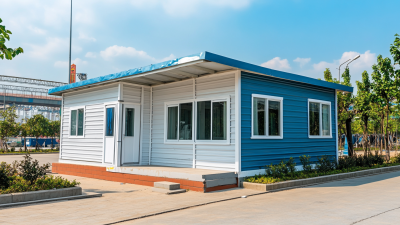
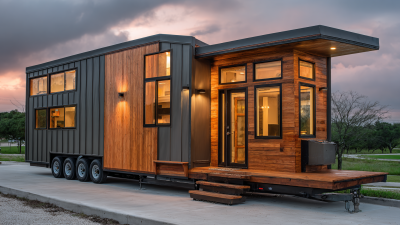
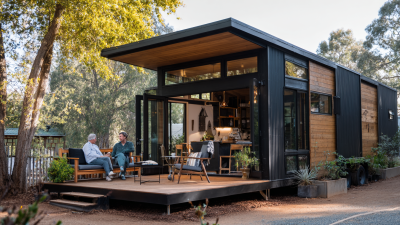
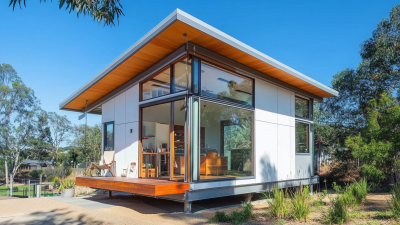
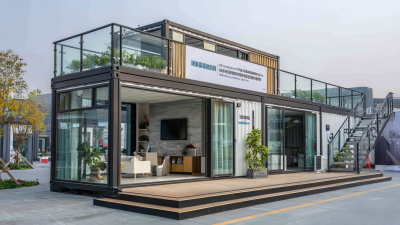
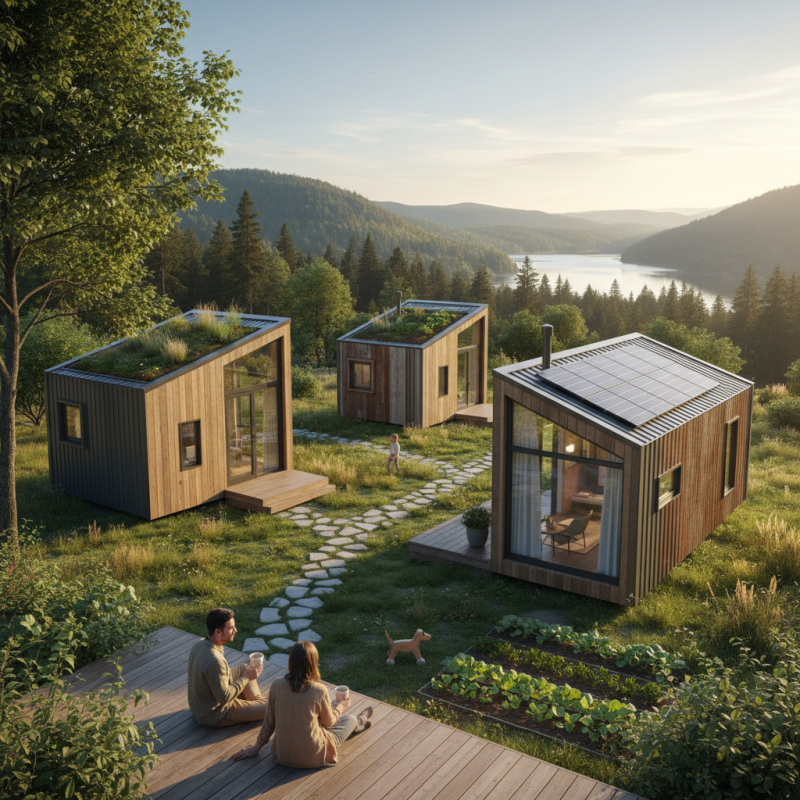
Lately, it feels like more and more folks are really embracing the idea of sustainable living. People are on the lookout for eco-friendly alternatives to the old-school, traditional homes. One thing that's been catching on pretty quickly is the charm of Prefab Tiny Homes. These little houses might be small, but they've been thoughtfully designed to pack a punch—offering lots of perks for anyone wanting to downsize without sacrificing quality or going heavy on the environment. By blending clever design with eco-conscious materials, these tiny homes help cut down the environmental footprint while also encouraging a simpler, more minimalist way of life.
But honestly, the benefits go beyond just being good for the planet. They’re usually cheaper, easier to move around, and faster to build—big pluses if you're all about convenience and flexibility. It’s clear that as more people jump on this bandwagon, these tiny homes present a real chance to stay true to your values, all while enjoying a cozy, good-looking space. If you're thinking about making a move towards greener living, checking out the top benefits of Prefab Tiny Homes might just help you make smarter choices that really align with your hopes for a more sustainable, harmonious life with nature.
Benefits of Prefabricated Construction in Tiny Homes
Prefab tiny homes are increasingly recognized for their role in sustainable living, particularly due to the numerous benefits offered by prefabricated construction. One of the most significant advantages is the reduction in waste produced during the building process. According to a report from the U.S. Environmental Protection Agency, construction and demolition debris contributes to nearly 25% of the total waste in landfills. Prefab construction minimizes this waste by allowing for precise manufacturing in controlled environments, where materials are cut to size before being transported to the site, significantly lowering surplus material.
In addition to waste reduction, prefab tiny homes also exhibit energy efficiency that contributes to their sustainability. The World Green Building Council has noted that buildings account for approximately 39% of global energy-related carbon dioxide emissions. By utilizing modern insulation techniques and energy-efficient materials in preFabricated Homes, owners can drastically decrease their energy consumption. Studies indicate that prefab buildings, by design, often achieve higher energy ratings compared to traditional construction methods. As a consequence, not only do they reduce environmental footprints, but they also result in long-term savings on utility bills, making them a financially viable option for environmentally conscious individuals.
Environmental Sustainability of Tiny Homes: A Closer Look
Prefab tiny homes represent a significant advancement in environmental sustainability, offering a compact living solution that leaves a minimal ecological footprint. According to a report from the U.S. Environmental Protection Agency (EPA), residential buildings account for about 20% of greenhouse gas emissions. By opting for tiny homes, which use far fewer materials and energy compared to traditional houses, individuals can help reduce that percentage significantly. For instance, a tiny home can consume up to 45% less energy, leading to lower utility costs and reduced reliance on fossil fuels.
Moreover, the construction of prefab tiny homes often incorporates sustainable building practices and materials. A study published by the American Institute of Architects (AIA) suggests that using sustainable materials in home construction can decrease resource depletion and prevent excess waste from entering landfills. Tiny homes are typically built using energy-efficient systems, such as solar panels and water conservation technologies, which not only lower their environmental impact but also promote a more sustainable lifestyle. As a result, the choice of living in a prefab tiny home not only addresses current housing needs but also paves the way for a more sustainable future, aligning with global efforts to combat climate change.
Environmental Impact of Prefab Tiny Homes
The chart below illustrates the benefits of choosing prefab tiny homes for sustainable living, highlighting aspects like energy efficiency, reduced waste, and lower carbon footprint.
Cost-Effectiveness: Saving Money with Prefab Tiny Homes
Prefab tiny homes are rapidly becoming a popular choice for those looking to embrace sustainable living without breaking the bank. With an average cost of just $30,000 to $60,000, these homes provide a cost-effective alternative to traditional housing, which can easily exceed $300,000 in many markets. The affordability of prefab tiny homes allows for significant savings, not only in the initial investment but also in ongoing expenses such as utilities and maintenance. According to a report by the National Association of Home Builders, energy-efficient homes can save owners an average of 20% on energy costs, providing a quick return on investment that supports financial sustainability.
Tip: When considering a prefab tiny home, look for models designed with energy efficiency in mind. Features like high-quality insulation, solar panel readiness, and energy-efficient appliances can further enhance your savings while promoting a lower environmental impact.
Moreover, the rapid construction time of prefab tiny homes can also lead to savings. Traditional homes can take months or even years to build, while prefabs can often be completed in a matter of weeks. This efficiency not only reduces labor costs but also allows owners to move in sooner, leading to earlier utility savings. According to a 2022 report from the U.S. Department of Energy, choosing sustainable building materials and methods can cut construction waste by up to 90%, resulting in a more sustainable financial model for homeowners who prioritize eco-friendly living.
Tip: Explore different layouts and designs to find one that maximizes space and minimizes waste. Many prefab tiny homes come with customizable options that help you create an efficient living environment tailored to your lifestyle.
Speed of Construction: How Prefab Homes Offer Quick Solutions
Prefab tiny homes have gained popularity for their remarkable speed of construction, making them an ideal choice for those seeking sustainable living solutions. Traditional home buildingcan often stretch into months or even years, with numerous variables that can delay the process. In contrast, Prefab Homes are manufactured off-site in controlled environments, allowing for a streamlined construction process. This efficiency not only accelerates the timeline from concept to completion but also minimizes environmental disruption typically associated with traditional site building.
The quick assembly of prefab homes is another benefit that supports sustainable living. Because these homes are delivered in sections and assembled on-site, much of the construction waste common in conventional building methods is significantly reduced. This reduction leads to a smaller ecological footprint, aligning perfectly with the principles of sustainability. Additionally, the efficient construction process can help meet the growing demand for affordable housing in urban areas, providing immediate solutions without the long wait times associated with typical construction projects. By choosing prefab tiny homes, individuals can enjoy the benefits of sustainable living while promoting efficient use of resources and time.
Energy Efficiency: Reducing Carbon Footprint in Tiny Living
Prefab tiny homes are increasingly recognized for their energy efficiency and potential to significantly reduce the carbon footprint associated with traditional housing. According to a report by the U.S. Department of Energy’s Building Technologies Office, homes account for approximately 22% of the total greenhouse gas emissions in the United States. By opting for prefab tiny homes, which typically require fewer building materials and labor, homeowners can greatly minimize their impact on the environment. These homes can be designed with energy-efficient features such as solar panels, high-performance insulation, and sustainable materials, leading to lower energy consumption.
Further emphasizing the benefits, the National Renewable Energy Laboratory (NREL) highlights that tiny homes often consume 50% less energy than conventional homes, due in part to their smaller size and efficient design. This energy efficiency translates to reduced utility bills and often offers homeowners a quicker return on investment. Additionally, the compact nature of tiny living encourages minimalism and sustainable habits, prompting residents to adopt a lifestyle that prioritizes less consumption overall, thereby fostering a greater connection to energy conservation and environmental stewardship. As society increasingly focuses on sustainability, prefab tiny homes emerge as a viable solution, demonstrating how thoughtful design can contribute to a lower carbon footprint while promoting a more sustainable way of living.
Customization Options: Tailoring Your Prefab Tiny Home
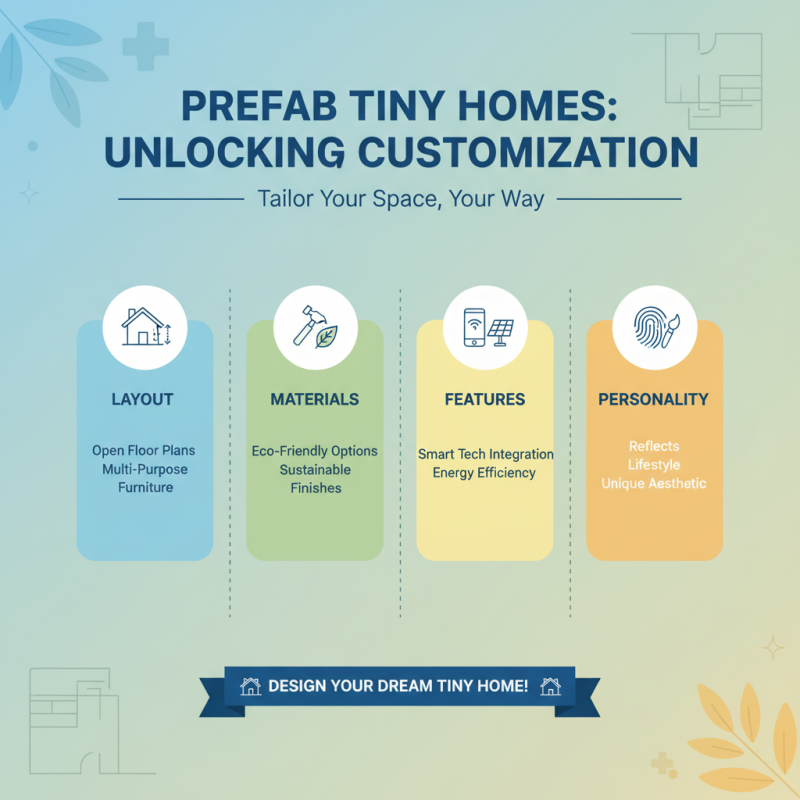
Prefab tiny homes offer a unique advantage when it comes to customization, allowing homeowners to tailor their living spaces to meet specific needs and preferences. From selecting the layout to choosing materials and finishes, the adaptability of prefab design encourages creativity and personalization. Homeowners can decide on elements such as open floor plans, multi-purpose furniture, and eco-friendly features that align with their lifestyle and values, resulting in a space that truly feels like home.
The customization options extend beyond aesthetics; they also encompass functionality and sustainability. Individuals can integrate energy-efficient systems, smart technology, and sustainable materials that minimize their environmental impact. This ability to personalize not only enhances the comfort and usability of tiny homes but also fosters a deeper connection to sustainable living, as residents can implement features that resonate with their commitment to the environment. Ultimately, the customization potential in prefab tiny homes empowers residents to create spaces that reflect who they are and how they want to live.
Space Optimization: Smart Design in Small Living Spaces
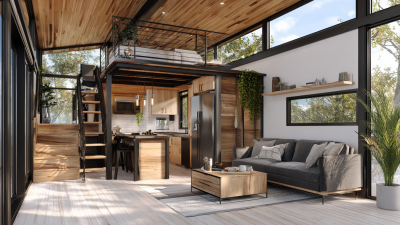
Prefab tiny homes are an innovative solution for sustainable living, focusing on space optimization through smart design. These dwellings maximize functionality while utilizing minimal square footage, making them ideal for eco-conscious individuals. Cleverly designed layouts incorporate multipurpose furniture and built-in storage solutions, allowing residents to maintain comfort without sacrificing efficiency. For example, folding tables and wall-mounted shelves can transform a small area into a versatile living space, making the most of every square inch.
When considering a prefab tiny home, here are a few tips to optimize your space even more. First, think vertical – utilizing vertical space helps create an open feel while providing additional storage. Consider installing tall cabinets or lofted sleeping areas to keep the floor space clear. Second, choose furnishings that can adapt to various needs, such as a sofa bed or an expandable dining table. Lastly, embrace minimalism; reducing the number of items you own not only declutters your space but also fosters a more sustainable lifestyle by promoting a focus on quality over quantity.
Smart design in tiny living spaces extends to the use of sustainable materials and energy-efficient appliances, further enhancing the eco-friendly aspect of prefab homes. Incorporating features such as large windows can improve natural light and ventilation, creating a pleasant living environment that feels more spacious. By prioritizing thoughtful design and sustainable choices, residents can enjoy a comfortable and efficient lifestyle in their compact homes.
Innovative Solutions for Sanitation: Exploring Factory Prices on Portable Prefab Toilets
The demand for portable prefab toilets is on the rise, driven by the urgent need for effective sanitation solutions in various industries, including construction and outdoor events. According to industry reports, the portable sanitation market is projected to grow by approximately 10% annually over the next five years. This surge is attributed to the increased focus on hygiene and sanitary conditions, particularly in temporary setups where traditional restroom facilities are not viable.
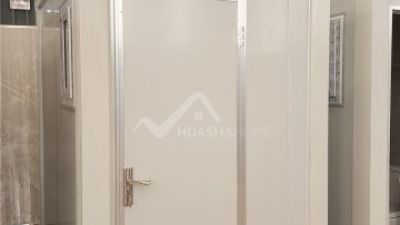
One of the leading innovations in this sector is the factory-assembled portable toilet unit, which integrates a shower room, toilet, and basin into a single, cohesive structure. Each unit weighs around 560 kg, making it robust yet manageable for transportation using a forklift or crane. The enclosure's roof, crafted from a whole steel plate, ensures leakproof integrity, crucial for maintaining hygiene standards and preventing water ingress during adverse weather conditions. Furthermore, these units adhere to a range of power standards, allowing them to operate effectively across various regions regardless of local electrical requirements.
The versatility and durability of these portable toilets present an attractive solution for contractors and event organizers, delivering both convenience and reliability. With on-site sanitation becoming increasingly prioritized, investing in high-quality prefab toilets could significantly enhance sanitation efforts, making them a worthwhile consideration for any project or event planning.
FAQS
: Prefab tiny homes are energy efficient and can significantly reduce the carbon footprint of homeowners, as they require fewer materials and labor compared to traditional homes, leading to lower greenhouse gas emissions.
Tiny homes often consume about 50% less energy than conventional homes due to their smaller size and efficient design, which helps in reducing utility bills and providing a quicker return on investment.
Cleverly designed layouts that incorporate multipurpose furniture, built-in storage solutions, folding tables, and wall-mounted shelves can maximize functionality while using minimal square footage.
To optimize space, consider utilizing vertical space with tall cabinets or lofted sleeping areas, choose adaptable furnishings like sofa beds or expandable tables, and embrace minimalism by reducing the number of items owned.
Incorporating features such as large windows can enhance natural light and ventilation, making the living environment feel more spacious and pleasant.
Living in a tiny home often encourages minimalism and sustainable habits, prompting residents to focus on less consumption and fostering a connection to energy conservation and environmental stewardship.
Prefab tiny homes often utilize sustainable materials and energy-efficient appliances, which contribute to their overall eco-friendly nature.
Thoughtful design prioritizes both functionality and sustainability, allowing residents to enjoy comfort and efficiency while minimizing their environmental impact.
The energy efficiency of tiny homes can lead to lower utility bills and a quicker return on investment, making them a financially viable option for many homeowners.
Tiny living promotes a lifestyle that emphasizes sustainability, quality over quantity, and a reduced ecological footprint, aligning with modern society's focus on environmental responsibility.
Conclusion
Prefab Tiny Homes are revolutionizing sustainable living with numerous benefits that cater to both environmental and economic needs. These homes utilize prefabricated construction, making the building process quicker and more efficient, while also offering significant cost savings compared to traditional housing. The environmental sustainability of prefab tiny homes is noteworthy, as they are designed to minimize carbon footprints and promote energy efficiency.
Additionally, these homes can be customized to suit individual preferences, allowing for unique personal touches in limited living spaces. With smart design principles, prefab tiny homes optimize space effectively, demonstrating that smaller living areas can still be functional and aesthetically pleasing. Overall, choosing prefab tiny homes is an excellent option for those seeking a sustainable, cost-effective, and efficient housing solution.