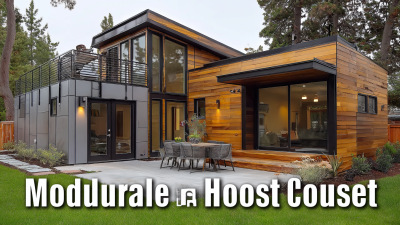
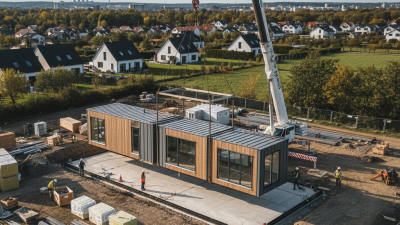
As more folks are looking for affordable places to live, the modular housing scene has really started to gain some traction. You know, reports show that a Modular House Cost can actually be way cheaper than building a traditional home. In fact, on average, people could be saving around 10-20% (McKinsey & Company, 2022). That’s pretty tempting, especially for first-time buyers or anyone into more eco-friendly living options. That said, costs can still vary pretty a lot depending on things like the size of the house, where it’s built, and what materials you choose.
Of course, while modular homes seem to offer some pretty sweet efficiency wins, they’re not without their hiccups. Sometimes, unexpected costs pop up when preparing the site, and that can stretch your budget. Plus, delivery times aren’t always set in stone — delays happen, and that can bump up overall costs too. It’s really important to get a handle on these factors if you’re thinking of buying. According to the National Association of Home Builders, while Modular Building can save time, those savings don’t always directly translate into lower costs at the end of the day.
Getting a clear picture of what’s involved financially is super important. Prospective homeowners should think about both the upfront expenses and the long-term benefits. As the industry keeps changing, staying in the loop about trends and potential pitfalls can help you make smarter decisions and get the best bang for your buck when investing in a modular home.
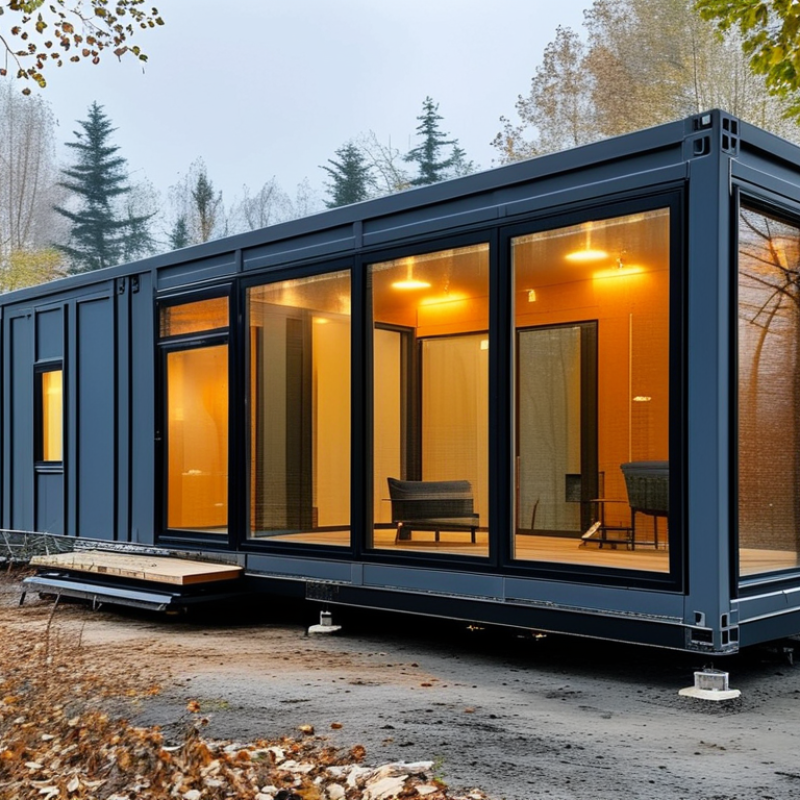
Overview of Modular House Costs in 2026
As the demand for sustainable housing grows, modular homes are gaining attention. In 2026, Modular House costs can vary widely. Prices typically range from $100 to $200 per square foot. This range includes materials, design, and labor costs. However, local regulations and land prices significantly affect these figures.
Many buyers are attracted to modular homes due to their efficiency. They save time and money compared to traditional builds. A Trailer House Cost may inspire potential buyers to consider modular options. Yet, there are challenges. Customization can raise costs. Limited designs may not appeal to everyone. It’s essential to evaluate what features are most important before committing to a specific model.
Investing in a modular home entails careful planning. Buyers should consult with experts in the field. Understanding local zoning laws and utility access is vital. Sometimes, these details get overlooked, leading to unexpected difficulties later. Taking the time to research and consider all factors will yield a more rewarding experience.
Factors Influencing the Cost of Modular Homes
When considering the cost of modular homes, several key factors come into play. Location significantly influences pricing. Areas with higher demand often see increased costs. Fluctuating land prices can also contribute to overall expenses. Additionally, local building codes can affect what features a modular home can include. It's crucial to research these regulations early in the process.
Another important factor is the size and design of the modular home. Larger homes generally have higher base costs. Customized designs can lead to additional expenses. Materials used in construction play a role too. High-quality materials may cost more upfront but can offer long-term savings on maintenance. There is a balance between cost and quality that builders must navigate.
Timing can impact costs as well. Labor availability fluctuates throughout the year. Building during peak seasons may lead to higher labor costs. Unforeseen delays in construction can escalate expenses. It's vital to remain flexible and prepare for potential challenges. Understanding these influencing factors can help prospective buyers set realistic budgets and expectations.
Average Price Range for Modular Houses in 2026
The average price range for modular houses in 2026 is expected to vary widely. According to recent industry reports, basic models will start around $100,000. More customized options may reach $200,000 or higher. These prices reflect changes in material costs and labor availability.
Manufacturers are facing supply chain challenges that influence pricing. The cost of materials, such as steel and timber, continues to fluctuate. In 2022, reports indicated a 15% rise in lumber prices, while steel saw an increase of 18%. These market dynamics will likely impact future pricing trends.
Buyers should budget for additional factors. Land acquisition, permits, and utilities can add thousands to the final cost. Homebuyers must understand these variables when exploring their options. Reflecting on these concerns can help in making informed decisions.
Comparative Costs: Modular Homes vs. Traditional Homes
When comparing the costs of modular homes versus traditional homes, several factors come into play. Modular homes often have a lower upfront cost. They tend to require fewer materials and less labor, which can result in significant savings. On average, the cost of a prefab house can be 10-20% less than its traditional counterpart.
However, it’s essential to consider long-term factors. While you may save initially, traditional homes often appreciate more over time. Neighborhood dynamics can significantly influence this. If you're looking for immediate savings, modular may be right. But if you're investing for the future, think carefully about location and potential growth.
Tips: If you’re considering a prefab house, research local zoning laws. Some locations have restrictions on modular homes. Understanding these can save you potential headaches later. Additionally, consult with experts in modular construction. Their insights can guide your decisions. Ensure you balance cost with quality, as some cheaper options might compromise on durability.
Understanding Additional Expenses in Modular Construction
When considering modular construction, it's crucial to understand the additional expenses involved. The base price of a modular home often doesn't encompass site preparation, permits, and utility connections. These costs can add thousands to your investment. For example, site preparation may require excavation and grading. This process is necessary to create a solid foundation. It is an essential step that needs budgeting for accordingly.
Utility connections can also be quite expensive. You might need to connect to electricity, water, and sewage systems. Each connection involves labor and material costs. It's easy to overlook these expenses when you're caught up in initial pricing. Additionally, factors like local regulations and the complexity of your site can influence costs.
Many prospective homeowners opt for alternatives like a Shipping Container House Cost. These options can sometimes seem cheaper but come with their own set of challenges. Modifying a container to meet living standards can lead to unexpected expenses. Reflecting on these factors before making a decision will help you better prepare for the overall costs involved.
Financing Options for Modular Houses Purchase
When considering the purchase of a modular house, financing options play a crucial role. Many buyers overlook the various paths to funding their dream home. It’s important to explore conventional loans, FHA loans, and personal loans. Each has its unique benefits and requirements. For instance, FHA loans often require lower down payments, making them appealing for many first-time buyers. On the other hand, personal loans might come with higher interest rates but can be easier to obtain.
Tips: Research different lenders. Compare interest rates and terms. Always read the fine print.
Another option is to secure a construction loan. This type of financing can cover the costs of building a new modular home from start to finish. However, it typically requires a good credit score and a solid repayment plan. Understanding the differences in these financing choices is critical. Some lenders may also offer special programs tailored for modular homes.
Tips: Prepare your credit report. Strengthen your financial history. Keep documentation ready for quicker processing.
A key point to consider is the total cost of ownership beyond just the mortgage. Taxes, insurance, and maintenance should be factored in early. Always ensure that your chosen financing method aligns with your long-term goals.
Future Trends in Modular Home Pricing and Cost Efficiency
As we look ahead to 2026, the modular home market is poised for significant changes. With an increasing demand for sustainable living, many consumers are turning to options like the Low Cost Container House. These homes often come with a lower price tag compared to traditional construction. However, potential buyers must consider trade-offs in design flexibility and long-term durability.
Emerging trends in modular pricing reveal a shift towards cost efficiency without sacrificing quality. Manufacturers are exploring innovative materials that reduce costs and construction times. This might lead to more accessible housing options. Still, not all modular homes are created equal. Buyers should remain vigilant about the quality of materials and labor involved. This means conducting thorough research and seeking professional assessments.
The landscape of modular home pricing is rapidly evolving. Market fluctuations can affect overall costs. While modular homes can offer affordability, unexpected expenses may arise. This highlights the importance of careful financial planning and consultation with experts in the field. Keeping these factors in mind can help ensure a fulfilling investment in modular living.
Innovative and Affordable: The Benefits of Low-Cost Prefabricated Small Space Houses for Modern Living
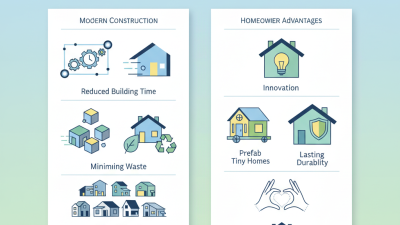
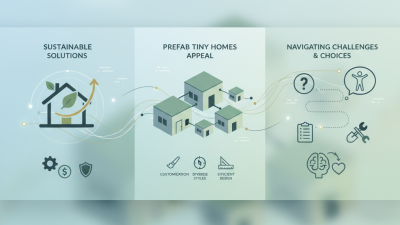
The rise of low-cost prefabricated small space houses represents a significant shift towards innovative and affordable living solutions. These structures offer a modular design that allows for easy expansion and customization, making them incredibly versatile for various living situations. Homeowners can adapt their spaces as their needs evolve, whether accommodating a growing family or creating a compact home office. This flexibility not only streamlines construction processes but also enhances the usability of the living area.
Incorporating intelligent technologies into these small space houses elevates the living experience. Features such as automated lighting and temperature control ensure that residents enjoy a comfortable environment tailored to their preferences. This smart integration minimizes energy use and maximizes convenience, which is particularly beneficial for modern lifestyles that demand efficiency without sacrificing comfort.
Lastly, sustainability stands at the forefront of these innovative dwellings. Many low-cost prefabricated houses prioritize eco-friendly materials and energy-saving technologies, significantly reducing their environmental footprint. By promoting efficient energy use and minimizing waste, these homes not only contribute to a healthier planet but also provide long-term financial savings for their occupants. Embracing such sustainable practices is crucial in today’s climate-conscious world, making these homes a practical choice for forward-thinking individuals and families.
FAQS
: The average starting price is around $100,000 for basic models.
Fluctuations in material costs like timber and steel impact the overall pricing.
Buyers need to budget for land, permits, and utilities, which can add thousands.
Yes, but buyers should assess design flexibility and durability trade-offs.
Supply chain disruptions can lead to increased material costs and affect availability.
Buyers should investigate the quality of materials and labor involved in construction.
Yes, many modular homes cater to increasing demand for sustainable living choices.
Unexpected expenses may arise due to market fluctuations and additional financial planning.
No, quality can vary significantly, emphasizing the need for thorough research.
Expert consultations can provide valuable insights for making informed decisions.
Conclusion
In 2026, understanding Modular House Cost is essential for prospective homeowners and investors. The article offers a comprehensive overview of the various factors influencing the cost of modular homes, including materials, design complexity, and location. It outlines the average price range for modular houses, highlighting their competitive pricing compared to traditional homes.
Additionally, it addresses additional expenses such as site preparation and utility installations that can impact overall costs. Financing options for purchasing modular houses are explored, providing insights into making these homes more accessible. The article concludes with a look at future trends in modular home pricing and their potential for enhanced cost efficiency, reflecting a growing interest in sustainable and innovative housing solutions.